The educational landscape is shifting, fast. What used to be chalkboards and textbooks has become a playground for data, algorithms, and machine-driven learning. This isn’t just a cosmetic change. We’re witnessing a foundational transformation—and artificial intelligence is at the core of it. AI in education is no longer an experimental buzzword; it’s a disruptive force reshaping how students learn, how teachers teach, and how institutions adapt.
From One-Size-Fits-All to One-for-One: The Adaptive Shift
Imagine this: a classroom of 30 students, each in a different chapter, moving at their own pace, guided by an unseen intelligence that learns from every answer, every pause, every misstep. That’s what adaptive learning platforms do. Instead of sticking students to rigid lesson plans, these platforms analyze performance in real time and modify content accordingly.
A 2023 report by HolonIQ estimates that adaptive learning technologies will reach a global market value of $10 billion by 2027. Why? Because they work. Students using adaptive systems score, on average, 20% higher on standardized assessments compared to those in traditional classrooms. The personalization element isn’t a gimmick—it’s a statistically significant edge.
Beyond Automation: The Rise of Intelligent Tutoring Systems
It’s easy to dismiss AI as just another tool that automates tasks. But intelligent tutoring systems [ITS] are not about automation—they’re about augmentation. These systems simulate one-on-one tutoring experiences by leveraging natural language processing, machine learning, and cognitive modeling.
AI can do more than just provide solutions to problems. Yes, an app like math helper AI can quickly, accurately, and step-by-step solve a problem. But AI can do much more: analyze correct and incorrect answers, build a strategy for improving knowledge, detect conceptual problems, and provide timely feedback. And it works silently, continuously, invisibly. The student interacts with what feels like a simple program, but behind the scenes, the system is building a detailed model of that learner’s understanding.
Now extrapolate that across subjects: language learning, history, biology. The implications are staggering.
AI in the Hands of Educators: Empowerment, Not Replacement
Some fear that AI in classrooms signals the obsolescence of teachers. That’s a flawed narrative. AI doesn’t replace teachers—it redefines their role. When artificial intelligence for schools is implemented properly, it acts as a co-pilot, not a commander.
Teachers can use real-time dashboards to monitor class progress, identify struggling students early, and adjust instruction with surgical precision. A study published by the Education Endowment Foundation in 2022 found that classrooms using AI-supported tools experienced a 30% improvement in learning efficiency, with fewer students falling behind.
Educators aren’t being phased out—they’re being empowered to focus on what machines can’t replicate: empathy, creativity, and human connection.
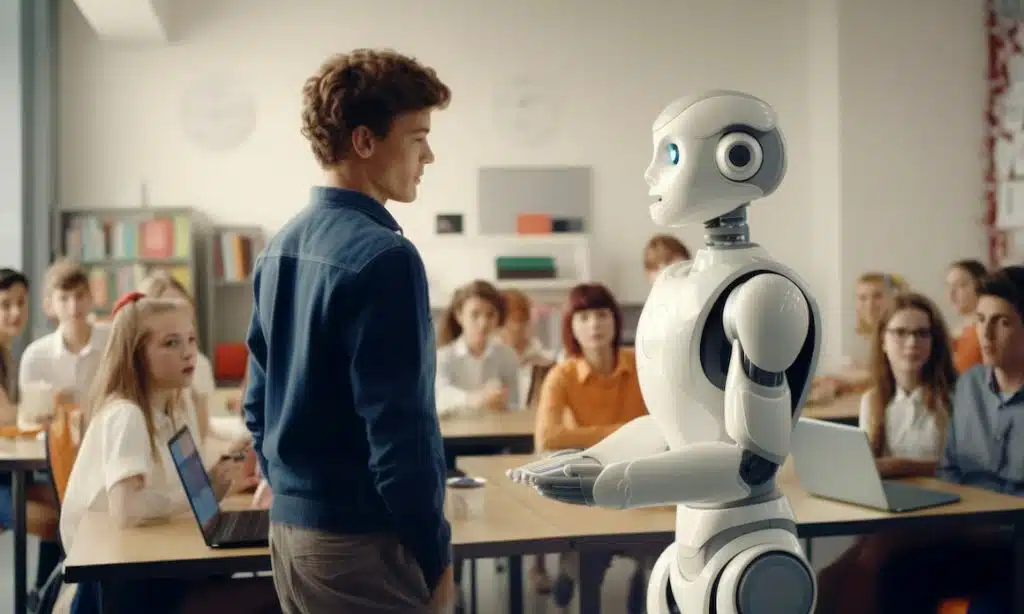
Next-Gen EdTech: Blurring the Lines Between Learning and Living
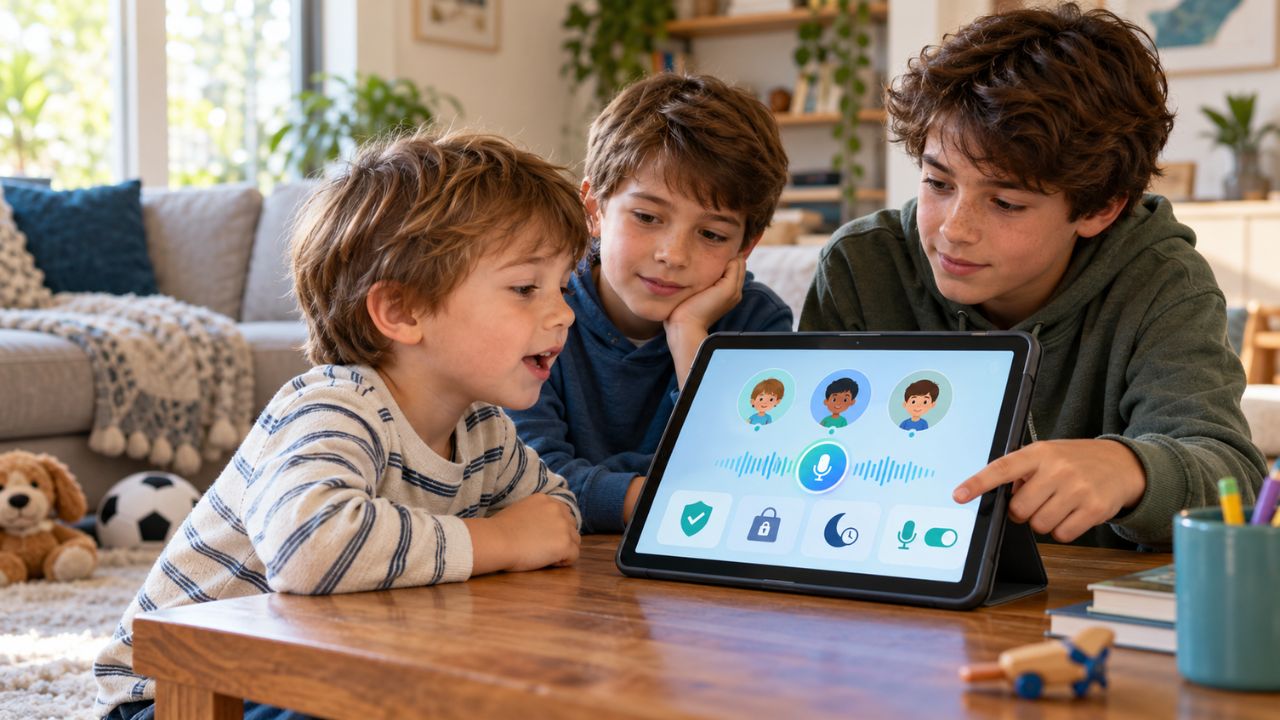
EdTech used to mean tablets in classrooms or interactive whiteboards. Next-gen edtech, fueled by AI, dissolves the boundaries between formal education and everyday experience. Learning doesn’t stop at the school gate anymore.
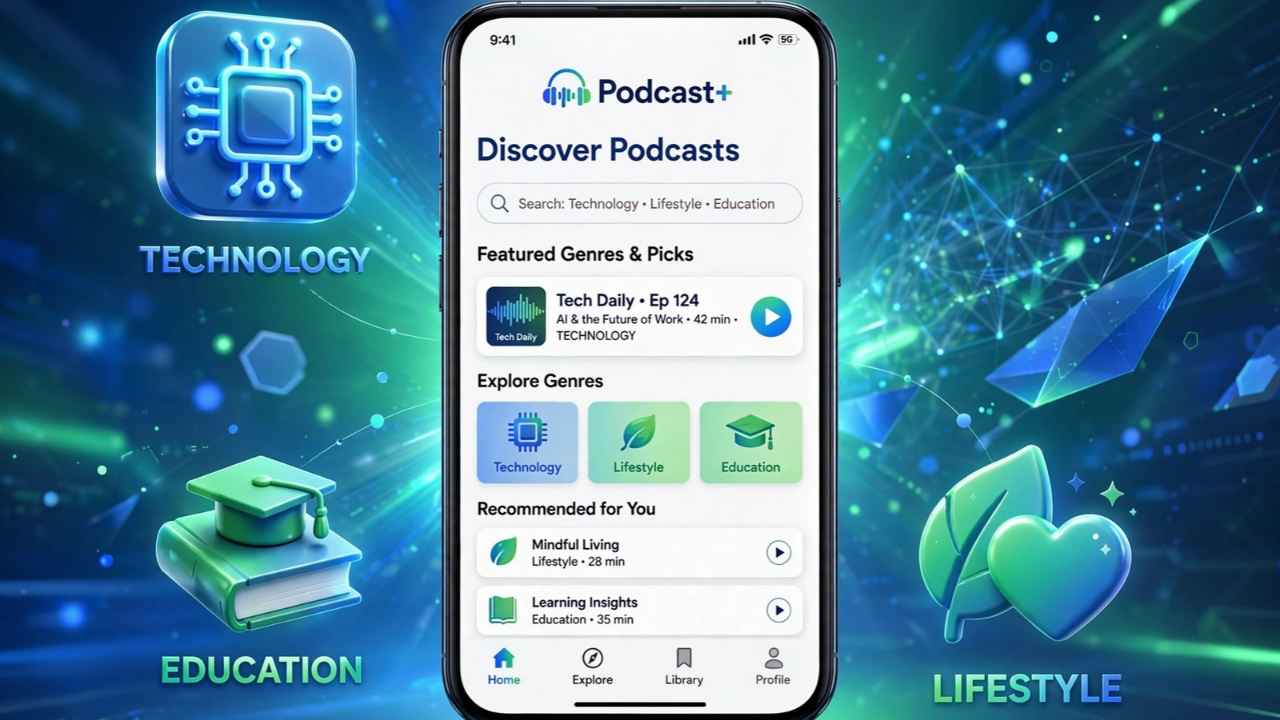
Consider AI-powered language apps that adapt to your speaking habits, or science platforms that use gamified simulations to teach chemistry through virtual experiments. Some tools even integrate emotional recognition, adjusting content delivery based on a student’s mood or frustration level. It sounds like sci-fi, but it’s already being tested in Finland, Singapore, and parts of the U.S.
And the interface? It could be a phone. A VR headset. Even a voice assistant.
Challenges and Caveats: The Unwritten Footnotes
Of course, it’s not all utopia. There are real concerns about data privacy, algorithmic bias, and accessibility. If AI learning tools are trained on flawed data or built without inclusive design, they risk reinforcing the very inequalities they promise to solve.
Moreover, reliance on digital tools demands infrastructure many regions still lack. According to UNESCO, nearly 47% of students worldwide still don’t have access to reliable internet. The digital divide is not a metaphor—it’s a measurable gap with consequences.
So while the technology marches forward, equity must be stitched into every line of code, every deployment plan, every policy document.
Conclusion: The New Classroom is Here
We are no longer asking if AI will impact education. The question is how far we’ll let it go. AI in education is not a tool; it’s a paradigm shift. From adaptive learning platforms that tailor content in real time, to intelligent tutoring systems that replicate human instruction with uncanny accuracy, the rise of artificial intelligence in schools marks the dawn of a new learning era.
The human touch remains vital—but it is now complemented, and sometimes elevated, by machines that never sleep, never tire, and never stop learning.
Education, once static, is becoming dynamic. The classroom of tomorrow is already being built—and it’s learning faster than we are.