
Maybe recently, you noticed you are suffering from bloating, and after checking your food habit, you found creatine is almost every day in your diet. So, now you may be thinking – does creatine make you bloated?
Creatine supplementation generally does not cause bloating in most individuals when taken at the standard recommended doses of 3-5 grams daily. However, some people may experience temporary bloating during the initial loading phase of creatine supplementation.
Are you interested to learn everything about it? Just keep on reading, and you’ll be clear about it.
What is Creatine?
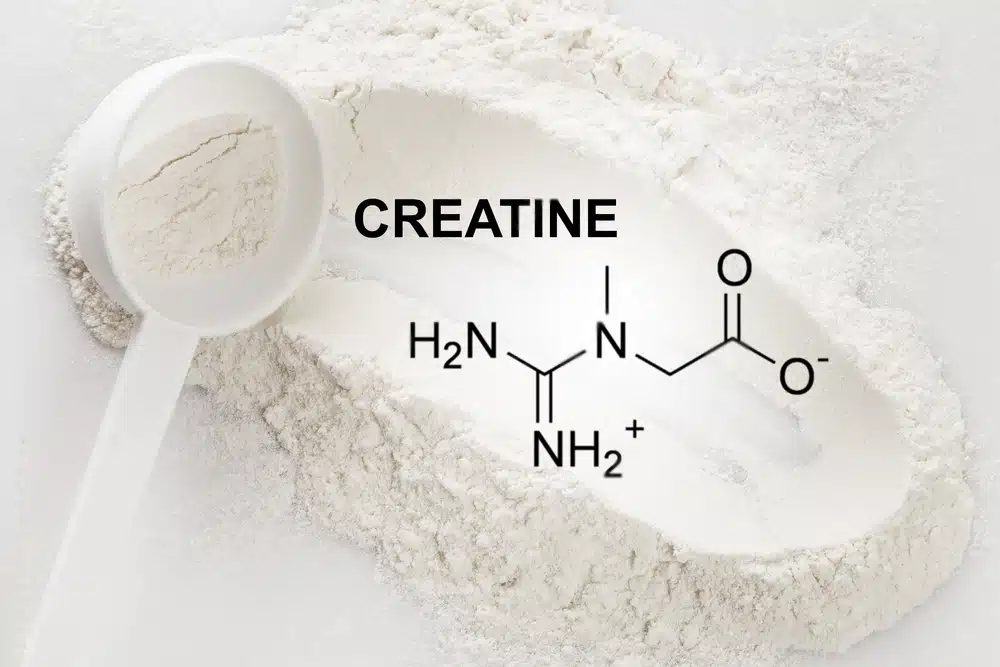
Creatine is an organic compound that naturally occurs in the human body and can also be obtained from specific dietary sources. Additionally, it is available as a supplement in concentrated form, enabling individuals to achieve optimal saturation levels and enjoy performance-related advantages.
The supplementation of creatine offers numerous benefits as it is crucial in enhancing energy production. By increasing energy availability, creatine enables individuals to push themselves harder during training, resulting in improved performance and potentially greater long-term progress. Moreover, research suggests that creatine supplementation may contribute to enhanced recovery and cognitive improvements, as it provides additional energy resources for the brain.
In summary, creatine is an organic compound that can be naturally produced within the body, obtained from food sources, or taken as a supplement. Its supplementation can significantly enhance energy production, improving performance and potentially benefiting recovery and cognitive function.
How Does Creatine Work?
Creatine functions by replenishing adenosine triphosphate (ATP), a crucial molecule that carries and delivers energy within your body’s cells. During high-intensity, short-duration activities such as weight lifting or sprinting, your body relies on what is known as the creatine phosphate system.
This system rapidly replenishes the ATP stores in your body by utilizing creatine as an muscle energy source. When engaging in intense physical exertion, your natural creatine stores are quickly depleted due to the high energy demands.
By supplementing with creatine, you can increase its concentration within your muscles, thereby providing a greater reservoir of energy to fuel ATP production. This heightened availability of creatine allows for more efficient resynthesis of ATP during periods of intense activity.
The additional ATP generated through creatine supplementation can result in notable improvements in the overall quality of your training. For instance, research has shown that taking a daily dosage of 20 grams of creatine for a period of 5–7 days can lead to a significant increase of 5–15% in both strength and athletic performance.
Due to its ability to enhance exercise performance, creatine has gained substantial popularity as a supplement among athletes and workout enthusiasts. By optimizing the availability and utilization of ATP, creatine supplementation can effectively enhance strength, power, and muscular endurance, leading to improved training outcomes and performance levels.
Does Creatine Make You Bloated?

Under normal circumstances, creatine supplementation does not typically cause bloating. When taking the standard daily dosage of three to five grams, there are usually no noticeable changes in body weight or the appearance of bloating.
However, individuals who undergo a loading phase with creatine supplementation may experience some bloating. The loading phase involves consuming higher doses of creatine to expedite the supplement’s benefits. During this phase, a dosage of 20 to 25 grams of creatine per day is recommended for a period of five days. Once the loading phase is complete, individuals can transition to a maintenance dose of three to five grams daily.
It’s important to note that the bloating experienced during the loading phase is temporary and typically resolves over time. The maintenance dose of creatine does not usually cause bloating or significant changes in body weight.
Read Also: Does Creatine Make You Fat?
How Does Creatine Cause Bloating?
To accurately comprehend the concept of creatine bloating, clarifying any misconceptions surrounding it is essential.
The sensation of bloating caused by creatine does not involve retaining excess water beneath the skin, resulting in a watery appearance or a swollen face. Instead, it relates explicitly to temporary bloating within the gastrointestinal system.
Individuals who undergo a loading phase with creatine supplementation may experience a sense of bloating in the stomach region. However, there is no risk of retaining water under the skin, as creatine does not operate in that manner. Rather, creatine facilitates water uptake into the muscles, giving them a fuller appearance.
Managing Creatine Loading and Bloating: Understanding the Process
The loading phase of creatine supplementation, typically involving a higher initial dosage, can sometimes lead to a temporary phenomenon known as creatine bloating. This section will explore the loading phase, its impact on body weight, water retention, and strategies to manage or prevent bloating.
The Loading Phase and Maintenance Dose
When initiating creatine supplementation, individuals often go through a loading phase. This phase typically lasts 5-7 consecutive days and involves taking a higher dosage of 20-25 grams of creatine daily. Following the loading phase, a maintenance dose of 3-5 grams per day, or approximately 0.01 grams per pound (0.03 grams per kg) of body weight, is recommended to maintain optimal muscle creatine levels.
Understanding Creatine Bloating
During the loading phase, it is common for individuals to experience an increase in body weight and potential bloating. This weight gain is primarily attributed to increased muscle mass and water intake into the muscles. The additional water retained in the muscles may lead to a sensation of bloating. Several studies have observed a significant gain in total body water during the loading phase of creatine supplementation.
For instance, a study involving 13 athletes reported a substantial increase in total body water of approximately 2.3 pounds (1 kg) after supplementing with 0.01 grams per pound (0.3 grams per kg) of body weight per day for 7 days. On average, it is estimated that individuals may experience a 1-2% increase in body mass during the loading phase, which includes water weight.
Short-Term Nature of Water Retention
It is important to note that the increase in total body water associated with creatine supplementation during the loading phase is temporary. In most cases, the water retention resolves within a few weeks after the loading phase. The body adjusts to the increased creatine stores, and any initial bloating typically subsides.
Strategies to Manage Bloating
While not everyone experiences bloating during the loading phase, individuals concerned about this side effect may consider alternative approaches. One strategy is to bypass the loading phase and start with the maintenance dose of 3-5 grams of creatine daily. This method avoids the rapid increase in creatine intake and may help reduce the likelihood of bloating.
Related Read: Creatine Before Bed
How to Prevent Bloating from Creatine Supplementation?
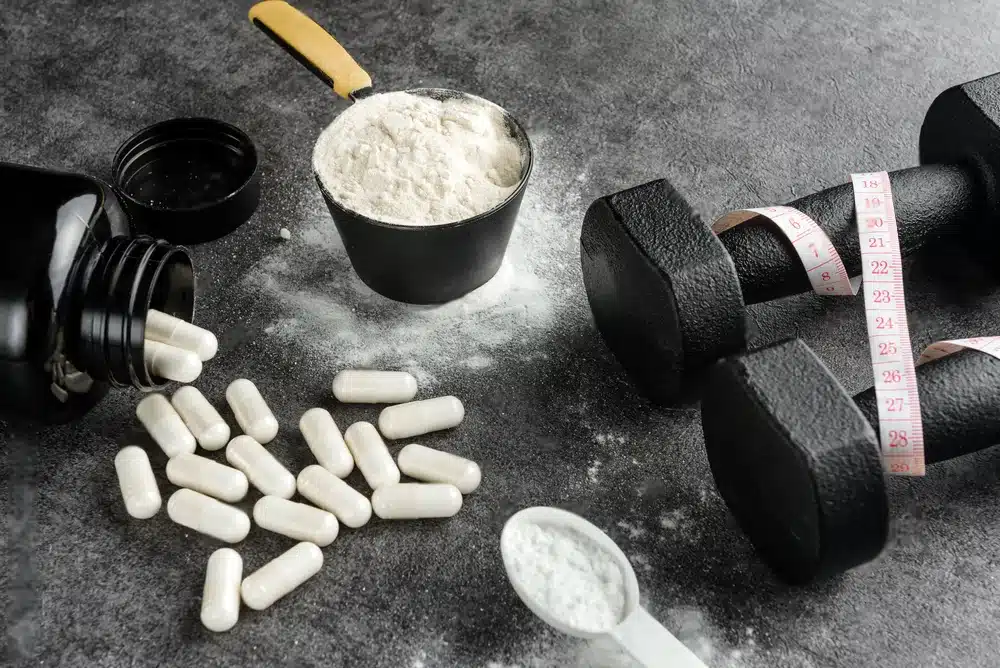
To minimize the likelihood of experiencing bloating while taking creatine, you can employ the following strategies:
1. Skip the Loading Phase
Instead of starting with a loading phase, begin with the standard daily dosage of 3-5 grams right from the outset. While the benefits may take longer to manifest (within three to four weeks), this approach reduces the risk of bloating.
2. Divide the Daily Dose
If you prefer to undergo the loading phase for faster results, consider dividing the daily creatine dose into multiple smaller portions. For instance, you can split a 20-gram dose into four or five equal doses, taken at intervals of a few hours:
- 7 AM: 4 grams
- 10 AM: 4 grams
- 1 PM: 4 grams
- 5 PM: 4 grams
- 9 PM: 4 grams
This method allows your stomach to process each dose more effectively, reducing the likelihood of bloating or nausea while still saturating your muscles with creatine within a shorter period (less than a week).
3. Consider formulation and timing
Choosing between creatine pills or powder and deciding whether to take it as a pre-workout supplement are additional factors to consider. It is also essential to determine whether mixing creatine with protein powder is acceptable. Exploring these aspects can help tailor your creatine supplementation to your preferences and specific goals.
Will the Bloating from Creatine Go Away?
Yes, the temporary water weight that comes with using creatine will disappear once you stop taking the supplement. This extra water in your body is not the same as gaining body fat or actual bloating; you don’t need to worry about it in the long term. When you stop using creatine, your body’s water balance will return to normal over time.
How Much Water Should I Drink with Creatine?
It’s a good idea to drink an extra 8-16 ounces (about 240-480 milliliters) of water every day when you’re taking creatine. This helps support the benefits of the supplement and keeps you well-hydrated.
Drinking enough water helps remove waste from your body, keeps your muscles working well, and promotes overall health. Remember, staying hydrated is important for reaching your full fitness potential.
The Recommended Form of Creatine Supplement to Prevent Bloating
If you’re worried about water retention and potential bloating, opting for creatine monohydrate is best. This type of creatine is widely considered safe and effective, supported by numerous scientific studies.
To avoid any unwanted side effects or uncertainty, it’s advisable to steer clear of experimental or lesser-known forms of creatine that lack sufficient evidence or may have undesirable effects.
By selecting creatine monohydrate from a trustworthy brand, you can maximize the benefits of creatine while minimizing the temporary water retention that can occur.
Excessive hydration can also cause digestive issues like nausea or vomiting, so striking a balance is essential.
Remember, it’s always wise to consult a doctor for personalized advice on the best supplement option that suits your body’s needs.
You may like to read: In-depth Guide on Collagen Supplement
What Are the Other Side Effects of Creatine?
Possible side effects of taking excessive amounts of creatine include:
- Stomach Discomfort: Some individuals may experience digestive issues such as stomach discomfort or upset stomach.
- Dehydration: Creatine can draw water into the muscles, potentially causing dehydration if adequate fluid intake is not maintained.
- Dry Mouth: Excessive creatine consumption may contribute to a sensation of dryness in the mouth.
- Muscle Cramps: In rare cases, high doses of creatine may be associated with muscle cramps or muscle strains.
- Hair Loss: There have been anecdotal reports of hair loss in individuals using creatine, but scientific evidence supporting this claim is limited.
- Potential Organ Damage: Although rare, prolonged and excessive use of creatine has been linked to potential kidney and liver damage. It is important to follow recommended dosages and consult a healthcare professional if you have pre-existing kidney or liver conditions.
Benefits of Taking Creatine
If you’re regularly taking creatine, you’ll also get some benefits. Let’s check them below.
Increased muscle strength and power
Scientific studies have demonstrated that taking creatine supplements can enhance an individual’s ability to lift weights and perform explosive movements, improving overall strength and power.
Enhanced Exercise Performance
Creatine serves to augment muscle energy, bolstering stamina during workouts and enabling individuals to undertake more demanding exercises, leading to enhanced performance outcomes.
Improved Muscle Growth
Consistent utilization of creatine promotes protein synthesis, a vital muscle repair and growth process. This contributes to developing well-defined and sculpted muscles, fostering an aesthetically pleasing physique.
Accelerated Muscle Recovery
Creatine has been found to mitigate muscle damage and inflammation, facilitating quicker post-workout recovery. This aids in reducing downtime between sessions and minimizing the risk of overtraining.
Potential Cognitive Benefits
Some studies suggest that creatine supplementation may positively affect cognitive abilities such as memory and intelligence. However, further research is required to validate these findings conclusively.
Medical Applications
Creatine has shown promise in treating various medical conditions, including Parkinson’s disease, muscle disorders, and depression. However, additional research is necessary to establish its effectiveness in these areas fully.
Other Causes of Stomach Bloating
Creatine isn’t always the culprit for bloating. There are more reasons behind it. Let’s check out.
- Gas: Excess intestinal gas from gut bacteria fermenting carbohydrates can cause bloating.
- Digestive Contents: The build-up of solids, liquids, and gas in the digestive system due to constipation, bowel obstructions, or motility disorders can lead to bloating.
- Hormones: Fluctuations in estrogen and progesterone levels can cause water retention, intestinal gas, and affect visceral sensitivity, resulting in bloating.
- Other Causes: Digestive and hormonal factors can contribute to bloating that comes and goes. Severe medical conditions like ascites, pancreatic insufficiency, inflammation of the stomach or intestines, and certain cancers can also cause bloating.
Read Also: List of Food to Help Muscle Gain
Final Words
So, that’s everything on – does creatine make you bloated?
Overall, the incidence of bloating from creatine supplementation is relatively low, and any bloating that does occur is typically temporary and mild. If you have concerns about bloating or other potential side effects, it is advisable to consult with a healthcare professional.
Disclaimer: This content is for informational purposes only and does not replace professional medical advice, diagnosis, or treatment. This information is not comprehensive and should not be used to make health or well-being decisions. Consult a qualified healthcare professional with questions about a medical condition, treatment options, or health regimen. This website or the content should never replace professional medical advice.