Ramp work moves fast, and the procedures behind it keep changing more than expected. Managers rewrite their standard operating procedures, or SOPs, after incidents and audits, and again whenever new equipment arrives.
Training often lags a few steps behind, and that gap is where mistakes begin. A trainer fixes a CPaT program on screen, while a printed binder waits for a full reprint. That kind of flexibility matters when one procedure change affects dozens of employees overnight. A quick look at where the drift starts can save a lot of trouble.
Where Training Drifts From Procedure
Drift usually starts when a procedure changes but the classroom lesson stays the same. New hires then learn the old way, and veterans pass along their own shortcuts. Within months, two crews on the same ramp may follow two very different methods. Once trainers move ramp crews to eLearning, a single lesson edit reaches the whole team right away. Everyone then trains on the same updated steps, no matter which shift they work. Out on the ramp, a supervisor coaches from one set of steps instead of debating whose method is right.
What Ramp Audits Look For
Auditors often watch real work and then ask crew members to explain each step. They also review training records to confirm every single employee completed the right courses. Gaps appear quickly when the observed method does not match the current written procedure. Records showing an old lesson version can raise questions about the entire training program. If a manager hands the inspector a signed record with the lesson date, the questions usually end quickly. A ramp supervisor with tidy files barely looks up when an inspector walks onto the ramp unannounced.
The Real Price of Outdated Lessons
Delays are often the first cost, since confused crews slow down turnarounds and pushbacks. Damage to aircraft and ground equipment can follow when steps get skipped or reordered. Injuries cost the most because a single slip beside a running engine can change a worker’s life. Afterward, the manager spends the next few days in investigation meetings instead of running the shift. Morale suffers too, because crews dislike being corrected on rules nobody ever taught them. A trainer needs one afternoon to fix an outdated lesson, but a damaged aircraft keeps costing money for months.
How Modern Courses Keep Pace
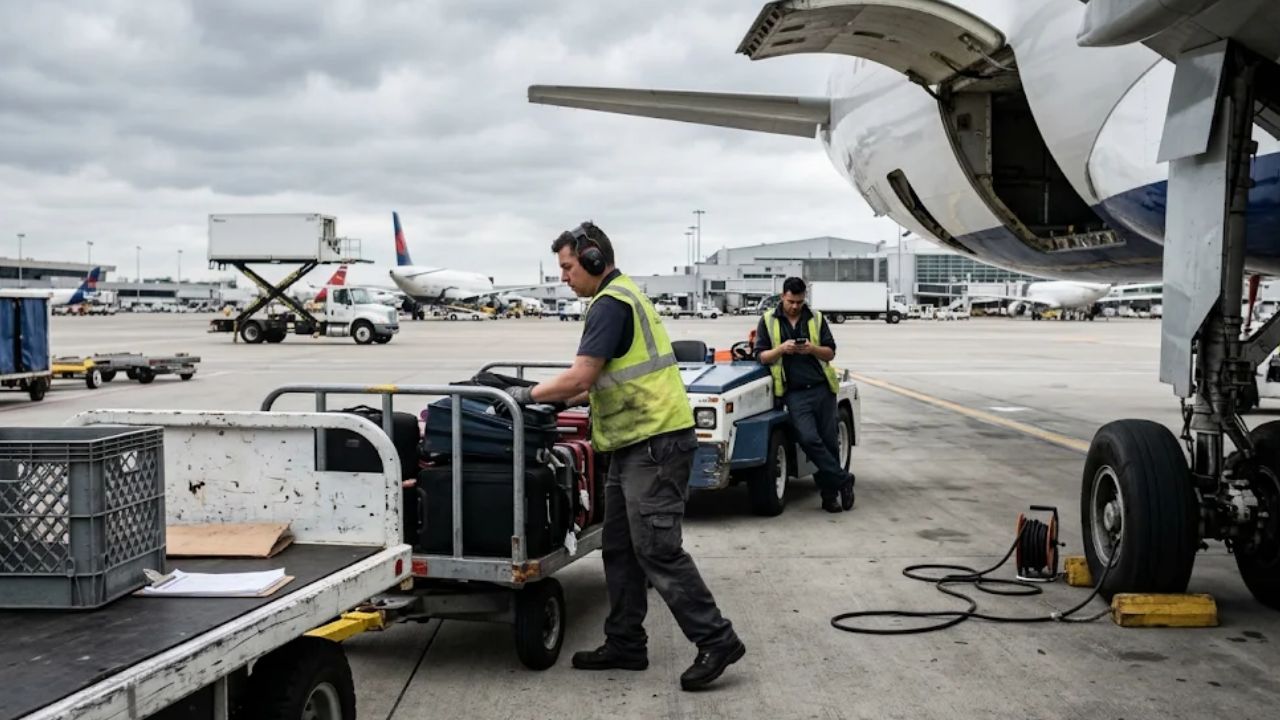
Online courses let trainers edit a lesson once and publish it to everyone immediately. Crews can study between shifts, which beats pulling a full team off the ramp. After a short video on loading bags correctly, a crew member takes a quick quiz to check what stuck with them. Learners get instant feedback, which beats waiting weeks for a supervisor to spot errors. Automatic records show who finished what, so managers can answer audit questions in minutes. Hands-on coaching still matters, and online lessons prepare crews before that coaching begins.
Building a Steady Review Habit
Good training needs a clear owner who checks every course against current procedures regularly. Start with a simple list matching each lesson to its SOP and review date. Whenever an SOP changes, update the related lesson before the next class even begins. Ask ramp employees which lessons feel outdated, since they spot mismatches before managers do. Run a mock audit every quarter using the same questions an inspector would ask. Each small fix you catch now is one less surprise waiting down the road.
Where to Start Today
Let’s be real: nobody notices training until something goes wrong out on the ramp. By then, the lesson that could have prevented it is probably several years old. You don’t need a giant project to change that, just a short, regular check. Grab one SOP this week and see if its lesson still matches the steps. If it doesn’t, fix it now and tell your crews what changed and why. That small habit can keep a quiet Tuesday from turning into a loud audit.