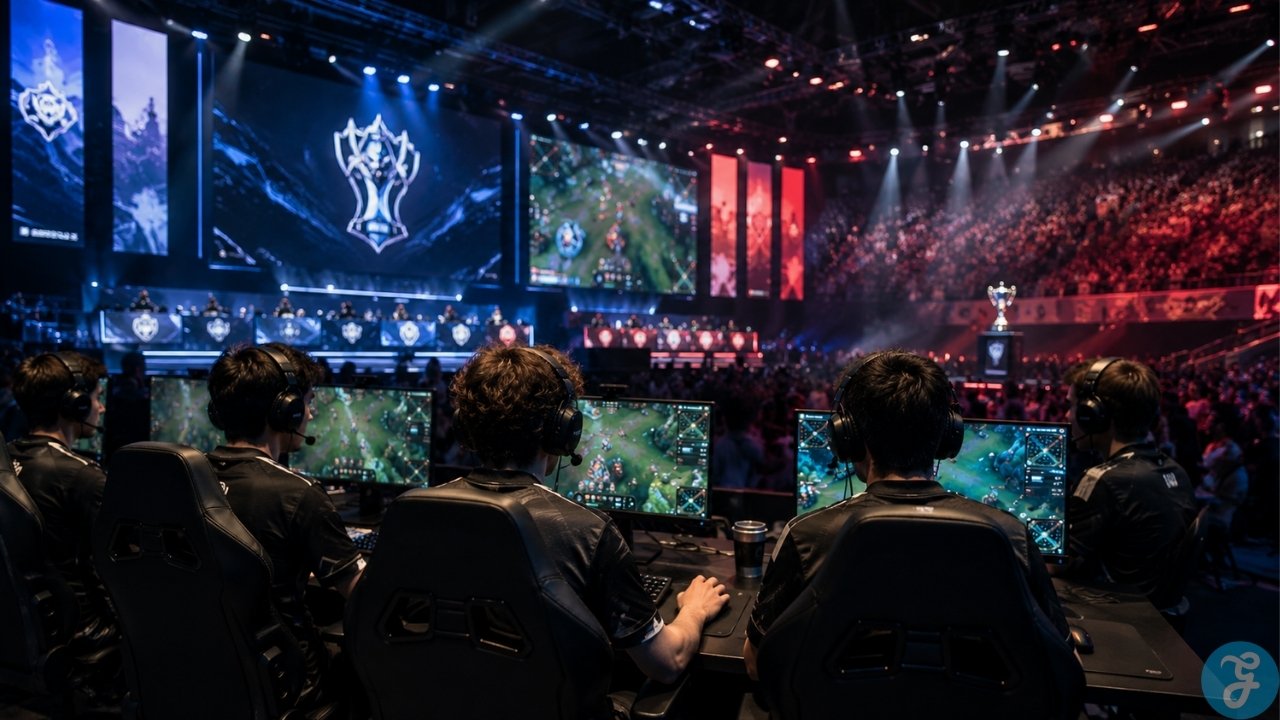
On broadcast, a professional esports team appears as five or six players sitting on a stage wearing matching jerseys. Behind that live stream, however, exists a multi-million-dollar corporate enterprise managing global logistics, athlete health, talent acquisitions, and multi-platform media production. Modern esports organizations function less like casual gaming clubs and more like technology-driven sports entertainment franchises.
To understand how esports teams operate at an elite level, it is necessary to look past tournament stages and examine the complex operational infrastructure that supports player performance, content monetization, and multi-game roster expansion.
Multi-Title Ecosystems: How Esports Teams Operate Across Multiple Games
Top-tier organizations—such as Team Liquid, Fnatic, Cloud9, and T1—rarely compete in a single game. Instead, they run multi-title operations managing separate rosters across games like League of Legends, Counter-Strike 2, VALORANT, Dota 2, and Apex Legends simultaneously.
At the executive level, centralized departments handle administrative functions across all teams:
-
Central Corporate Shared Services: Human resources, legal counsel, corporate finance, and commercial sales operate globally across the brand.
-
Title-Specific General Managers (GMs): Each game division employs a dedicated General Manager who oversees roster construction, budget allocation, and developer communications for that specific ecosystem.
-
Brand Amplification: Cross-game presence insulates the broader business if interest in a single video game title declines or a specific roster undergoes a losing streak.
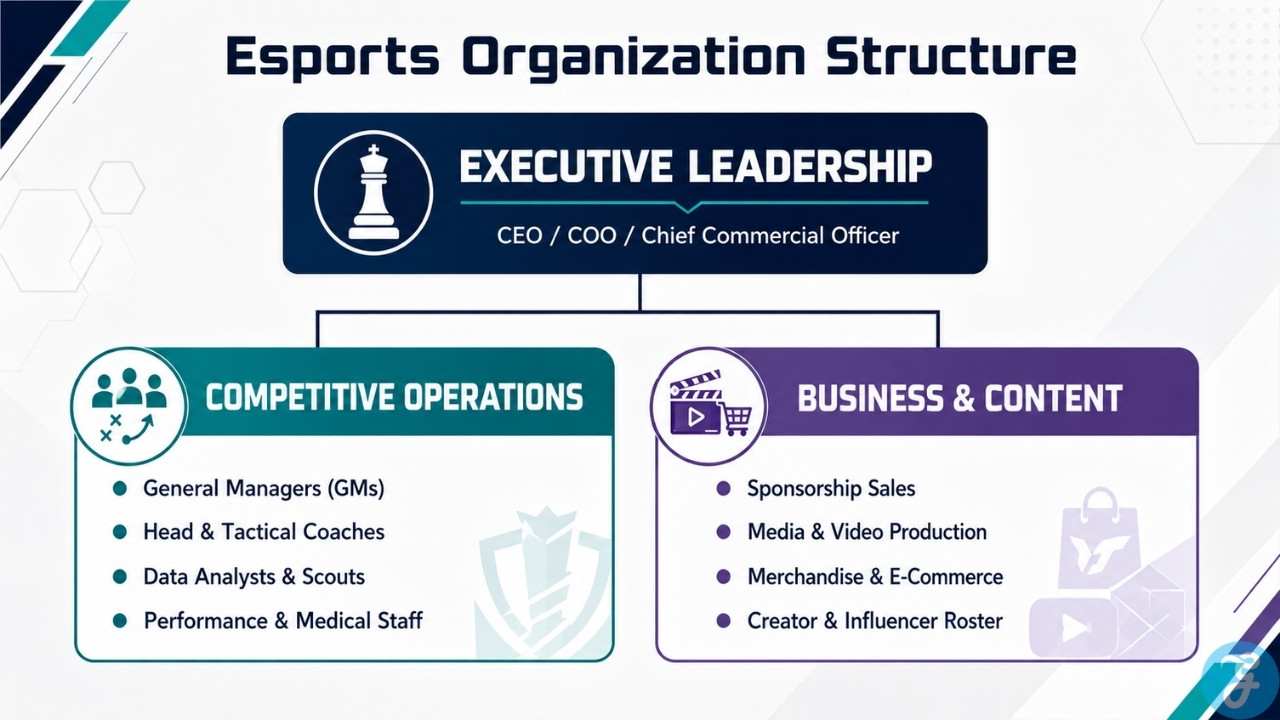
Competitive Operations: How Esports Teams Operate Coaching and Roster Staff
The days of five players training alone in a basement are over. Modern competitive divisions rely on structured backroom staff designed to maximize athletic performance and tactical readiness.
1. Coaching and Tactical Staff
Head coaches oversee macro strategy, pick-ban phases during matches, and overall team discipline. They are supported by tactical coaches and remote video analysts who process telemetry data and break down opponent playbooks frame by frame. An In-Game Leader (IGL) or captain works directly with the coaching staff to execute these strategies in real time.
2. Performance and Wellness Teams
Competitive gaming places severe physical and cognitive demands on players. Organizations employ physical therapists, sports psychologists, and nutritionists to address ergonomic strain, burnout, and mental fatigue. Regulating sleep schedules, physical exercise, and hand-eye dexterity routines is now standard practice before major LAN competitions.
3. Team Managers and Operational Coordinators
Behind the scenes, team managers handle travel logistics, passport and visa documentation, hotel bookings, bootcamp arrangements, and daily scheduling. This allows players to focus entirely on practice matches (scrims) without administrative distractions.
Talent Acquisition, Contracts, and Player Mobility
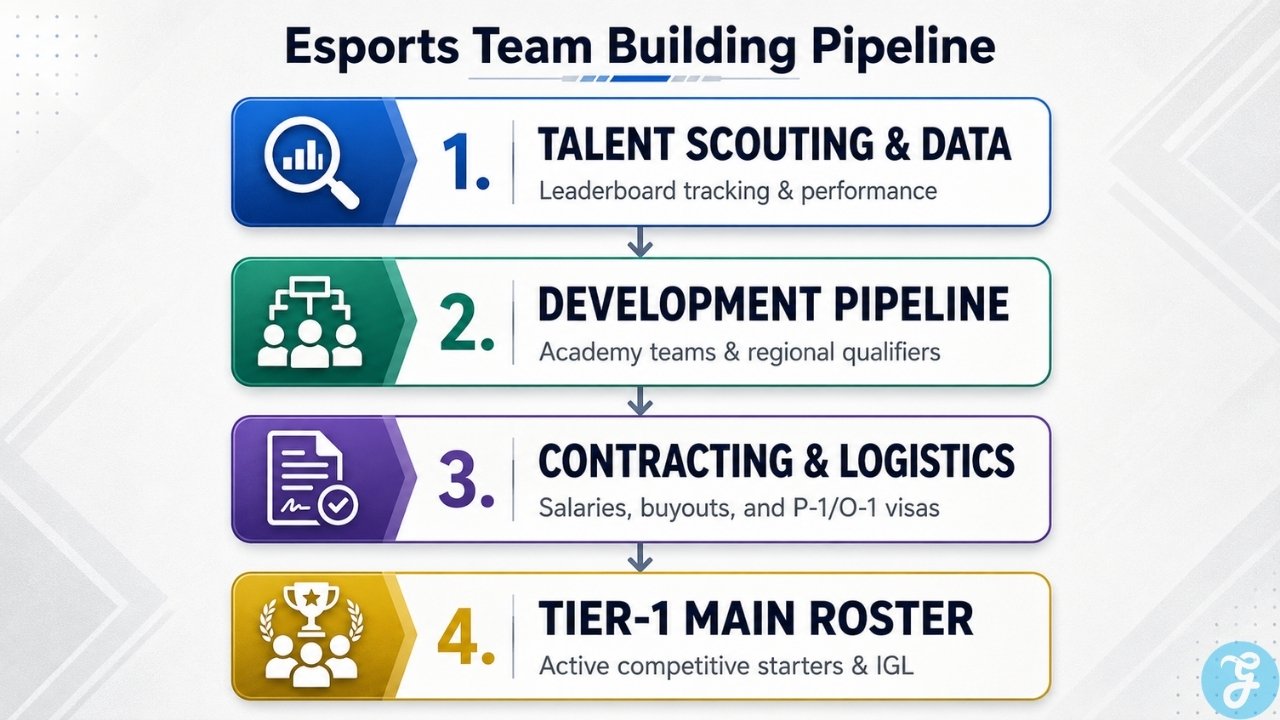
Constructing a championship-winning roster requires a balance of data-driven scouting, clear legal frameworking, and global mobility management.
Scouting and Academy Pipelines
Organizations recruit players by analyzing high-tier ranked leaderboards, third-party analytics platforms, and regional amateur tournaments. Many Tier-1 organizations operate secondary Academy Teams or developmental rosters. These rosters compete in lower-tier leagues to groom emerging talent, providing a direct pipeline to the main team while creating valuable transfer assets.
Player Contracts and Visa Logistics
Professional player contracts include base salaries, performance bonuses, prize-money splits, stream revenue sharing, and buyout clauses. Because teams recruit talent globally, organizations maintain dedicated legal teams to secure athletic visas (such as P-1 or O-1 visas in the United States) to ensure international players can legally live and work in their operating regions.
Content Synergy: Bridging Competitive Rosters with Media Production
A fundamental key to understanding how esports teams operate sustainably is recognizing that top organizations operate as hybrid media companies. Competitive success builds the brand, but content monetization sustains the business.
In-House Content and Video Production
Organizations maintain dedicated video editors, thumbnail artists, and social media managers who travel alongside the players. Behind-the-scenes vlogs, documentary series, and challenge videos convert competitive fan loyalty into high YouTube and social media view counts, providing valuable impressions for corporate sponsors.
Creator Rosters and Brand Ambassadors
To maintain steady audience engagement during competitive off-seasons, organizations sign popular content creators and full-time streamers. These influencers generate continuous ad and sponsorship revenue while keeping the organization’s brand visible across platforms like Twitch and YouTube.
Physical Infrastructure: Training Facilities and Operational Headquarters
The industry has largely shifted away from traditional “gaming houses”—where players lived and trained under the same roof—toward dedicated corporate Training Facilities.
| Facility Area | Operational Purpose |
| Dedicated Scrim Rooms | Soundproof rooms built to mirror exact tournament stage conditions and network setups. |
| Broadcast Studios | Professional production spaces for sponsor activations, podcasts, and creator streams. |
| Wellness Suites | Gyms, recovery areas, and dining spaces overseen by team nutritionists and physical trainers. |
| Corporate Offices | Workspace for executive, sales, marketing, and legal staff separate from player practice areas. |
This separation of work and living environments promotes professional discipline and reduces interpersonal burnout among players.
Operational Challenges: Financial Overhead and Roster Instability
Operating a modern esports organization involves significant structural challenges and financial risks.
-
High Salary Overhead vs. Revenue Volatility: Player compensation rose sharply during capital-flush investment years. Organizations must carefully manage operating costs to balance player payroll with fluctuating sponsorship revenue.
-
Short Career Lifespans and Roster Turnover: Player performance can drop rapidly due to meta changes, wrist injuries, or mental fatigue. Managing constant roster updates while upholding contract commitments requires ongoing financial flexibility.
-
IP Dependency on Game Publishers: Unlike traditional sports leagues, game developers own the underlying intellectual property. Sudden changes in league rules, publisher licensing fees, or competitive formats can instantly impact an organization’s business model.
The Bottom Line
Understanding how esports teams operate reveals a sophisticated business ecosystem that balances high-stakes athletic competition with digital media production. By combining specialized coaching staffs, structured talent pipelines, state-of-the-art training facilities, and diversified revenue channels, modern esports organizations build the infrastructure required to compete and thrive on the global stage.
Frequently Asked Questions(FAQs) on How Esports Teams Operate
How many people work for a professional esports organization?
While a single starting roster usually consists of 5 to 6 players, a top multi-title esports organization often employs between 50 and 150+ full-time personnel across coaching, content production, sales, legal, and administration.
Do esports players still live in gaming houses?
Most major Tier-1 organizations have phased out living-working gaming houses in favor of dedicated training facilities. Players live in private apartments and commute to the headquarters for practice, promoting a healthier work-life balance.
How do esports teams manage players from different countries?
Organizations employ full-time operational coordinators and immigration attorneys to handle international athletic visas, language tutoring, cultural adaptation, and global tax compliance.