
Maintaining a consistent publishing schedule across multiple channels drains creative energy. Most generic prompts generate predictable, robotic copy because they lack specific constraints, target audience data, and stylistic parameters.
To build high-performing social copy, you must provide your language model with a clear role, strict structural limits, and precise contextual inputs. The following frameworks bypass generic outputs and deliver platform-ready updates.
Strategic Distribution Matrix
Before deploying individual text generation templates, map your content goals to specific platform mechanics. Different channels require entirely different narrative structures to trigger algorithmic reach.
| Platform | Core Focus | Primary Target Metric | Secondary Keyword Target |
| Visual Context & Micro-Blogging | Saves and Shares | Instagram caption AI | |
| X (Twitter) | Concise Thought Leadership | Reposts and Replies | Twitter post prompts |
| Professional Case Studies | Comments and Profile Clicks | Social media prompts |
The Complete List of 13 AI Prompts For Social Media Teams Rely On
Category 1: Instagram Caption AI and Visual Frameworks
Instagram demands clean formatting, engaging opening hooks, and clear instructions for the user. These prompts turn raw concepts into structured captions optimized for scanning on mobile devices.
1. The Educational Carousel Script
Prompt: Act as an expert copywriter specializing in Instagram caption AI generation. Create a 5-slide outline and a corresponding caption for an educational carousel post about [Insert Topic]. For each slide, provide the exact text to display on the graphic. Keep slide text under 12 words. Write a supporting caption that expands on the slides using short paragraphs, bullet points for readability, and no more than two emojis. End with a clear call to action asking the user to save the post for future reference.
2. The Behind-the-Scenes Brand Story
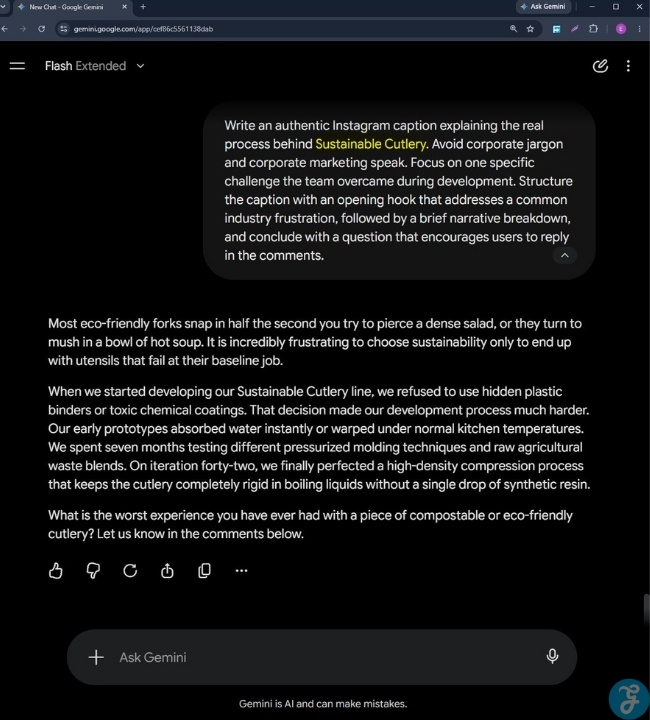
Prompt: Write an authentic Instagram caption explaining the real process behind [Insert Product or Project Launch]. Avoid corporate jargon and corporate marketing speak. Focus on one specific challenge the team overcame during development. Structure the caption with an opening hook that addresses a common industry frustration, followed by a brief narrative breakdown, and conclude with a question that encourages users to reply in the comments.
3. The Micro-Case Study Formula
Prompt: Take the following raw metric [Insert Client Result, e.g., 45% traffic increase] and turn it into a compelling Instagram narrative. The opening line must state the exact result clearly. Break down the three-step methodology used to achieve this result using bold headers for each step. Keep the overall tone professional and authoritative.
4. The Short-Form Reel Concept and Text Framework
Prompt: Generate a concepts and caption package for an Instagram Reel targeting [Insert Target Audience]. Provide a visual concept script for the first 3 seconds to act as the visual hook. Then, write a caption under 75 words that delivers a fast, singular tip related to [Insert Topic]. Include a call to action directing the user to read the full breakdown in our linked bio article.
Category 2: Twitter Post Prompts for High-Impact Scannability
Character limits demand absolute clarity. These configurations focus on formatting value-dense thoughts without unnecessary filler words.
5. The Tactical Value Thread Opener
Prompt: Act as a performance marketer writing Twitter post prompts. Draft a compelling opening tweet for a thread detailing [Insert Case Study or Strategy]. The hook must state a significant result or a contrarian observation without using exclamation points or hype words. End the first tweet with a clear transition phrase that signals a multi-part breakdown follows below. Keep the count strictly under 250 characters.
6. The 4-Part Step Breakdown Template
Prompt: Convert the following long-form text section [Paste Text Segment] into a sequence of four highly concise tweets. Every single tweet must stand alone as an individual piece of advice. Do not use conversational filler transitions like “Next up” or “Moving on.” Use clean line breaks to separate the main point from the supporting tactical takeaway in each post.
7. The Industry Contradiction Statement
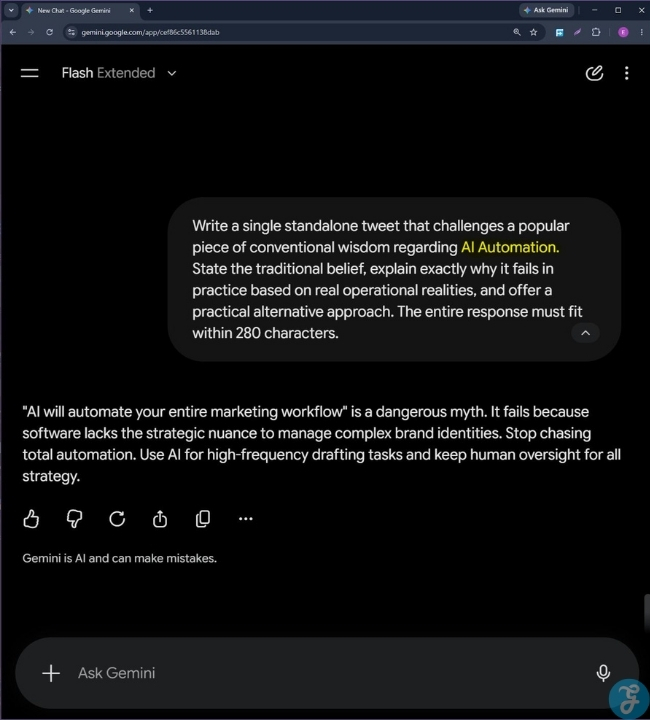
Prompt: Write a single standalone tweet that challenges a popular piece of conventional wisdom regarding [Insert Industry Topic]. State the traditional belief, explain exactly why it fails in practice based on real operational realities, and offer a practical alternative approach. The entire response must fit within 280 characters.
8. The Quick Metric Comparison
Prompt: Take these two competing data points [Insert Metric A] and [Insert Metric B] and format them into a highly scannable comparative text post. Use a clear vertical list structure to contrast the two approaches. Conclude with a single sentence summarizing the core operational lesson learned from the data.
Category 3: Multi-Platform Social Media Prompts for Engagement
These cross-channel templates convert complex business ideas into conversational assets suitable for diverse digital communities.
9. The Analytical Book or Resource Summary
Prompt: Review the following summary notes from [Insert Resource or Book Title]. Extract the three most actionable frameworks that apply directly to [Insert Target Audience]. Format these insights as a comprehensive text update, using bold headers for the frameworks and a bulleted list for the implementation steps.
10. The Framework Explainer (Problem-Agitate-Solve)
Prompt: Use the Problem-Agitate-Solve copywriting framework to construct a highly engaging social media update regarding [Insert Product or Service Category]. Clearly define the hidden daily cost of ignoring the problem, amplify the operational friction it causes, and introduce the specific mechanism of our solution as the logical fix.
11. The Audience Poll Follow-Up Post
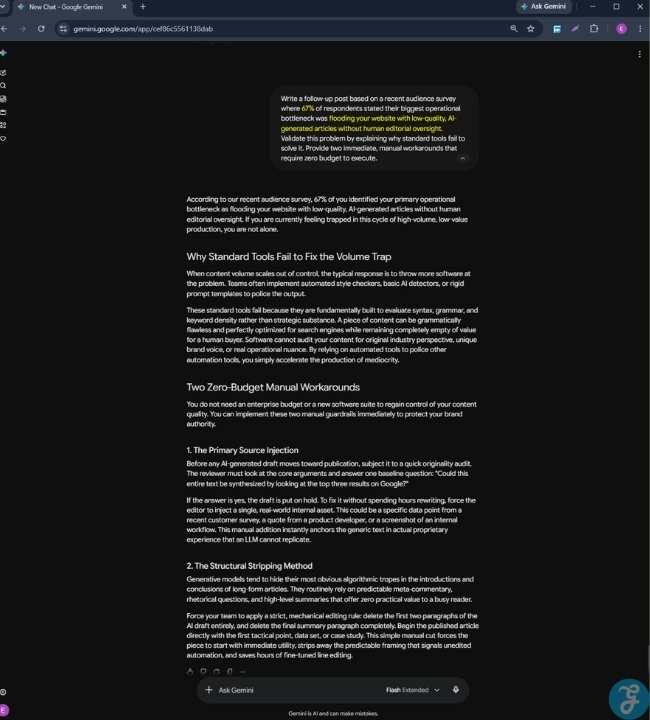
Prompt: Write a follow-up post based on a recent audience survey where [Insert Percentage] of respondents stated their biggest operational bottleneck was [Insert Challenge]. Validate this problem by explaining why standard tools fail to solve it. Provide two immediate, manual workarounds that require zero budget to execute.
Prompt: Create a high-converting teaser post for a new free asset titled [Insert Lead Magnet Title]. Instead of listing the features of the PDF, focus entirely on the immediate tactical skill the reader will gain within five minutes of opening the document. Do not include generic promotional phrases like “Grab your copy now.”
13. The Event or Webinar Synthesis
Prompt: Take the following raw transcript notes from our recent live panel discussion [Insert Key Takeaways] and synthesize them into a polished post. Group the main observations into three distinct areas of impact, highlighting what changes companies must make over the next quarter to stay competitive.
Refining the Output Quality
Even the most precise social media prompts require strict editorial control before publishing. Natural language systems regularly use generic transition phrases and repetitive adjectives that immediately alienate sophisticated professional audiences.
Enforce a strict review checklist on every generation: strip out corporate platitudes, replace passive assertions with active verbs, and verify that all technical terminology accurately reflects the day-to-day realities of your target market.