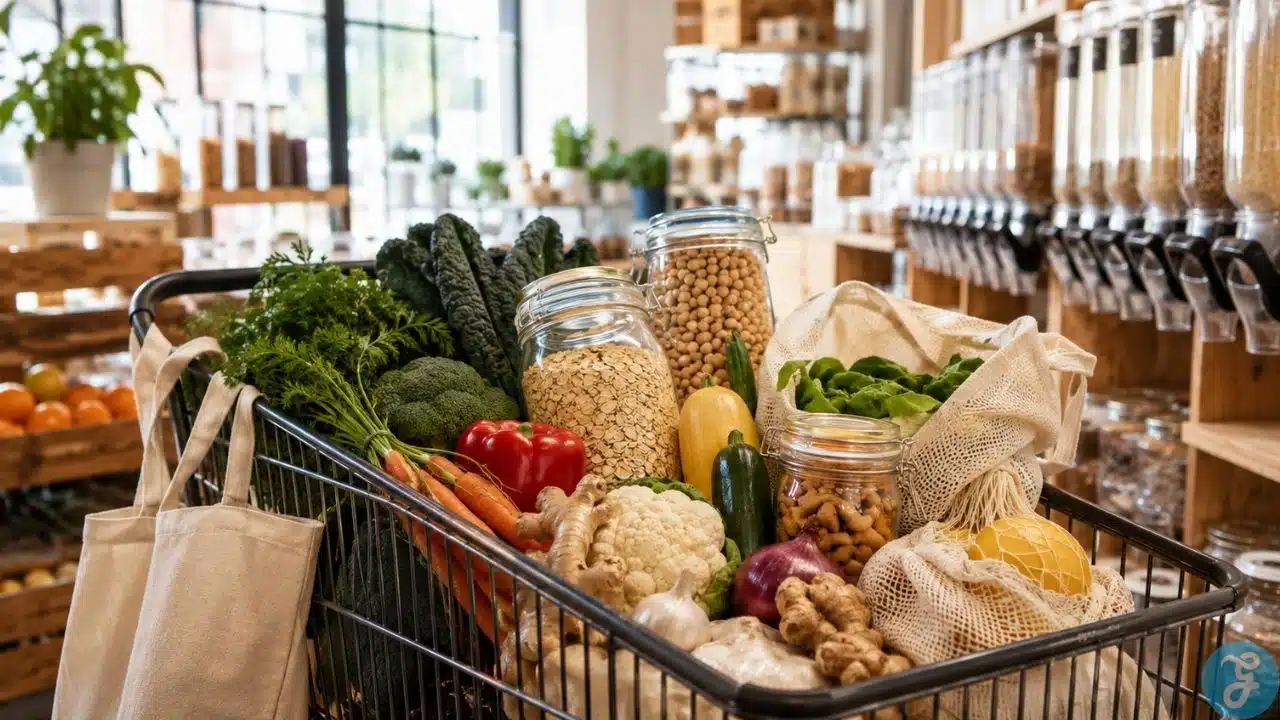
The modern grocery store is built for speed and shelf-life, not for the trash bin. Walk through any traditional supermarket aisle, and you are surrounded by a sea of multi-layered plastic pouches, shrink-wrapped produce, and cardboard boxes lined with plastic film. For anyone trying to reduce their household footprint, this setup turns an ordinary weekly errand into an exercise in frustration.
Transitioning to zero waste grocery shopping does not require an immediate, flawless lifestyle overhaul. It is not about finding a pristine, package-free boutique store where everything is stored in matching glass jars. For most households, especially busy families and homeowners balancing a budget, the shift is about learning how to audit a standard grocery store aisle, spot less obvious packaging options, and build a repeatable routine that stops trash from entering the kitchen in the first place.
The Reality of Our Packaging Problem
Most food packaging is designed to be used once and thrown away immediately. According to global municipal waste data collected by international development reports, food waste and its associated organic materials comprise over 38 percent of global municipal solid waste, but packaging materials like paper, cardboard, and plastics trail closely behind as massive components of what ends up buried in modern landfills.
In regions with high consumer consumption like European countries, official statistical reports show that packaging waste exceeds 177 kilograms per inhabitant annually, with plastic packaging remaining one of the hardest fractions to recover efficiently. United States environmental protection reports note that out of more than 14.5 million tons of plastic containers and packaging generated in municipal waste streams annually, overall recycling rates for plastics hover around 8.7 percent. The remaining millions of tons are either sent to landfills or incinerated.
These numbers highlight a structural system failure: recycling programs cannot keep up with the sheer volume of single-use items generated at the checkout counter. True waste reduction happens long before the municipal bin fills up. By changing how items are selected at the store, consumers can exert direct economic pressure on supply chains while keeping their own homes free of clutter.
Preparing Your Kit Without Buying Into Hyper-Consumerism
A common mistake is believing that reducing waste requires purchasing an expensive array of specialized organic cotton bags, stainless steel tiffins, and matching glass storage jars. True sustainability relies on using what you already own. An old glass pasta sauce jar functions just as well as an expensive designer canister, and an old backpack or canvas tote from a past conference works perfectly for carrying supplies.
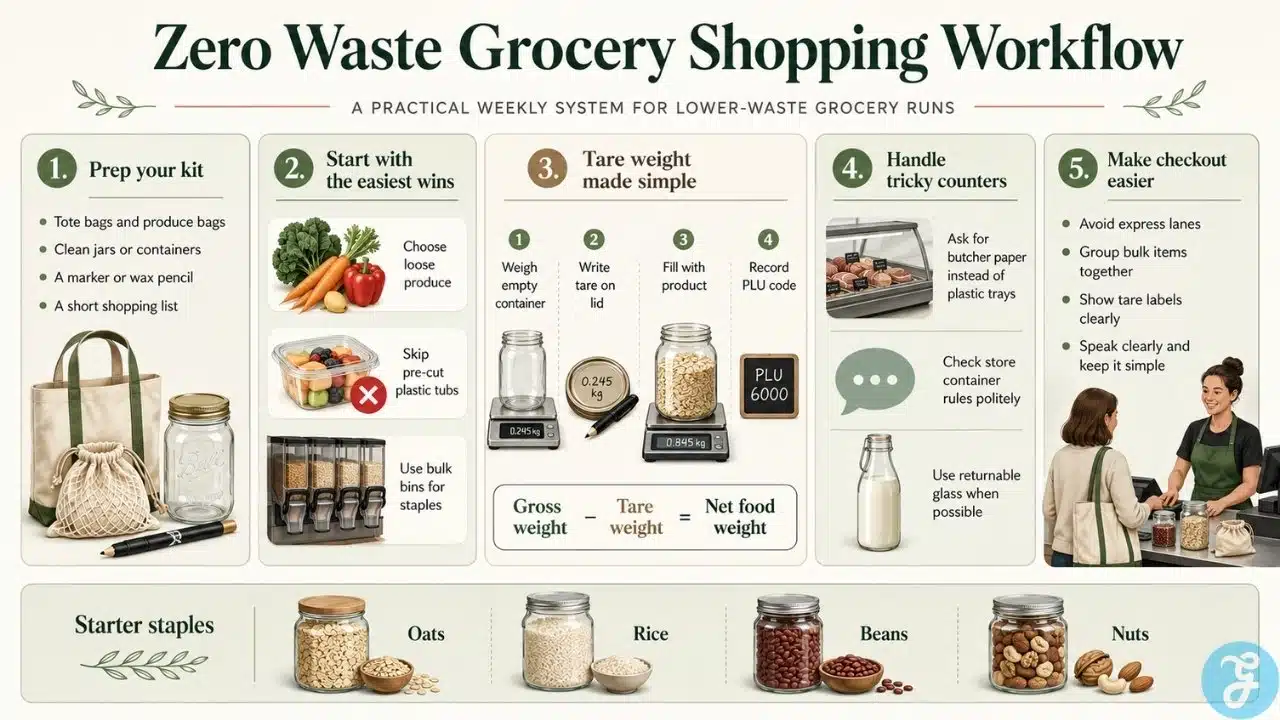
Before heading out to attempt package free shopping, organize a basic kit based on items already available around the home:
-
Totes and Reusable Bags: Gather sturdy canvas bags, old backpacks, or plastic grocery totes left over from previous store trips. Keep them near the front door or in the trunk of a vehicle so they are not left behind during spontaneous errands.
-
Lightweight Cloth Bags: Clean, old pillowcases, drawstring cloth pouches, or mesh laundry bags are perfect replacements for the thin plastic produce rolls found in the fruit and vegetable aisles.
-
Glass and Plastic Jars: Clean out empty peanut butter jars, pickle jars, or old food storage containers. Ensure they have tight-fitting lids to avoid accidental spills in transit.
-
Wax Pencils or Washable Markers: These are essential for writing down bulk product codes directly onto containers without relying on disposable paper stickers.
The Critical Step: Understanding and Calculating Tare Weight
If you plan to bring your own jars or heavy containers for bulk grocery shopping, understanding tare weight is non-negotiable. Tare weight is simply the weight of an empty container. If a scale is not zeroed out with the empty container on it first, you end up paying the per-pound or per-kilogram price of food for the weight of your own glass jar.
Because glass is heavy, failing to account for tare weight can easily add several dollars to an individual grocery bill, completely disrupting a household budget.
To handle tare weight correctly, use this simple balance: Gross Weight minus Tare Weight equals Net Weight of the actual food.
| Container Type | Average Tare Weight Range | Best Practice for Labeling |
| Standard Quart Glass Jar | 400 to 500 grams | Write permanently on the bottom or use a wax pencil on the side. |
| Stainless Steel Container | 150 to 250 grams | Use an engraved tool or a permanent label maker sheet. |
| Lightweight Cotton Mesh Bag | 20 to 40 grams | Often light enough for cashiers to ignore, but write weight on the tag just in case. |
When using a store’s electronic scale before filling your jars, place the empty container on the pad, hit the Tare or Zero button, and confirm the screen reads zero before adding food. If the store does not have customer-facing scales with a tare function, ask a cashier to weigh the empty jars and write the weight on the lid with a washable marker before heading into the aisles.
Every department within a grocery store presents its own set of obstacles and packaging traps. Managing sustainable groceries efficiently means altering how you look at each distinct section of the store.
The Produce Department
The produce aisle is generally the easiest place to find non-packaged options, but it contains hidden friction points. Many stores now wrap individual heads of broccoli, bundle celery in plastic bags, or sell potatoes exclusively in non-recyclable plastic mesh sacks.
To minimize waste here, skip the pre-cut, pre-washed plastic tubs of salad greens. They carry a premium financial markup and generate non-recyclable film waste. Instead, choose loose heads of lettuce, whole carrots, and unbundled vegetables.
Place them directly into your cart or use your lightweight cloth mesh bags. If you are buying large, thick-skinned items like watermelons, squashes, or citrus fruits, they do not require a bag at all—simply place them loose in the cart and let the cashier scan them individually.
Watch out for the regional sticky labels applied to every piece of fruit. While these small labels are not compostable and cause processing issues at municipal composting facilities, opting for loose produce still removes the vast majority of consumer plastic film from the environment.
The Bulk Foods Section
The bulk section is the core destination for zero waste grocery shopping. This is where you find dry goods, grains, nuts, and baking supplies stored in large gravity bins or scoop jars.
Select Clean Container ➔ Weigh and Record Tare ➔ Dispense Product ➔ Mark Bin PLU Code
When using gravity bins, pull the levers slowly. A sudden pull can cause a massive spill of small items like chia seeds or lentils, creating food waste right down the front of the bin structure.
Once your container is full, write the exact PLU bin number on the container using a wax pencil or a small piece of tape. Cashiers need this number to look up the correct pricing at the register. If you mix up the numbers or forget to write them down, you risk slowing down the checkout line or paying for a more expensive item by mistake.
The Meat, Seafood, and Deli Counters
The deli and butcher counters represent a major area of friction due to strict local health and safety regulations. In many jurisdictions, health codes strictly prohibit supermarket employees from taking a customer’s external container behind the counter glass to prevent cross-contamination.
Do not argue with counter staff if they refuse to put meat directly into your personal glass jar. Instead, ask if they can wrap the selection tightly in plain butcher paper instead of placing it on a styrofoam tray wrapped in plastic film. Plain unlined butcher paper is fully compostable in backyard setups or municipal collection bins.
If you live in an area with a local independent butcher shop or an independent food co-op, they are often much more flexible with container policies. They will weigh your clean stainless steel container or glass container on the scale, apply a printed label to the lid, and place the meat directly inside without violating internal store rules.
The Dairy and Cold Case Case Studies
Dairy items are almost universally packed in rigid plastics or wax-lined paperboard cartons that are difficult to recycle due to multi-material bonding. To navigate this:
-
Milk Alternatives: Look for local regional dairies that sell milk in traditional glass bottles. These programs require a small cash deposit at checkout, which is fully refunded when you bring the clean bottle back to the store for washing and reuse by the dairy processor.
-
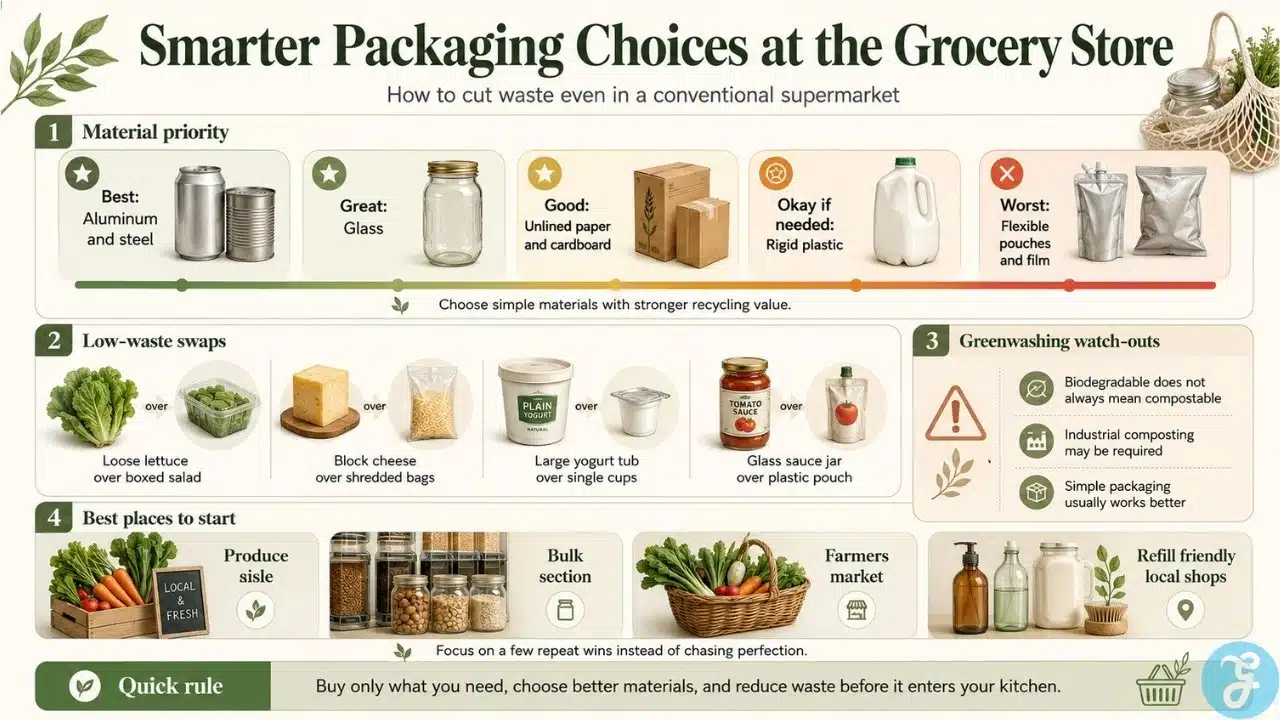
Yogurt and Sour Cream: These are incredibly difficult to find package-free. If you consume large quantities, choose the largest single container available, such as a 32-ounce tub, rather than individual 6-ounce cups. This drastically reduces the total surface area of plastic generated per ounce of food consumed. Alternatively, consider using a countertop incubator to batch-prepare yogurt at home using milk from returnable glass bottles.
-
Cheese: Avoid the pre-shredded cheese walls. Shredded cheese is coated in cellulose powder to prevent sticking and is always sealed in heavy plastic bags. Buy blocks of cheese directly from the service deli counter wrapped in simple paper, and shred it at home using a standard hand grater.
Not every neighborhood has a specialized zero-waste co-op or a local bulk boutique. Most consumers do their shopping at conventional, national-chain supermarkets where plastic is the default choice. However, you can still apply reduction strategies by making deliberate product switches.
The Material Hierarchy: Glass, Aluminum, and Paper over Plastic
When buying items that must come in packaging—like oils, vinegars, tomato sauces, or condiments—use a strict material priority hierarchy based on true recyclability:
-
Aluminum and Steel: Aluminum is infinitely recyclable without losing its material structural integrity. Aluminum cans are highly sought after by recycling processors because melting them down requires a tiny fraction of the energy needed to create raw metal from bauxite ore.
-
Glass: Like metal, glass can be recycled indefinitely without degradation. Even if your local municipality does not have a robust glass collection program, glass jars are highly durable and easy to sterilize for reuse in your home pantry.
-
Paper and Plain Cardboard: Unlined cardboard boxes (like those used for standard baking soda, salt, or dry pasta) are easily processed by paper mills or can be shredded directly into a home garden compost pile.
-
Rigid Plastics: If you must buy plastic, stick strictly to clear bottles or opaque milk-style jugs. These materials have the most stable global recycling markets.
-
Flexible Pouches and Film: Avoid stand-up zip pouches, crinkly plastic bags, and multi-layered foil packaging. These materials are technically impossible to sort and separate mechanically, meaning they are destined for the landfill immediately after use.
Best Choice: Aluminum and Steel ➔ Glass ➔ Unlined Paper ➔ Rigid Plastic ➔ Flexible Pouches: Worst Choice
Hidden Traps in “Eco-Friendly” Marketing
Be highly skeptical of products labeled with vague terms like biodegradable packaging or made from ocean-bound plastic. Many bioplastics made from cornstarch or sugarcane require specialized industrial composting facilities that operate at extremely high temperatures for multiple weeks to break down properly.
If your municipality does not run an industrial-grade composting collection system, these bioplastic items will not degrade in a standard backyard compost bin, and they cannot be placed in standard plastic recycling bins because they contaminate traditional petroleum-based plastic streams. Stick to simple, unrefined packaging materials rather than complex alternative materials that rely on advanced regional infrastructure.
Digital Directories and Practical Tools
Finding local resources for plastic-free shopping can be simplified by using digital crowd-sourced platforms. Rather than spending hours driving to different suburban retail centers, use specialized mapping tools to audit your area before leaving the house.
-
Go Zero Waste App: This platform acts as a localized digital map, helping users find neighborhood bulk stores, greengrocers, repair shops, and zero-waste markets across multiple countries. It relies on community additions to keep regional store data current.
-
Litterless Directory: A curated online guide for the United States that lists dedicated bulk stores, food co-ops, spice shops, and fluid refill stations where customers can use their own containers.
-
Local Harvest: While not explicitly a zero-waste platform, this global directory maps out local farmers’ markets, community-supported agriculture drop-offs, and farm stands. Buying directly from a grower almost completely eliminates the commercial logistics packaging used by corporate supermarket distributors.
Overcoming Practical Friction and Family Challenges
Maintaining a lower-waste household comes with real behavioral friction. Acknowledging these issues honestly prevents burnout and helps create a sustainable long-term routine.
The Financial Reality
There is a common perception that zero-waste options are inherently more expensive. This is partially true if you shop exclusively at high-end organic boutiques that stock specialty heritage grains. However, bulk grocery shopping can actually lower bills if used strategically for staple items.
Buying exactly the amount you need—whether that is two tablespoons of an expensive spice for a specific recipe or a single cup of wild rice—prevents excess food from expiring in your pantry. Focus your budget by buying bulk items for core staples (like oats, rice, flour, and beans) where the per-pound cost is competitive with conventional packaging.
Managing Household and Family Dynamics
For parents and homeowners, getting a family to embrace zero waste choices can introduce friction, especially with children who are highly responsive to targeted commercial marketing. Brightly colored cartoon boxes are explicitly engineered to capture a child’s attention in the grocery aisle.
To manage this without constant arguments, involve family members in the pantry organization process at home. Treat the transferring of bulk goods into large glass counter jars as a shared household activity.
Kids often enjoy using funnel tools to pour grains, snacks, and dried fruits into jars, and applying custom handwritten labels can build a sense of pride in the home pantry structure. Keeping snacks easily accessible in durable, clear glass jars also makes it simple for family members to see what is available without tearing through multiple half-empty plastic bags.
Checkout Social Friction
One of the largest hurdles for beginners is the anxiety of navigating the checkout lane with an assortment of custom containers. A long line of customers waiting behind you can make you feel rushed, especially if you encounter an untrained cashier who does not know how to input a custom tare weight into the register system.
To handle checkout friction smoothly, apply these basic courtesy strategies:
-
Choose the Right Lane: Avoid the express lanes or self-checkout kiosks if you are using custom containers or have a large assortment of loose bulk items. Use a standard cashier-operated lane where an employee has full access to the manual override scale menu.
-
Group Your Items: Organize your shopping cart methodically. Place all your pre-weighed bulk jars and loose produce together at the front of the conveyor belt. This allows you to explain your tare weights to the cashier right at the start of the scanning process.
-
Be Clear and Direct: Use straightforward phrasing when greeting the clerk. Say: “Hello, I brought my own jars today. The empty tare weights are written clearly right here on the lids so you can deduct them from the total weight.” Most cashiers are happy to accommodate if the information is legible and presented clearly.
Before Your Next Shopping Run: A Practical Checklist
To build consistency, save this basic operational checklist before heading out on your next supply run:
-
Audit the Pantry: Check existing kitchen stocks to prevent duplicate purchases of items that are already available.
-
Count Your Containers: Pack exactly enough reusable bags, cloth produce pouches, and tared jars for the items on your list, plus two extra bags for unexpected items.
-
Verify Tare Labels: Double-check that all glass jars have their empty weights written legibly on the side or bottom using a waterproof marker or wax pencil.
-
Pack a Marking Tool: Keep a wax pencil or a pen in your main market tote so you can write down bulk codes directly in the aisle without hunting for a store pencil.
-
Plan Your Route: Visit your local farmers’ market or bulk shop first for raw staples, then hit the conventional supermarket last for any specialized household items that cannot be sourced package-free.
Final Thoughts
Adopting a routine centered on zero waste grocery shopping is an ongoing process of small, deliberate adjustments rather than an all-or-nothing commitment. The goal should never be absolute perfection or the complete elimination of all personal trash within a single afternoon.
Instead, focus on managing your shopping habits so that you steadily reduce the volume of single-use plastics and non-recyclable films entering your home environment. By mastering the core mechanics of tare weight calculations, selecting loose products in the produce aisle, and prioritizing infinitely recyclable materials like aluminum and glass over flexible plastic pouches, you can build a practical, budget-conscious kitchen framework. This approach respects both your household resources and the broader environment over the long term.