Sleep products that help should make sleep easier, not make your bedroom look like a gadget showroom. The best sleep gear solves one clear problem: light, noise, heat, discomfort, dry air, phone distraction, stress, or poor wake timing.
I learned this after trying to “fix sleep” from the wrong direction. Buying something random rarely works. But matching the product to the problem can help. A sleep mask helps when light is the issue. A better pillow helps when neck support is the issue. A white noise machine helps when sound keeps breaking sleep.
That is the real rule. Do not buy sleep aids because they are popular. Buy them because they remove friction from your nighttime routine. For the corporate athlete, sleep is recovery. Long desk hours, mental pressure, screen work, workouts, and decision fatigue all need better rest. These products for better sleep also support the best healthy habits because sleep connects with focus, energy, mood, nutrition, hydration, movement, stress, and recovery.
The goal is simple: Fix the sleep environment before blaming yourself.
Why Sleep Products Only Help When They Solve the Right Problem
Sleep products only help when they match the thing that is actually disturbing your sleep. A cooling pillow will not fix late-night work stress. A white noise machine will not fix caffeine at 6 p.m. A sleep tracker will not fix a bedroom full of light and phone scrolling. That is why the first step is not shopping. The first step is noticing. What keeps you awake? What wakes you up? What makes the morning feel rough? Is the room too hot? Is outside noise breaking sleep? Is light coming through the window? Is your pillow making your neck stiff? Is your phone pulling you into another hour of scrolling?
The best sleep aids are usually simple. They improve the sleep environment or protect the nighttime routine. Blackout curtains reduce light. Earplugs reduce sound. Cooling bedding reduces heat discomfort. A supportive pillow improves body position. A sunrise alarm helps some people wake more gently.
The mistake is expecting products to replace habits. Sleep gear works better when paired with evening habits that improve sleep, such as a work shutdown ritual, lower lights, less deep scrolling, caffeine timing, and a consistent sleep window. A product should reduce friction. It should not add another thing to manage, charge, clean, track, or worry about unless it genuinely helps.
| Sleep Problem | Product That May Help | Habit That Should Support It |
| Too much light | Blackout curtains or sleep mask | Dim lights before bed |
| Noise | Earplugs or white noise machine | Reduce late-night stimulation |
| Room feels hot | Cooling bedding or breathable sheets | Keep bedroom cooler |
| Neck discomfort | Supportive pillow | Match pillow to sleep position |
| Phone distraction | Charging station or analog alarm | Keep phone away from bed |
| Harsh waking | Sunrise alarm clock | Consistent wake window |
| Dry air | Humidifier | Clean and maintain it properly |
| Stress at bedtime | Weighted blanket or wind-down tools | Brain dump and breathing routine |
| Sleep anxiety | Simple tracker used lightly | Avoid obsessive tracking |
A good sleep product should make the right habit easier to repeat.
What Makes a Sleep Product Worth Buying?
A sleep product is worth buying when it solves a specific sleep barrier, fits your routine, and does not create new problems. That sounds obvious, but many people skip this step. Before buying anything, ask three questions. What exact problem am I trying to solve? Will this product reduce that problem in a simple way? Can I use and maintain it consistently? If the answer is unclear, wait.
Good sleep gear should also be low-friction. If a product takes too much setup, makes noise, feels uncomfortable, needs constant charging, or disrupts your partner, it may not last. The best product is often the one you barely notice because it quietly improves the environment. Comfort matters too. A sleep mask may block light perfectly, but if it presses on your eyes, you will stop using it. A weighted blanket may feel calming to one person but too hot or heavy to another. A pillow may be expensive but still wrong for your sleep position.
Safety matters as well. Not every sleep aid suits every person. Weighted blankets are not right for everyone. Humidifiers need cleaning. Earplugs should fit well. Supplements and medications should not be treated like casual bedroom accessories. A smart purchase starts with the problem, not the trend.
| Buying Question | Why It Matters | Example |
| What problem does it solve? | Prevents random buying | Noise, light, heat, phone distraction |
| Will I use it nightly? | Checks real-life fit | Comfortable sleep mask |
| Is it easy to maintain? | Prevents friction | Washable mask or cleanable humidifier |
| Does it affect my partner? | Shared sleep matters | White noise volume or blanket weight |
| Is it safe for me? | Personal health matters | Weighted blanket or supplements |
| Can I test it simply? | Avoids waste | Try a basic version first |
| Does it support a habit? | Products work better with routines | Phone dock plus screen cutoff |
The right sleep product should feel like support, not another bedtime chore.
9 Sleep Products That Actually Help
These sleep products that help are chosen by problem type, not hype. Each one supports a real sleep need: darkness, quiet, comfort, temperature, wake rhythm, air quality, stress reduction, phone boundaries, or sleep awareness. You do not need all nine. Most people only need one or two. If your bedroom is bright, start with blackout curtains or a sleep mask. If noise wakes you, start with earplugs or white noise. If heat ruins sleep, start with breathable bedding. If your phone steals your final hour, start with a charging station or analog alarm.
The goal is not to turn sleep into a shopping list. The goal is to remove the biggest barrier first.
Sleep gear works best with better bedtime habits. A dark room helps more when you also dim lights earlier. A better pillow helps more when you avoid working in bed. A sunrise alarm helps more when your sleep window is consistent.
| Product | Main Problem It Solves | Best For |
| 1. Blackout curtains | Light pollution | Bright rooms and city living |
| 2. Sleep mask | Light control while traveling or sharing rooms | Travelers and renters |
| 3. Earplugs | Sudden or irregular noise | Light sleepers |
| 4. White noise machine | Background noise | Apartments, traffic, shared homes |
| 5. Cooling bedding | Heat discomfort | Hot sleepers |
| 6. Supportive pillow | Neck and shoulder discomfort | Side, back, and stomach sleepers |
| 7. Sunrise alarm clock | Harsh waking and dark mornings | Early risers and winter mornings |
| 8. Weighted blanket | Restlessness and comfort needs | People who like deep pressure |
| 9. Humidifier or air purifier | Dry air or air irritation | Dry rooms and allergy-sensitive sleepers |
1. Blackout Curtains
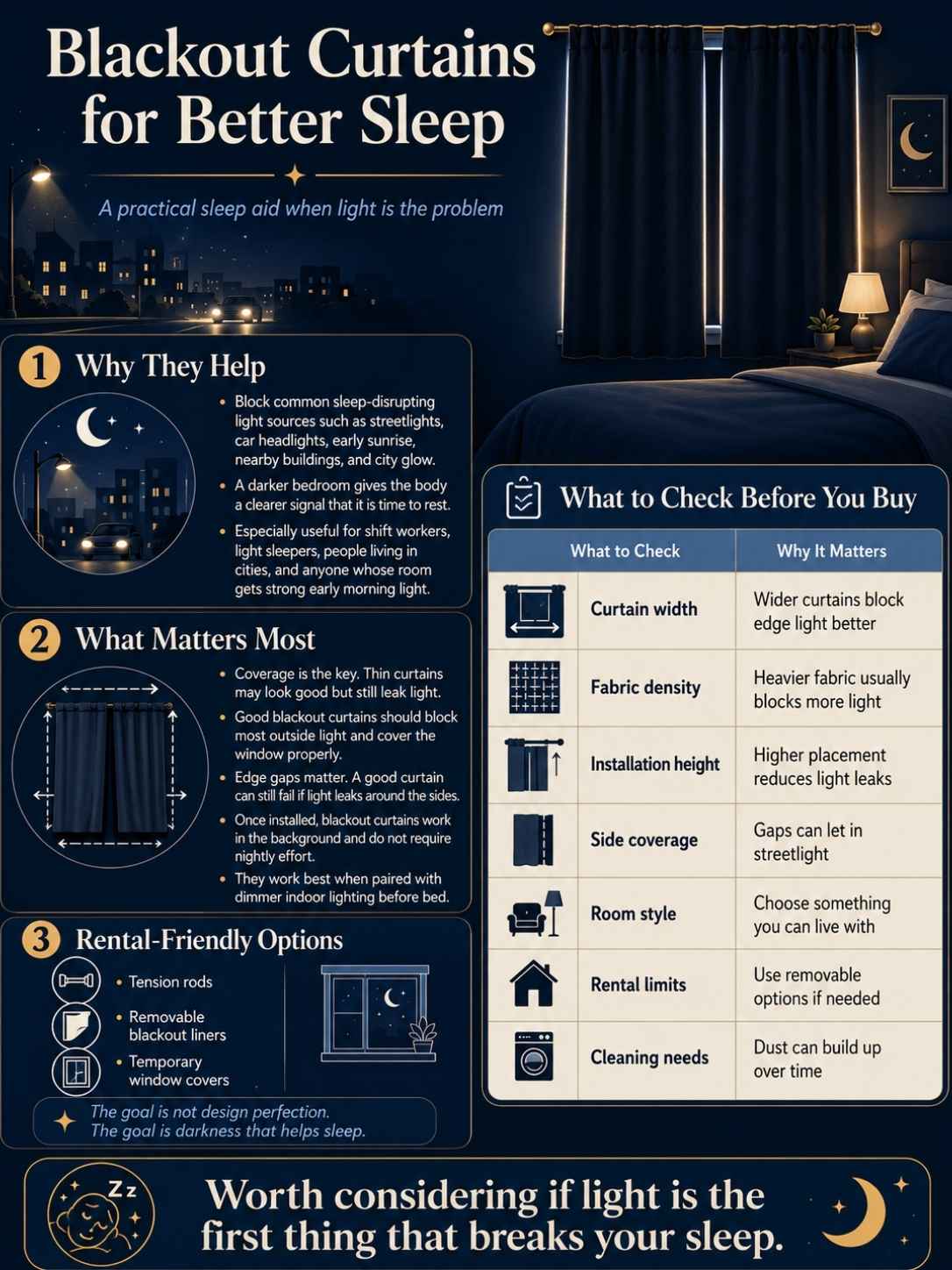
Blackout curtains are one of the most useful products for better sleep when light is the problem. Streetlights, car headlights, early sunrise, nearby buildings, and city glow can all make a bedroom less sleep-friendly. A dark bedroom sends a clearer signal that it is time to rest. This matters even more for shift workers, light sleepers, people living in cities, and anyone whose room gets early morning light.
The key is coverage. Thin curtains may look nice but still leak light. Good blackout curtains should block most outside light and cover the window properly. Pay attention to light around the edges too. Sometimes the curtain is fine, but the gap ruins the effect. This product is also helpful because it does not require nightly effort. Once installed, it works in the background. That makes it easier than relying on willpower.
If you rent and cannot install heavy hardware, use tension rods, removable blackout liners, or temporary window covers. The goal is not design perfection. The goal is darkness that helps sleep. Blackout curtains work best when paired with evening habits that improve sleep, especially dimming indoor lights before bed.
| What to Check | Why It Matters |
| Curtain width | Wider curtains block edge light better |
| Fabric density | Heavier fabric usually blocks more light |
| Installation height | Higher placement reduces light leaks |
| Side coverage | Gaps can let in streetlight |
| Room style | Choose something you can live with |
| Rental limits | Use removable options if needed |
| Cleaning needs | Dust can build up over time |
Blackout curtains are worth considering if light is the first thing that breaks your sleep.
2. Sleep Mask
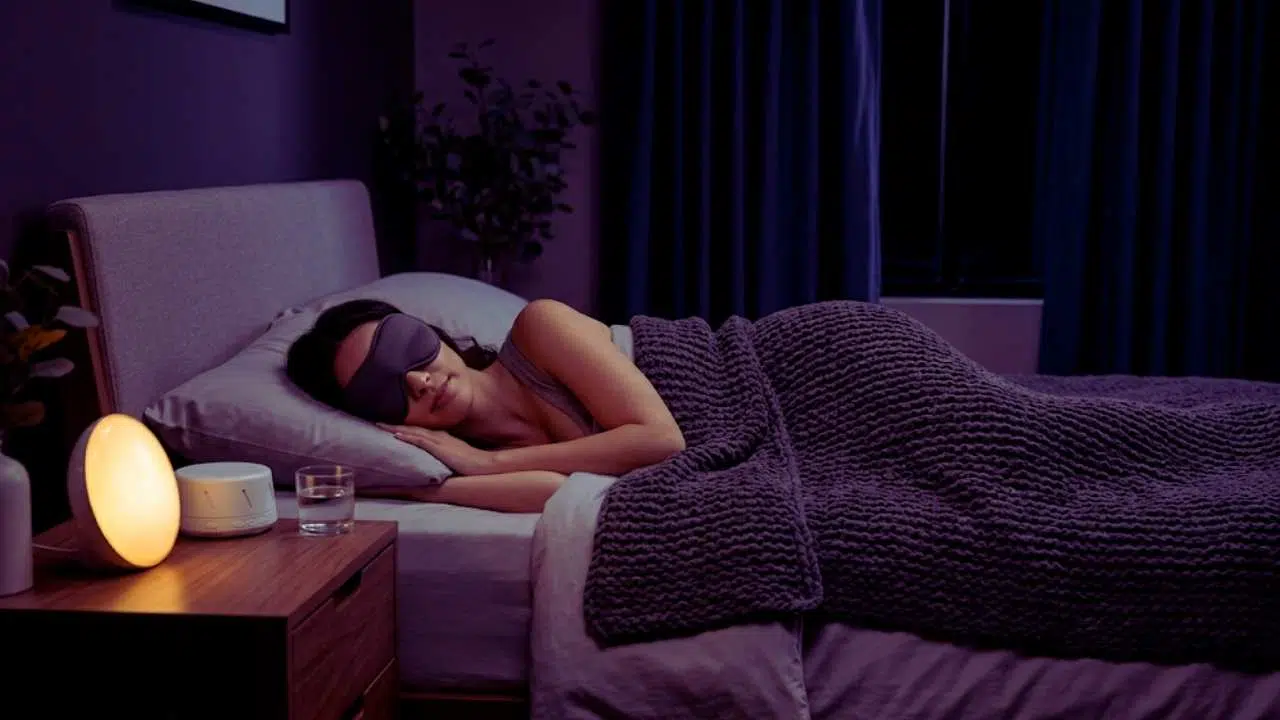
A sleep mask is a smaller, cheaper, and more flexible way to block light. It is useful when blackout curtains are not possible or when you travel. A good sleep mask should feel comfortable, stay in place, and block light without pressing hard on the eyes. Some people like flat masks. Others prefer contoured masks that leave space around the eyelids.
This product is especially helpful for travelers, renters, shift workers, people sharing bedrooms, and anyone who cannot fully control the room environment. The mistake is buying a mask only because it looks soft. Fit matters more than appearance. If it slips, pinches, traps too much heat, or presses on your eyes, you will not use it consistently.
Fabric matters too. Some people prefer silk-like materials because they feel smoother. Others prefer cotton or padded designs. If you sweat at night, breathability matters. A sleep mask is also a good backup product. Even if your bedroom is usually dark, it can help during travel, naps, power outages, hospital stays, or early sunrise seasons.
| Sleep Mask Feature | Why It Helps |
| Contoured eye space | Reduces pressure on eyelids |
| Adjustable strap | Improves fit |
| Soft fabric | Reduces irritation |
| Good nose coverage | Blocks light leaks |
| Breathable material | Helps hot sleepers |
| Washable design | Keeps it clean |
| Travel pouch | Makes it easier to carry |
A sleep mask is simple sleep gear, but for light-sensitive people, it can be a major upgrade.
3. Earplugs
Earplugs can help when sudden noise wakes you or keeps you alert. Dogs barking, traffic, neighbors, snoring, hallway noise, street sounds, and early morning activity can all disturb sleep. The best earplugs are the ones that fit comfortably. Foam, silicone, wax, and reusable filtered earplugs all feel different. Some block more sound. Some are better for side sleepers. Some are easier to clean. You may need to test a few types.
Earplugs should reduce noise without causing pain. If they hurt, push too deeply, or create pressure, they are not right for you. Fit and insertion matter. For side sleepers, low-profile earplugs may feel better. For people with sensitive ears, softer materials may help. For regular use, reusable earplugs need cleaning.
Earplugs are best for irregular or sharp noise. If your issue is steady background sound, a white noise machine may be more comfortable. Be careful if you need to hear alarms, children, medical devices, or safety sounds. In those cases, blocking too much sound may not be appropriate.
| Earplug Type | Best For | Watch Out For |
| Foam earplugs | Strong noise blocking | Proper fit matters |
| Silicone earplugs | Moldable comfort | Can feel warm |
| Wax earplugs | Soft seal | May not suit everyone |
| Reusable filtered earplugs | More controlled sound reduction | Need cleaning |
| Low-profile earplugs | Side sleepers | May block less sound |
| Travel earplugs | Hotels and flights | Keep extras ready |
Earplugs are small, but they can protect sleep when noise is outside your control.
4. White Noise Machine
A white noise machine helps by creating a steady background sound that can mask sudden noises. This can be useful in apartments, shared homes, city areas, dorms, hotels, and homes near traffic. The benefit is not that white noise “forces” sleep. It helps create a more consistent sound environment. Sudden noise often wakes people because the brain notices change. A steady sound can soften that contrast.
Some people prefer white noise. Others prefer pink noise, brown noise, fan sounds, rain, ocean, or soft natural sound. The best sound is the one that feels calming and does not annoy you after 10 minutes. Volume matters. It should be low enough to be comfortable. A machine that is too loud can become its own sleep problem.
White noise machines are also useful because they keep sleep audio separate from the phone. If you use your phone for sleep sounds, you may be tempted to check apps. A standalone machine avoids that trap. If you share a room, choose a sound both people can tolerate.
| Feature | Why It Matters |
| Sound options | Different people prefer different tones |
| Volume control | Prevents sound from becoming disruptive |
| Timer option | Useful if you do not want all-night sound |
| Continuous play | Helpful for all-night noise masking |
| Portable size | Useful for travel |
| No bright lights | Prevents bedroom light disturbance |
| Simple controls | Easier to use half-asleep |
A white noise machine works best when noise, not stress or caffeine, is the main sleep problem.
5. Cooling Bedding
Cooling bedding can help if heat makes you restless. Many people sleep worse when they feel too warm, sweaty, or trapped under heavy fabric. Cooling bedding does not always mean expensive technology. Sometimes the best fix is breathable sheets, lighter blankets, moisture-wicking fabric, a cooler pillowcase, or a seasonal bedding change.
Hot sleepers should look for materials that breathe well and feel comfortable against the skin. Cotton, linen, bamboo-derived fabrics, and some performance fabrics may work depending on preference. The best choice depends on climate, budget, and texture sensitivity. The mistake is buying cooling gear while ignoring the room. Bedding helps, but temperature, airflow, clothing, mattress type, and humidity also matter.
If you wake up hot, start by simplifying. Use lighter layers. Try breathable sleepwear. Keep airflow moving if possible. Avoid heavy bedding that traps heat. Cooling bedding pairs well with a cooler bedroom, earlier heavy meals, and calmer evening routines.
| Cooling Bedding Option | Best For | What to Notice |
| Breathable sheets | Hot sleepers | Fabric feel and airflow |
| Lighter blanket | Warm climates | Layer flexibility |
| Cooling pillowcase | Head and neck heat | Texture and washability |
| Moisture-wicking sleepwear | Night sweats or warmth | Comfort and breathability |
| Mattress protector | Mattress heat issues | Avoid plastic-like heat trapping |
| Seasonal bedding swap | Climate changes | Use lighter layers in hot months |
Cooling bedding helps most when heat is the real reason sleep feels broken.
6. Supportive Pillow
A supportive pillow can help if you wake with neck, shoulder, or upper-back discomfort. The right pillow keeps your head and neck in a more comfortable position for your sleep style. Side sleepers often need a pillow with more height to fill the space between shoulder and head. Back sleepers may need moderate support that does not push the head too far forward. Stomach sleepers usually need a thinner pillow, though stomach sleeping can be uncomfortable for some necks.
The mistake is assuming the most expensive pillow is the best pillow. Fit matters more than price. A pillow should match your body, mattress firmness, and sleep position. Material also matters. Memory foam, latex, down alternative, buckwheat, and adjustable-fill pillows all feel different. Adjustable pillows can be useful because you can add or remove filling.
If your pillow is old, flattened, lumpy, or causing discomfort, replacing it may help. But if pain is persistent, sharp, or worsening, get professional guidance. A better pillow works best with a better sleep setup. Do not work in bed with your neck bent, then expect the pillow to fix everything.
| Sleep Position | Pillow Need | Product Feature to Consider |
| Side sleeper | More neck support | Medium to higher loft |
| Back sleeper | Balanced support | Medium loft |
| Stomach sleeper | Less height | Thin pillow |
| Combination sleeper | Flexible support | Adjustable fill |
| Hot sleeper | Cooler surface | Breathable cover |
| Neck-sensitive sleeper | Stable shape | Contoured or supportive design |
| Allergy-sensitive sleeper | Washable or hypoallergenic option | Easy cleaning |
A pillow is not just comfort. It is part of your sleep posture.
7. Sunrise Alarm Clock
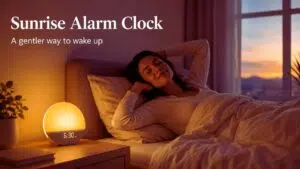
A sunrise alarm clock gradually brightens before the alarm time. For some people, this feels gentler than waking to a harsh sound in a dark room. This product can be especially useful in winter, dark rooms, early mornings, or for people who hate sudden alarms. It may also help create a more consistent wake cue.
A sunrise alarm does not replace morning sunlight, but it can support the transition from sleep to wakefulness. It is most useful when paired with a regular wake window and real light exposure after waking. The mistake is expecting a sunrise alarm to fix late nights. If you go to bed too late, drink caffeine late, or scroll for an hour before sleep, the alarm cannot solve the whole problem.
Look for simple controls, adjustable brightness, sound options, and no overly bright display at night. If setup is annoying, you may stop using it. For people who share a room, check whether the light will disturb someone else.
| Feature | Why It Helps |
| Gradual light | Gentler wake experience |
| Adjustable brightness | Fits different rooms |
| Sound options | Backup wake cue |
| Dimmable display | Avoids night light disturbance |
| Simple buttons | Easier to use |
| Sunset mode | Can support evening wind-down |
| Battery backup | Useful during power issues |
A sunrise alarm clock is most helpful when waking is the problem, not when bedtime is the real issue.
8. Weighted Blanket
A weighted blanket can feel calming for some people because it provides deep, steady pressure. Some users find it comforting during restlessness, stress, or a busy mind. But this product is personal. Some people love it. Others feel trapped, hot, or uncomfortable. It is not a universal sleep aid.
Weight matters. A blanket that is too heavy can feel unpleasant or unsafe. Many people choose a blanket based on body size and comfort, but personal preference still matters. If you feel restricted or overheated, it is not the right tool. Weighted blankets are not suitable for everyone. People with breathing issues, mobility limitations, certain medical conditions, heat sensitivity, or anyone who cannot remove the blanket easily should be careful and seek guidance if unsure. They are also not appropriate for infants.
A washable cover is useful because weighted blankets can be hard to clean. Breathable fabric matters if you sleep warm. This product works best as part of a wind-down routine, not as a replacement for sleep hygiene.
| What to Check | Why It Matters |
| Weight | Too heavy can feel uncomfortable |
| Breathability | Prevents overheating |
| Washable cover | Easier cleaning |
| Size | Should cover body comfortably |
| Fill distribution | Prevents bunching |
| Ease of removal | Important for safety and comfort |
| Personal comfort | Not everyone likes pressure |
A weighted blanket helps only if it makes your body feel calmer, not trapped.
9. Humidifier or Air Purifier
A humidifier or air purifier can help when the bedroom air itself is part of the sleep problem. Dry air, dust, allergens, smoke, pollution, or stuffiness can make rest less comfortable for some people. A humidifier adds moisture to dry air. This may help people who wake with dry throat, dry nose, or irritation in dry climates or during air-conditioned seasons. But humidifiers must be cleaned properly. A dirty humidifier can make air quality worse.
An air purifier can help reduce airborne particles in a room, depending on the filter type and room size. It may be useful for people sensitive to dust, pet dander, smoke, or pollution. It is not a cure-all, but it can support a cleaner sleep environment.
The mistake is buying one without identifying the problem. If your room is already humid, adding more moisture can make mold or dust mite issues worse. If dust is the issue, cleaning and bedding care matter too. Choose based on room size, noise level, filter cost, cleaning needs, and maintenance. A loud device may disturb sleep.
| Product | Best For | Maintenance Need |
| Humidifier | Dry air, dry throat, dry nose | Regular cleaning and water changes |
| Air purifier | Dust, smoke, pet dander, pollution | Filter replacement |
| HEPA-style filter unit | Particle reduction | Correct room size matters |
| Quiet purifier | Bedroom use | Low noise setting |
| Cool mist humidifier | General dry-room support | Cleaning is essential |
| Hygrometer | Checking humidity | Helps avoid over-humidifying |
Air-support products help only when air quality or dryness is truly part of your sleep issue.
Sleep Products I Would Be Careful With
Some sleep aids sound helpful but deserve caution. This includes supplements, strong sleep medications, alcohol, sedating products, and gadgets that promise too much. Melatonin is a common example. It may help some people in certain situations, such as jet lag or circadian timing issues, but it should not be treated like a casual nightly candy. Long-term safety questions, dosage differences, medicine interactions, and next-day drowsiness are real concerns. Anyone using it regularly should speak with a healthcare professional.
Alcohol is another false sleep aid. It may make some people feel sleepy at first, but it can disturb sleep quality later in the night. That makes it a poor tool for long-term rest. Sleep trackers can also become a problem if they create anxiety. Data can help some people notice patterns, but obsessing over a sleep score can make sleep feel like a performance test.
Be careful with products that promise instant insomnia cures. If poor sleep is persistent, severe, or affecting daily life, the answer may be medical support, therapy, sleep evaluation, or treatment for an underlying issue.
| Product or Habit | Why to Be Careful | Better Approach |
| Melatonin supplements | Not a casual long-term fix | Ask a professional if using often |
| Alcohol for sleep | Can reduce sleep quality | Build a real wind-down routine |
| Sedating products | May cause next-day effects | Use medical guidance |
| Overtracking sleep | Can increase anxiety | Track lightly |
| Expensive gadgets | May not solve the root problem | Fix light, noise, heat, routine first |
| Strong sleep claims | Often oversold | Look for evidence and real need |
Sleep products should support healthy habits, not hide a sleep problem that needs attention.
A Simple Bedroom Upgrade Plan
A bedroom upgrade plan should start with the most obvious sleep disruptor. Do not buy five products at once. Fix one problem, test the result, then decide what comes next. Start with light. If the room is bright, use blackout curtains or a sleep mask. Then check noise. If noise wakes you, try earplugs or white noise. Then check temperature. If heat bothers you, adjust bedding and airflow.
After that, check comfort. Is your pillow wrong? Is your bedding too heavy? Does the mattress feel uncomfortable? Are you waking with neck or shoulder pain? Then check your phone. If your phone stays beside your pillow, sleep gear may not help much. A phone charging station across the room or an analog alarm clock can protect your final hour better than another fancy product.
Finally, test one product at a time. Give it enough nights to judge. Sleep varies naturally, so one night does not tell the full story.
| Step | What to Fix First | Product Option |
| 1 | Light | Blackout curtains or sleep mask |
| 2 | Noise | Earplugs or white noise machine |
| 3 | Heat | Cooling bedding or lighter layers |
| 4 | Neck comfort | Supportive pillow |
| 5 | Harsh waking | Sunrise alarm clock |
| 6 | Phone distraction | Charging station or analog alarm |
| 7 | Dry air or particles | Humidifier or air purifier |
| 8 | Stress comfort | Weighted blanket or wind-down kit |
A smart bedroom upgrade starts with the problem that bothers you most often.
Beginner Mistakes When Buying Sleep Gear
The first mistake is buying sleep products before understanding the sleep problem. If your issue is late caffeine, no pillow will fix that. If your issue is work stress, blackout curtains may help the room but not the racing thoughts.
The second mistake is buying too much at once. When you change five things together, you cannot tell what helped. Start with one product and one habit.
Another mistake is choosing products only by popularity. A product may have strong reviews and still be wrong for you. Sleep masks depend on face shape. Pillows depend on sleep position. Weighted blankets depend on comfort preference.
Some people also ignore maintenance. Humidifiers need cleaning. Air purifiers need filter changes. Sleep masks and pillowcases need washing. Bedding needs regular care. If a product is hard to maintain, it may become useless.
Another common mistake is using sleep products while keeping the phone in bed. If scrolling is the real problem, buy a phone boundary before buying anything else.
Finally, people sometimes delay medical help. If sleep problems are chronic, severe, or linked to breathing issues, pain, anxiety, depression, restless legs, or heavy daytime sleepiness, get proper support.
| Mistake | Why It Hurts | Better Habit |
| Buying without identifying the problem | Product may not help | Match product to sleep barrier |
| Buying too many products | Hard to know what worked | Test one at a time |
| Ignoring comfort | Product gets abandoned | Prioritize fit and feel |
| Ignoring maintenance | Product becomes dirty or ineffective | Choose easy-care items |
| Treating supplements casually | Safety and interactions matter | Ask a professional |
| Keeping phone in bed | Distraction remains | Move phone away |
| Expecting instant results | Sleep varies nightly | Test over several nights |
| Ignoring persistent sleep issues | Underlying problem may continue | Seek support when needed |
Better buying starts with better self-observation.
Sleep Gear by Lifestyle Type
Different people need different sleep products. A city apartment sleeper may need noise and light control. A hot sleeper may need breathable bedding. A remote worker may need phone boundaries. A shift worker may need blackout curtains. A traveler may need a mask and earplugs. This is why generic sleep product lists can fail. They recommend everything to everyone. A smarter approach is to match the product to your lifestyle.
For desk workers, sleep gear should support recovery from long screen days. A phone charging station, dim lamp, supportive pillow, and cool room may help. For frequent travelers, portable sleep gear matters more. For parents, products should not block needed safety sounds. For couples, both people’s comfort matters.
If your sleep environment changes often, choose portable products first. If your bedroom is stable, upgrade the room itself.
| Lifestyle Type | Common Sleep Problem | Best Product to Start |
| City apartment sleeper | Light and noise | Blackout curtains and white noise |
| Shift worker | Daytime light | Blackout curtains or sleep mask |
| Hot sleeper | Heat discomfort | Cooling bedding |
| Side sleeper | Neck or shoulder discomfort | Supportive pillow |
| Remote worker | Phone and work bleed into bed | Charging station or analog alarm |
| Frequent traveler | Uncontrolled room environment | Sleep mask and earplugs |
| Parent | Broken sleep and safety needs | Gentle light and practical comfort tools |
| Student | Late screens and noise | Phone boundary and earplugs |
| Founder or manager | Racing thoughts | Wind-down kit and phone distance |
The best sleep product is the one that fits your real night.
How Sleep Products Support the Best Healthy Habits
Sleep products support the best healthy habits when they make recovery easier. They are not separate from the rest of wellness. Evening habits that improve sleep become stronger when the room supports them. Dimming lights works better with blackout curtains. A phone cutoff works better with a charging station. A wind-down ritual works better in a cool, quiet, comfortable bedroom.
Recovery day routines also depend on sleep. If your body is training, walking, stretching, or doing full body workouts busy people can follow, better sleep supports repair and energy. Mental health habits connect too. A calmer bedroom can reduce evening stress. A weighted blanket, journal, or white noise machine may help some people settle, especially when paired with breathing or a brain dump.
Hydration habits and nutrition habits also matter. Drinking too much water right before bed may disturb sleep for some people. Heavy meals or caffeine too late can make sleep products less effective. Products are tools. Habits are the system.
| Sleep Product | Related Healthy Habit Topic |
| Blackout curtains | Evening habits that improve sleep |
| Sleep mask | Recovery day routines |
| White noise machine | Habits that reduce stress long term |
| Earplugs | Habits for better focus and recovery |
| Cooling bedding | Full body workouts busy |
| Supportive pillow | Movement habits sedentary |
| Sunrise alarm | Morning habits for better energy |
| Weighted blanket | Mental health habits |
| Humidifier or purifier | Best healthy habits |
The right sleep gear makes good habits easier to repeat.
When Sleep Products Are Not Enough
Sleep products are helpful only up to a point. If sleep problems are persistent, severe, or affecting daily life, products may not be enough. It is worth getting professional help if you regularly struggle to fall asleep, wake often, feel exhausted after enough time in bed, snore loudly, gasp during sleep, have morning headaches, feel very sleepy during the day, or experience restless legs, panic, chronic pain, or mood symptoms.
A product can block light, but it cannot diagnose sleep apnea. A pillow can improve comfort, but it cannot treat chronic pain. A white noise machine can mask sound, but it cannot solve severe insomnia. A supplement may not address the underlying problem. This does not mean products are useless. It means they should be used honestly. If the bedroom is the issue, fix the bedroom. If the sleep pattern is the issue, fix the routine. If a health condition may be involved, get proper support.
Strong sleep habits include knowing when to stop guessing.
| Sign You May Need Support | Why It Matters |
| Loud snoring or gasping | Could signal breathing issues |
| Severe daytime sleepiness | Sleep quality may be poor |
| Insomnia lasting weeks or months | May need structured care |
| Morning headaches | Needs review if frequent |
| Restless legs at night | May need medical assessment |
| Chronic pain disrupting sleep | Products may not be enough |
| Anxiety or depression symptoms | Mental health support may help |
| Relying on sleep aids nightly | Professional guidance is safer |
Sleep products help the environment. Healthcare helps when the issue goes deeper.
Final Thoughts
Sleep products that help are the ones that solve the problem actually hurting your rest. If your room is bright, start with darkness. If noise wakes you, start with sound control. If heat makes you restless, fix bedding and airflow. If your neck hurts, check your pillow. If your phone steals your night, move it away from bed. If waking feels harsh, try a gentler alarm. If dry air bothers you, check your room environment.
Do not buy everything at once. Choose one sleep barrier. Fix that first. Watch what changes. Good sleep gear should support your habits, not replace them. Blackout curtains work better when you dim lights earlier. A white noise machine works better when the room is calm. A pillow works better when you stop working in bed. A weighted blanket works better when the mind has a wind-down routine.
Sleep is not a luxury for busy people. It is recovery.
That is why products for better sleep belong inside the best healthy habits for energy, focus, mental health, movement, stress control, and long-term wellness.
Frequently Asked Questions (FAQs) About Sleep Products That Help
What are sleep products that help?
Sleep products that help are items that solve real sleep barriers. Examples include blackout curtains, sleep masks, earplugs, white noise machines, cooling bedding, supportive pillows, sunrise alarm clocks, weighted blankets, humidifiers, and phone-control tools.
What sleep gear should I buy first?
Start with your biggest problem. If light bothers you, buy blackout curtains or a sleep mask. If noise wakes you, try earplugs or a white noise machine. If heat disrupts sleep, try cooling bedding. If your phone keeps you awake, move it away from bed.
Do sleep masks actually help?
Sleep masks can help if light is disturbing your sleep. They are especially useful for travel, naps, shared rooms, bright bedrooms, and shift workers. Comfort and fit matter.
Are white noise machines good for sleep?
White noise machines can help mask background noise and sudden sounds. They are useful in apartments, cities, shared homes, and hotels. Keep the volume comfortable and choose a sound that feels calming.
Are weighted blankets good sleep aids?
Weighted blankets help some people feel calmer, but they are not for everyone. They can feel too hot or heavy for some sleepers. People with breathing issues, mobility limits, or certain medical concerns should be careful.
What products help with sleeping in a bright room?
Blackout curtains and sleep masks are the most practical options. If you rent, removable blackout liners or temporary window covers may help.