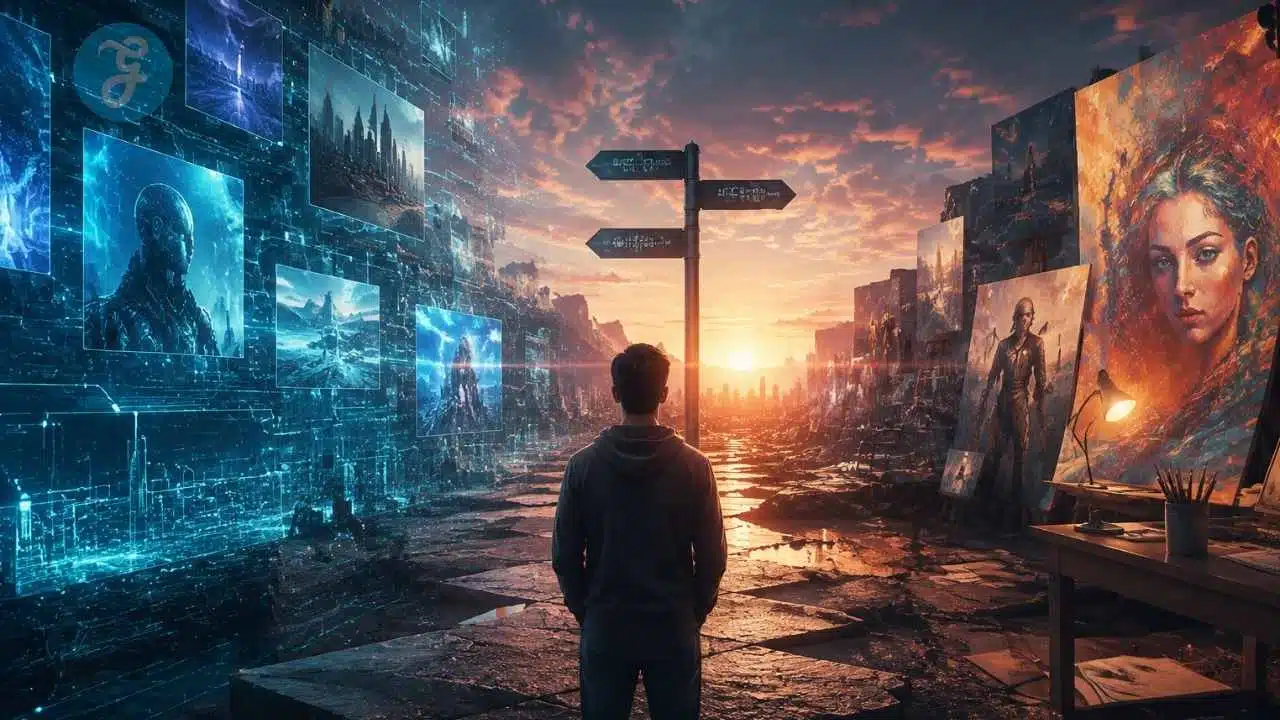
The AI image wars over debate has been dominating creative communities for the past two years. Early on, every AI image tool release sparked comparisons: who is faster, who produces more artistic output, who will dominate the AI art market?
Today, the answer is clearer. While new tools and updates continue to appear, the first wave of competition has settled—usage, workflow integration, and output quality have already revealed practical leaders.
At Editorialge Media LLC and ImagineLab.art, we’ve spent months testing AI image tools in real marketing and educational workflows. What quickly became obvious is that the “war” isn’t a global showdown of tools; it’s a lesson in how teams use AI to create original, effective, and brand-aligned content. Speed, polish, or style alone does not determine success—strategy and human oversight do.
Human Insights on AI Image Creation
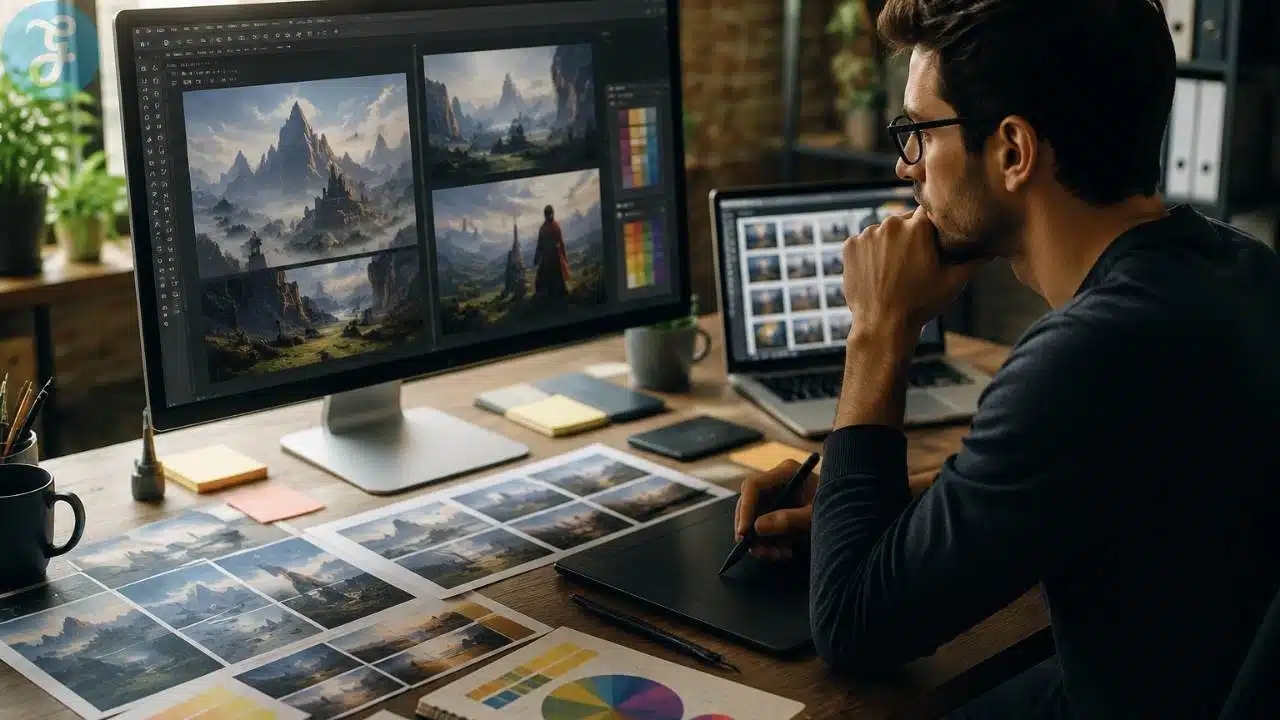
In our workflows, we observed a common pattern: creators, startups, and agencies often start with excitement, trying every new AI image tool. Midjourney delivers striking, stylistically rich images, while Stable Diffusion allows more granular control and high-resolution outputs. But the tool itself is secondary; the differentiator is how you integrate it into your creative process.
For ImagineLab, the goal is producing high-quality visuals, infographics, and marketing assets quickly. Early experiments showed that unedited AI outputs often felt generic—even when the image resolution was impressive. We started layering context, prompts, and iterative refinements, which immediately improved output relevance, brand alignment, and audience engagement.
At Editorialge, testing AI-generated content originality and images for article visuals revealed similar insights. Polished but context-free images attracted attention initially but failed to meaningfully communicate brand identity or article nuance. Teams that combined AI generation with human refinement consistently produced visuals that were both effective and memorable.
Understanding the AI Image Wars
The AI image wars over is not just about flashy comparisons between tools. It refers to the phase where multiple AI platforms competed to dominate visual content creation. Early debates revolved around speed, style, and accessibility.
In practice, the “wars” settled quickly. Teams naturally gravitated toward tools that fit their workflows and output needs. What remains critical is understanding how each AI tool performs across use cases—concept art, marketing assets, product visuals, and educational content.
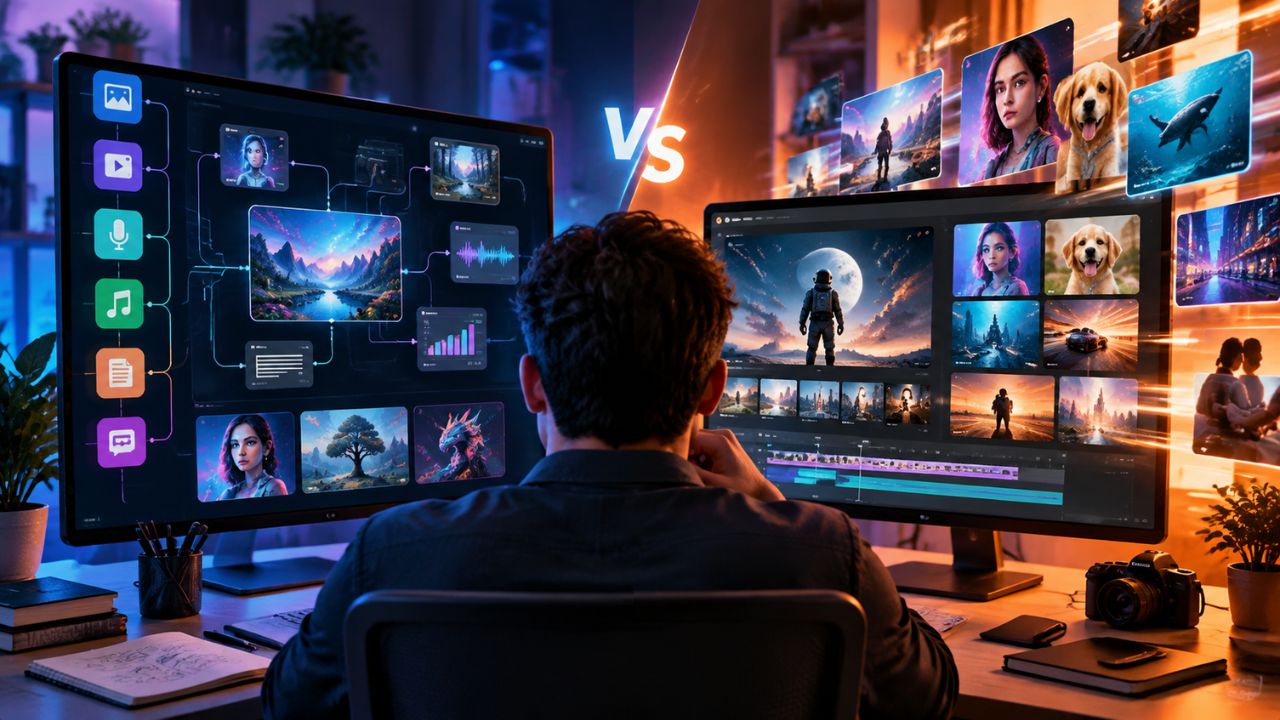
Midjourney vs Stable Diffusion: Strengths and Trade-Offs
AI image tools are powerful, but they each have their own strengths and limitations. Choosing the right tool depends on what you need. Some tools are better for creative, artistic visuals, while others excel at precise, high-resolution outputs.
Midjourney creates expressive and artistic images fast. It works well for mood boards, campaign concepts, and social media visuals. Stable Diffusion is more customizable and handles detailed product or educational visuals better. Using the right tool for the right task saves time and makes outputs more effective.
Midjourney
- Excels in artistic, high-style visuals.
- Strong for campaign concepts, social media visuals, and mood boards.
- Limited control for highly realistic product imagery.
Stable Diffusion
- Allows precise control over output details and resolution.
- Suitable for product visuals, high-fidelity illustrations, and educational imagery.
- Requires more technical understanding to optimize prompts effectively.
Observing teams using both tools, we noticed that results improve when each tool is used in its strongest context. Trying to force Midjourney into highly precise product visuals often produced generic or inconsistent outputs.
Identifying the AI Image Generator Winner
The AI image generator winner depends on what you need it to do and how you use it. No single tool is perfect for every job. Some are better for creative, expressive visuals, while others work best for precise, high-resolution outputs.
For example, Midjourney is great for concept art and social media visuals. Stable Diffusion works well when you need exact product shots or detailed illustrations. The real winner is the tool that fits your workflow, lets you make adjustments easily, and produces visuals that match your brand and audience needs.
Rather than a single global winner, the practical AI image generator winner depends on workflow:
- Midjourney is generally favored for creativity-driven campaigns.
- Stable Diffusion is preferred for high-resolution, precise, and technical outputs.
Adoption patterns indicate that the “winner” is determined less by speed or AI sophistication, and more by how teams incorporate human editing, brand guidance, and iterative testing into their processes.
How the AI Art Market Has Settled
The AI art market has reached a more stable phase after the early excitement. Tools are easier to use, and workflows are becoming clearer for creators. Platforms now focus on delivering reliable results instead of just flashy outputs. Communities share prompt ideas and templates, which helps new users get started quickly. Pricing is more predictable, and enterprise options now integrate smoothly into real projects. Overall, creators can plan and produce AI visuals without getting lost in constant tool comparisons.
The AI art market has evolved beyond hype:
- Features are consolidating across platforms.
- Pricing models have stabilized, making tool selection more predictable.
- Communities are sharing prompt libraries, templates, and best practices.
- Enterprise tools focus on workflow integration rather than novelty alone.
This shift confirms that the early phase of competitive AI image releases is largely over. Success is now defined by practical application, integration, and output relevance.
Implications for Content Creators and Marketers
AI visuals are powerful, but they work best when creators plan carefully. Without thought, images can feel generic, fail to connect with audiences, or misalign with brand messaging.
For content creators and marketers, the key is using AI to save time while keeping control. Test prompts, review outputs, and refine images for each campaign. For example, a social media post can start with an AI-generated graphic, but adjusting colors, composition, and context ensures it resonates with your target audience.
Creators and marketers face new priorities:
- Prompt Strategy: Clear, context-rich prompts improve output relevance.
- Human Editing: Every AI output benefits from review for brand alignment.
- Audience Fit: Visuals must resonate with platform and target segment.
- Workflow Integration: AI output must fit into multi-channel campaigns.
Even top-performing AI tools produce generic results without thoughtful integration. Observing these trends helps teams prioritize strategy over tool selection.
Common Workflow Mistakes with AI Image Tools
AI image tools are powerful, but using them incorrectly can waste time and produce weak visuals. Many mistakes are simple to avoid once you understand common pitfalls and practical solutions.
- Over-reliance on a single tool for all visual needs.
- Using first outputs without iterative refinement.
- Ignoring brand style guides and audience context.
- Overusing popular prompts, leading to repetitive visuals.
- Neglecting platform-specific formatting.
- Skipping integration with accompanying copy or marketing assets.
- Producing visuals without human review for clarity or brand alignment.
- Ignoring licensing and usage rights when distributing outputs.
Practical Framework for Efficient AI Visual Production
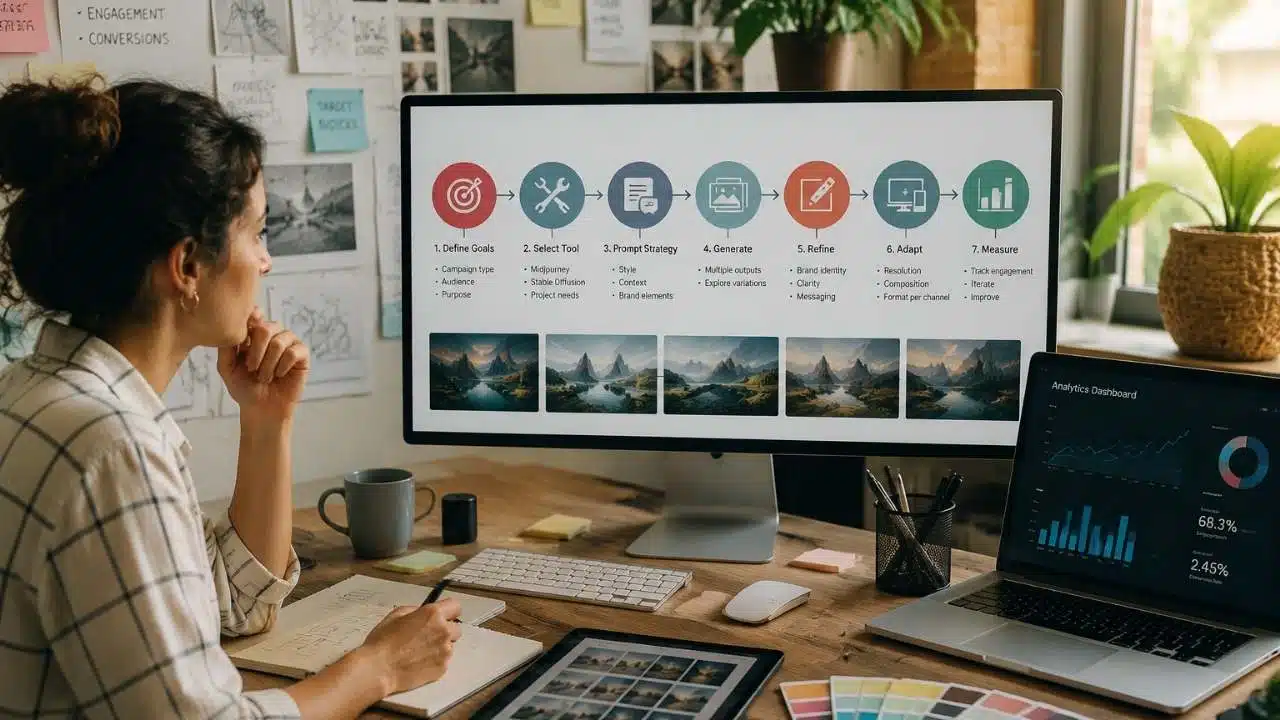
Producing effective AI visuals requires a clear, repeatable process. It’s not enough to generate images and hope for the best. This framework helps teams plan, create, and refine visuals in a way that keeps them aligned with brand goals and audience needs.
Here’s a practical approach that shows how humans can guide AI outputs to create visuals that are useful, original, and meaningful.
- Define Visual Goals: Campaign type, audience, and purpose.
- Select Appropriate Tool: Match Midjourney or Stable Diffusion to project needs.
- Develop Prompt Strategy: Include style, context, and brand elements.
- Generate Multiple Outputs: Explore variations before final selection.
- Human Refinement: Edit for brand identity, clarity, and messaging.
- Platform Adaptation: Optimize resolution, composition, and format per channel.
- Performance Measurement: Track engagement and iteratively improve future outputs.
Brand Applications Across Industries
Different industries use AI images in unique ways. The key is matching the tool to the workflow and audience. Small teams can get big results, and even niche brands can create visuals that feel tailored and professional.
- E-Commerce: Product photography, lifestyle shots, ad creatives.
- Educational Brands: Illustrations for apps, infographics, and interactive learning visuals.
- Marketing Agencies: Rapid campaign mockups, social visuals, client previews.
- SMEs & Startups: High-quality visual content without large creative teams.
Recommended Tools and Workflow
AI tools are only helpful if you know how to use them. Picking the right tool and following a clear workflow makes a big difference. These tools help create visuals, videos, and infographics faster, but human guidance is what keeps them on-brand and useful. Practical steps and examples show how teams get the best results without wasting time or producing generic content.
- Midjourney: Expressive, creative outputs.
- Stable Diffusion: Detailed, high-resolution images.
- ImagineLab.art: Human-guided AI workflow integration, multi-platform deployment.
Workflow: Concept → AI Generation → Human Refinement → Platform Deployment → Performance Analysis
Expert Tips for Distinctive AI Visuals
Creating distinctive AI visuals is about more than picking a tool. It’s about giving the AI clear guidance, iterating outputs, and refining images to fit your brand or project goals. Small changes in prompts or adjustments can make your visuals stand out instead of blending in with generic AI content.
- Generate multiple AI outputs and compare.
- Apply negative prompts to avoid overused styles.
- Incorporate brand colors, typography, and contextual cues.
- Review outputs for audience-specific clarity.
- Treat AI outputs as drafts, not final deliverables.
Final Thoughts
The AI image wars over phase is settled. Success is no longer about which tool dominates headlines but about how teams integrate AI into real-world workflows. Human guidance, iteration, and brand alignment remain crucial. Teams that combine AI efficiency with deliberate editing and context preserve originality, relevance, and impact.
AI images accelerate production, but distinctive, meaningful content still depends on human insight.
Frequently Asked Questions (FAQs) About Whether the AI Image Wars Are Over
Are the AI image wars still relevant?
The competitive phase has settled; adoption and workflow efficiency now define leadership.
Which AI tool is the generator winner?
Depends on the workflow: Midjourney for creative campaigns, Stable Diffusion for precise high-resolution outputs.
How should marketers select a tool?
Choose based on project type, brand context, and output requirements.
Can AI replace human review?
No. Human refinement ensures brand alignment, context, and clarity.
How is the AI art market evolving?
It’s stabilizing, consolidating features, and emphasizing practical workflow integration over novelty.