

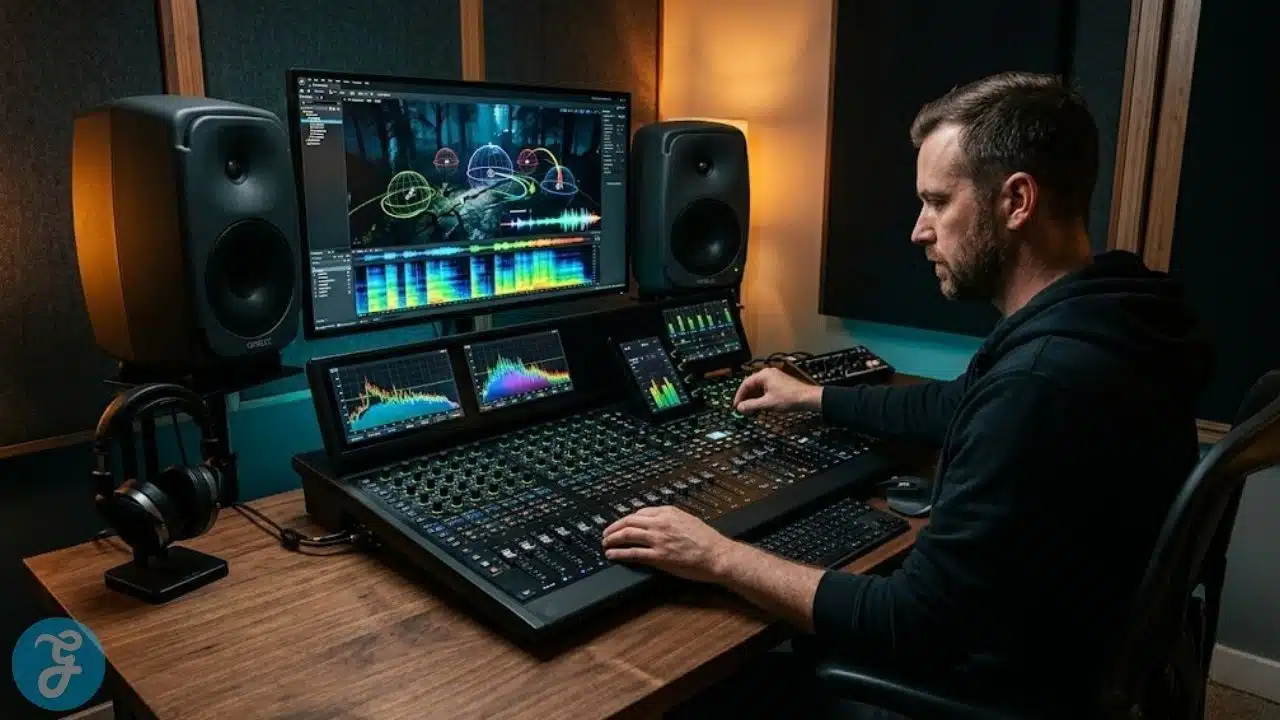
When a player closes their eyes while holding a controller, the game world shouldn’t disappear—it should just shift its shape into the auditory realm. In an era where visual fidelity has largely plateaued, the true differentiator between a good game and a deeply immersive masterpiece lies entirely in its soundscape. The industry is rapidly pivoting toward specialized boutique studios to handle this critical component. Finding the right partner for Gaming Audio Design & Music means seeking out teams that understand not just composition, but the complex, interactive logic of how sound behaves inside a digital engine.
Identifying the specific studios capable of delivering this level of technical and creative synergy requires looking at exactly how they operate behind the scenes.
Our Selection Criteria
Filtering the vast landscape of audio providers down to the top boutique firms meant establishing a strict baseline for technical competence and independent agility. We focused on the operational strengths that matter most to modern development cycles.
-
Engine Fluency: Proven, deep expertise integrating audio directly into Unreal Engine and Unity using middleware like Wwise and FMOD.
-
Specialized Focus: A core operational mandate dedicated strictly to interactive media and video game audio, rather than generalized corporate sound design.
-
Independent Agility: Small to medium-sized enterprise (SME) status, ensuring developers work directly with senior audio directors rather than account managers.
-
Full-Spectrum Capability: The ability to handle the entire pipeline from original music composition to voice-over production and final in-engine implementation.
Understanding these operational requirements highlights exactly why the following studios have become the most trusted partners in the North American development scene.
The Top 10 SMEs Specializing in Gaming Audio Design & Music in USA
The following independent studios represent the absolute peak of interactive acoustic engineering and musical composition in the United States. Here is our curated breakdown of the specialized teams actively defining how the next generation of games will sound.
Starting with the heavy hitters in Southern California gives us a clear picture of what top-tier technical implementation looks like.
1. Hexany Audio
Headquarters: Los Angeles / Bell Gardens, California
Website: hexanyaudio.com
Email: rludlow@hexanyaudio.com
Hexany Audio operates as a premier, high-end specialist studio dedicated entirely to interactive media and game sound. They have built a massive reputation by bridging the gap between sweeping cinematic composition and deep, code-level engine implementation. Their team handles everything from complex voice-over direction to dynamic music systems that react seamlessly to player inputs. They are a definitive powerhouse for developers who need complete, end-to-end audio solutions.
Best Feature/For:
-
Developers needing seamless integration of audio into Unreal or Unity using complex Wwise or FMOD logic.
Why We Chose It:
-
They are a phenomenally strong specialist studio for complete game sound design and original music.
-
Their dedicated audio programming team removes the technical burden from the core game development staff.
Things to consider:
-
Operating out of Los Angeles with a high-profile portfolio, their premium services require a matching budget.
Moving up the California coast, we find studios that have shaped the industry for over a decade.
2. Somatone Interactive
Headquarters: Emeryville, California
Website: somatone.com
Email: info@somatone.com
Somatone Interactive is one of the longest-running and most deeply established game-audio providers in the American market. Over the years, they have refined their pipeline to handle massive volumes of assets without sacrificing creative quality, working on thousands of titles across mobile, PC, and console. They act as a highly reliable machine for generating bespoke music, sound design, and comprehensive voice production for studios of all sizes.
Best Feature/For:
-
Large-scale or long-term live-service projects that require consistent, high-volume asset delivery over several years.
Why We Chose It:
-
They possess an unmatched historical track record as a long-running provider for full-spectrum audio implementation.
-
Their established workflows ensure extreme reliability and deadline adherence.
Things to consider:
-
Their massive client roster means smaller indie teams must ensure they have a dedicated lead assigned to maintain creative consistency.
For teams wanting a highly personalized, cinematic touch, smaller boutique setups offer unique advantages.
3. Moonwalk Audio
Headquarters: Ladera Ranch, California
Website: moonwalkaudio.com
Email: moonwalkaudio@gmail.com
Moonwalk Audio is a tight-knit, highly creative game-audio team that treats every project with a bespoke, artisanal approach. While they are experts at creating custom sound design and video-game music, they also bring significant experience in crafting audio for high-impact trailers and television. This cross-pollination of media experience allows them to inject a highly cinematic, narrative-driven quality into interactive gameplay.
Best Feature/For:
-
Indie developers and marketing teams needing a unified audio identity across both gameplay and promotional trailers.
Why We Chose It:
-
They operate as a genuinely small team, ensuring direct creative collaboration with the developers.
-
They excel at crafting custom, highly memorable sound design that cuts through the noise of crowded digital storefronts.
Things to consider:
-
As a smaller boutique, their bandwidth for handling multiple massive AAA titles simultaneously may be limited.
Looking deeper into the Los Angeles ecosystem reveals teams pushing the boundaries of traditional interaction.
4. Emperia Sound and Music
Headquarters: Los Angeles, California
Website: emperiasound.com
Email: Contact form available via website
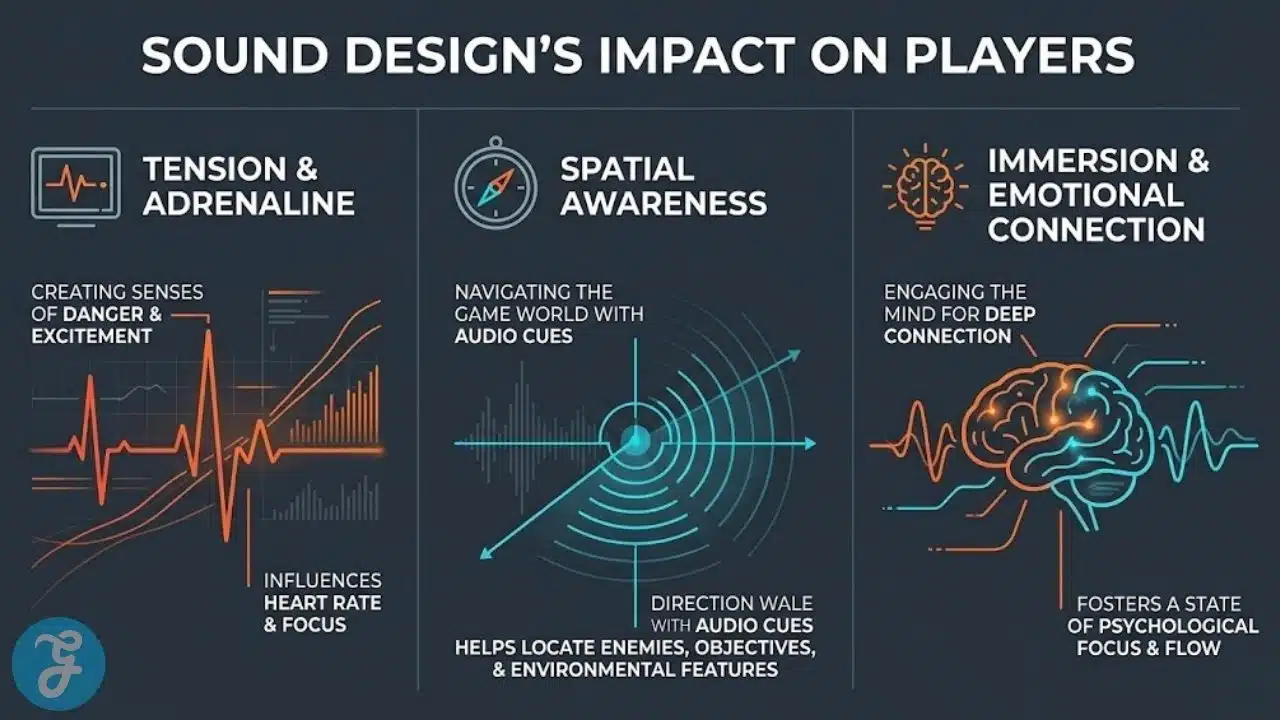
Emperia Sound and Music is a highly creative audio team that focuses on the psychological impact of sound within interactive media. They push beyond traditional scoring to specialize in video games, experiential design, and highly immersive digital environments. Their approach treats sound as a behavioral tool, designing acoustic spaces that actively guide the player’s emotions and in-game decisions.
Best Feature/For:
-
Projects focused on virtual reality, augmented reality, or highly experimental interactive media.
Why We Chose It:
-
Their focus on experiential design sets them apart from traditional “music and sound effects” asset factories.
-
They deeply understand the nuances of spatial audio required for modern immersive tech.
Things to consider:
-
Their highly conceptual approach may be overkill for a simple, straightforward 2D platformer.
Texas has rapidly become a central hub for studios prioritizing technical sound implementation.
5. GL33k
Headquarters: Austin, Texas
Website: gl33k.com
Email: hello@gl33k.com
GL33k is a widely respected boutique team that specializes in the highly technical discipline of audio direction and implementation. While they provide excellent voice and music services, they are best known as the “fixers” who can dive directly into a messy game engine and make the audio systems sing. They bridge the critical gap between a composer’s raw files and the complex logic required to make them react dynamically in-game.
Best Feature/For:
-
Studios that already have musical assets but desperately need elite technical integration and audio direction.
Why We Chose It:
-
They are industry leaders in hands-on sound design integration and technical implementation.
-
Their deep engine knowledge prevents audio-related performance bugs during the final optimization phases of a game.
Things to consider:
-
Because their technical skills are in such high demand, booking their team often requires significant lead time.
The Pacific Northwest continues to foster studios that excel across multiple mixed-reality platforms.
6. SkewSound
Headquarters: Snoqualmie, Washington
Website: skewsound.com
Email: Contact form available via website
SkewSound is a versatile, full-service audio studio that comfortably navigates the spaces between traditional gaming, virtual reality, and linear visual media. They treat audio as a holistic narrative device, ensuring that a game’s soundscape feels cohesive from the opening menu screen to the final cutscene. Their deep roots in the Washington tech scene give them a strong perspective on emerging hardware capabilities.
Best Feature/For:
-
Multi-platform developers who are launching a game simultaneously across standard consoles and VR headsets.
Why We Chose It:
-
They provide a truly full-service approach, managing games, VR, music, and sound design under one roof.
-
Their ability to translate interactive audio into traditional visual media is vital for marketing campaigns.
Things to consider:
-
They operate heavily in the Pacific Northwest time zone, which may require logistical alignment for European or East Coast clients.
Returning to the entertainment capital highlights studios with unparalleled access to voice talent.
7. Exile Sound
Headquarters: Los Angeles, California
Website: exilesound.com
Email: Contact form available via website
Exile Sound leverages its prime Los Angeles location to provide top-tier voice-over production alongside robust sound design and implementation. They are deeply embedded in the LA multimedia scene, allowing them to draw from the best vocal talent pools in the world for character-driven games. They combine this access with a strong technical foundation in VR and interactive audio systems.
Best Feature/For:
-
Narrative-heavy, character-driven games that require pristine voice-over direction and high-fidelity foley.
Why We Chose It:
-
They are an LA-based powerhouse that perfectly balances creative voice-over with technical engine implementation.
-
Their experience in VR and multimedia audio ensures high immersion for complex digital environments.
Things to consider:
-
Producing high-end VO in Los Angeles comes with specific talent union (SAG-AFTRA) considerations and associated logistics.
Newer studios entering the market are incredibly agile, focusing entirely on modern procedural workflows.
8. The Game Audio Company
Headquarters: New Fairfield, Connecticut
Website: thegameaudioco.com
Email: Contact form available via website
The Game Audio Company is a newer, highly ambitious SME making a significant impact through its dedication to modern technical sound design. They focus intensely on the mechanics of sound, offering deep expertise in Wwise, FMOD, Unity, and Unreal. Rather than just creating static sound effects, they build complex procedural audio systems that generate dynamic soundscapes on the fly during gameplay.
Best Feature/For:
-
Next-generation titles requiring highly complex, procedural audio that reacts dynamically to physics engines.
Why We Chose It:
-
They are an incredibly tech-forward team offering advanced technical sound design alongside music and voice-over.
-
Their deep fluency in modern middleware ensures clean, optimized performance in the final game build.
Things to consider:
-
As a newer agency, their historical back-catalog of shipped titles is smaller than legacy studios established in the 2000s.
Sometimes, developers need a hybrid approach combining custom work with high-end, ready-to-use assets.
9. Soundrangers
Headquarters: Seattle, Washington
Website: soundrangers.com
Email: audioguys@soundrangers.com
Soundrangers operates with a unique dual model, functioning as both a small custom audio studio and a massive, highly curated sound library. They specialize in creating incredibly specific, high-quality sound effects and production music entirely tailored for video games and interactive media. This setup allows developers to commission bespoke sounds for main characters while filling out the world with premium library assets to save budget and time.
Best Feature/For:
-
Fast-moving indie teams who need a cost-effective mix of custom composition and high-end boutique library effects.
Why We Chose It:
-
They are a legendary small studio that pioneered the concept of providing specialized production music directly for games.
-
Their library provides immediate access to thousands of ready-to-implement, game-optimized sound files.
Things to consider:
-
When utilizing their services, developers must be clear about which assets are 100% exclusive custom creations versus licensed library sounds.
The ultimate level of creative control often comes from partnering with a single, highly experienced specialist.
10. Aaron Brown Sound
Headquarters: Austin, Texas
Website: aaronbrownsound.com
Email: aaronbrownsound@gmail.com
Aaron Brown Sound operates as a pure, independent specialist model. Rather than handing a project off to junior staff at a large agency, Aaron Brown acts as a senior audio director, embedding directly into a studio’s development pipeline. This provides indie teams with top-tier sound design, composition, and comprehensive audio direction from a single, highly focused creative visionary.
Best Feature/For:
-
Auteur-driven indie games that need a dedicated “Internal Audio Director” to completely own the sonic identity of the project.
Why We Chose It:
-
It provides the purest form of independent game-audio collaboration, focusing on deep composition and audio direction.
-
The lack of agency overhead means the developer communicates directly with the lead creator 100% of the time.
Things to consider:
-
Relying on a single independent specialist means massive, high-volume asset lists may require extended timelines to complete.
Reviewing these varied auditory specialists side-by-side helps clarify which technical setup aligns with your project’s specific needs.
An Overview Of Gaming Audio Design & Music
Examining these distinct providers collectively gives a clear perspective on the specialized infrastructure currently available to the U.S. market. The following data points highlight the primary functional differences between massive implementation agencies and boutique creative composers.
Overview Comparison Table
Comparing these specific metrics illustrates how geographic location and technical focus shape the offerings of these top-tier firms.
| Studio Name | Location | Primary Focus Area | Notable Specialization |
| Hexany Audio | Los Angeles, CA | Full-Spectrum Implementation | Audio Programming & Wwise |
| Somatone Interactive | Emeryville, CA | High-Volume Production | Live-Service & Mobile Audio |
| Moonwalk Audio | Ladera Ranch, CA | Cinematic Soundscapes | Trailer Audio & Custom SFX |
| Emperia Sound | Los Angeles, CA | Experiential Audio | VR & Interactive Behavior |
| GL33k | Austin, TX | Engine Implementation | Deep Technical Audio Logic |
| SkewSound | Snoqualmie, WA | Multi-Platform Audio | Traditional Media & VR Fusion |
| Exile Sound | Los Angeles, CA | Narrative Audio | VO Direction & Immersion |
| The Game Audio Co | New Fairfield, CT | Technical Sound Design | Procedural & Middleware Systems |
| Soundrangers | Seattle, WA | Hybrid Custom/Library | Boutique Game SFX Libraries |
| Aaron Brown Sound | Austin, TX | Lead Audio Direction | Embedded Composition & Direction |
Evaluating these diverse creative houses naturally leads to our primary recommendations for specific developmental needs.
Our Top 3 Picks and Why?
Narrowing down the field highlights three developers making exceptional contributions to the game audio landscape. Hexany Audio remains the absolute gold standard for massive projects that require a seamless marriage of cinematic composition and rigorous, code-level engine implementation. GL33k provides unmatched utility for studios that have incredible musical ideas but desperately need elite technical directors to make those sounds function flawlessly within complex game states. Finally, Aaron Brown Sound represents the ultimate choice for independent developers seeking a dedicated, embedded visionary to completely own their project’s sonic identity from the first prototype to the final master.
Understanding the massive growth of these specialized studios requires looking at the broader economic shifts within the industry.
Why are Gaming Audio Design & Music SMEs Booming in the United States
The United States currently leads this highly specialized niche because it possesses the strongest game development ecosystem, housing major global studios that rely heavily on high-end outsourcing. With U.S. consumer spending on video games reaching $60.7 billion in 2025, the volume of content being produced is staggering. According to GameSoundCon’s 2025 survey, game-audio outsourcing has grown exponentially over the past decade. Massive AAA studios and well-funded indie teams alike have realized that keeping a 30-person audio team on full-time payroll during pre-production is financially inefficient; outsourcing to highly skilled SMEs allows them to scale their audio needs precisely when required.
Identifying the specific factors that make these American SMEs so successful reveals their core operational advantages.
What’s their secret sauce?
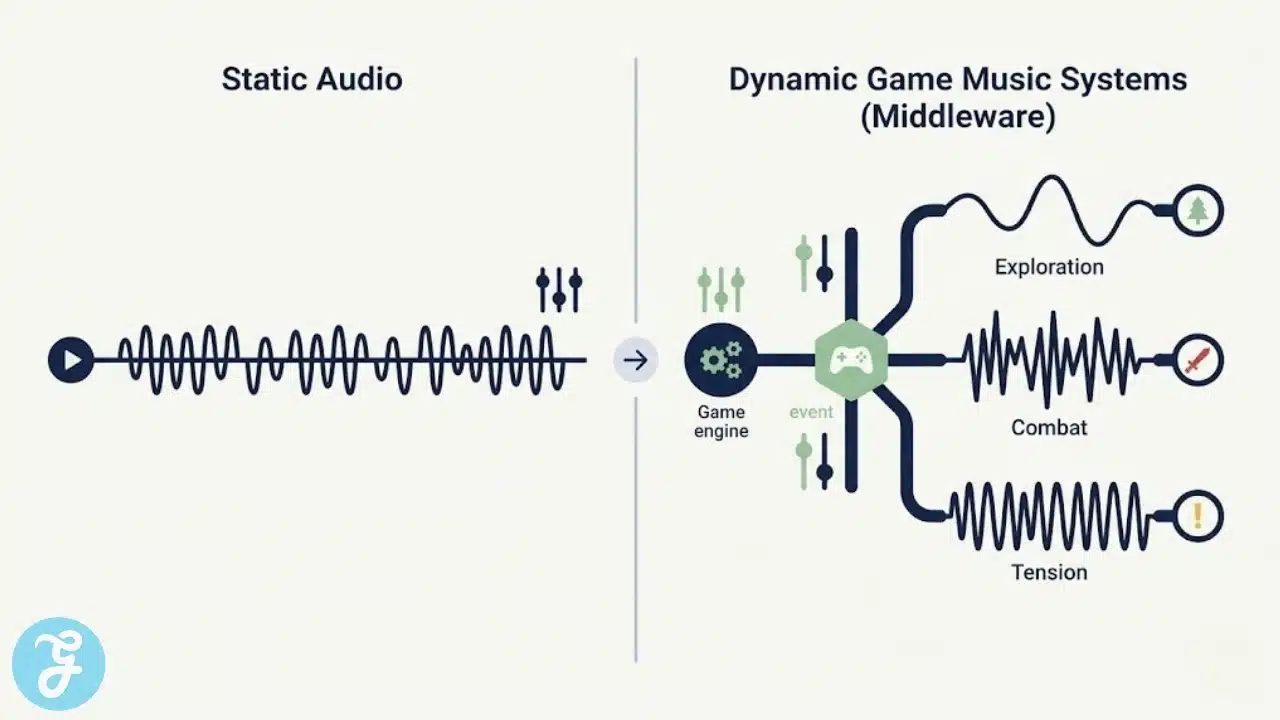
The success of these U.S. boutiques lies entirely in their mastery of “audio middleware.” In the early days of game development, a sound designer had to hand raw audio files to a programmer and beg them to code the logic for when they should play. Today, SMEs utilizing tools like Wwise and FMOD can write the audio logic themselves, seamlessly integrating branching music, dynamic reverbs, and randomized footstep sounds directly into Unreal or Unity without bottlenecking the core programming team.
Acknowledging the brilliance of these specialized tools also requires facing some difficult realities about the modern state of interactive audio.
The Unheard Realities of Interactive Audio
The rapid expansion of the Gaming Audio Design & Music sector has created a massive quality gap in the industry, but it has also surfaced some uncomfortable truths about how sound is valued. While visual artists are frequently lauded, technical sound designers are often treated as an afterthought, brought into a project six months before launch to “fix” an impossible backlog of missing audio cues. The reality is that generative AI is looming heavily over the composition side of the industry, threatening to commoditize basic background music.
However, the future of interactive audio does not lie in static MP3s; it relies on complex, procedural systems where the sound is deeply intertwined with the game’s physics and player geometry. The SMEs that will survive the next decade are not just the ones who write beautiful melodies, but the ones who understand how to engineer an acoustic environment that reacts intelligently to a player’s chaotic choices, proving that true immersion requires human architectural intent that an algorithm simply cannot replicate.
To further clarify the mechanics of outsourcing this vital component, addressing common logistical questions is essential.
Frequently Asked Questions (FAQs) About Gaming Audio Design & Music
Understanding the workflow of an outsourced audio partnership is critical before signing a contract.
What is the difference between sound design and audio implementation?
Sound design is the creative act of recording or synthesizing an audio file (e.g., creating the sound of a laser). Audio implementation is the highly technical process of coding that sound into the game engine so it triggers at the exact right moment, changes pitch based on distance, and reacts to the environment.
Why do audio studios require access to my game’s source code?
To properly mix and implement audio, the SME needs to play the game in its native engine (Unreal or Unity). They use version control systems (like Perforce) to pull your latest build, attach their audio middleware data to your game objects, and push the completed soundscape back to your servers.
Do I own the music and sound effects if I hire an SME?
This depends entirely on the contract. Most custom “work-for-hire” agreements grant the developer full intellectual property ownership of the final audio. However, if the studio pulls assets from a pre-existing sound library (like Soundrangers), you are purchasing a perpetual license to use the sound, but you do not exclusively own it.
How much does it cost to outsource audio for an indie game?
Costs scale drastically based on scope and implementation needs. A simple mobile game might require $5,000 to $15,000 for basic sound design and a few music tracks. A comprehensive, technical audio contract for a complex 3D indie or AA title can easily range from $50,000 to over $150,000.
When is the right time to bring an audio SME onto a project?
The biggest mistake developers make is waiting until the end of production. Audio SMEs should be brought in during the “Vertical Slice” or late pre-production phase. This allows them to establish the technical audio pipeline and ensure the game engine is properly optimized to handle complex sound systems before the code becomes locked.





















