

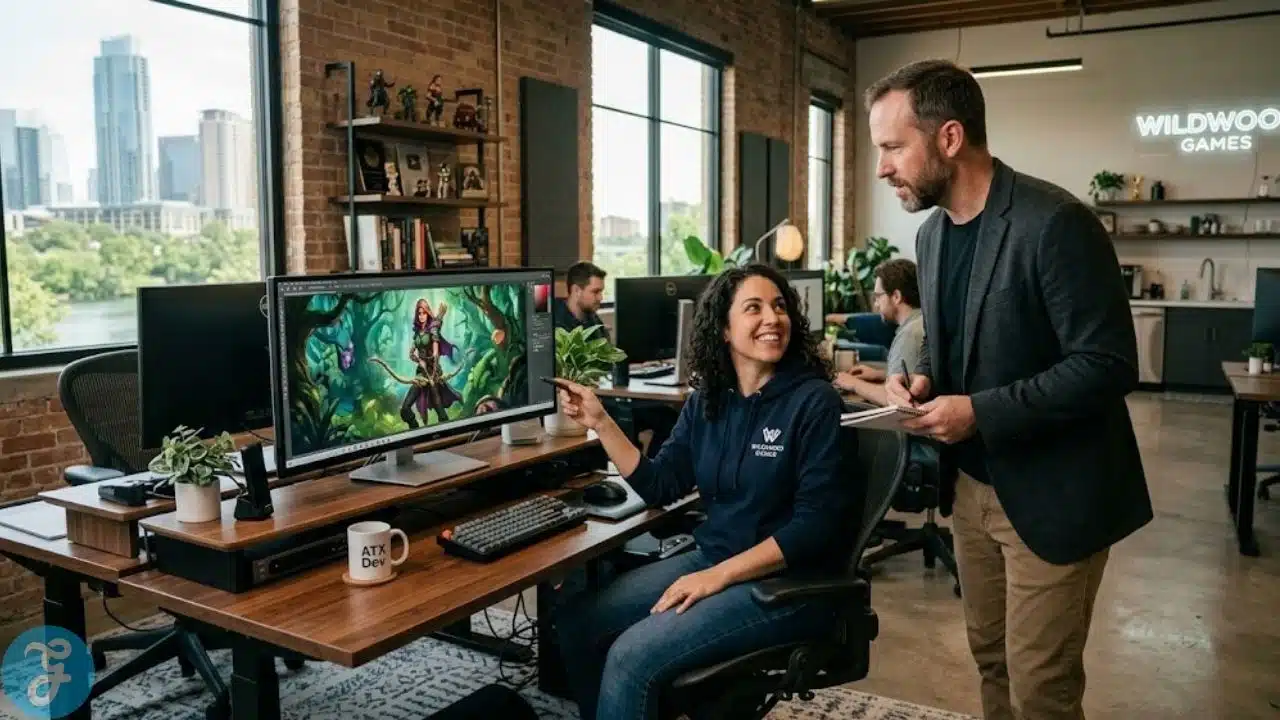
The landscape of interactive entertainment has shifted from the era of monolithic publishers to a more fragmented, agile ecosystem where the “middle class” of gaming thrives. In 2026, the rise of specialized SMEs for Game Publishing & Distribution has empowered independent creators to reach global audiences without sacrificing their creative soul or equity. As the barrier to entry for game development lowers, the bottleneck has moved to discoverability, making the role of these domestic publishers more critical than ever for the American digital economy.
Our Selection Criteria
Identifying the top performers in the publishing sector requires looking beyond just sales figures to the actual health of the partnership between creator and distributor. The following standards were used to filter the most impactful organizations currently operating in the United States.
-
Developer Equity: Prioritizing firms that offer fair revenue splits and allow studios to retain their Intellectual Property (IP).
-
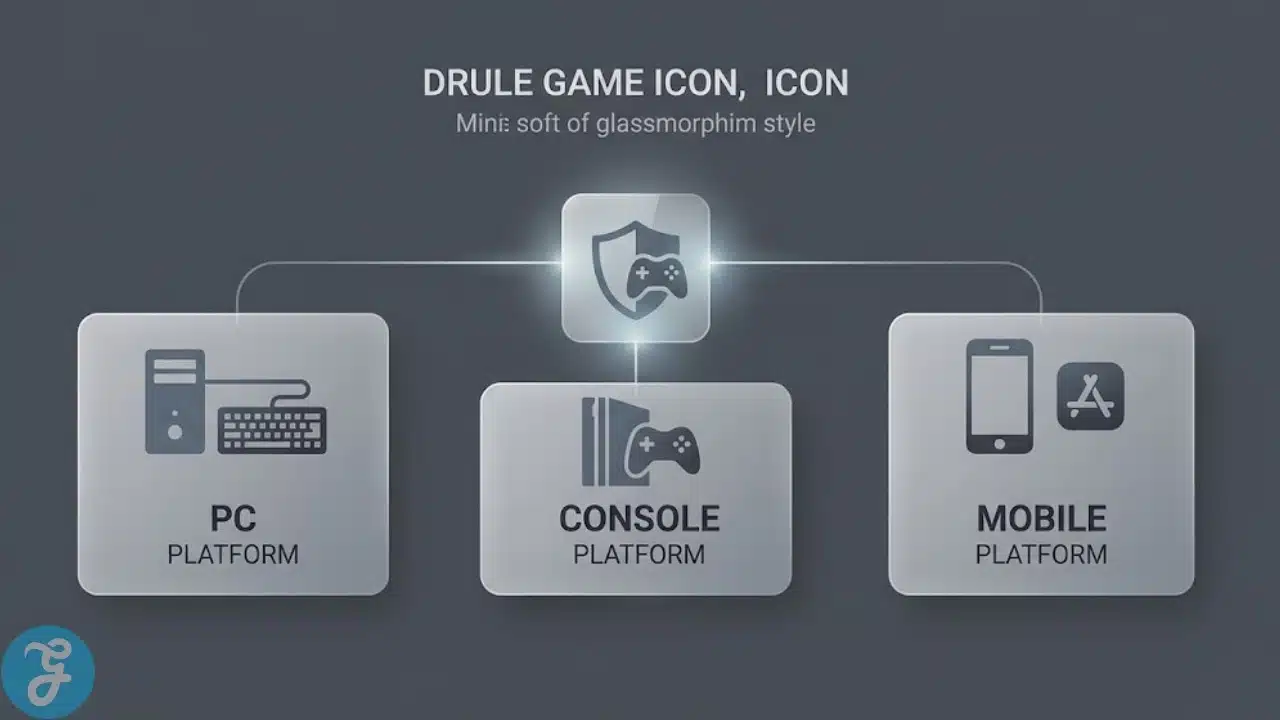
Platform Reach: Evaluation of the publisher’s ability to secure placement across PC, console (PlayStation, Xbox, Switch), and emerging mobile subscription tiers.
-
Marketing Innovation: Analysis of how effectively the SME uses viral marketing, community building, and creator relations.
-
Sustainability: Focusing on companies with a consistent track record of successful launches and financial stability in a volatile market.
The American gaming market remains the most lucrative territory for indie developers seeking both critical acclaim and commercial scale. The following organizations represent the gold standard for mid-tier support, providing the infrastructure necessary to turn a passion project into a household name.
1. Annapurna Interactive
Headquarters: West Hollywood, CA
Website: annapurnainteractive.com
Email: hello@annapurnainteractive.com
Operating as the premier auteur publisher in the US indie space, this organization functions with a highly selective, curator-first philosophy that prioritizes artistic vision. Since its inception, the company has consistently championed games that lean heavily into narrative depth and unique visual styles rather than following safe commercial formulas. Their involvement often serves as a “seal of quality” for players looking for deeply emotional and atmospheric experiences.
Best Feature/For:
-
High-concept narrative games and artistic prestige.
Why We Chose It:
-
Unrivaled track record with award-winning titles like Stray and Outer Wilds.
-
Strong financial backing paired with an indie-focused creative approach.
-
Exceptional ability to bridge the gap between traditional cinema and interactive media.
Things to consider:
-
Extremely high barrier to entry for developers; they only sign a few projects per year.
2. Devolver Digital
Headquarters: Austin, TX
Website: devolverdigital.com
Email: fork@devolverdigital.com
Known as the definitive irreverent indie publisher, this Austin-based powerhouse has built its identity on sharp marketing, developer autonomy, and a catalog of genre-defining originals. While they have grown significantly and are publicly traded, they maintain an operationally independent spirit that resonates with “punk rock” sensibilities in game design. They excel at identifying high-energy, mechanically tight games that have significant viral potential.
Best Feature/For:
-
Stylized action games and unconventional marketing campaigns.
Why We Chose It:
-
Maintains a “developer-first” ethos where the creator’s voice is never silenced.
-
Incredible brand recognition that guarantees a baseline of interest from the “indie” audience.
-
Proven success in scaling small titles like Cult of the Lamb into massive franchises.
Things to consider:
-
Their specific brand aesthetic may not fit “wholesome” or strictly educational projects.
3. Fictions, Inc.
Headquarters: Los Angeles, CA
Website: fictions.com
Email: info@fictions.com
Following its divestment from Take-Two and acquisition by Haveli Investments in late 2024, this entity rebranded to forge a new path as an independent indie-focused publisher. Now operating outside the shadow of a major corporate parent, the company is rebuilding its identity by focusing on high-end independent productions. It currently manages a sophisticated portfolio that includes collaborations with world-class talent, positioning it as a major player to watch in 2026.
Best Feature/For:
-
“Triple-I” games that require significant production budgets and high-level distribution.
Why We Chose It:
-
Recent independence allows for more agile decision-making and risk-taking.
-
Retains a highly experienced team with deep industry connections.
-
Focuses on games with high replayability and technical polish.
Things to consider:
-
The company is still in a transitional phase as it establishes its post-rebrand reputation.
4. Freedom Games
Headquarters: Huntsville, AL
Website: freedom.gg
Email: contact@freedom.gg
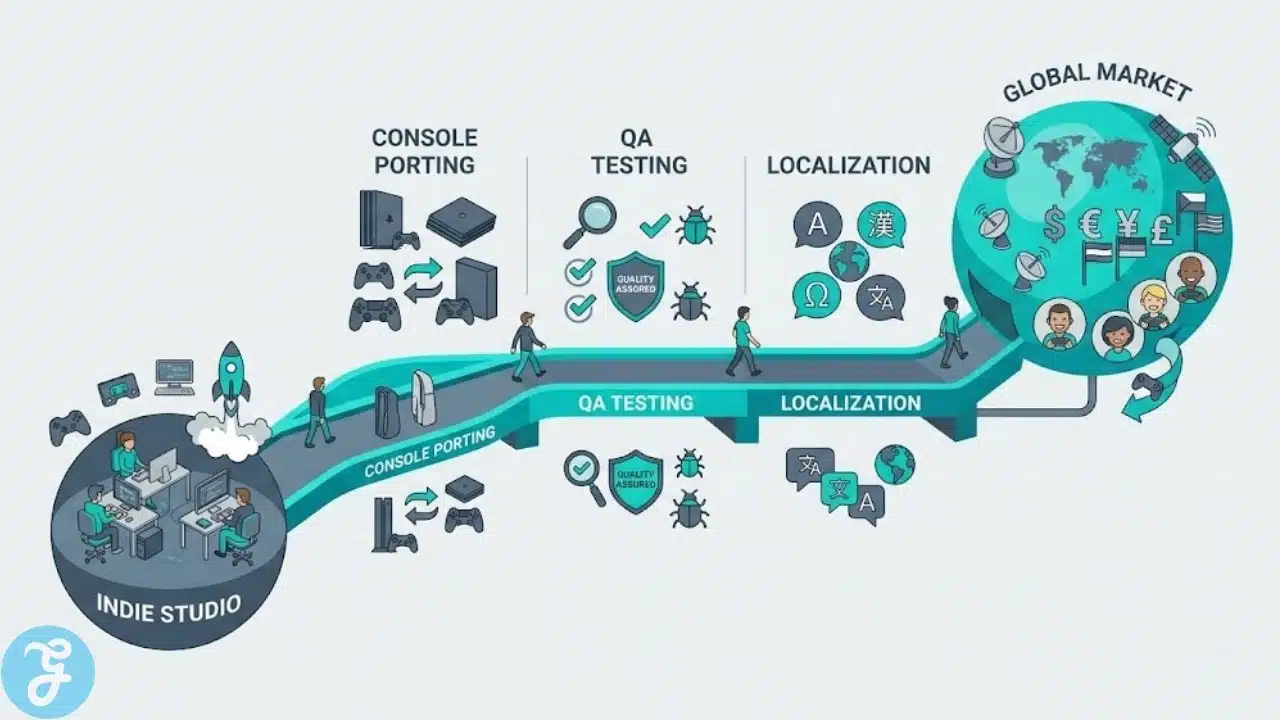
Based in the burgeoning tech hub of Huntsville, Alabama, this publisher has rapidly expanded its pipeline by offering a transparent and flexible revenue model for small teams. They have successfully raised significant capital to expand their support services, including QA, localization, and porting, making them a one-stop shop for developers. Their catalog is diverse, ranging from cozy management sims to complex tactical RPGs.
Best Feature/For:
-
Small-to-mid-sized teams seeking comprehensive “all-in-one” publishing support.
Why We Chose It:
-
Transparent business practices and a very approachable leadership team.
-
High volume of successful launches which provides a wealth of cross-promotional data.
-
Strong emphasis on genre-specific marketing to hit niche audiences.
Things to consider:
-
The large number of titles in their catalog means developers must compete for internal attention.
5. Modus Games
Headquarters: Walnut Creek, CA
Website: modusgames.com
Email: publishing@modusgames.com
This organization operates as a reliable mid-tier publisher with a broad genre portfolio that covers everything from fighting games to atmospheric puzzle-platformers. Based in Walnut Creek, they have established themselves as a critical bridge for developers who need help navigating the complexities of physical retail and global digital storefronts simultaneously. They are particularly skilled at managing “AA” productions that require a more professionalized touch than a standard indie launch.
Best Feature/For:
-
Multi-platform releases that require physical retail presence.
Why We Chose It:
-
Expertise in bringing games to physical shelves at major US retailers.
-
Strong relationships with platform holders like Sony, Microsoft, and Nintendo.
-
Diverse catalog that proves they aren’t tied to a single “trendy” genre.
Things to consider:
-
May lean toward more “marketable” genres rather than experimental art-house projects.
6. Nighthawk Interactive
Headquarters: Edison, NJ
Website: nighthawkinteractive.com
Email: info@nighthawkinteractive.com
This specialist firm operates primarily as a physical and digital distribution powerhouse, providing the infrastructure that many smaller publishers lack. They are the engine behind the scenes for many notable indie launches, ensuring that digital darlings find their way into physical boxes for collectors and retail shoppers. Their role is essential for developers who want to maximize their visibility across all possible consumer touchpoints.
Best Feature/For:
-
Physical production and logistics for independent titles.
Why We Chose It:
-
Fills a vital niche in the supply chain that most publishers ignore.
-
Proven track record of getting indie titles into major big-box stores.
-
Streamlined approach to digital-to-physical porting and manufacturing.
Things to consider:
-
Primarily focused on distribution rather than early-stage creative development.
7. Graffiti Games
Headquarters: Vancouver, WA
Website: graffitigames.com
Email: contact@graffitigames.com
Focusing specifically on discovery and visibility, this publisher seeks out underserved titles that might otherwise be lost in the crowded digital marketplace. They maintain a lean, highly curated catalog, which allows them to dedicate more personalized resources to each project they sign. Their developer-friendly ethos is built on the idea that every game deserves a tailored marketing strategy rather than a “cookie-cutter” launch.
Best Feature/For:
-
Hidden gems and niche titles looking for a dedicated spotlight.
Why We Chose It:
-
High level of personal attention from the publishing team.
-
Effective at identifying games with long-term “long tail” sales potential.
-
Focus on lean operations ensures more revenue stays with the developer.
Things to consider:
-
Smaller marketing budgets compared to the “Triple-I” giants in the space.
8. Apogee Entertainment
Headquarters: Rowlett, TX
Website: apogeeent.com
Email: bizdev@apogeeent.com
Relaunched in 2021 by industry legends, this independent publisher focuses on cherry-picking high-quality indie projects that evoke the “golden age” of gaming while utilizing modern tech. They bring a wealth of historical knowledge and industry connections to the table, helping developers refine their mechanics for maximum player engagement. Their focus is on “action-first” titles that offer tight controls and high-octane gameplay.
Best Feature/For:
-
Retro-inspired action games and high-polish shooters.
Why We Chose It:
-
Led by veterans who pioneered the shareware and indie distribution models.
-
Strong focus on gameplay “feel” and mechanical refinement during development.
-
Unique brand legacy that attracts a dedicated older demographic alongside new players.
Things to consider:
-
Their catalog is very specific to action and retro-adjacent genres.
9. Digerati Distribution
Headquarters: Austin, TX
Website: digeratidistribution.com
Email: info@digeratidistribution.com
This operation fills a crucial gap between self-publishing and full-service publishing by handling the heavy lifting of platform placement and console porting. They are particularly active on PlayStation and Nintendo platforms, ensuring that PC-centric indies make a smooth transition to the living room. Their consistency and deep understanding of console certification processes make them a favorite for developers who want to stay focused on coding.
Best Feature/For:
-
Platform porting and digital console distribution.
Why We Chose It:
-
Extensive experience navigating the “certification hell” of console platforms.
-
Reliable and consistent release schedule that keeps their brand active.
-
Great for developers who have a finished product but lack the time for platform management.
Things to consider:
-
Less focus on “front-end” marketing compared to full-service publishers.
10. Playstack
Headquarters: New York, NY (US Branch)
Website: playstack.com
Email: hello@playstack.com
Operating as a hybrid US/UK publisher, this organization is known for its incredibly sophisticated marketing pipelines and commitment to long-term studio support. They utilize data-driven insights to find the right audience for every title, ensuring that no launch is left to chance. Their presence in 2026 has grown significantly as they continue to sign titles that push the boundaries of traditional genres.
Best Feature/For:
-
Data-driven marketing and cross-platform growth.
Why We Chose It:
-
Excellent communication and transparency throughout the publishing lifecycle.
-
Uses advanced analytics to optimize user acquisition and visibility.
-
Strong global reach with a specific focus on the American consumer market.
Things to consider:
-
Their data-centric approach may feel more “corporate” than smaller, vibe-based publishers.
An Overview Of Market Dynamics and SMEs for Game Publishing & Distribution
The modern publishing environment is no longer about just putting a game on a store page; it is about managing a complex web of community engagement, platform algorithms, and logistical hurdles. As physical media sees a localized resurgence among collectors and digital storefronts become more saturated, these SMEs act as the essential gatekeepers and advocates for the indie community.
The following data provides a snapshot of how these leading organizations compare in terms of their primary focus and the specific value they bring to the American gaming ecosystem.
Overview Comparison Table
| Publisher | Primary Focus | Best For | US Base |
| Annapurna Interactive | Narrative & Art | Prestige Indies | California |
| Devolver Digital | Action & Edge | Viral Originals | Texas |
| Fictions, Inc. | High-End Indie | Triple-I Projects | California |
| Freedom Games | Volume & Variety | Small Teams | Alabama |
| Modus Games | Multi-platform | AA Productions | California |
| Nighthawk | Distribution | Physical Retail | New Jersey |
| Graffiti Games | Discovery | Niche Titles | Washington |
| Apogee Ent. | Retro-Action | High-Octane Games | Texas |
| Digerati | Console Porting | Platform Placement | Texas |
| Playstack | Marketing Tech | Data-Driven Growth | New York |
Our Top 3 Picks and Why?
Choosing the right partner depends on a studio’s specific needs, but three organizations stand out for their consistent ability to elevate the medium.
-
Annapurna Interactive: They remain the gold standard for games that want to be treated as high art. If a developer has a world-shaking story to tell, there is no better partner in the US.
-
Devolver Digital: For any game that is “fun first” and has a strong visual hook, Devolver’s marketing machine is unmatched in its ability to generate hype and sustain a community.
-
Freedom Games: They represent the future of accessible publishing. By providing a massive suite of services to a wide variety of developers, they are democratizing the ability to have a professional launch.
Why are SMEs for Game Publishing & Distribution Booming in USA
The United States has become the epicenter for the indie publishing boom due to a unique combination of venture capital availability, a massive domestic consumer base, and the proximity to major platform holders like Valve, Microsoft, and Epic Games. Unlike the traditional “big gaming” hubs, the US SME scene is decentralized, with thriving clusters in Texas, Alabama, and the Pacific Northwest, allowing for a diversity of creative voices.
What’s their secret sauce?
The success of these companies lies in their “lean and mean” operational structure. Unlike major corporations, these SMEs can pivot in weeks rather than years, allowing them to capitalize on viral trends or emerging technologies like AI-assisted localization or cloud streaming. They act more like talent agencies than traditional distributors, focusing on building a brand around the developer rather than just the product.
The Myth of the “Self-Publishing” Dream
While the narrative of the lone developer hitting it big on Steam is inspiring, the uncomfortable truth of 2026 is that the “Gold Rush” era of self-publishing is effectively over. The sheer volume of content—over 40 games released daily on major platforms—means that without the institutional weight of an SME, most projects are DOA. We often talk about “creative freedom,” but true freedom in this industry requires the financial stability that only a professional publishing partner can provide.
The future of American game distribution will likely see even more specialization. We are moving toward a world where you don’t just look for “a publisher,” but “a horror publisher” or “a cozy-sim distributor.” My concern is that as these SMEs grow, they may start to replicate the very corporate bloat they originally sought to escape. However, for now, the American SME scene remains the most vibrant and essential part of the global gaming value chain, acting as the primary filter that ensures high-quality art actually reaches the players who need it.
Frequently Asked Questions (FAQs) About SMEs for Game Publishing & Distribution
What percentage of revenue do these publishers typically take?
Most SMEs in the US operate on a 70/30 or 60/40 split in favor of the developer after recouping initial marketing and porting costs. Some specialized distributors may offer even more favorable terms for digital-only releases.
Do these publishers own my game’s Intellectual Property (IP)?
Almost all the SMEs listed here allow the developer to retain 100% ownership of their IP. This is a major differentiator from the “Big Gaming” model where the publisher usually owns everything.
Do I need a finished game to get signed?
While a vertical slice or a highly polished demo is usually required, many of these companies will sign projects in the mid-stages of development if the core mechanic is strong.
Can these SMEs help with console porting?
Yes, most of them, particularly companies like Digerati and Modus, specialize in the technical and legal requirements of moving a game from PC to PlayStation, Xbox, and Switch.
How do I submit my game to these companies?
Most maintain “Pitch” or “Contact” forms on their websites. It is essential to have a professional pitch deck and a playable build ready before reaching out to these SMEs for Game Publishing & Distribution.





















