
Do you feel extra thirsty all the time, or maybe you pee more often than usual? These signs might point to type 2 diabetes, a condition that hits millions and sneaks up like a quiet storm.
Imagine your body as a car that runs on glucose for fuel, but suddenly the engine, your pancreas, struggles to handle it right. This leads to high blood sugar levels, and it can make you tired or cause unexplained weight loss.
Many folks ignore these clues at first, thinking it’s just stress or a bad diet. But hey, you’re not alone in this; I’ve heard stories from friends who brushed off frequent urination, only to learn it tied back to insulin resistance.
Type 2 diabetes is the most common type of diabetes affecting people worldwide. This blog post breaks down the causes, like risk factors including obesity and family history, plus symptoms such as increased thirst and fatigue.
You’ll get tips on treatment, from lifestyle changes to medications like metformin, and even prevention through healthy diet and physical activity. Stick around to learn more.
What Is Type 2 Diabetes?
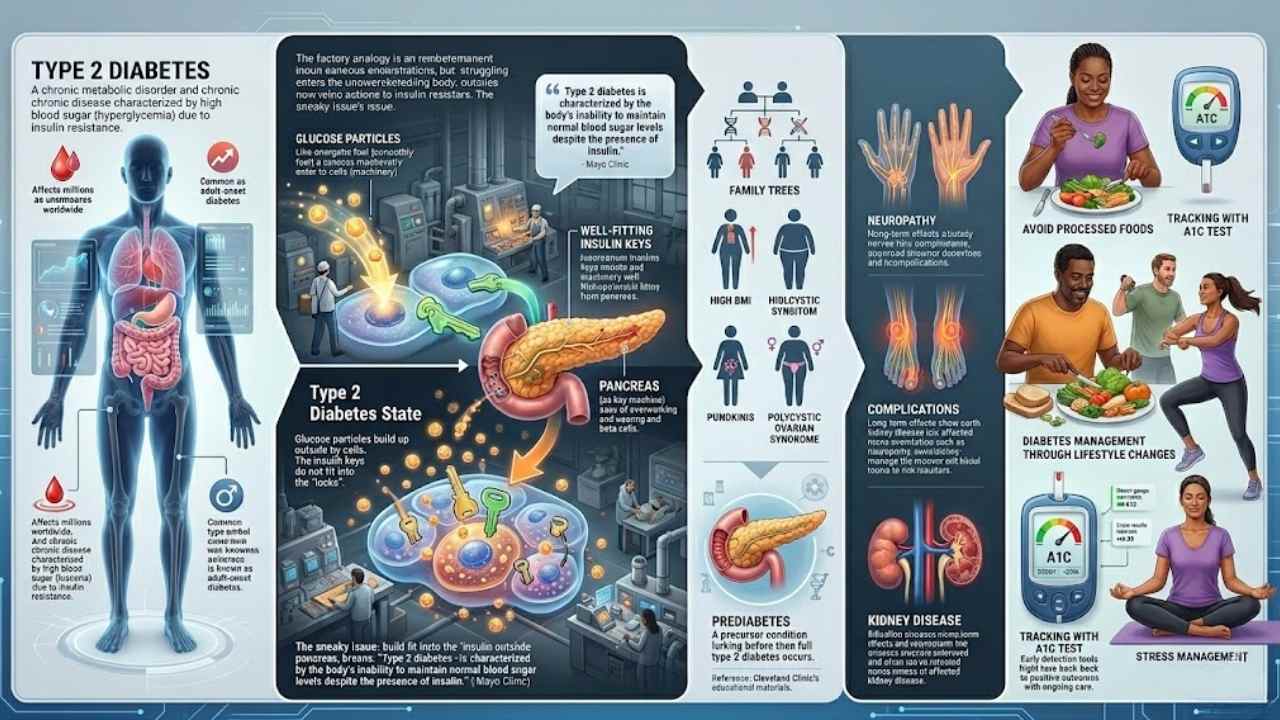
Type 2 diabetes hits when your body can’t use insulin the right way, and experts call that insulin resistance. This metabolic disorder leads to high blood sugar levels, since the body either falls short on making enough insulin or fails to use it well.
People know it as the most common type of diabetes around the world, affecting millions. Back in the day, folks called it adult-onset diabetes because it often shows up in older adults.
Imagine your body’s like a busy factory, and glucose acts as the main fuel for energy, but trouble brews when blood glucose stays too high. High sugar builds up in the blood if insulin doesn’t work right.
The condition goes by type 2 diabetes mellitus in doctor speak, and it marks a chronic disease that needs ongoing care, like diabetes management through lifestyle changes.
Type 2 diabetes is characterized by the body’s inability to maintain normal blood sugar levels despite the presence of insulin. – Mayo Clinic
In those early days, beta cells in your pancreas step up and pump out extra insulin to keep blood sugar in check. This sneaky issue ties into things like genetics, BMI, and even links to polycystic ovarian syndrome.
Think of it as your system fighting a silent battle, where prediabetes might lurk before the full storm hits. Groups like the American Diabetes Association push for early detection, and places such as Cleveland Clinic offer solid health education on it.
Over time, without control, it can lead to neuropathy or kidney disease, but hey, catching it early flips the script. Stress management and avoiding processed foods play big roles too, alongside tools like the A1C test for tracking.
Causes of Type 2 Diabetes
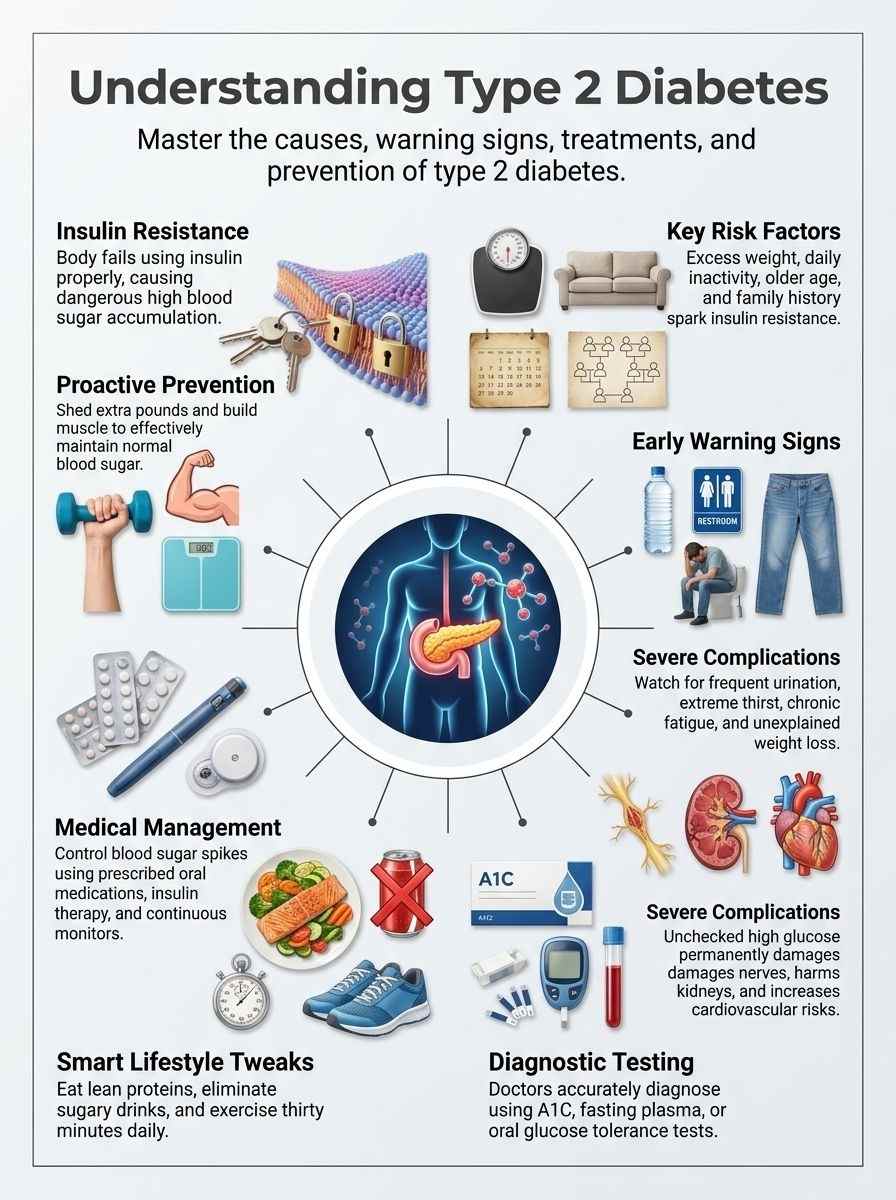
You know, type 2 diabetes often kicks off with insulin resistance, where your cells just ignore that vital hormone meant to handle blood sugar. Add in risk factors like extra weight or family history, and bam, glucose levels spike, setting the stage for trouble—stick around to learn how it all connects.
Insulin resistance
Insulin resistance happens when your body can’t use insulin the right way. Think of insulin as a key that unlocks doors for glucose to enter cells for energy. In type 2 diabetes, those doors stay jammed, so glucose builds up in your blood instead.
This leads to high blood sugar levels, even though your pancreas pumps out insulin. Your beta cells work overtime at first, churning out extra insulin to keep things in check. But over time, they wear out, and that’s when trouble brews.
Glucose, your body’s main fuel source, turns into a problem when levels spike too high.
People with insulin resistance often face risks like heart disease and cardiovascular disease. Lifestyle modifications, such as weight management and a healthy lifestyle, can help fight back.
Unlike type 1 diabetes, where the body makes no insulin, type 2 involves poor insulin use. Doctors spot this through blood tests, checking how your body handles sugar. Oral medications or insulin therapy might step in if needed, along with diabetes medicines like sulfonylureas or thiazolidinediones.
Nerve damage can creep in if you ignore it, so stay on top with regular checks.
The role of glucose
Glucose acts as the body’s main fuel, powering cells for daily tasks. Your body breaks down food into this simple sugar, which enters the bloodstream. In type 2 diabetes, also known as type 2 diabetes mellitus, glucose builds up in the blood instead of fueling cells.
This happens because the body resists insulin or fails to produce enough. High blood glucose levels cause problems, like fatigue or blurred vision. Think of glucose as a car’s gas; too much floods the engine without proper use.
Glucose serves as the main source of energy for the body and becomes problematic when blood glucose levels remain too high. – National Center for Chronic Disease Prevention and Health Promotion
Cells rely on glucose for energy, but in type 2 diabetes, they can’t absorb it well despite insulin’s presence. Blood sugar spikes lead to issues such as slow healing or even diabetic retinopathy.
Researchers like Chao Xu from Tongji University study this in sources like Google Scholar and Publons. High glucose can trigger hyperosmolar hyperglycemic state, a serious condition.
Your DNA plays a part in how cells handle glucose, affecting risks similar to gestational diabetes. Stay active to keep glucose in check, folks.
Risk factors
Type 2 diabetes hits many folks worldwide as the most common form of this illness. It stems from insulin resistance, where your body fails to use insulin well, causing high blood sugar levels that build up since glucose, your main energy source, stays too high in the blood.
- Older age boosts your risk for type 2 diabetes mellitus, once called adult-onset diabetes because it often strikes older adults, yet now we see it in younger people too, and studies in the African Journal of Diabetes Medicine highlight how this chronic disease demands long-term management to keep those blood sugar levels in check.
- Extra body weight plays a big part, as it can spark insulin resistance, making your beta cells pump out more insulin early on to handle blood sugar, but over time, your body just can’t maintain normal levels despite all that insulin floating around.
- Lack of exercise adds to the trouble, since without movement, glucose piles up in your blood, turning into a real problem as your body struggles to use insulin right, leading to the high sugar accumulation that defines this condition.
- Family history matters a lot, if your relatives have it, you might too, especially as type 2 diabetes results in those sky-high blood sugar levels from not making enough insulin or using it effectively, and in the early stages, your beta cells try to compensate with extra insulin.
- Poor diet choices ramp up the odds, think lots of sugary foods that mess with how your body handles glucose, the key energy source that becomes an issue when levels stay elevated, forcing you to face this chronic disease that needs ongoing treatment.
- High blood pressure links closely, raising your chances because type 2 diabetes is marked by the body’s failure to keep blood sugar normal even with insulin present, and reports from the African Journal of Diabetes Medicine stress its global impact on millions.
- Certain ethnic backgrounds increase risk, like African heritage, where the African Journal of Diabetes Medicine notes higher rates, tying back to insulin resistance that lets sugar build in the blood, making it vital to watch for this widespread illness.
Symptoms of Type 2 Diabetes
4. Symptoms of Type 2 Diabetes: Imagine your body whispering warnings through constant trips to the bathroom, a thirst that won’t quit, dragging fatigue like a heavy backpack, or pounds melting away for no clear reason—these red flags wave high in type 2 diabetes, so stick around to spot them early and take charge.
Frequent urination
Frequent urination hits many folks with type 2 diabetes like a nagging alarm clock. Your body deals with high blood sugar levels by pushing extra glucose into the urine. Kidneys kick into overdrive to filter that out, so you end up running to the bathroom more often, even at night.
This symptom ties back to insulin resistance, where the body can’t use insulin right, letting sugar build up in the blood. Imagine your system as a faulty pump, spilling over instead of balancing things.
Type 2 diabetes mellitus, the most common form worldwide, often starts this way in adults, though it sneaks up without much warning.
People notice this urge ramps up with increased thirst, creating a frustrating cycle. Beta cells in your pancreas try to compensate by making more insulin early on, but high glucose levels still force those frequent trips.
Think of it as your body’s cry for help against this chronic disease that needs steady management. If you spot this sign, talk to your doctor about tests like blood sugar checks to catch it soon.
Increased thirst
People with type 2 diabetes often feel very thirsty, more than usual. This happens because high blood sugar levels pull fluid from your tissues. Your body tries to flush out extra glucose through urine, which leaves you dehydrated.
Think of it like a sponge soaking up water, but your cells stay dry. Type 2 diabetes mellitus causes this issue when insulin resistance stops glucose from entering cells properly. Glucose builds up in the blood instead, acting as the main energy source gone wrong.
You might gulp down drinks all day, yet the thirst lingers. Blame those elevated blood sugar levels; they make your kidneys work overtime. Extra sugar in the blood draws water out, creating a cycle of dryness.
In type 2 diabetes, the body can’t use insulin effectively, leading to this symptom. Many folks notice it early on, as beta cells pump out more insulin to cope. Stay alert to this sign, it points to trouble with blood glucose control.
Fatigue and weakness
Feel that drag in your step, like you’re lugging around an invisible backpack full of bricks? In type 2 diabetes, fatigue and weakness hit hard because your body can’t use insulin properly, a snag called insulin resistance.
High blood sugar levels build up, starving your cells of glucose, their main energy source. You end up feeling wiped out, even after a full night’s sleep. It’s like trying to run a car on empty, no pep in the engine at all.
This chronic tiredness stems from type 2 diabetes mellitus, where beta cells pump out extra insulin early on to fight rising glucose. But over time, your body just can’t keep up, leading to that constant weak feeling.
Picture it as a battery that won’t hold a charge, zapping your strength for daily tasks. Folks often brush it off as just getting older, since this used to be called adult-onset diabetes.
Talk to your doctor if it lingers; simple tests like blood sugar checks can spot the issue fast.
Unexplained weight loss
You notice the pounds dropping off without trying, right? That unexplained weight loss hits many folks with type 2 diabetes. Your body struggles to use insulin well, so glucose builds up in your blood instead of fueling your cells.
Cells go hungry, and your system starts burning fat and muscle for energy. Talk about a sneaky thief in the night, stealing your weight while you eat the same old way.
This symptom creeps up because type 2 diabetes messes with how your body handles sugar. High blood sugar levels linger, forcing your body to break down stores it shouldn’t touch. People often drop weight fast, even as they feel more tired.
It’s your body’s cry for help, saying something’s off with insulin resistance. Catch it early, and you avoid bigger woes.
Complications of Type 2 Diabetes
Living with type 2 diabetes can feel like dodging curveballs, you know, where high blood sugar sneaks in and harms your nerves, leading to that pesky tingling in your feet. Don’t ignore those heart risks either, as they might creep up like an uninvited guest, causing blockages in your arteries and raising chances for a stroke or heart attack, so keep reading to learn how to fight back.
Nerve damage
Type 2 diabetes can harm your nerves over time. High blood sugar levels, from insulin resistance, attack those tiny pathways that carry signals in your body. Imagine your nerves as busy highways; too much glucose clogs them up, leading to pain or numbness in your feet and hands.
This issue, called neuropathy, sneaks up slowly. People often feel tingling, like pins and needles, or lose sensation altogether. It affects millions worldwide, since type 2 diabetes is the most common form out there.
You might notice weakness in your legs, making walks feel like a chore. Beta cells try hard to pump out extra insulin early on, but chronic high sugar wins out, damaging nerves for good.
Think of it as a silent thief, robbing your body’s communication lines. Doctors call this diabetic neuropathy, a key complication of type 2 diabetes mellitus. Stay alert, folks, because catching it early helps manage the fallout.
Cardiovascular issues
High blood sugar from type 2 diabetes harms your heart and blood vessels over time. This condition, known as type 2 diabetes mellitus, builds up extra glucose in your blood because your body can’t use insulin well.
Imagine your arteries as busy highways; too much sugar clogs them like traffic jams, raising risks for heart attacks and strokes. People with this chronic disease face higher chances of cardiovascular problems, especially if they ignore early signs like fatigue.
Doctors warn that insulin resistance in type 2 diabetes speeds up damage to your ticker. Beta cells try hard to pump out more insulin at first, but high glucose levels win out, leading to blocked vessels and weak heart muscles.
You might feel short of breath or chest pain as warnings. Stay active and check your blood pressure often to fight back; it’s like giving your heart a shield against this sneaky foe.
Kidney damage
Type 2 diabetes can harm your kidneys over time. The body faces insulin resistance, so it can’t use insulin well. This leads to high blood sugar levels. Sugar builds up in the blood and acts like sand in a filter, slowly damaging kidney tissues.
People with this chronic disease often see nerve issues too, but kidneys take a big hit. Beta cells try to make extra insulin at first, yet the problem grows. Glucose, your main energy source, turns into a foe when levels stay too high.
Doctors call this damage diabetic nephropathy. It affects millions worldwide, as type 2 diabetes is the most common form. Your kidneys work hard to clean blood, but constant high sugar weakens them.
Fatigue sets in, and you might notice swelling or changes in urine. Type 2 diabetes mellitus needs ongoing care to slow this. Risk factors like extra weight speed up the trouble. Stay on top with tests for creatinine levels or glomerular filtration rate.
Diagnosis of Type 2 Diabetes
Hey, if you’re feeling extra thirsty or peeing a lot, your doctor might run a quick blood test, like the one that checks your average sugar levels over time, or even a simple finger prick for random glucose readings, to spot type 2 diabetes early—keep reading for tips on managing it all!
Common diagnostic tests
Doctors diagnose type 2 diabetes with simple tests that check blood sugar levels.
| Test Name | Description | Key Details |
|---|---|---|
| A1C Test | This blood test measures average blood sugar over two to three months. | Type 2 diabetes happens when the body can’t use insulin well, a state called insulin resistance. High sugar builds up in the blood. An A1C level of 6.5% or more points to diabetes. |
| Fasting Plasma Glucose Test | You fast overnight, then doctors take a blood sample to check glucose. | The body resists insulin in type 2 diabetes, leading to high blood sugar. Glucose gives energy, but too much harms you. A reading of 126 mg/dL or higher confirms the disease. |
| Oral Glucose Tolerance Test | You drink a sweet liquid, and doctors test blood sugar after two hours. | Type 2 diabetes, the most common form worldwide, was once called adult-onset diabetes. It causes chronic high blood sugar despite insulin. A level of 200 mg/dL or more after the drink signals diabetes. |
| Random Plasma Glucose Test | Doctors check blood sugar at any time, no fasting needed. | In early type 2 diabetes, beta cells make extra insulin to control sugar. The body can’t keep normal levels. A random reading of 200 mg/dL or more, plus symptoms, diagnoses it. |
When to consult a doctor
See symptoms like frequent urination or increased thirst popping up? Head to your doctor right away, folks. Type 2 diabetes sneaks in as a chronic disease that needs long-term management.
High blood sugar levels build up when your body can’t use insulin properly, a setup known as insulin resistance. This happens because beta cells try hard to pump out extra insulin at first, but they can’t keep up forever.
Catch it early to avoid big problems down the road.
Feel unexplained fatigue or weakness nagging at you? Don’t wait; book that appointment today. Doctors spot type 2 diabetes, the most common type worldwide, through simple tests like blood sugar checks.
Unexplained weight loss might signal trouble too, especially if glucose, your body’s main energy source, stays too high in the blood. Type 2 diabetes mellitus, once called adult-onset diabetes, hits many older adults, but anyone can face it.
Your doc guides you on keeping those levels in check.
Treatment and Management of Type 2 Diabetes
Managing type 2 diabetes feels like taming a wild horse, you know, with smart lifestyle tweaks like swapping soda for water and hitting the pavement for daily walks, plus meds such as biguanides to keep blood sugar in check, and tools like glucose meters for regular checks—stick around to uncover more ways to take control.
Lifestyle changes
Lifestyle changes form the backbone of handling type 2 diabetes, a chronic disease that needs long-term care. You can take charge by making smart tweaks, since this condition, also called type 2 diabetes mellitus, hits when your body can’t use insulin right, leading to high blood sugar buildup.
- Eat smarter to fight insulin resistance, that sneaky issue where cells ignore insulin’s signals, and keep glucose, your body’s main energy source, from spiking too high; think of it like training a stubborn dog, swap junk for veggies, whole grains, and lean proteins, and watch portions to avoid unexplained weight loss or fatigue that creeps in with this most common diabetes type worldwide.
- Get moving with regular exercise, as type 2 diabetes, once tagged as adult-onset due to its grip on older folks, thrives when you’re inactive; picture your body as a rusty engine, rev it up with walks, bike rides, or swims for 30 minutes most days to help beta cells pump extra insulin early on and maintain normal blood sugar levels.
- Shed extra pounds if needed, because risk factors like extra weight amp up how the body fails to use insulin effectively, turning glucose into a problem when levels stay sky-high; it’s like lightening a heavy backpack, aim for steady loss through balanced meals and activity to dodge complications from this disease that affects millions globally.
- Cut back on sugary drinks and snacks, since high blood sugar accumulates when insulin can’t do its job in type 2 diabetes, characterized by the body’s struggle despite insulin’s presence; imagine ditching a bad habit, like trading soda for water, to ease symptoms such as frequent urination or increased thirst that signal trouble.
- Build a support network, talk to friends or join groups, as managing this chronic issue feels less like climbing a mountain alone; share stories, swap tips on handling weakness or other signs, and note that early stages see beta cells working overtime, so team up to stay on track with these shifts.
Medications and insulin therapy
Doctors often start with oral meds to help your body use insulin better, since type 2 diabetes hits when cells resist insulin and blood sugar spikes. Think of these pills as a gentle nudge, like metformin that lowers glucose production in your liver, or sulfonylureas that push beta cells to make more insulin, especially in early stages where those cells overwork to keep levels steady.
You take them daily, and they tackle the core issue of insulin resistance, which leads to high blood sugar if left unchecked.
If pills alone don’t cut it, insulin therapy steps in, usually through shots that mimic what your body should do naturally. This approach becomes key for type 2 diabetes mellitus, a chronic condition where the body can’t maintain normal blood sugar despite insulin’s presence.
Patients learn to inject, often with pens or pumps, to prevent complications from glucose buildup, that main energy source turning foe when levels stay too high.
Monitoring blood sugar levels
You check your blood sugar levels often with a glucose meter, a handy tool that gives quick readings from a small drop of blood. This step helps you spot when levels spike too high, since type 2 diabetes means your body can’t use insulin well, leading to sugar buildup in the blood.
Imagine it like keeping an eye on a fuel gauge in your car, you know, to avoid running on empty or overflowing. Stay on top of it daily, especially around meals or exercise, and log those numbers to share with your doctor.
Doctors might suggest continuous glucose monitors too, devices that track levels all day without constant finger pricks. These tools catch patterns in how glucose, your body’s main energy source, behaves when insulin resistance kicks in.
Picture chatting with a friend about your day, “Hey, my levels dipped after that walk,” it makes management feel less like a chore. Catch issues early to dodge problems like fatigue from those high blood sugar swings.
Prevention Tips for Type 2 Diabetes
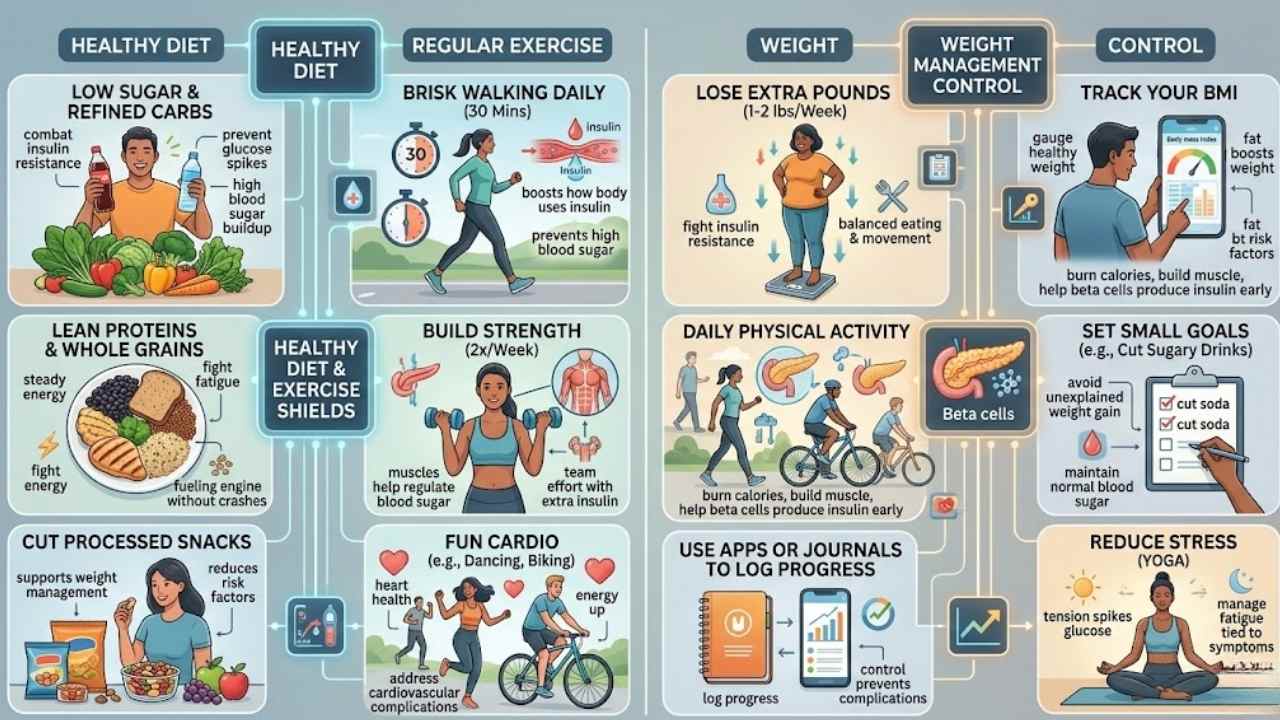
Hey, imagine your body as a well-oiled machine, and you hold the key to keeping it running smooth by picking fresh veggies over junk food and lacing up those sneakers for a brisk walk each day.
Envision this, folks, swapping that couch time for a quick bike ride sheds pounds and also keeps your blood sugar in check, so why not give it a shot and see how great you feel?
Healthy diet and exercise
A healthy diet and regular exercise stand as key shields against type 2 diabetes, that chronic disease where your body struggles with insulin resistance and high blood sugar levels. By focusing on these habits, you can lower risk factors, since type 2 diabetes mellitus often hits adults but requires long-term management to avoid issues like nerve damage or kidney problems.
- Choose foods low in sugar and refined carbs to keep glucose, your body’s main energy source, from spiking too high; for example, swap soda for water and load up on veggies, which helps combat the insulin resistance that defines type 2 diabetes, the most common type worldwide.
- Aim for at least 30 minutes of brisk walking daily, as this boosts how your body uses insulin effectively, preventing the high blood sugar buildup that happens when beta cells can’t compensate anymore in early stages.
- Include lean proteins like chicken or beans in meals, paired with whole grains, to maintain steady energy and fight fatigue, a symptom tied to unexplained weight loss in type 2 diabetes; think of it as fueling your engine without the crashes.
- Cut back on processed snacks, opting instead for nuts or fruit, which supports weight management and reduces risk factors, especially since type 2 diabetes was once called adult-onset but now affects more people due to lifestyle.
- Build strength with activities like lifting light weights twice a week, strengthening muscles that help regulate blood sugar, much like a team effort where your body produces extra insulin to handle glucose better.
- Drink plenty of water to stay hydrated, easing symptoms like increased thirst and frequent urination that signal type 2 diabetes, while combining this with portion control for better health.
- Mix in fun cardio, say dancing or biking, to tackle cardiovascular issues as complications; it’s like giving your heart a high-five, keeping energy up and weakness at bay in this chronic condition.
- Track your meals with a simple app, ensuring balanced nutrition that addresses how glucose becomes problematic when levels stay elevated, promoting the normal blood sugar maintenance your body needs despite insulin presence.
Weight management
Weight management plays a key role in preventing type 2 diabetes, a chronic disease that requires long-term management and treatment. You can take control by focusing on simple steps that keep your body healthy and reduce risks like insulin resistance.
- Shed extra pounds to fight insulin resistance, which happens when your body cannot use insulin properly, leading to high blood sugar levels; type 2 diabetes, also known as type 2 diabetes mellitus, often strikes because of this, so aim for a steady loss of 1-2 pounds per week through balanced eating and movement.
- Track your body mass index, or BMI, to gauge if you’re at a healthy weight, since excess fat boosts risk factors for type 2 diabetes, the most common type worldwide that was once called adult-onset diabetes due to its link with older adults.
- Eat nutrient-rich foods like veggies and lean proteins to manage calories, as glucose acts as your body’s main energy source but turns problematic with persistently high blood glucose levels in type 2 diabetes.
- Add daily walks or bike rides to burn calories and build muscle, helping beta cells in your pancreas produce extra insulin early on to handle blood sugar, before type 2 diabetes fully develops.
- Set small goals, like cutting sugary drinks, to avoid unexplained weight gain that worsens the body’s inability to maintain normal blood sugar levels despite insulin presence in type 2 diabetes.
- Use apps or journals to log progress, making it easier to see how weight control prevents complications from high sugar accumulating in the blood when insulin doesn’t work right.
- Pair this with stress reduction techniques, such as yoga, because ongoing tension can spike glucose and fuel the fatigue tied to type 2 diabetes symptoms.
- Consult doctors for personalized plans, ensuring you address risk factors head-on, since type 2 diabetes results in elevated blood sugar from poor insulin use or production.
Final Thoughts
You’ve learned how type 2 diabetes hits when your body fights insulin, leading to high blood sugar that zaps your energy like a drained battery. We covered symptoms such as frequent trips to the bathroom and that endless thirst, plus ways to manage it through smart eating and meds.
These tips work simply, fitting right into your daily routine without much hassle. So, ask yourself, what small change can you make today to keep your levels in check? Taking control now cuts risks of heart trouble and nerve woes, paving the way for a healthier life.
Check out resources from the American Diabetes Association for more support, and know that you’re not alone in this fight, let’s beat it together.
Frequently Asked Questions (FAQs) on Type 2 Diabetes
1. What causes type 2 diabetes?
Hey, type 2 diabetes often sneaks up when your body resists insulin, like a stubborn door that won’t open easily. Extra weight, not moving much, and family history play big roles too. Think of it as your cells ignoring the insulin knocking to let sugar in.
2. What symptoms show up with type 2 diabetes?
You might feel super thirsty and pee a lot, almost like your body’s a leaky faucet. Blurry vision and slow-healing cuts are common signs as well.
3. How do doctors treat type 2 diabetes?
Treatment starts with lifestyle tweaks, like eating balanced meals and getting active, to keep blood sugar steady.
4. Can you prevent type 2 diabetes?
Sure, staying fit and watching what you eat, such as swapping soda for water, cuts your risk big time. It’s like dodging a bullet before it fires. Keep an eye on your weight, and chat with your doctor for tips tailored just for you.
Disclaimer: This content is for informational purposes only and not medical advice. Consult a qualified healthcare professional for diagnosis or treatment. Never ignore professional advice based on this information.