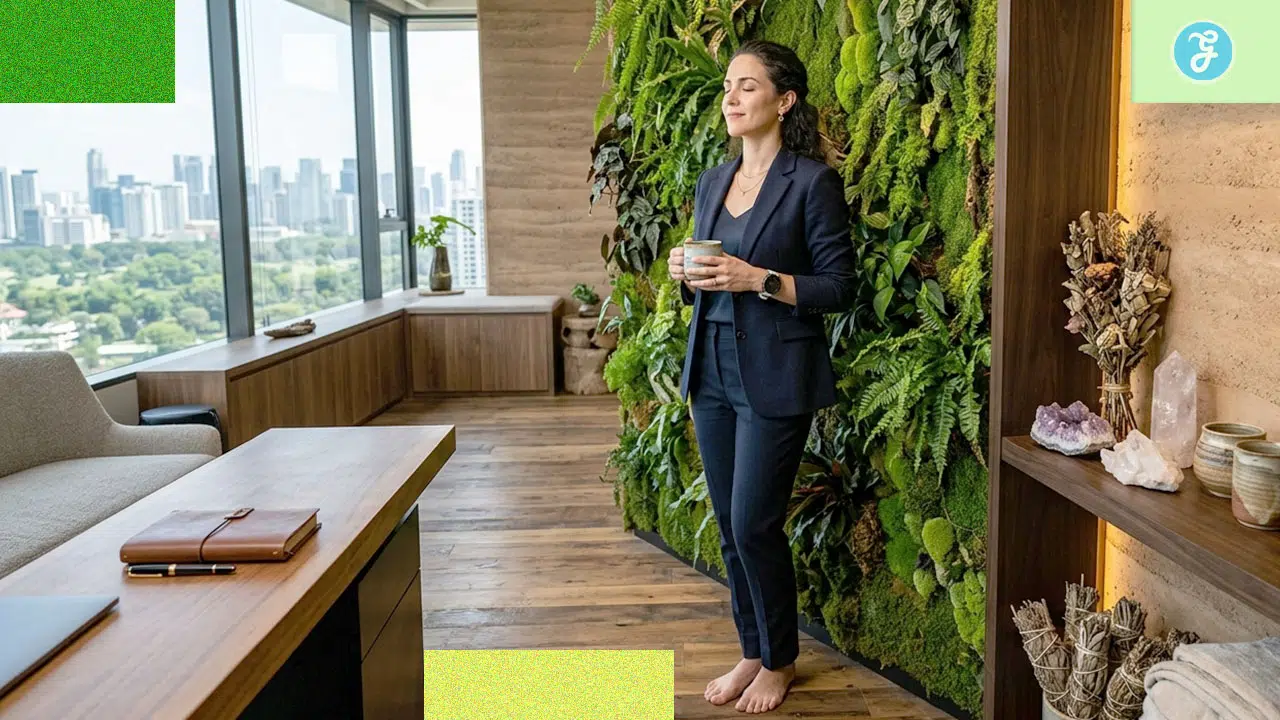
The digital hangover is real. You feel it after ten hours of blue light and plastic keyboards. Your eyes itch. Your focus blurs. This isn’t just a tired mind. It is synthetic fatigue. Modern life has boxed us into environments made of off-gassing polymers and sterile surfaces. But a shift is happening. High-performers are trading the clinical for the visceral. They are embracing Biogenic Luxury. This movement merges high-end living with raw, earth-born materials. It moves beyond simple green living. It uses the tactile intelligence of neem, copper, and bamboo to restore the human nervous system.
Luxury used to be about how much an item cost. Now it is about how an item makes you feel. Specifically, how it helps you breathe and think. Biogenic Luxury replaces the disposable with the heritage. It is the antidote to a life lived in the cloud. When you swap a plastic water bottle for a heavy copper vessel, something changes. You aren’t just hydrating. You are engaging with a material that has cooled human thirst for millennia.
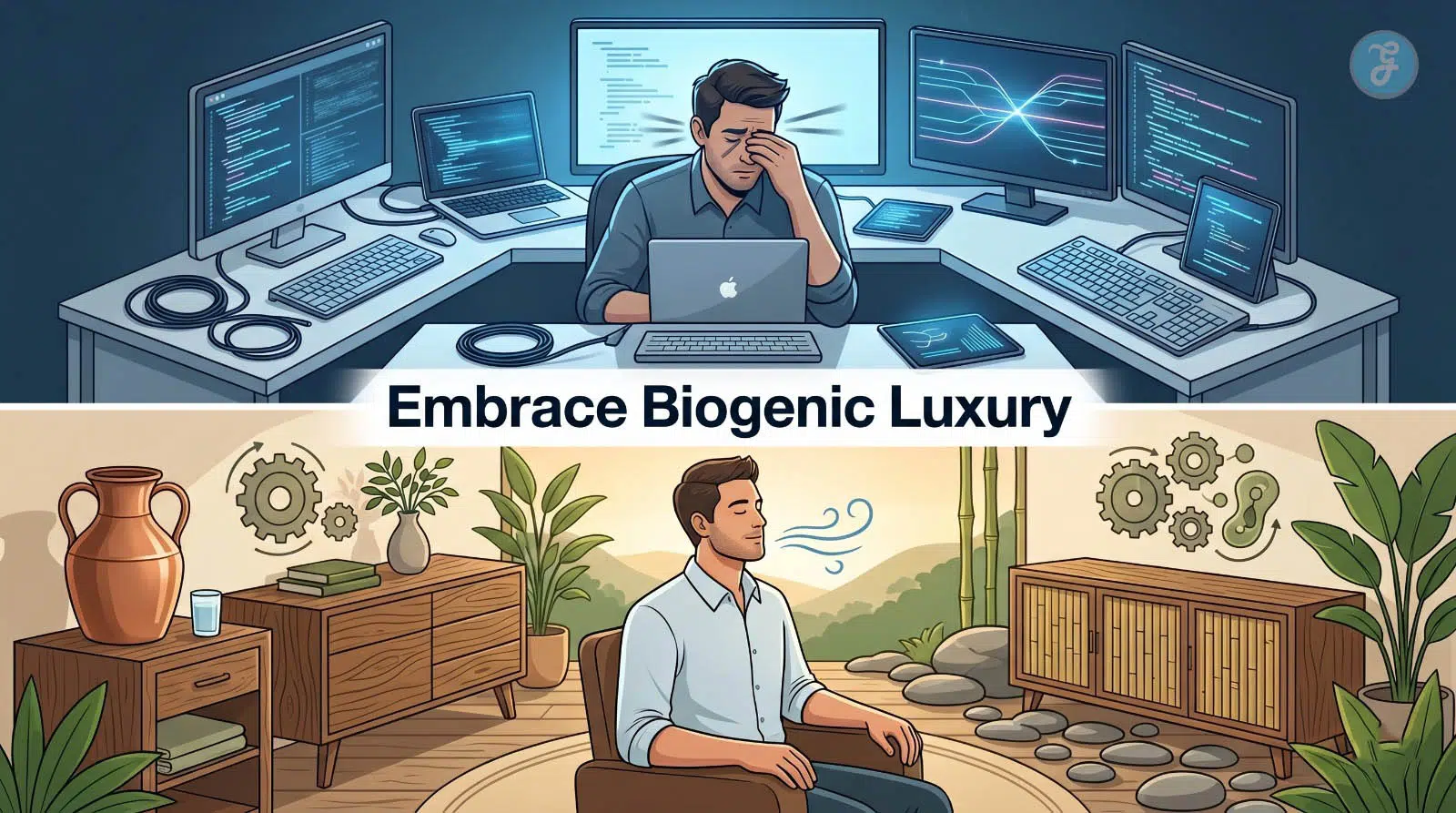
This transition marks a pivot in the global elite. We are moving away from conspicuous consumption. Showing off wealth is no longer the goal. The new priority is biological resonance. High-performance professionals now seek environments that vibrate at the same frequency as their own physiology. They want homes and offices that act as extensions of their biology. This is not a trend. It is a return to a sensory truth that we almost forgot.
The Science of the Senses: Why Materials Matter
Your brain never stops scanning your environment. It gathers data through your skin and nose every second. When that data is purely synthetic, the brain stays on high alert. Switching to biogenic materials changes the chemical signals your body sends to your mind. It transforms a workspace from a source of stress into a tool for recovery.
The Ritual of Contact and Haptic Perception
Work today is often invisible. You move pixels and send emails, and this lack of physical friction can lead to a sense of drift. Interacting with weighted, earth-born objects provides an immediate remedy through the ritual of contact. When you grip a handle made of hand-carved neem or pick up a heavy brass paperweight, your nervous system reacts instantly.
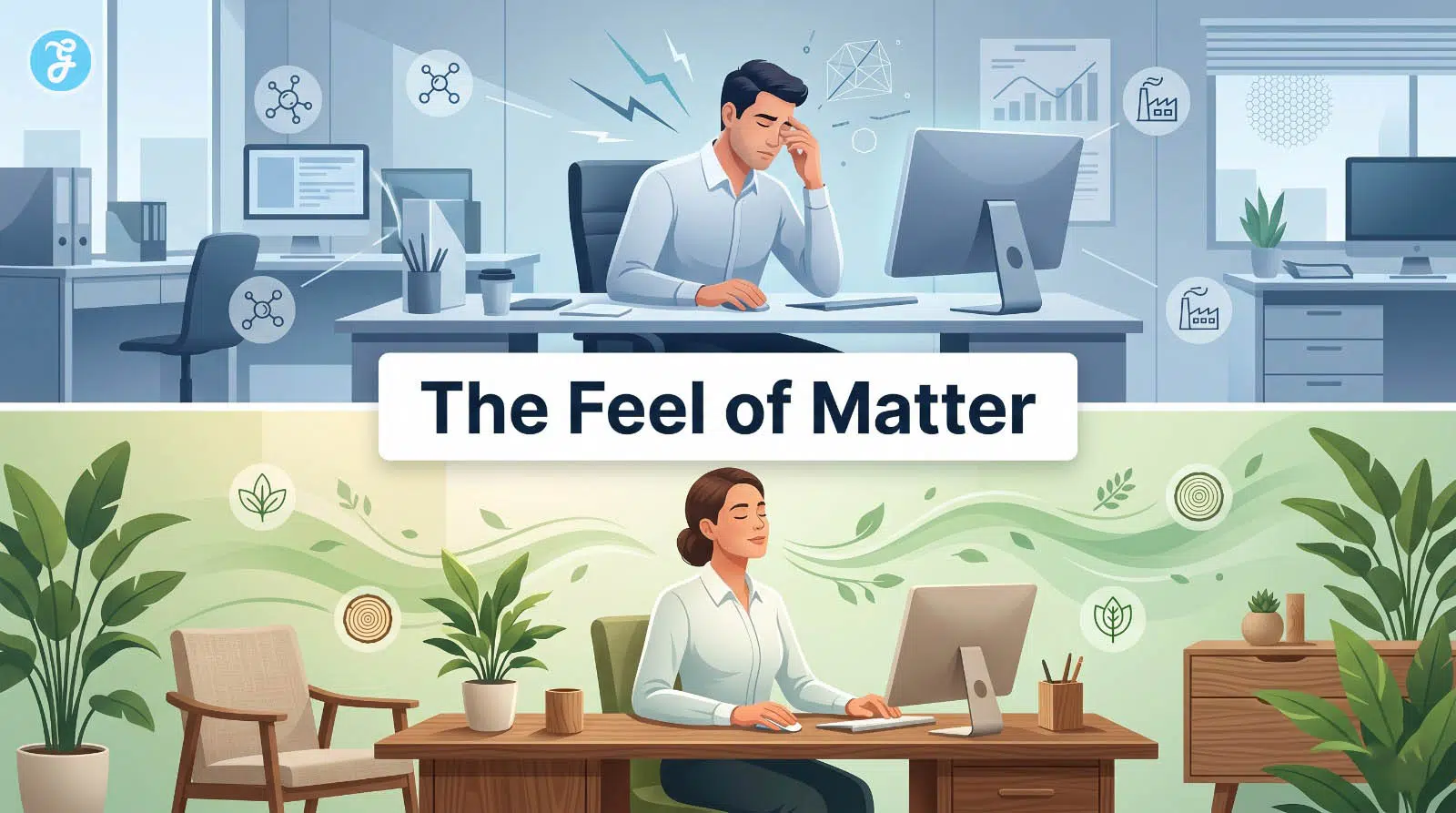
Research into haptic perception shows that these natural textures lower cortisol levels. Unlike synthetic plastics that feel dead to the touch, heritage materials possess a thermal mass and a complex variety of ridges. They feel cool or warm depending on the room. This tactile feedback acts as a silent reset for a mind frayed by digital tasks. It pulls your focus out of the screen and grounds you in the physical world, helping you maintain a steady heart rate during high-stakes negotiations.
The Antimicrobial Heritage of Copper and Neem
Cleanliness is a performance metric. A sick professional is an unproductive one. This is where ancestral wisdom meets the modern lab. Copper is not just a metal. It is a biological shield. The oligodynamic effect allows copper to kill bacteria and viruses on contact. It does this by shattering the cell walls of pathogens. Neem wood works similarly. It contains natural compounds like azadirachtin that repel pests and inhibit fungal growth. Using these heritage materials creates a naturally sterile zone. You stop relying on harsh chemical sprays that irritate the lungs. You let the materials do the work of protecting your health.
The Olfactory Anchor and Cognitive Focus
Your nose is a direct gateway to the limbic system. This is the part of the brain that handles memory and emotion. Natural woods like cedar and neem release organic compounds called phytoncides. These are the same chemicals that make forest air feel so refreshing. Inhaling these scents has a measurable impact on focus. Studies show that phytoncides increase the activity of natural killer cells in the blood. They also improve sleep quality by calming the sympathetic nervous system. A biogenic office smells like growth and stability. It provides an olfactory anchor that keeps you focused on deep work. You aren’t just breathing. You are optimizing your brain chemistry.
The Pillars of the Biogenic Suite
True luxury serves a purpose beyond looking good. The materials in a biogenic space work for the person living there. They solve problems like air quality and hygiene without needing an outlet or a battery. These materials are the silent partners in a high-performance lifestyle.
Neem Wood: The Executive Pharmacy
Neem is often called the village pharmacy for a reason. Every part of the tree has a biological use. In the context of a modern office, neem wood provides a durable and self-healing surface. It is naturally antifungal and antibacterial. Unlike softwoods that require heavy chemical sealants, neem stands on its own merit. It resists pests and decay because of its bitter chemical makeup. Using a neem wood desk or organizer brings a sense of permanence to a workspace. It is a dense wood that handles the weight of heavy equipment with ease. It turns a standard desk into a tool for wellness.
Copper and Brass: The Science of Clean
Copper and its alloys like brass are more than just shiny accents. They are active health tools. The oligodynamic effect is a scientific reality. It means these metals have the power to destroy harmful microbes on contact. When you touch a brass door handle or drink from a copper vessel, you are using ancient technology to stay healthy.
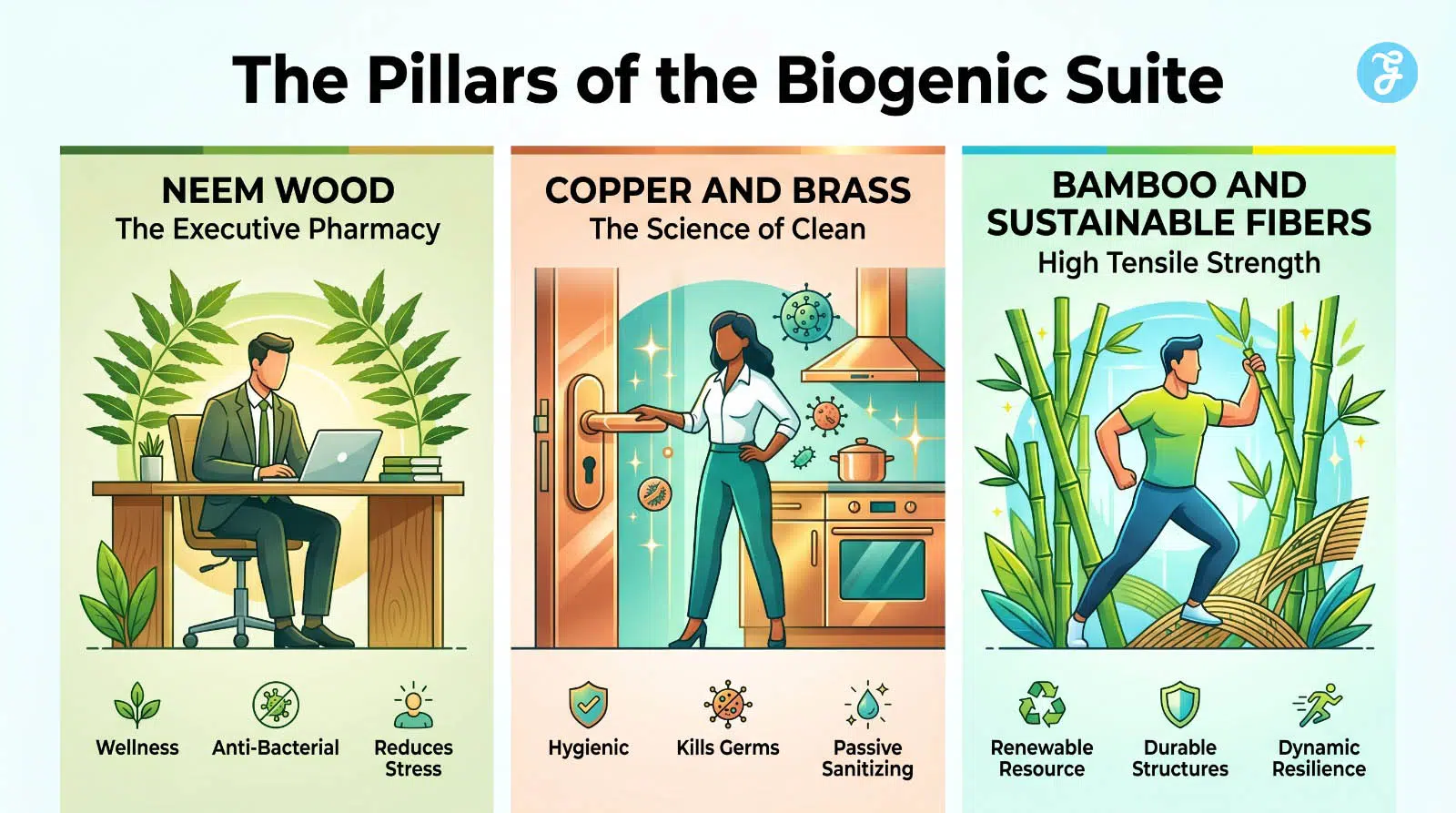
Research shows that copper surfaces kill 99.9 percent of bacteria within two hours. For a busy professional, this reduces the risk of common seasonal illnesses. It is a passive way to keep your environment safe. The metal develops a deep patina over time. This changing color shows that the material is reacting and alive.
Bamboo and Sustainable Fibers: High Tensile Strength
Bamboo is a grass that thinks it is steel. It has a higher tensile strength than many metal alloys. This makes it an incredible choice for furniture and structural elements. It grows at a lightning-fast pace. This makes it the ultimate renewable resource for the modern home. Bamboo fibers are also naturally breathable and moisture wicking. When used in office seating or wall panels, they help regulate the temperature of the room. They provide a warm and organic feel that synthetic fibers cannot match. They bring a sense of natural balance to a tech-heavy room.
Ancestral Wisdom for the Modern High-Performer
Success in a digital world requires a physical anchor. Ancient traditions survived because they respected the limits of human biology. By bringing these old ways into a high-performance setting, you build a bridge between modern ambition and biological peace. It is the smartest way to stay human in a world of algorithms.
Mental Clarity Through Minimalism
Visual noise is a silent killer of productivity. Synthetic environments are often cluttered with bright logos and cheap finishes. Earth born materials offer a different path. They provide a neutral palette that is easy on the eyes. This reduces the cognitive load on your brain. When your desk is made of a single slab of wood, your mind has less to process. This minimalism fights decision fatigue. You stop worrying about the space and start focusing on the work. Natural materials possess a fractal quality. These are patterns that repeat in nature. Humans are hardwired to find these patterns relaxing. A biogenic space clears the mental deck. It allows for the kind of deep focus that leads to true breakthroughs.
Curating the Biogenic Home Office
Building a biogenic workspace is not about a total demolition. It is about a thoughtful replacement of the synthetic with the living. You start with the items you touch most often. By shifting the material composition of your desk, you change the energetic output of your work day.
Tactical Swaps for the High-Performer
Start with your peripherals. Most of us spend hours gripping plastic mice or tapping on polymer keys. Swap your plastic desk mat for one made of cork or vegetable tanned leather. Replace your mass produced water bottle with a copper pitcher. These changes are small but immediate. They remove the constant contact with petroleum-based products. Look for office organizers made of solid neem wood instead of acrylic. These items do more than just hold pens. They release faint natural scents that help you maintain a steady flow state. You are building an ecosystem that supports your biology.
The Investment Value of Patina
Synthetic materials are at their best the day you buy them. From that moment on, they only degrade. They scratch and yellow and break. Heritage materials like brass, copper, and solid wood do the opposite. They age with grace. They develop a patina. This layer of oxidation or wear is a badge of use. It represents the hours you spent building your legacy. A well-made bamboo chair or a copper desk lamp becomes more beautiful over time. This makes them a superior investment. You aren’t buying something that will end up in a landfill in two years. You are acquiring a legacy piece that gains character as you gain experience. This is the financial logic behind biogenic luxury.
The Future is Ancestral
The era of the “smart” home is hitting a ceiling. We have enough sensors and screens. What we lack is a sense of belonging in our own spaces. The next wave of high-end living moves away from mere automation and toward deep wisdom. This is where Biogenic Luxury becomes the standard for the elite. It is a return to environments that actually understand how a human body functions.
Moving from Smart to Wise
A smart home tracks your data. A wise home protects your biology. By stripping away the synthetic noise, you create a space that works for you on a cellular level. You don’t need a light to tell you when to sleep if your room is filled with the calming scents of natural wood.
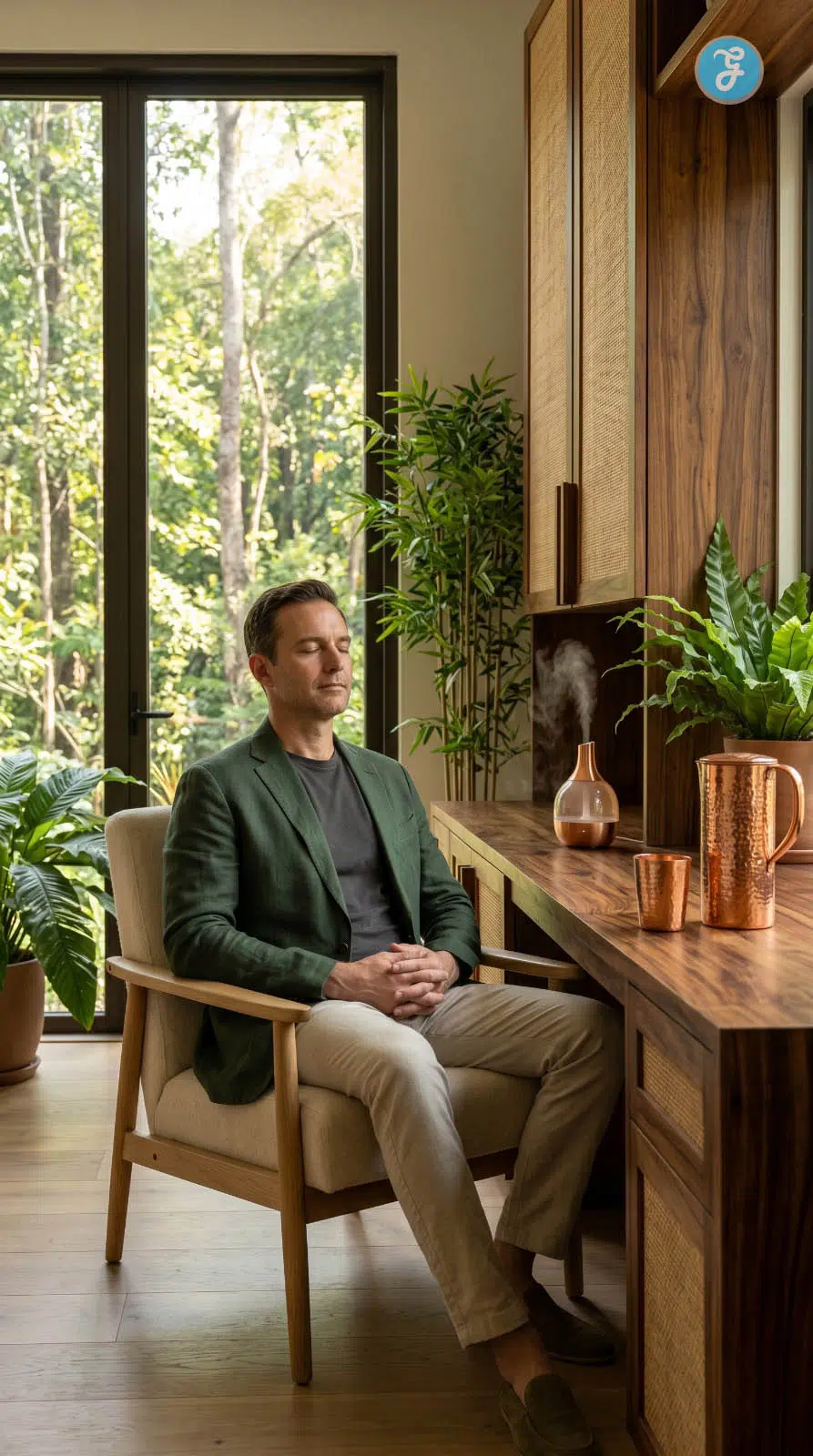
You don’t need a filter if your surfaces are made of antimicrobial copper. This shift is about agency. It is about choosing materials that have supported human health for thousands of years. High-performers are realizing that the most advanced technology is often the one that grew from the ground.
The Ultimate Luxury is Peace
We often measure success by what we can buy. But the rarest commodity in the modern world is a quiet mind. High-performance is impossible if your nervous system is in a constant state of low-level alarm. Biogenic Luxury provides the grounding needed to reach the next level. It replaces the friction of the digital world with the flow of the natural one. When you surround yourself with neem, bamboo, and copper, you aren’t just decorating. You are healing. The ultimate luxury is a nervous system at peace. It is the ability to walk into your home and feel the world fall away. This is the power of the biogenic shift. It is time to come home to yourself.
Frequently Asked Questions (FAQs) on Biogenic Luxury
What is the difference between Biogenic Luxury and Biophilic Design?
Biophilic design is a broad concept using plants and light to connect people with nature. Biogenic Luxury is a specialized niche. It focuses on high-end materials with tactile intelligence. While biophilia might use a green wall, this movement focuses on the items you touch. It prioritizes heritage materials like neem or copper to boost performance and biological health.
How does Biogenic Luxury reduce Directed Attention Fatigue?
Digital work requires intense forced focus which exhausts the brain. Natural materials contain fractal patterns that the human mind processes without effort. Surrounding yourself with these textures lowers your cognitive load. It allows your brain to rest even during a busy day. This leads to higher productivity and better mental clarity.
Can Biogenic materials improve air quality without technology?
Yes. Materials like raw bamboo are naturally breathable. They help manage indoor humidity levels by absorbing excess moisture. Heritage materials are also typically free of volatile organic compounds. They do not release the toxic gases found in synthetic glues or plastics. This creates a cleaner environment that supports deep breathing and focus.
Why is the patina of copper or wood considered a luxury?
In a world of disposable goods, a patina proves authenticity. It is a natural process showing that a material is reacting to its environment. In Biogenic Luxury, this aging process is a mark of quality. It represents a long term connection between a professional and their tools. Unlike plastic which degrades, these materials gain character and beauty as they age.
Is Biogenic Luxury more expensive than traditional design?
The upfront cost for solid neem or copper is often higher. However, the lifecycle value is superior. These pieces are built to last for generations. They do not suffer from the planned obsolescence of modern furniture. When you include the benefits of lower stress and better focus, the return on investment is clear for any high-performer.