Most websites are polite. They exist, they load reasonably quickly, they tell visitors something about the business, and they offer a way to make contact. They are functional in the same way that a filing cabinet is functional: capable of holding information, but not capable of doing much on their own without someone actively directing them toward a purpose.
The websites that perform differently are not simply better looking or more technically sophisticated. They have been built around a fundamentally different premise: that the site is not a brochure. It is a team member. One that works every hour of every day, never calls in sick, speaks to every visitor with the same level of care and attention, and is capable of moving people from unfamiliarity to genuine interest without any human involvement at all.
Getting a website to perform at that level is not a design project. It is a strategy project with design as one of its outputs, and it requires the same quality of thinking that goes into any other serious business investment, applied consistently over a sustained period of time.
Understanding What the Website Is Actually Supposed to Do
The most important question to ask before changing anything about a website is: what is this site actually supposed to accomplish? Not in general terms, but specifically. Which visitors should it attract, at what stage of their decision-making process, and what should happen to them while they are there?
Most websites are built without a clear answer to this question. They are built around what the business wants to say rather than what the visitor needs to find. The result is a site that communicates the business’s perspective clearly but fails to serve the visitor’s actual journey, which is the only journey that ends in a meaningful conversion.
When a business, working with a skilled digital marketing agency, takes the time to genuinely understand its visitors: who they are, what brought them to the site, what questions they need answered, and what would give them enough confidence to take the next step, the website that gets built around those insights performs at a categorically different level from one built around internal assumptions about what visitors want to see.
The Conversion Architecture That Most Sites Are Missing
Every page on a high-performing website is designed with a specific outcome in mind. Not in a manipulative sense, but in the sense that clarity about the goal shapes every decision: what gets said, in what order, with what evidence, and toward what call to action.
This conversion architecture is invisible when it is working well. Visitors do not notice that they are being moved through a carefully considered sequence of information and reassurance. They simply feel that the site makes sense, that their questions are being answered in the right order, and that the next step being offered to them feels natural rather than forced or premature given where they are in their decision.
Building this architecture requires a genuine understanding of the psychology of decision-making as it applies to the specific people who visit the specific site in question. Generic best practices help, but they are not a substitute for understanding the particular doubts, objections, and needs of a specific audience in a specific context and competitive environment.
The Technical Performance That Underpins Everything
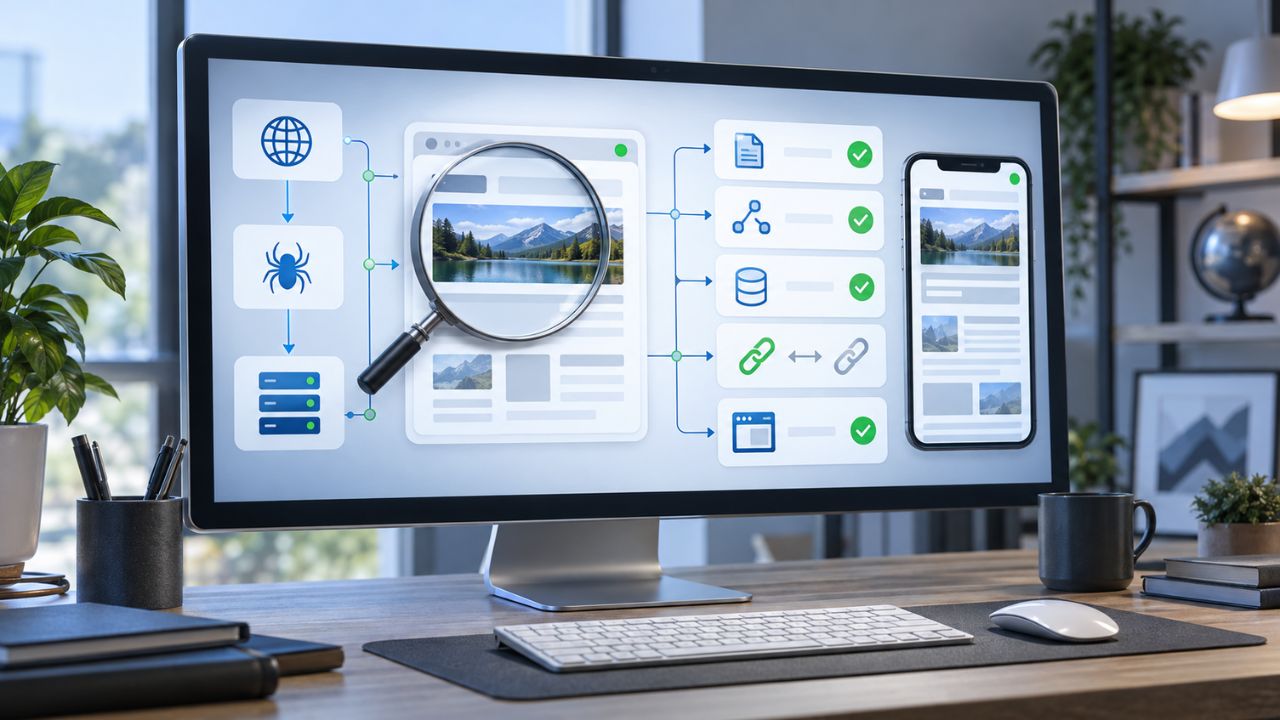
A website that has excellent content and strong conversion architecture but loads slowly, performs inconsistently on mobile, or breaks in certain browsers is a website that is losing visitors before they have had a chance to be persuaded by any of it.
Technical performance is not a checkbox. It is a competitive advantage. In a world where attention is scarce and alternatives are one back-button away, a site that loads in one second converts measurably better than a site that loads in three. The difference is not trivial, and it compounds across every visitor the site receives over the course of a month or a year of operation.
Getting the technical foundation right is not glamorous work, but it is foundational in the most literal sense. Everything built on top of it is only as effective as the platform beneath it allows, and a weak technical platform limits even the strongest content and clearest conversion architecture.
Search Visibility as the Engine of Consistent Traffic
A website that performs well but cannot be found is a room with no door. Search visibility, the ability of the site to appear in front of people who are actively searching for what the business offers, is what determines whether the conversion work and the technical investment are ever put to use at meaningful scale.
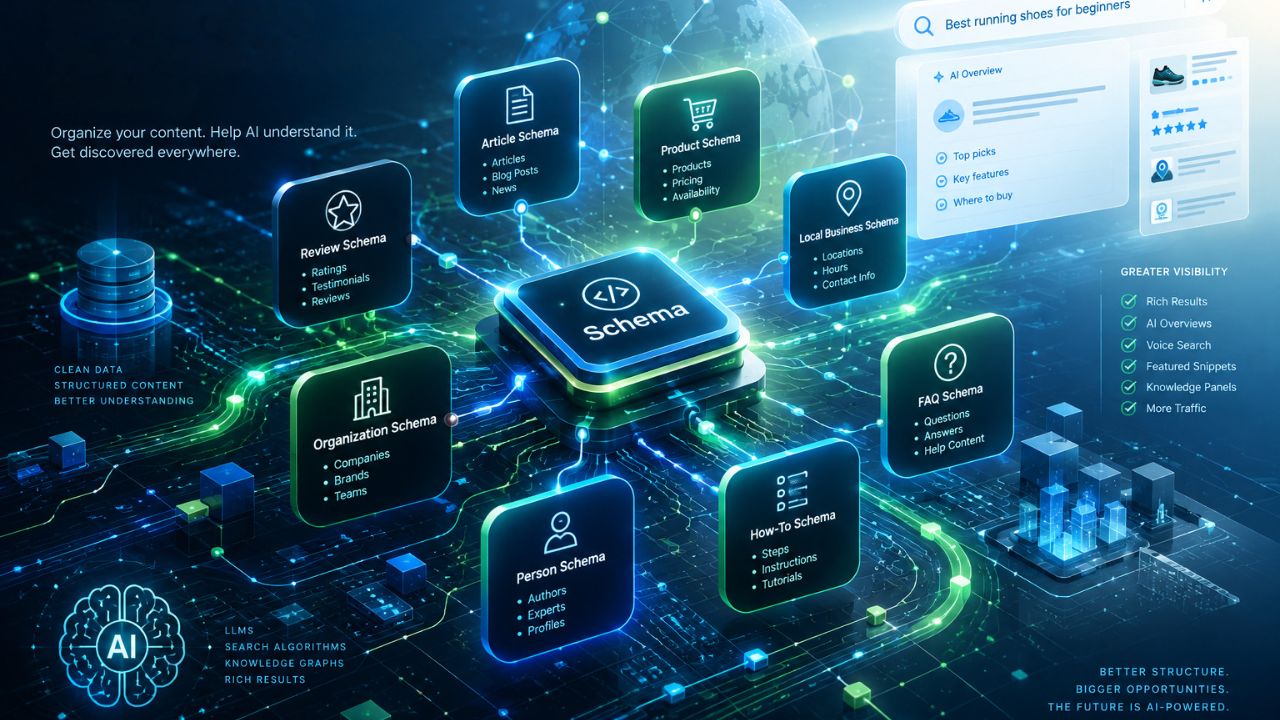
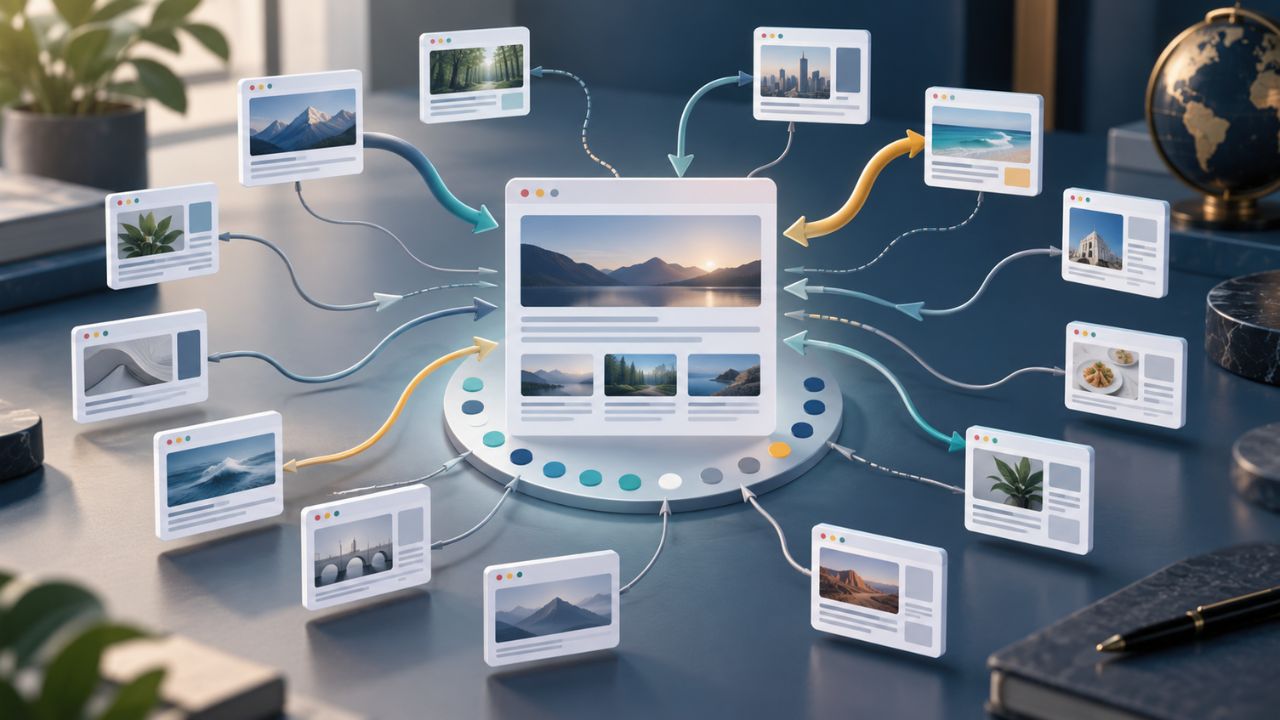
Building search visibility is a long-term project that rewards patience and consistency. It requires producing content that genuinely addresses what the target audience is searching for, building the kind of authority that search engines recognize as credible and trustworthy, and maintaining the technical conditions that allow the site to be indexed and ranked correctly over time.
When search visibility and conversion performance are working together well, the result is a website that brings in a consistent and growing stream of qualified visitors and converts a meaningful percentage of them without active intervention from the team on a daily basis.
The Ongoing Work of a High-Performing Site
A website that is working as the hardest member of your team is not a finished product. It is a living system that requires attention, testing, and iteration as the market evolves, as the audience’s needs shift, and as new data reveals what is working and what can be meaningfully improved in the months ahead.
The businesses that get the most from their websites are the ones that treat them as ongoing investments rather than completed projects. They test headlines, adjust calls to action, respond to changes in search behavior, and use data to make decisions rather than rely on assumptions about what their visitors want.
That ongoing commitment is what separates a website that performs well for a period from one that keeps getting better. And a website that keeps getting better is the closest thing to a self-improving team member that any business can realistically have.