
Finding content ideas the audience actually wants used to mean finding a keyword with volume and low difficulty. That method is close to dead. Zero-click searches hit 68% in the US in early 2026, AI Overviews now appear on more than 20% of Google searches, and when one appears, click-through rates fall by almost 60%.
I have spent eight years in SEO and content, and I now judge every idea by one test: can an AI answer box finish this topic without my client? If yes, it is not an idea. It is a paragraph someone else will summarize. Here are the ten methods I still use.
Why Content Ideas the Audience Actually Wants Look Different Now
Two numbers changed how I plan. Pew found that when an AI overview is present, only 8% of users click an organic result, against 15% when it is absent, and only 1% click the citations inside the overview. Google said at I/O 2026 that AI Mode had passed a billion monthly users, with query volume more than doubling each quarter.
The second shift is more useful for idea generation. A March 2026 study of 863,000 SERPs found only 38% of AI-cited sources rank in Google’s top 10, so citation and ranking have come apart. Being cited is now its own goal, which is why I treat getting content cited by AI search as the brief, not a bonus.
10 Ways to Find Content Ideas the Audience Actually Wants
1. Read Search Console for Questions, Not Keywords
Sort by impressions, then read the query list as sentences. Long, oddly worded queries are people thinking out loud. Those are the ideas. Short head terms are the ones AI answers on your behalf. I spend more time in the query report than in any keyword tool now.
2. Find Where You Lose the Click
This is the negative filter, and agencies rarely run it. Pull queries where impressions rose but clicks did not. Those topics are settled on the results page. Stop pitching them, however good the volume looks. Reallocating that budget is the fastest win you can hand a client.
3. Ask the AI Engines What They Already Say
Run twenty buyer questions through ChatGPT, Gemini, and Perplexity. Write down which answers are thin, outdated, or wrong. An answer the models cannot give well is a commission.
I ran this on a batch of software-buying questions last quarter. Every engine named the same five tools, and every one of them quoted pricing that had changed months earlier. No current figure existed anywhere, so that gap became the brief. Outdated prices, old version numbers, and superseded rules are where the models are consistently weakest.
4. Track What You Already Get Cited For
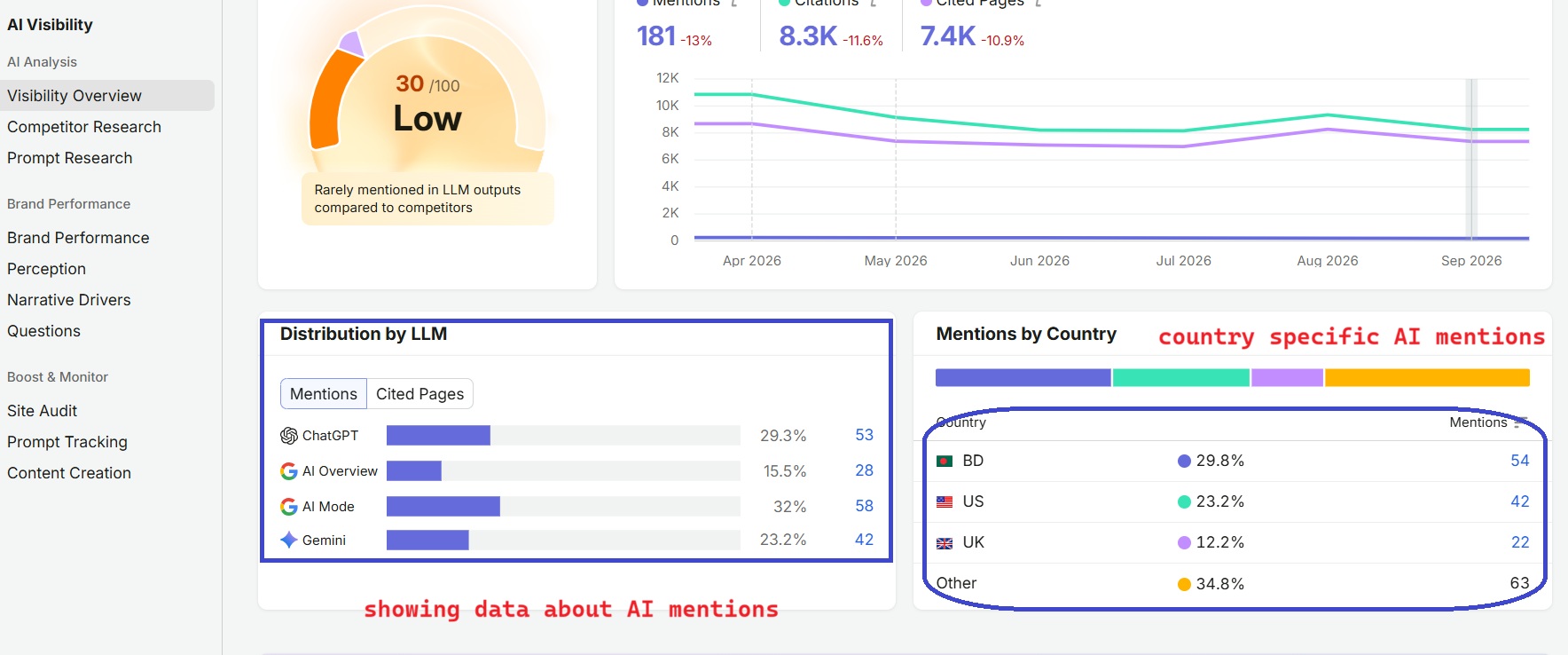
Ahrefs Brand Radar, Semrush’s AI visibility toolkit, and Profound all show which pages AI engines pull from. The pattern in that list tells you what format to repeat. One analysis of 45,144 fan-out queries found ChatGPT evaluates roughly 2.5 times more sources than it cites, with only 39.5% of evaluated sources making it into an answer. Being read is not being cited.
5. Read the Threads AI Reads
Reddit is the most frequently cited domain across Google AI Overviews, ChatGPT, and Perplexity, with community content sitting at the center of AI answers. Find the three subreddits your client’s buyers live in and read the questions that get long replies.
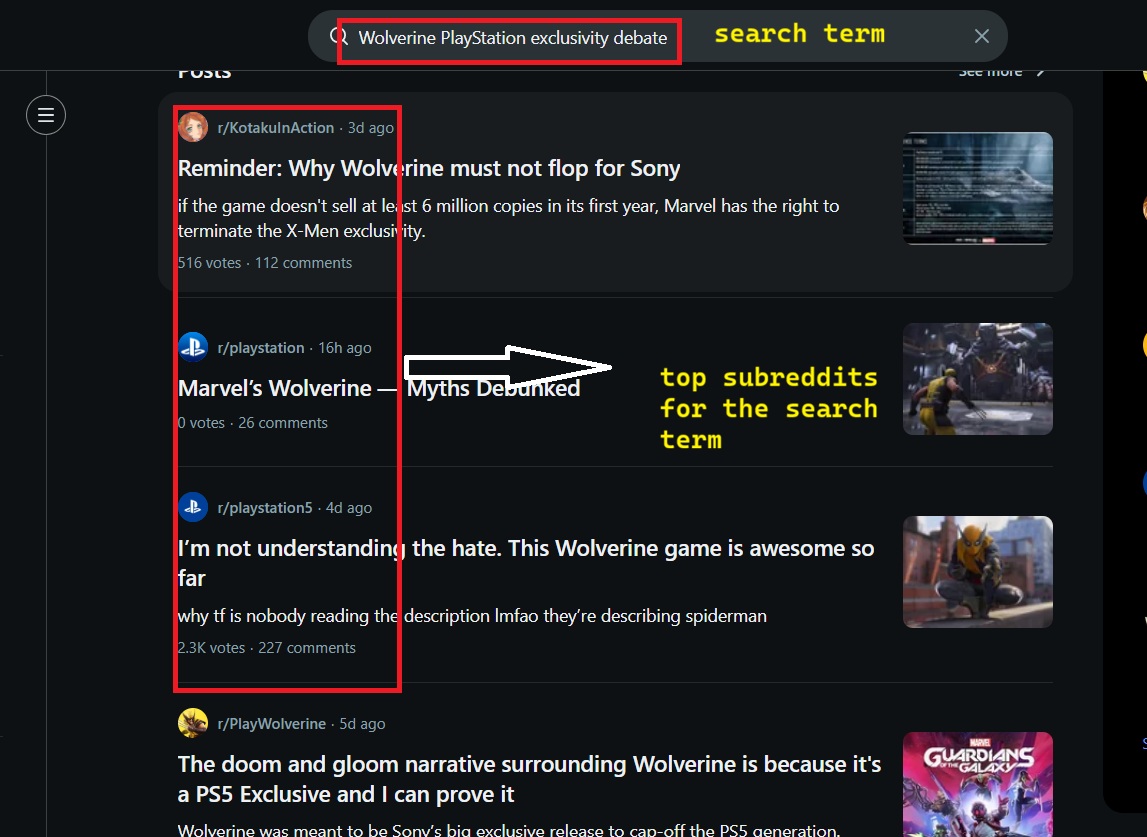
Those replies are your outline. You can reuse the same threads for social media content ideas with almost no extra work.
6. Take the Client’s Support Inbox
Ask for the last hundred support tickets or sales emails. The repeated questions are in demand with no search volume attached, which is exactly why no competitor has covered them. This is the single most reliable source I have used in eight years, and clients hand it over for free.
7. Listen to Sales Calls for the Objection
Recordings tell you the moment a buyer hesitates. Objection-shaped topics convert because they meet a decision, not curiosity. They also survive AI summaries, since the answer depends on context that a general model does not have.
8. Publish Something Only Your Client Knows
Original data is the strongest defense against being summarized away. A small survey, a price study, and an anonymized benchmark from client accounts. Models cannot generate a number that does not exist yet, so they have to cite the source. This is also where AI referral traffic pays off: it grew 9.9 times in 19 months, with 92.4% coming from ChatGPT, and it converts at 7.1%, second only to paid search.
9. Find Who Gets Cited, Not Who Ranks
Traditional gap analysis compares you to the top ten. Do it against AI answers instead. Ask an engine your client’s core questions and list the domains it names. Those are the real competitors now, and half of them will not be in the SERP at all.
10. Mine Your Own Archive for Decay
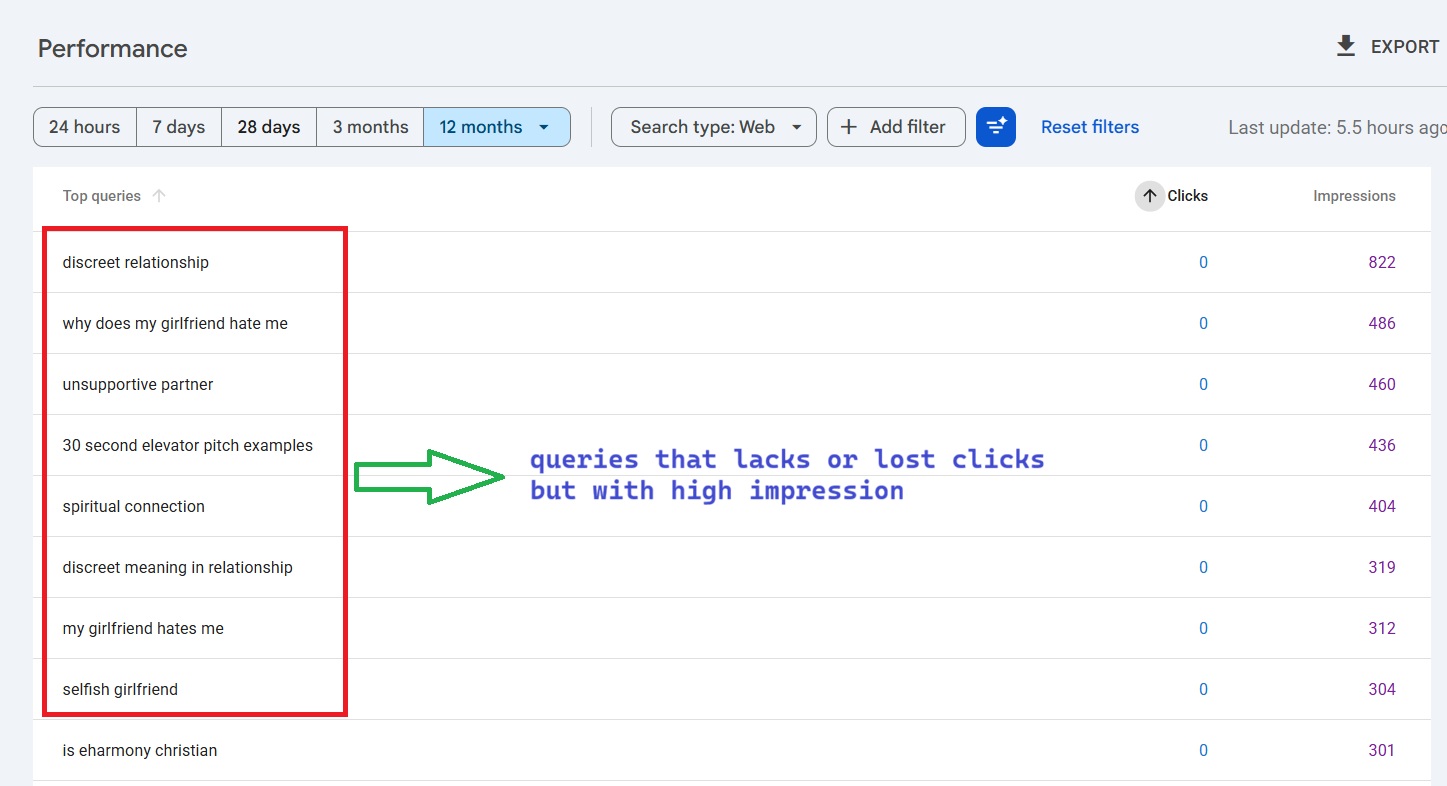
Agencies undersell this. Pull pages that lost clicks over twelve months and check whether the topic died or the page did. Updating a piece that already has links beats publishing a new one. Niche evergreen sets, like these evergreen content ideas for interior designers, are usually worth refreshing rather than replacing.
What Stopped Working for Content Ideas the Audience Actually Wants
Two habits I have retired. Writing definition posts, because those are exactly the queries AI answers in full. And building calendars from keyword volume alone, because volume now measures how often a question is asked, not how often it gets answered by a website. The bigger loss was the competitor keyword gap export.
For years that was my first move on a new client. Now most of what it returns are definition and comparison queries that get settled on the results page. I replaced it with twenty buyer questions run through the engines, plus an hour in the client’s support inbox. Fewer ideas, better ones.
FAQs on Finding Content Ideas the Audience Actually Wants
1. How many ideas should an agency keep in reserve?
Enough for one quarter, no more. Idea lists older than three months tend to contain topics that AI answers have since absorbed.
2. Do keyword tools still matter?
Yes, but as a check rather than a source. Use them to size an idea you found elsewhere, not to generate the idea.
3. What kind of article still earns a click?
Anything built on something the model cannot produce: original numbers, hands-on testing, a named person’s judgment, or a decision that depends on the reader’s situation.
Final Thoughts
Content ideas the audience actually wants now come from places a keyword tool cannot see: your client’s inbox, forum threads, sales objections, and your own data. The ranking question is becoming a citation question, and the ideas that survive both are the ones with something specific behind them. Pick two of these ten and run them properly for a quarter. That beats running all ten badly.