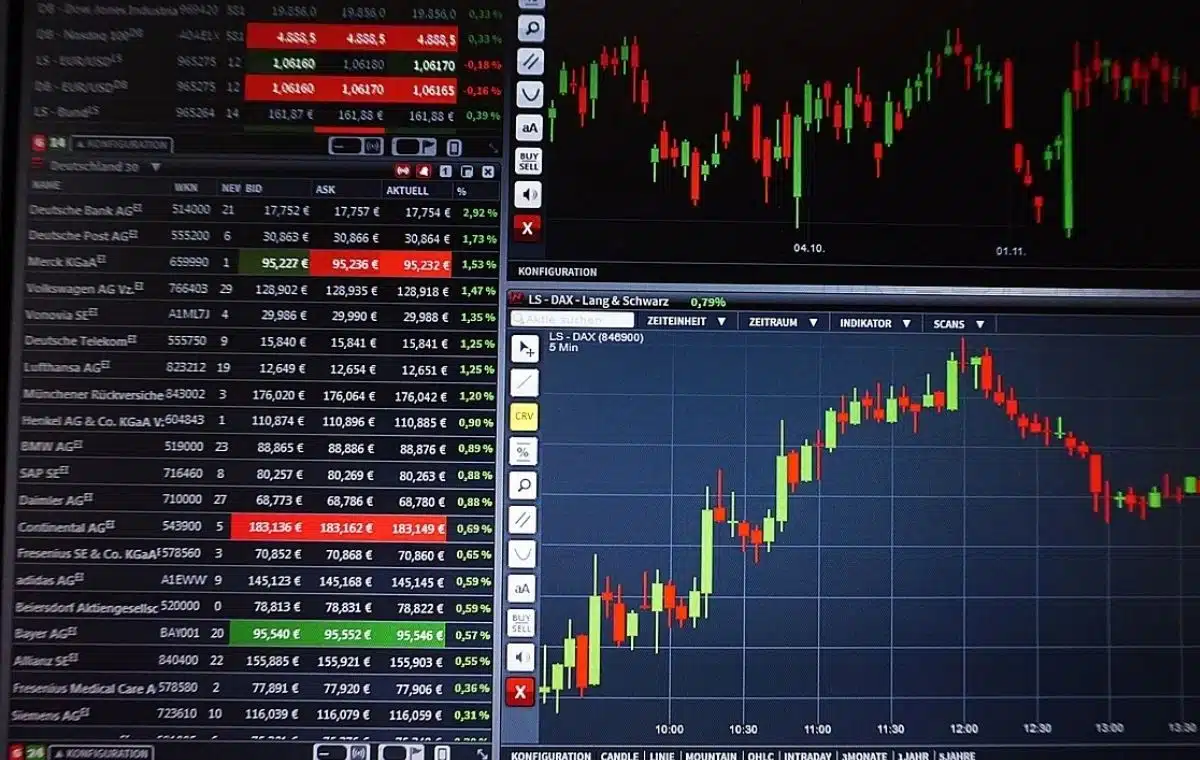
With the rise of forex trading and the fact that it has become one of the most active trading markets in the world, you might be thinking that this would be a good time to jump on the bandwagon and learn how to trade forex like a pro. You’re absolutely right, now is a good time to do so! However, before proceeding to the next lines of this article we recommend that you check out BrokerChooser’s in-depth review of the top forex brokers in the US in 2022 as a starting point.
Forex or FX trading is related to the conversion of one currency into another, and it is through that currency conversion that forex traders are able to make a profit. With hundreds of combinations of currencies to trade, there is plenty within the market for you to learn about and a lot of growth to be made. So whether or not you utilize the skills that come with learning about FX trading or not, it’s handy information to have nonetheless, and we’re here to guide you as best we can. So, to learn more about what FX trading entails and what terms like liquidity and pips mean, keep reading below.
What is Forex Trading Exactly?
If you’re a total beginner to FX trading, then it might be worth running over what exactly forex is and what it does. It is essentially the process of converting one currency into another, and because they are traded in pairs, two currencies are traded against one another.
Though there are an endless number of combinations to choose from, some of the most popular combinations include the euro against the dollar (EUR, USD), the British pound against the dollar (GBP/USD), and the US dollar against the Japanese Yen (USD/JPY).
Much like any other transaction that you make, forex trading is just one big transaction as well, where you purchase an asset using a specific currency. The profit-making part of it comes in when the market is able to determine the price of how much of one currency is needed to purchase the other.
Because each currency has its own unique code, you as a trader will be able to identify which pair that currency is a part of, and thanks to the market being so global ranging from Asia to the US, and Europe, it is open 24 hours a day meaning that you could be buying and selling currencies at whichever time suits you and for however long that you want.
Where Does Liquidity Come In?
Now that you know the very basics of what forex trading is and have read a little bit about how it works, let’s talk about liquidity, a term you may have heard floating around before. Liquidity essentially directs us to how active a market actually is. The directing factor comes as a result of the volume of currencies being traded and how many traders are actively trading at any one time.
As mentioned before, thanks to the market being open 24 hours a day during any given weekday, the exchange market is quite liquid. Much like anything else when it comes to the foreign exchange market, liquidity is also something that can fluctuate due to a number of reasons, but for the most part, there are quite high volumes of trading happening at all times of the day.
What is Forex Liquidity and How Does it Work?
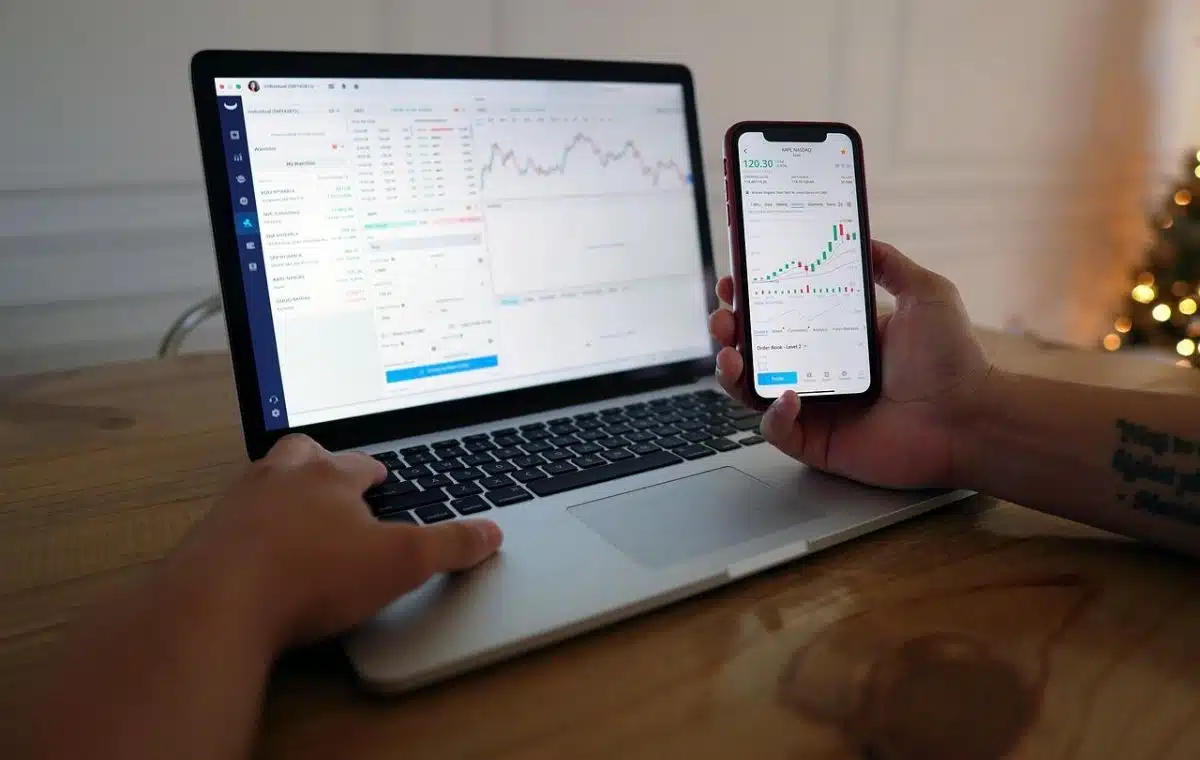
You’ve got a grasp on liquidity, now let’s put forex and liquidity together and see what happens. FX liquidity is related to how easily a pair of currencies can be bought.
What we mean by that is, that if a currency can be referred to as having a high level of liquidity, it usually means that it can be bought and sold easily, and traders generally favor that pair for buying and selling, and for good reason – it generates profit. Greater liquidity equals easier transaction flow and an opportunity for more competitive pricing.
Liquidity Categories
Based on a currency’s liquidity, they are usually organized into one of three categories, which are as follows:
Majors:
Major currencies are some of the most popular options that are traded around the world. They have some of the highest liquidities and can be traded with ease, at any given time. These include currencies like the British pound, the Japanese Yen, the US dollar, the Canadian dollar, and the Swiss franc.
Minors:
Minor currencies usually refer to any pair that does not have the US dollar as one of the currencies. This is also sometimes known as cross-currency pairing.
Exotics:
These are currencies that don’t have very high liquidity, are rarely traded, and aren’t nearly as in demand as the majors. These might include something like the Thai Baht, or the South African Rand.
Having an understanding of these categories is important because it helps you decide which sort of currencies you feel confident enough to trade. As someone who is just starting out, sticking to the majors is probably a good idea as you learn the ropes, as you know that these are easy to trade. In comparison, although exotic currencies seem unappealing and may put you off, an experienced trader will know exactly the best time to buy an underrated currency, and then will be able to sell it accordingly as well.