
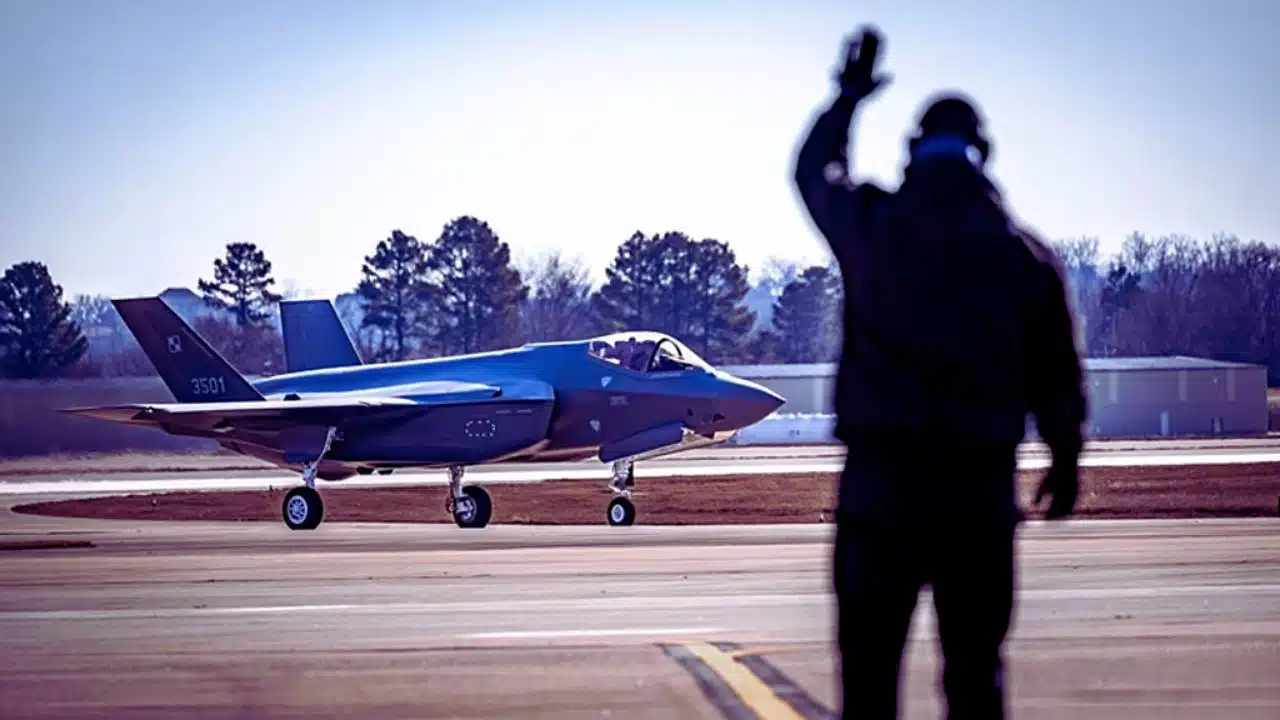
Poland scrambles jets as Russia strikes Ukraine ahead of peace talks, after a major overnight barrage hit Kyiv and other areas, triggering heightened alerts near NATO’s eastern border.
What happened overnight
Russian forces carried out a long, large-scale missile-and-drone attack on Ukraine, with Kyiv among the main targets and multiple districts reporting explosions, damage, and emergency response activity.
Ukrainian authorities reported fatalities and dozens of injuries in Kyiv following the roughly 10-hour barrage, as air defenses engaged incoming weapons and rescuers worked through the night.
The escalation came as Ukrainian leadership prepared for another push on diplomacy, warning that sustained strikes undermine claims that Moscow is ready for a negotiated settlement.
Poland’s air response and border precautions
As the strikes unfolded, Poland activated air-policing measures, scrambling fighter jets and raising the readiness level of ground-based air defense and radar reconnaissance in line with established procedures.
Polish authorities later indicated there was no violation of Polish airspace, framing the steps as preventive actions designed to protect areas adjacent to the threat zone.
During the alert, air operations at the Rzeszów and Lublin airports were temporarily suspended to ensure freedom of movement for military aviation, and later resumed after the risk window eased.
Timeline of key developments
| Timeframe (Dec 2025) | Event | What authorities said/Did |
| Night of Dec 26–27 | Russia conducts another large-scale strike on Ukraine | Missile-and-drone barrage hit Kyiv and other areas; casualties and damage reported. |
| Early hours of Dec 27 | Poland raises air posture | Fighter jets scrambled; air defenses and radar put on highest readiness. |
| During the alert window | Civil aviation restrictions near border | Rzeszów and Lublin airports temporarily closed; later reopened. |
Why Poland scrambles jets during major strikes
Poland shares a roughly 530-kilometer border with Ukraine, and large Russian strike packages increase the risk of debris, navigation errors, or spillover near NATO airspace.
Poland has repeatedly used quick-reaction aircraft and elevated air-defense readiness during heavy Russian attacks, especially when long-range aviation activity suggests strikes toward western and central Ukraine.
Separate recent incidents—including reports of Polish jets intercepting and escorting a Russian reconnaissance aircraft near the region—have reinforced Warsaw’s focus on rapid response and surveillance.
Russia strikes as peace talks accelerate
The latest attacks unfolded amid renewed diplomatic activity tied to a U.S.-backed effort to shape a framework for ending the war, with discussions described as building around a “20-point” plan.
Reporting on the talks indicates U.S., Ukrainian, and European officials narrowed disagreements during meetings in Berlin, while territorial questions and security guarantees remained central sticking points.
Separate reporting also described expectations that U.S. and Russian negotiators would meet in Florida (Miami) as part of the same diplomatic track, with Ukrainian officials engaging the U.S. side in parallel.
What’s in dispute in the talks (high-level)
| Issue | What is being discussed | Why it matters |
| Security guarantees | Ukraine has pushed for credible guarantees to deter renewed attacks, while the U.S.-linked process weighs mechanisms short of NATO membership. | Guarantees shape whether any ceasefire holds. |
| Territory | Reports describe ongoing gaps on territorial questions after Berlin discussions. | Territory remains the most difficult political trade-off. |
| Negotiation pressure | Ukraine has argued sustained strikes show coercion, not compromise. | Military pressure can affect bargaining positions. |
Regional security implications
The combination of mass strikes on Ukraine and precautionary NATO-border air alerts underscores the risk that a conflict centered in Ukraine can create fast-moving incidents near allied airspace.
Temporary airport shutdowns near the border show how military contingencies can quickly spill into civilian life and regional logistics, even without a direct airspace breach.
The attacks also highlight the continued role of drones and missiles in Russia’s campaign, with Ukrainian officials repeatedly pointing to energy and civilian infrastructure as recurring targets.
Final thoughts: what comes next
Diplomatic meetings tied to the 20-point framework are expected to continue, but the near-term outlook will likely be shaped by whether large-scale strikes persist during the negotiating window.
For Poland and other frontline NATO states, the operational priority remains rapid detection, quick-reaction launches, and clear deconfliction with civil aviation whenever major strike waves approach the alliance’s borders.
For Ukraine, the immediate focus remains air defense resilience and emergency response capacity as negotiations proceed under the pressure of continued long-range attacks.