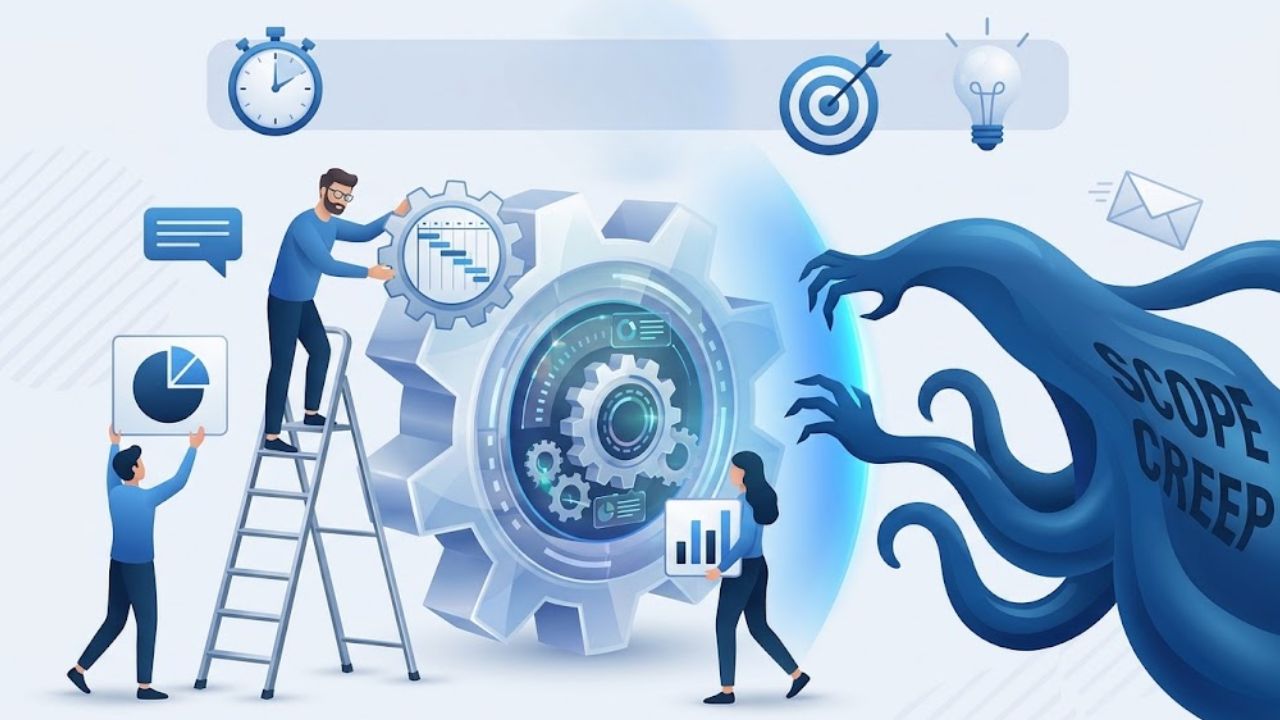
Education in the age of chatbots can feel strange. You may wonder if you train students or teach machines. Large classes and slow feedback can leave students stuck. You face long lines at office hours and piles of exams.
A recent paper by Labadze, Grigolia and Machaidze in the International Journal of Educational Technology in Higher Education found that AI-powered chatbots can offer instant help and personalized self-paced learning.
The review shows that models based on natural language processing and large language model tech, like ChatGPT and IBM Watson, can shape the learning process and free teachers from many administrative tasks.
I will show how to use problem-based learning prompts with a chatbot to boost critical thinking in nursing education and other fields. Read on.
The Role of Chatbots in Education
AI chatbots offer immediate support in classrooms. They use natural language processing to read queries and generative AI to craft answers. These tools rely on large language models and machine learning.
ChatGPT in education and Google Bard both launched in 2022, driving this shift. Ada and Replika arrived in 2017 as conversational AI assistants.
Students tap chatbots for tutoring in math, computer science, foreign languages, and engineering. They fuel personalized, self-paced learning and lift student engagement. Educators use them to automate administrative tasks and to offer extra tutoring resources.
Nursing education courses even run patient care scenarios through AI-powered chatbots in nursing informatics. Some schools still hesitate due to technical barriers and bias in training datasets.
Personalized Learning with Chatbots
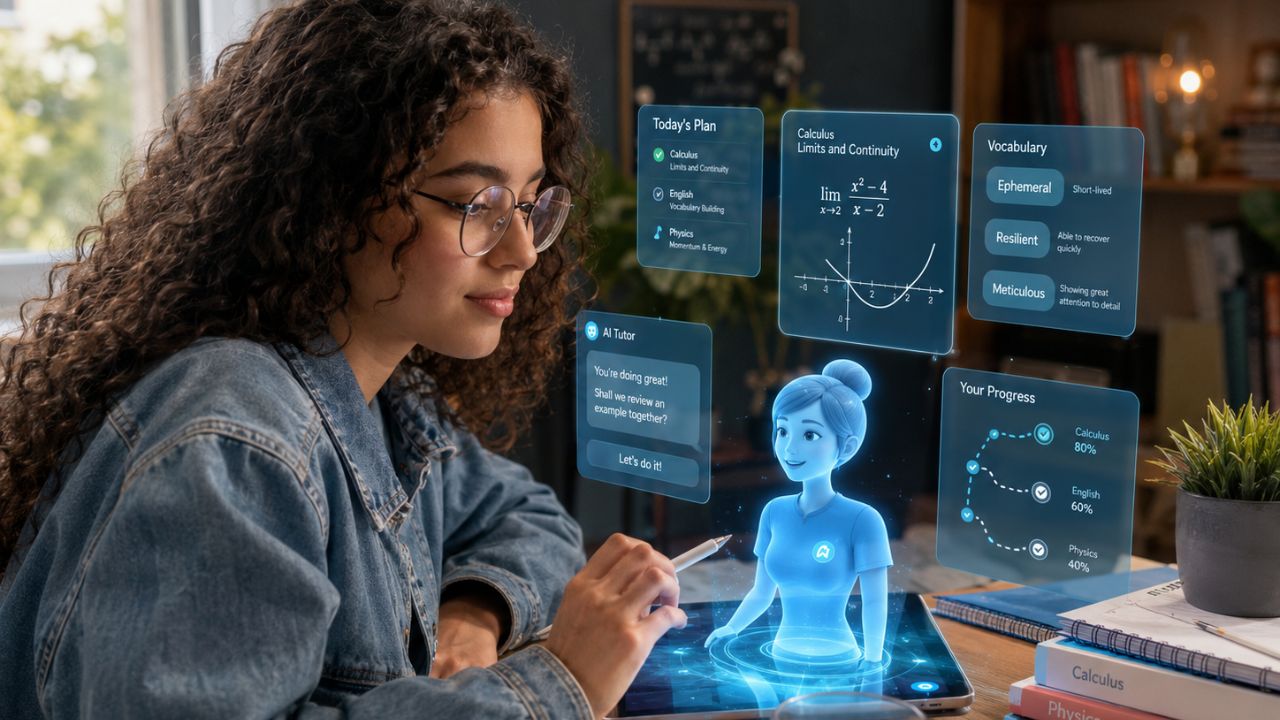
A virtual tutor powered by NLP magic tweaks each lesson like a chef adding spices for a picky diner. It feeds progress to a clean dashboard, flags hurdles, and spins problem-based patient care cases so you keep moving.
Tailoring content to individual learning styles
Chatbots adapt lessons for visual, auditory, or kinesthetic learners. They use natural language processing (NLP) and a large language model (LLM) to craft examples for each style. Ada (2017) gives hints to nursing students who learn by doing, while Socratic (2013, acquired by Google in 2018) guides problem-based learning step by step.
The system tracks progress on a dashboard and adjusts questions to fit individual needs. Analytics reports help nursing informatics teams refine lesson plans.
Personalized self-paced learning cuts down on wasted time and boosts performance evaluation. AI-powered chatbots relieve educators of routine administrative tasks like grading. IBM’s Watson and voice recognition tools link content to real patient care scenarios in medical education.
Students may face a technical barrier if a query stretches beyond the chatbot’s logic. Mentorship and human feedback remain vital to boost critical thinking.
Immediate feedback and progress tracking
A phone app gives instant feedback on nursing education tasks with step-by-step solutions for patient care scenarios. You jump into app quizzes and see your score within seconds. A talking helper, like IBM’s Watson, uses artificial intelligence and language analysis to scan your answers.
It tracks each move, and it shifts content as you learn your strengths and weak spots.
Progress charts light up after every quiz, showing spots to brush up and targets to hit. A quiz feature is run by AI-powered chatbots in an app, which fits lessons to your style. This smart tool molds personalized self-paced learning, so you meet your goals fast.
Benefits for Educators
Virtual helpers use NLP to slash admin chores for nursing instructors. AI engines spark fresh lesson ideas and boost nursing informatics training.
Automating administrative tasks
AI-powered chatbots create quiz questions fast. They write answer keys and track grades. They handle many administrative tasks, freeing instructors from manual data entry. Teachers get back hours to plan hands-on labs and patient care drills.
One nursing teacher shaved off three hours each week by using IBM Watson to sort records and log scores.
These bots work like tireless assistants in nursing informatics, and they cheer up even the busiest schedule. They use natural language processing to parse short answers and flag common errors.
Instructors log more face time with students, not spreadsheets. Chatbots slash paperwork and feed data into any learning management system. The AI-driven helper lets educators focus on problem-based learning and real-life patient care.
Providing additional teaching resources
Chatbots serve up practice problems, case scenarios and feedback tools for nursing education. They use natural language processing and deep learning to explain anatomy or pharmacology.
IBM’s Watson and simple voice assistants chat like Kenneth Colby’s early PARRY. A discussion board launched in 2009 lets students and educators swap material, though answer accuracy can vary.
These tools drive personalized self-paced learning and problem-based learning in mathematics or nursing informatics.
Educators tap these resources, cutting time on administrative tasks so they can focus on patient care or teaching methods. Mobile apps link to PubMed abstracts and creative commons license articles straight from a digital library.
AI chatbots suggest research questions, guide systematic literature reviews and point to Google Scholar entries. Teachers guard against misinformation and handle technical barriers.
Chat assistants aid social assistance for patients and boost patient well-being. Students gain real-time support, and policymakers see more data for mental health programs.
Potential Challenges of Chatbot Integration
Students can lean on chatbots so much that they skip real thinking steps with language tools. Chatbots may collect sensitive info in health data systems, risking privacy if admins drop the ball.
Over-reliance on AI for learning
Nursing learners open Socratic on their phones to solve patient care scenarios. That AI-powered helper uses natural language processing to break down medical cases in seconds, but it can weaken critical thinking and problem-solving skills.
A week of heavy use feels like a cheat code for exams. One student forgot how to cross-check lab values on her own. That loss hurts problem-based learning.
Library sessions shrink as learners text chatbots for essays on nursing informatics. Those generative artificial intelligence tools like IBM’s Watson or Bard chatbot fill gaps in basic recall, yet they cut into grit for deep study.
Over time, users skip mental workouts that boost independent reasoning. Teachers worry classrooms become data input hubs rather than spaces for lively debate.
Impact on critical thinking and problem-solving skills
Kasneci et al. (2023) warn that IBM’s Watson and AI-powered chatbots give answers too fast. This rush may stunt deep problem-based learning and dull analytical skills. Deng and Yu (2023) saw these tools boost learning, though they did not lift motivation.
Okonkwo and Ade-Ibijola (2021) found that chatbots can spark student drive.
Some students lean on chatbots rather than roll up sleeves to solve problems alone. This trend chips away at critical thinking and independent skills. Tools built on natural language processing (NLP) can aid admins.
They might trim mental muscles. Educators should spot overuse and steer learners back to real analysis and creative work.
Ethical Concerns in Chatbot Usage
IBM’s Watson can snag private patient files, letting sensitive records slip through the cracks. A win on the Turing test feels hollow when NLP models stack the deck with bias.
Data privacy and security risks
Schools feed virtual assistant systems with student essays; they tune NLP on chats. Governments ban ChatGPT in North Korea, Iran, Syria, Russia, and China over internet censorship and data privacy.
Hackers can break weak firewalls and grab names, grades, and IP addresses. That abuse can expose student records and stain reputations.
New York schools block virtual tutors to stop cheating and protect data integrity. Lawmakers draft policies on metadata use and content retention. Instructional designers pressure districts to build clear rules for AI in education.
Educators must set firm strategy to guard user data, store chat logs, and ask for permission.
Addressing biases in AI training data
Biased data skews AI-powered chatbots in nursing education. A systematic review by Kasneci et al. (2023), Sedaghat (2023), and Khan et al. (2023) flagged fairness gaps. These flaws can warp patient-care suggestions like a funhouse mirror.
A text analyzer or NLP engine might skip hidden stereotypes.
Scholars urge clear bias audits and open data logs for ethical AI in education. They push guidelines for nursing informatics and problem-based learning platforms. Research methodology that spots skewed labels can expose uprooted patterns.
This step boosts user engagement and protects student well-being.
The Emotional and Social Impact of Chatbots
In nursing informatics labs, students lean on AI-powered chatbots for late-night pep talks, yet they still crave a mentor’s smile. A language analysis engine scans each chat, flags stress, and prompts mental health checks, but it can’t flash a real grin.
Effects on student motivation and engagement
Studies by Okonkwo and Ade-Ibijola (2021) show AI-powered chatbots boost student motivation in nursing education; they light up a dull lesson like a neon sign in a dark room. A virtual tutor taps into natural language processing, offers instant backing, mimics social assistance for patients and guides case studies in patient care.
Students enjoy personalized self-paced learning on Habitica (2013), a gamified learning platform that blends problem-based learning with digital badges. That fun twist can keep attention high, though it may risk shifting focus away from core content.
Deng and Yu (2023) found no significant jump in engagement under some pedagogical approaches; they watched learners drift when chat sessions felt too scripted. A few test takers treated IBM’s Watson tutor like a robot pal but lost steam when tasks lacked a real voice.
Technical barriers tied to programming and user interface slow down many classes. Educators must blend human intelligence with AI in education to keep hearts and minds eager.
Risks of reduced human interaction
AI-powered chatbots can shrink class chat time and reduce peer dialogues. The Artificial Linguistic Internet Computer Entity and IBM’s Watson use natural language processing (NLP) to handle queries.
Nursing students may miss critical practice in nursing informatics, patient care talk, and bedside skills. Interpersonal skill growth slows without real chats, and emotional intelligence can lag.
Peer bonds fade when students lean on AI chatbots for problem-based learning and personalized self-paced learning. Houston Independent School District reports that heavy use of a simulator left some kids lonely.
Chronic isolation can dent mental health and hurt social assistance for patients later. Teachers often spot needs early by reading faces, but chatbots miss these signs.
The Balance Between Human and Machine Learning
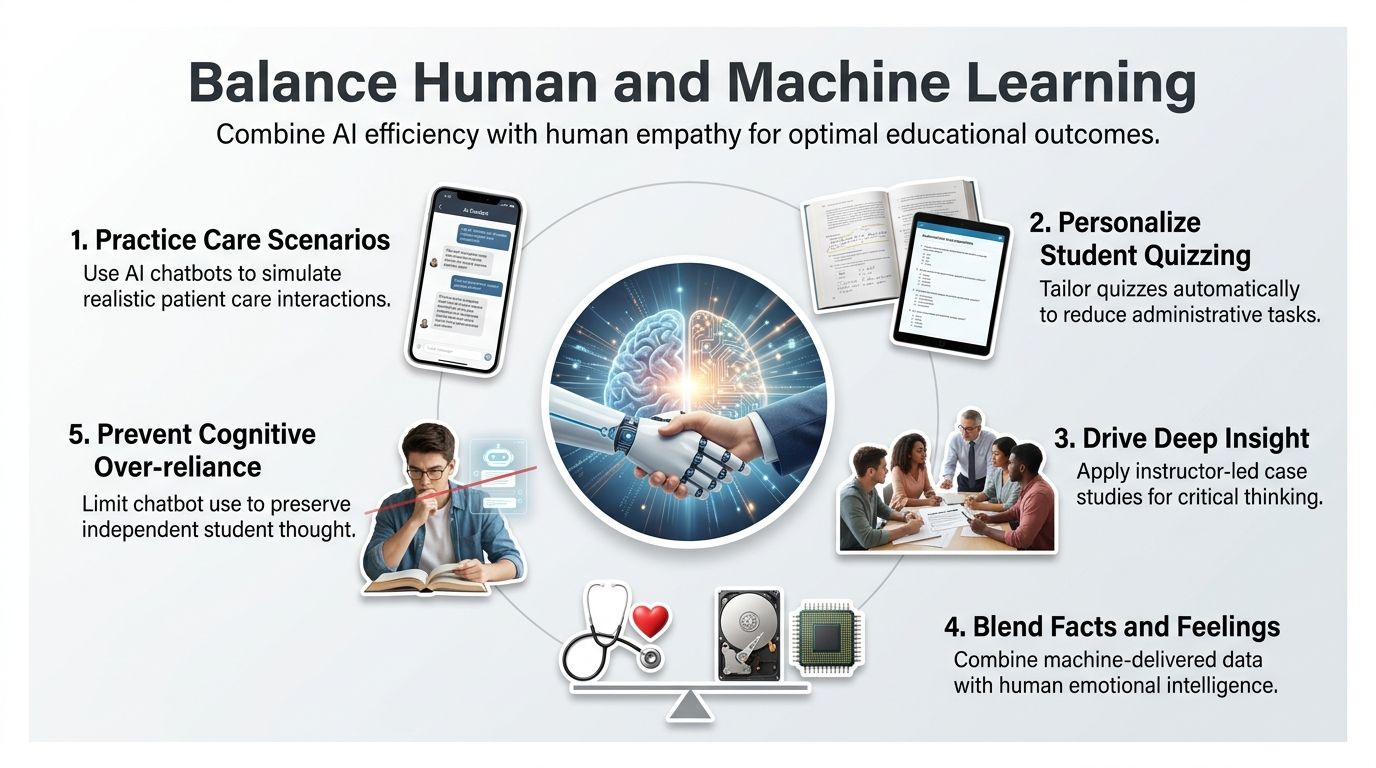
Systematic reviews on AI in education show students in nursing education gain more from a human-machine mix. Students use AI chatbots powered by natural language processing (NLP) to practice patient care scenarios.
IBM’s Watson model tailors quizzes for each learner. They cut down administrative tasks and aid personalized self-paced learning. Teachers set real tasks to spark critical thinking and emotional intelligence.
Schools guide the mix of machine lessons and human debates. This blend boosts problem-based learning, and it gives learners both facts and feelings.
Too much reliance on chatbots can dull independent thought. These AI-powered chatbots may deliver quick feedback, but students need human push for deep insight. Instructors coach with case studies, group talks, and real patient stories.
They weave AI in education with hands-on labs in nursing informatics and mental health training. Educators reference the Loebner Prize to gauge chatbot fluency and set quality bars.
This mix helps with problem-based learning and social assistance for patients. Teachers keep the human touch to support the well-being of patients and their peers. Responsible steps prevent machines from taking over critical thinking tasks.
Preparing Educators for AI Integration
Districts run workshops on AI in education. Teachers in nursing education practice with ai chatbots and natural language processing. Sessions discuss digital inequality, AI reliability, and ethical use.
Trainers cite Cooper 2023 to guide critical review and custom edits.
Policymakers and researchers set guidelines for responsible use. In labs, educators test Watson Assistant and deploy AI chatbots to support administrative tasks, patient care drills, and problem-based learning.
Staff study chatbot pedagogies and refine educational tool design. Trainers cover nursing informatics topics too.
Takeaways
Students bring new life as they chat with virtual tutors. Nursing informatics and natural language processing drive AI-powered chatbots that mimic patient care drills.
Educators cut down hours on administrative tasks and focus on creative teaching. Schools must guard mental health and data privacy under creative commons attribution rules.
This path calls for clear rules that help us train minds, not just machines.
Frequently Asked Questions (FAQs) on Education in the Age of Chatbots
1. What role does AI in education play in nursing education?
AI in education brings new tools to nursing students. They get help from AI-powered chatbots. Students try problem-based learning with an instant guide. This tech turns nursing informatics into a practical lab.
2. How do AI-powered chatbots support personalized, self-paced learning?
Chatbots use natural language processing to chat like a tutor. They ask questions, give hints, and cheer you on. You can study when you want, as fast or slow as you like. One student said it feels like texting a friend, minus the wait.
3. Can AI chatbots handle administrative tasks in nursing informatics?
Yes, AI chatbots can tackle administrative tasks. They fill forms fast, book lab time, and log hours. They cut the red tape so nurses can spend more time on patient care.
Chatbots can aid social assistance for patients and boost the well-being of patients. They chat, remind them to take meds, and guide calm breathing. They serve therapeutic purposes and link back to nurses for real care.
5. What technical barriers and legal needs should schools watch when using AI chatbots?
Technical barriers like slow WiFi or old PCs can stall rollout. Schools must secure data and follow rules for public content. Some tools use IBM’s Watson or info from the web under the Creative Commons Attribution license, so we respect the copyright holder.