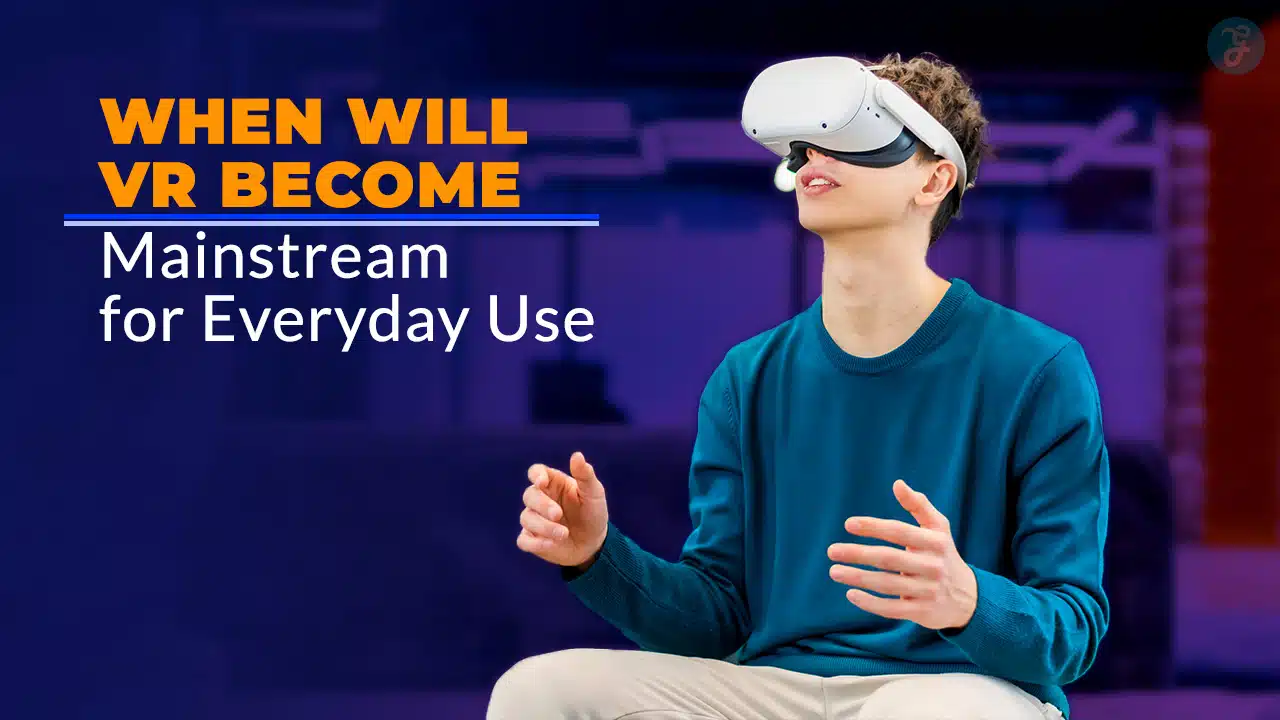
Ever tried a vr headset and thought, “This is cool, but when can I use it every day like my phone or tablet?” Many people want virtual reality to feel as easy and normal as scrolling through social media platforms on their smartphones.
But today, strapping on something like an Oculus Quest 2 still feels a bit clunky or pricey for most families. And let’s be real: not everyone wants to climb virtual Mount Everest if the headset makes them dizzy!
One fact is clear. Big companies are pouring money into improving hardware and software for vr headsets. The Meta Quest Pro, Apple Vision Pro, and even older devices like Google Cardboard show tech keeps changing fast.
You might wonder what’s holding things back or when Apple’s Vision Pro could replace your old computer. This blog will explain what needs to change before virtual reality (vr) becomes part of your daily routine.
Stick around—there’s more than just games at stake!
Key Takeaways
- VR headsets like the Oculus Rift and Apple Vision Pro are getting better, but high prices (up to $3,500) make them hard for most families to buy.
- Motion sickness and heavy designs still bother many people who try VR at home or work.
- Right now, most VR content is games; more movies, school tools, and work apps are needed for daily use.
- By 2030, experts expect lighter headsets with 8K graphics and less lag—companies like Neuralink may bring full-dive VR that connects right to our brains.
- Big businesses already use VR for training and meetings; AI will soon make learning, working, and playing in virtual worlds easy for everyone.
Current State of VR Technology
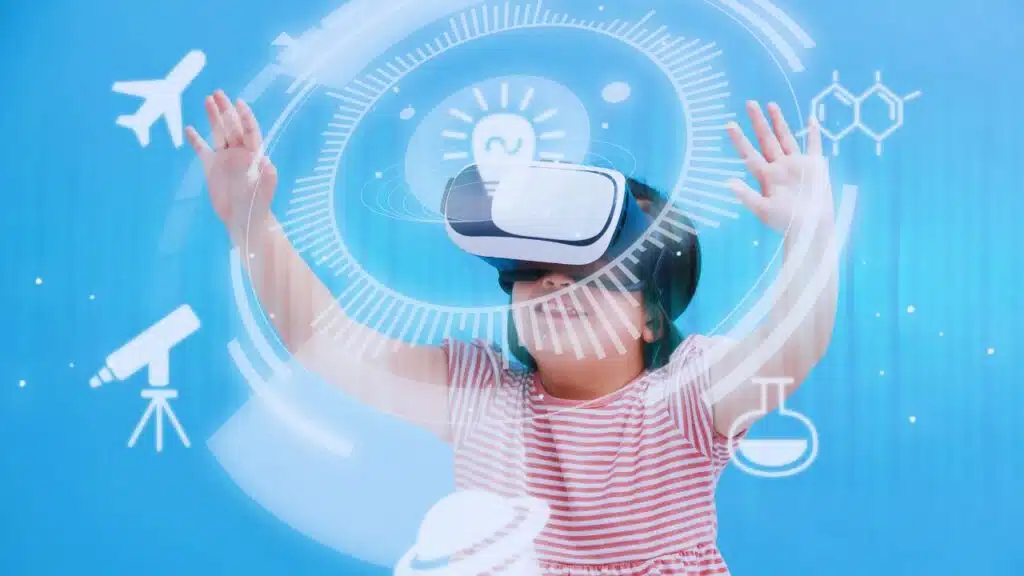
VR technology is changing fast. New gadgets like the Oculus Rift and Apple Vision Pro are making it easier to use. More businesses find VR helpful for training and meetings, too. As we see more software updates, experiences become richer and more exciting every day.
Advancements in hardware and software
Oculus Rift, HTC Vive, and Apple Vision Pro keep getting better. By 2025, many experts expect GPU performance to improve a lot. VR headsets like Oculus Go and PlayStation VR will get smaller and more comfortable for daily use.
Battery life should last longer too, so people can use devices without charging as often. Retinal projection from Magic Leap or Intel could help replace big helmets with slim wearables that feel almost invisible.
By 2030, virtual reality headsets might display 8K graphics with very low lag. That makes things look real and helps stop motion sickness problems some folks get now. Software keeps up pace; with Windows 11 supporting new XR features and the Google Play Store offering more AR apps every year.
AI-driven experiences turn games on Gear VR into lessons or business meetings in the metaverse faster than ever before—almost magic at your fingertips!
Growing enterprise applications
Doctors use virtual reality headsets in hospitals to practice surgeries. Apple’s Vision Pro lets workers manage projects using spatial computing, even from home. Factories set up VR training for new hires, cutting real-world risks and costs.
By 2025, jobs will add more VR tools for remote work and safe document sharing.
Banks explore secure meetings in extended reality spaces instead of basic video calls. Real estate agents give virtual tours of homes with an Android phone or tablets; buyers feel like they walk inside without leaving the couch.
Teachers try classroom lessons where kids climb a digital Mount Everest together using daydream view or other devices. Companies use augmented reality during video calls so people can see shared screens floating right above their desks.
These uses keep growing each year, powering faster and safer business results everywhere.
Key Challenges to Mainstream Adoption
Virtual reality has great potential, but it faces some big hurdles. First, the costs of VR headsets like the Oculus Rift and Apple’s Vision Pro can scare people off. Second, most content is still focused on gaming, leaving other areas like education or work behind.
Lastly, many users struggle with motion sickness while using these devices. These challenges hold back acceptance in daily life.
High costs and affordability issues
Buying a VR headset like the Oculus Rift or Apple Vision Pro can cost a fortune. Prices for good gear often reach $500, and some, such as Apple’s Vision Pro, shoot up to almost $3,500.
This sticker shock keeps most families from jumping in.
Many want to try virtual reality but hold back. Daydream VR and Nintendo Virtual Boy sound cool but still need cheaper options for the average Joe. Some folks wait for deals or hope T-Mobile’s 5G home internet will help with costs; yet high prices remain tough to swallow even with extras like a $300 prepaid MasterCard or SoFi Checking bonuses.
Only when companies cut these costs will VR find its way into every living room, not just tech fans’ dens.
Limited diverse content beyond gaming
Most current VR platforms focus on gaming. They provide fun experiences like those in games such as “Pokémon Go.” This leaves a big gap for other content. People want to see more than just gaming options.
A wider range of VR films would attract more users. Imagine immersive 360 or even 4-D movies and TV shows that pull you into the story.
Niche markets exist for VR films and training programs too. Companies could create virtual reality training sessions, making learning fun and engaging. For now, though, without diverse content in areas like education or entertainment, mainstream adoption will struggle to grow.
Addressing motion sickness and ergonomics
Motion sickness can ruin a virtual reality experience. Many users feel dizzy or nauseous while wearing VR headsets. To fix this, new technology is being developed, like retinal projection.
This method could create images directly in the eye, making bulky headsets a thing of the past.
Ergonomics also plays a big role in user comfort. Headsets need to be smaller and fit better on different heads. A good design helps keep users comfortable for longer periods. Improving these elements will help more people enjoy VR without feeling sick or restless.
Factors Driving Mainstream Adoption
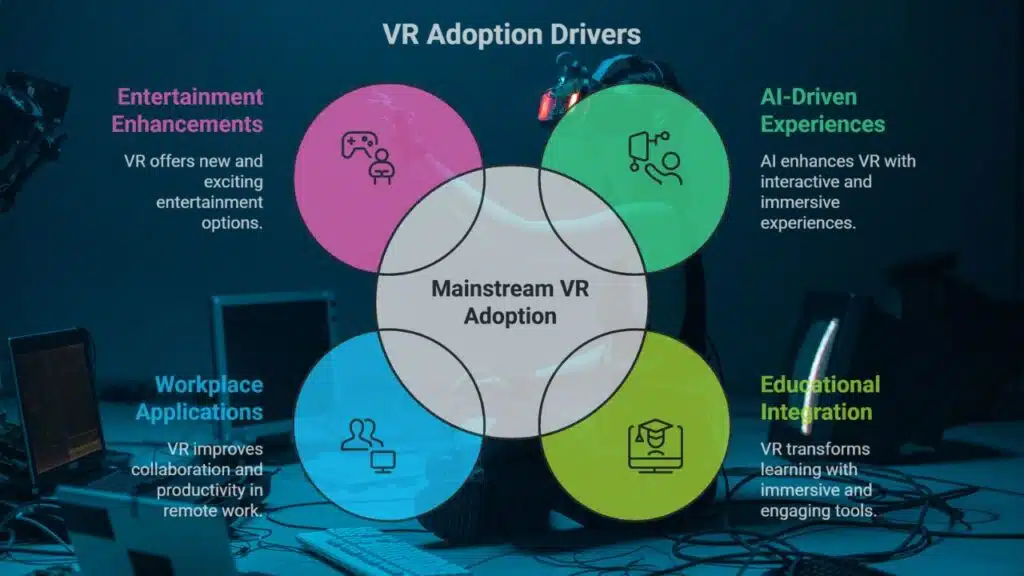
Tech like AI is making VR more exciting. We see it moving into schools, offices, and homes. This shift opens doors for new ways to learn and play. With gear like the Oculus Rift or Apple Vision Pro, people might soon wear VR headsets every day.
AI-driven VR experiences
AI-driven VR experiences will change how we use virtual reality. By 2030, VR headsets will feature smart technology that makes them more interactive. This tech boosts user engagement and provides richer experiences.
These advanced systems can help create content faster and make it more fun. Imagine exploring places like Mount Everest or taking part in virtual classrooms with AI guiding you. With these tools, the possibilities for education, work, and entertainment grow rapidly.
Virtual keyboards may allow for a hands-free typing experience while wearing a headset, enhancing convenience further.
Integration of VR in education, work, and entertainment
VR is changing how we learn, work, and play. In schools, it can create fun learning experiences. Imagine taking a virtual trip to Mount Everest or exploring ancient ruins. Students can grasp complex ideas easily with VR tools.
In the workplace, VR helps teams connect better. With 360-degree video calls, meetings feel more real. Remote workers will use VR-based presentation software for engaging talks by 2025.
Entertainment also gets a boost; virtual bookstores and unique gaming worlds are on the way too!
Predicted Timeline for VR Mainstream Adoption
VR is on a fast track to become part of our daily lives. By 2030, we might see VR in schools and offices all around us—like the Oculus Rift and Apple Vision Pro becoming tools for learning and working.
Potential milestones by 2030
By 2030, virtual reality will likely hit big milestones. Expect full-dive VR to come alive with devices that connect directly to our brains. Companies like Neuralink may lead this change with their neural interfaces.
This tech could make using VR much easier.
VR headsets are set to look amazing too. We can expect features like 8K resolution and less lag time. AI-driven experiences will also boost how we interact in these spaces. Many people might start using VR for school, work, and fun by the end of the decade, making virtual and augmented reality a common part of daily life.
Takeaways
VR is on the brink of becoming a part of our daily lives. The tech keeps getting better, and soon we’ll see lighter headsets that fit like sunglasses. VR will help us learn, work, and have fun in new ways.
By 2030, who knows? We might even connect directly to our brains! Get ready for a future filled with virtual worlds.
FAQs
1. When will virtual reality become part of daily life for most people?
Virtual reality, like the Oculus Rift and Apple Vision Pro, is getting better every year. But VR headsets need to be lighter and cheaper before everyone uses them at home or school. Some experts say it could take five to ten years.
2. What stops VR from being everywhere right now?
VR headset prices are still high for many families. Also, wearing a big headset can feel strange or heavy after a while; even Palmer Luckey’s early designs had this problem. Plus, some folks just want easier tech that works fast without fuss.
3. Will augmented reality be more common than full virtual worlds soon?
Augmented reality (AR) is already popping up on apps like Snapchat and with things like Google Glass. AR lets you see digital stuff over real life—like climbing Mount Everest in your living room! It might catch on faster since you do not need bulky gear.
4. How does extended reality connect with regular activities each day?
Extended reality (XR) blends both virtual and augmented experiences together; think about Project Morpheus or the Virtuality Group’s early games in arcades. Soon, XR could help kids learn science by “walking” through space or let workers fix machines using floating guides they see through their glasses.
5. Could brain-computer interfaces change how we use immersive technology?
Yes, brain-computer interfaces sound wild but may shape the future of immersive technology even more than today’s gadgets can dream up—a leap as big as going from Toad hopping in old video games to exploring new worlds hands-free!