In a world that moves faster every day, emergencies don’t wait for us to be ready — they just happen. Whether it’s a car accident, sudden health crisis, or workplace injury, being unprepared can turn a manageable situation into a tragedy. But here’s the good news: more people are realizing that readiness isn’t just for professionals. It’s for everyone. And that shift is helping build stronger, more resilient communities across the globe.
Emergency preparedness is no longer just about fire drills and first aid kits — it’s about empowerment, education, and everyday leadership.
The Rise of Everyday Responders
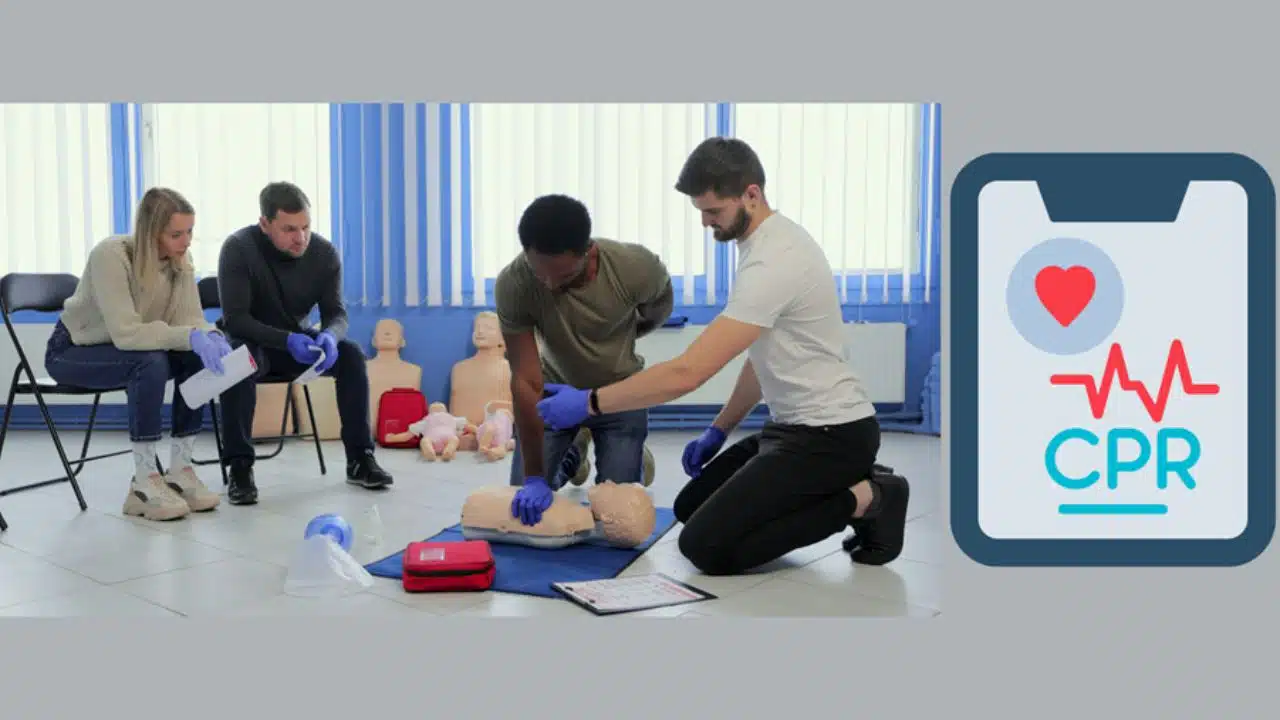
Gone are the days when only medics and firefighters were expected to know life-saving techniques. Today, teachers, office workers, parents, and students are stepping up to learn the basics of emergency response. This trend, often referred to as “citizen preparedness,” reflects a growing understanding that lives can be saved in the first few minutes — if someone nearby knows what to do.
Imagine someone choking at a restaurant, or a child having a severe allergic reaction at school. In both cases, the outcome often depends not on who the victim is, but on who’s standing nearby — and whether they know how to help. When everyday people are trained to respond, ordinary moments can turn into extraordinary acts of care.
The more people equipped with life-saving knowledge, the safer public spaces become. From crowded city centers to quiet neighborhoods, everyday people are becoming first responders in moments that truly count.
Technology Is Making Preparedness More Accessible
In the past, learning how to respond to emergencies required in-person courses, printed manuals, or long training hours. Now, technology has broken down those barriers. Interactive apps, online simulations, and AI-powered health platforms allow individuals to practice CPR techniques, track first aid skills, and locate nearby defibrillators with a tap on their phone.
This digital convenience is helping more people take ownership of their safety skills. You can now refresh your CPR knowledge while commuting, learn first aid through gamified training, and sign up for courses on your schedule — not someone else’s. Enrolling in a First aid and CPR course has never been more accessible or flexible.
It’s a particularly powerful shift in urban centers like Brampton, where digital access makes it easier than ever to get certified, informed, and involved.
One Skill, Countless Benefits
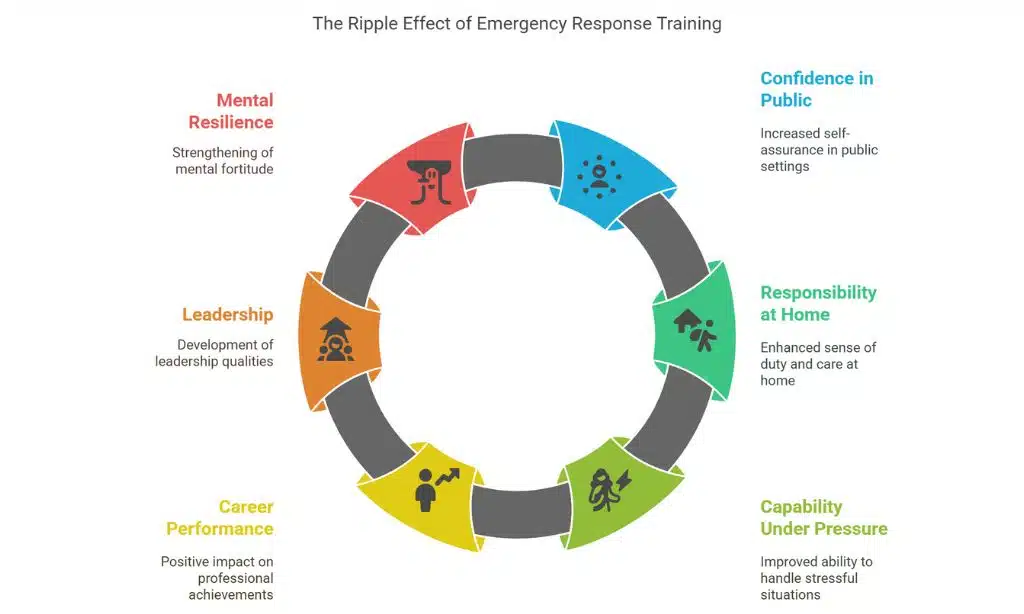
Learning emergency response isn’t just about what happens during a crisis — it transforms your mindset in daily life. People who undergo training often report feeling more confident in public, more responsible at home, and more capable under pressure. These aren’t just soft skills — they’re real-world advantages that ripple into career performance, leadership, and mental resilience.
That’s why so many residents are now searching for First aid and CPR Training Brampton as part of their personal development. It’s more than a certificate — it’s a commitment to the community and to yourself.
Preparedness Creates Connected Communities
One often overlooked benefit of widespread preparedness is how it brings people together. When neighbors take training together or schools offer CPR workshops, it fosters a shared sense of responsibility. People become more than just individuals in a crowd — they become part of a safety net for one another.
Prepared communities tend to be more communicative, more cooperative, and more empathetic in general. Whether it’s natural disasters, accidents, or medical emergencies, people who are trained to act don’t just wait for help — they become help.
Preparedness as a Lifestyle
Think of emergency preparedness like insurance — it’s something you hope you’ll never need, but you’re grateful for when the moment comes. Being trained in basic first aid or CPR doesn’t mean you’re walking around in fear. It means you’re walking around with awareness — ready to help, respond, and lead when others may freeze.
This preparedness mindset often sparks other healthy habits: better organization, more empathy, and a stronger sense of purpose. It’s not just about reacting to a crisis. It’s about being ready for life.
Final Thoughts
As the world grows more complex and unpredictable, the smartest thing we can do is prepare. Not with panic — but with practical tools, knowledge, and confidence. When more people step up, learn, and lead in their own neighborhoods, we don’t just survive emergencies — we build safer, stronger, more united communities.
And that’s a future worth preparing for.