Are you curious about the rising stars of logistics in Asia-Pacific? This region is becoming a global logistics powerhouse. With booming e-commerce, rapid manufacturing growth, and improved transportation networks, businesses are now eyeing these emerging hubs for opportunities.
Take Vietnam as an example—its exports have skyrocketed thanks to its strategic location and strong government support. Several other Asian countries are following suit with big investments in logistics infrastructure.
In this blog, we’ll explore the top 10 Emerging Logistics Hubs In Asia-Pacific. Discover how they’re shaping supply chains and supporting businesses around the world. Keep reading to find out which locations are leading the way!
The Growing Importance of Logistics Hubs in Asia-Pacific
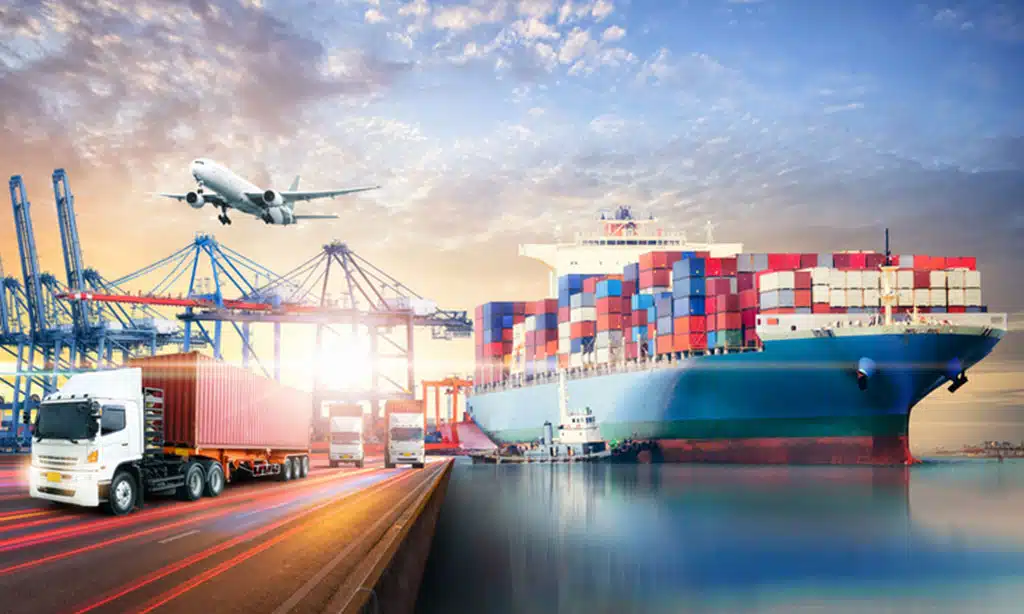
Asia-Pacific drives global trade with its strong manufacturing and diverse economies. Emerging logistics hubs like Vietnam, Malaysia, and Indonesia play key roles in supply chains.
China and India dominate this market with their manufacturing strength and vast transportation networks.
E-commerce growth boosts demand for 3PL services, cold chain facilities, and inventory management solutions. “The Asia-Pacific region has become a powerhouse for supply chain innovation,” says experts at Capgemini, who studied 37 hotspots across 14 countries.
Free trade zones also help these hubs grow by cutting costs and speeding up operations.
Key Factors Driving Logistics Hub Development
Strong growth in e-commerce and global trade is reshaping supply chains. Nations focus on better infrastructure and energy solutions to meet demands.
Strategic Geographic Locations
Asia-Pacific holds key spots for global supply chains. Its central position links Europe, North America, and other regions. Countries like Vietnam and Indonesia sit along busy shipping routes.
These locations boost fast transportation networks.
Hong Kong stands out with top logistics assets. It serves as a bridge between China and the world. Singapore also thrives due to its port efficiency and proximity to Southeast Asia’s markets.
China’s Belt and Road Initiative [BRI] strengthens trade corridors in the region further.
Investments in Infrastructure
Governments in the Asia-Pacific region are spending heavily on infrastructure. New roads, ports, and railways are boosting transportation networks and global supply chains. For example, China invested $900 billion in its Belt and Road Initiative to connect trade routes across Asia and beyond.
Countries like Vietnam and Indonesia also focus on improving freight forwarding hubs. Modern containerized facilities speed up shipping processes for online shopping demand. Smarter logistics services now rely on digitalization and green energy sources, including electric vehicles [EVs], for better operational efficiency.
Infrastructure is the backbone of any growing economy, said a logistics expert at Clark International Airport.
Expansion of E-commerce and Manufacturing
E-commerce growth drives the need for better logistics hubs in Asia-Pacific. Manufacturing expansion in countries like China, India, and Vietnam boosts demand for fast supply chains.
The rise of online shopping pushes businesses to improve storage and delivery systems.
Vietnam and Indonesia play key roles in meeting market demands. Southeast Asian countries invest heavily in modern infrastructure. These efforts support faster transportation networks and efficient global supply chains.
Top 10 Emerging Logistics Hubs in Asia-Pacific
Asia-Pacific is booming with new logistics hubs—each driving market expansion and transforming supply chains.
1. Logistics Growth in Singapore
Singapore plays a leading role in the logistics industry. Its location makes it a gateway for global supply chains in Southeast Asia. The country’s transportation networks are highly advanced, with access to over 600 ports worldwide.
Changi Airport ranks among the busiest cargo hubs, handling millions of tons annually.
Government incentives boost growth and attract third-party logistics [3PL] providers. Massive investments in digitalization and sustainable packaging also strengthen its position as an emerging market leader.
High-quality infrastructure supports e-commerce expansion and quick delivery services like drone deliveries across ASEAN countries.
2. Vietnam as a Strategic Logistics Hub
Vietnam is growing fast as a logistics hub in Asia-Pacific. Its location connects Southeast Asia to major global supply chains. The country’s booming manufacturing sector boosts its growth rate, attracting investors and third-party logistics [3PL] providers.
Major e-commerce expansion also drives demand for transportation networks. With renewable energy sources improving and the Regional Comprehensive Economic Partnership [RCEP] in place, Vietnam offers strong trade opportunities.
This makes it an emerging choice for businesses outsourcing logistics needs across the region.
3. Indonesia’s Advancing Logistics Sector
Indonesia is rising as a key logistics hub in Southeast Asia. Its strategic location and large market make it vital for global supply chains. Growing investments in infrastructure, like new ports and highways, boost transportation networks across the country.
E-commerce expansion drives demand for better logistics solutions. Companies use third-party logistics [3PL] services to manage spare parts delivery and shipping needs. Joint ventures between local firms and global players improve digitalization, making operations faster and smarter.
These changes position Indonesia as a strong player in the region’s growing logistics industry.
4. Malaysia’s Role in Regional Logistics
Malaysia is a key player in Southeast Asia’s growing logistics industry. Its location connects global supply chains across Asia-Pacific, linking China, India, and Indonesia. Major ports like Port Klang and Tanjung Pelepas are critical for shipping routes.
The country invests heavily in transportation networks and digitalization. Modern infrastructure supports third-party logistics [3PL] companies and e-commerce growth. Malaysia’s role will only grow as the region focuses on supply chain management advancements.
5. Thailand’s Logistics Innovations
Thailand invests heavily in its logistics sector. The country focuses on improving transportation networks and boosting global supply chains. Efforts include building better roads, ports, and railways to support the growing logistics industry.
E-commerce is thriving in Thailand. This increases demand for efficient delivery systems and third-party logistics [3PL] services. Electric vehicles [EVs] are gradually being introduced to cut emissions, making deliveries more sustainable.
Digitalization helps manage warehouses and track shipments faster, aiding Asia-Pacific’s rising role in trade efficiency.
6. India’s Emerging Logistics Capabilities
India is becoming a key logistics hub in Asia-Pacific. Its strong manufacturing presence drives its growth. The country leads the global supply chain market with China and Mexico. Major improvements in infrastructure support this rise, including better transportation networks and digital systems.
E-commerce expansion boosts demand for third-party logistics [3PL] services. India’s role in global supply chains grows stronger as it embraces electric vehicles [EVs] and sustainable packaging trends.
These advancements make India critical to the region’s logistics industry.
7. China’s Logistics Expansion
China leads the logistics industry in Asia-Pacific. It has a strong manufacturing base and advanced transportation networks. Major cities like Shanghai and Shenzhen are vital for global supply chains.
Investments in infrastructure, such as highways and railways, have boosted efficiency.
The country also focuses on digitalization to streamline operations. It integrates technologies like AI and the internet into its supply chain systems. With its role in third-party logistics [3PL] services, China keeps strengthening trade links across emerging markets.
8. The Philippines’ Logistics Developments
The logistics industry in the Philippines is growing fast. Its location makes it vital for connecting Southeast Asia to global supply chains. With a rise in e-commerce and third-party logistics [3PL], demand for better transportation networks has surged.
Investments focus on improving ports, roads, and airports. Digitalization also supports efficiency in supply chain systems. The country’s push for sustainable packaging and electric vehicles [EVs] adds value to its market position within Asia-Pacific trade routes.
9. South Korea’s Logistics Enhancements
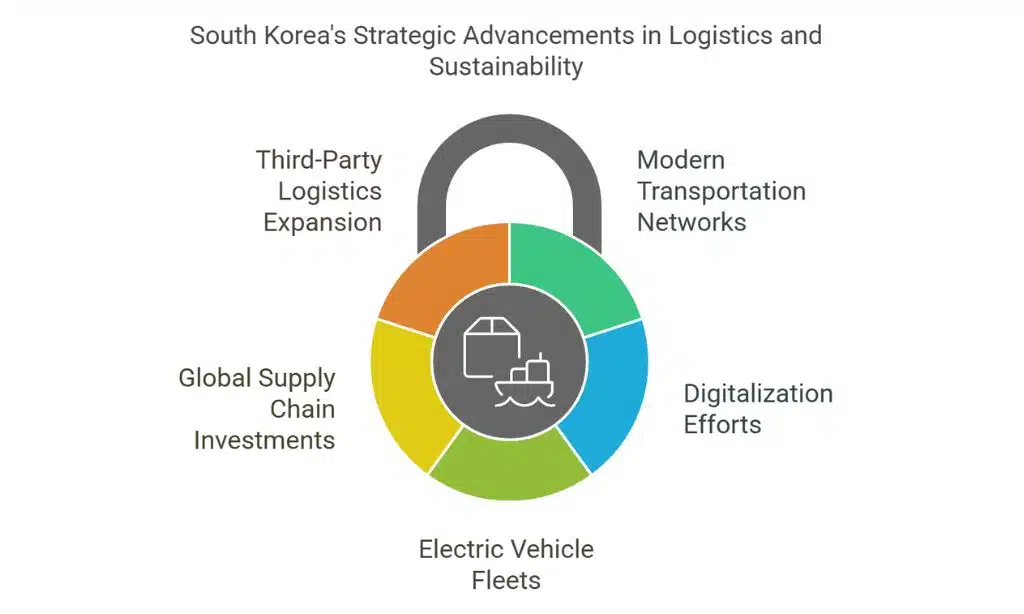
South Korea is boosting its role in the logistics industry. Its modern transportation networks and strong digitalization efforts are key factors. The country heavily integrates technology into supply chains, making operations faster and smarter.
Electric vehicles [EVs] also power many delivery fleets, reducing emissions.
Investments in global supply chains have made South Korea a strong logistics hub in Asia-Pacific. Ports like Busan handle millions of containers each year, linking trade across Southeast Asia and beyond.
Third-party logistics [3PL] services are expanding as more companies outsource for efficiency.
10. Australia’s Logistics Advancements
Australia is adopting modern logistics solutions to support global supply chains. Investments in digitalization and transportation networks are boosting efficiency. The country focuses on eco-friendly practices like sustainable packaging.
Electric vehicles [EVs] are also being tested in delivery fleets, reducing carbon emissions.
Ports and warehouses now use advanced systems to speed up operations. The growth of third-party logistics [3PL] services supports e-commerce expansion across the Asia-Pacific region.
Australia’s strategic location makes it a vital link for trade routes connecting southeast Asia with other markets globally.
Takeaways
Asia-Pacific is shaping global logistics with its fast-growing hubs. Key players like Vietnam, India, and Indonesia are boosting supply chains. Better infrastructure and e-commerce growth drive this change.
These hubs improve efficiency for businesses worldwide. Explore these regions to stay ahead in the logistics industry!
FAQs on Emerging Logistics Hubs In Asia-Pacific
1. What makes Asia-Pacific a key region for emerging logistics hubs?
Asia-Pacific is vital due to its strong transportation networks, growing economies in Southeast Asia, and advancements in digitalization that improve global supply chains.
2. Which countries are leading as logistics hubs in the region?
Hong Kong and Indonesia stand out as major logistics centers because of their strategic locations and well-developed infrastructure supporting third-party logistics [3PL].
3. How does sustainability impact the logistics industry in this area?
Sustainable packaging and electric vehicles [EVs] are becoming essential for reducing environmental impacts while enhancing efficiency across supply chains.
4. Why is digitalization important for these emerging hubs?
Digital tools simplify operations like tracking shipments, managing data, and optimizing routes—making supply chain management more efficient.
5. How do global companies influence growth in these hubs?
Companies like NYSE: UPS drive innovation by investing in advanced technologies and advertising services that strengthen regional transportation networks.