Alphabet songs for kids can do more than help them recite A to Z. Some make letter sounds easier to hear. Others bring animals, vehicles, movement, or wordplay into the mix. And sometimes the useful part happens after the music stops, when a child spots a letter from the song in a book.
I still think the classic ABC tune deserves its place. It gives children a sequence they can remember. When I want to build on that, though, I look for a song that suits the child in front of me: something familiar for a beginner, movement for a restless afternoon, or a word puzzle for a child who already knows the letters.
Here are ten songs I’d choose for different reasons.
1. A Is for Apple: Super Simple Songs
This is an easy entry point for a child beginning to connect letters with familiar words. The song moves through the alphabet with a picture and word for each letter, giving children something to look at as they listen.
I’d start with a word they already know. After the song, find its letter on a page or write it on a piece of paper. There’s no need to review all 26. This is mainly a letter-and-word song, rather than a complete lesson in beginning sounds. Its X example, “x-rays,” is a good reminder that the word beside a letter doesn’t always demonstrate a simple sound rule.
2. The Animal Alphabet: Super Simple Songs
Animals give this song its thread. A child may recognize the bear and cat, then meet a less familiar creature such as the xerus. That makes it useful for conversation as well as letter recognition.
If an animal catches their attention, stay with it. Look at its name, point to the first letter, or draw it together. I wouldn’t interrupt every verse to ask for an answer; the unfamiliar animals are a chance for curiosity, too. This is the one I’d pick when a child wants to talk about what they see.
3. Alphabet Transport: Bounce Patrol
For children who notice every bus and ambulance, “Alphabet Transport” makes the letters feel close to everyday life. It begins with ambulance for A, bus for B, and car for C, then continues through other ways of getting around.
Its best follow-up can happen away from the song. See a bus later? Say the word slowly, listen for its beginning sound, and look for B. A child who loves vehicles already has a reason to care about the example, which makes that small exchange easy to fit into the day.
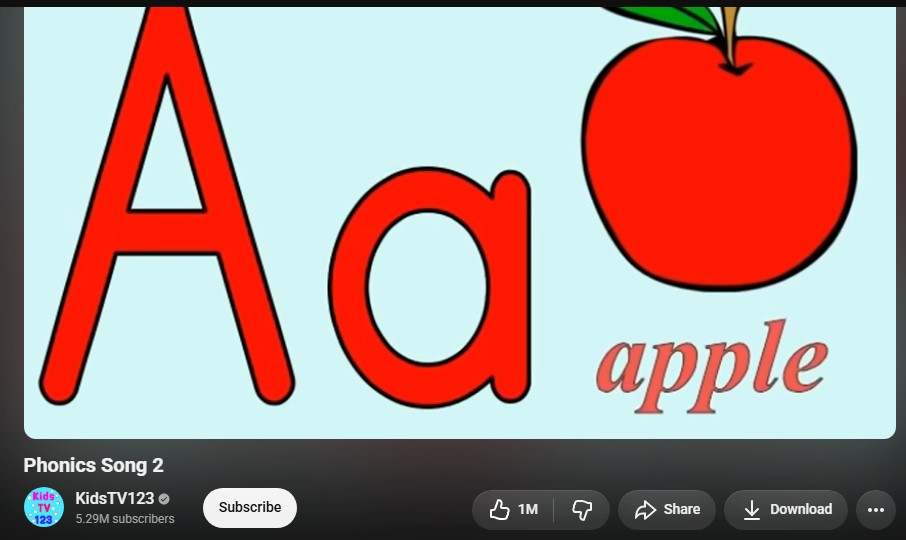
4. Phonics Song 2: KidsTV123
“Phonics Song 2” pairs letters with pictures and repeats their sounds. I’d turn to it when a child is ready to listen for a sound inside a word, beyond naming the letter they can see.
Choose one clear example from the song and think of another familiar word with the same beginning sound. There’s also a detail worth noticing together: its X example is box, with the sounds represented by X at the end. If a child asks why the word doesn’t begin with X, they’ve noticed something real about how letters work in words.
5. ABC Phonics Song: The Singing Walrus
The Singing Walrus uses illustrated words, many of them animals, while giving common letter sounds a prominent place. That sets it apart from “The Animal Alphabet”: here, I’d pay more attention to what a child hears in a word than to how many animals they can name.
Try saying one of the pictured words after the song and asking what sound comes first. Then show the letter. Keep the example simple. English letters can represent different sounds in different words, especially vowels, so one song doesn’t have to explain every variation at once.
6. Who Let the Letters Out?: Dr. Jean
Dr. Jean gives letter sounds the energy of a call-and-response game. It’s a good choice when a child would rather move than sit and watch the alphabet go by.
Put a few large letter cards on the floor. When one comes up, a child can step onto it, hold it up, or make up a little dance. I’d begin with letters they recognize, perhaps one from their name. The card matters: it lets them connect the sound they’re calling out with a letter they can actually see.
7. See It, Say It, Sign It: Jack Hartmann
Look for the letter-sounds version of Jack Hartmann’s song. It combines uppercase and lowercase letters, names, sounds, picture examples, and ASL fingerspelling handshapes. Another alphabet-focused version has a similar title, so that distinction helps when you’re choosing it.
This one gives a child several ways to take part. They can say a letter, look for its lowercase form, or try the handshape. Afterward, pick one letter from their name and explore it again. Fingerspelling is a useful introduction to that part of ASL; learning the song alone doesn’t mean a child has learned the language.
8. ABC Song: Gracie’s Corner
Gracie’s Corner keeps the alphabet sequence but adds positive words children can use to describe themselves, including amazing and kind. It takes the familiar idea of an ABC song in a more personal direction.
I’d use this one to talk about a word that stands out. What does being kind look like? Can you find K in a name or a book? Some words in the song may need explaining, and you can let those conversations happen as they come. Its strength is giving children something to say about themselves while they spend time with letters.
9. The Backwards Alphabet Song: ABCmouse
ABCmouse turns the usual order around, traveling from Z toward A. For a child who happily sings the alphabet forward, that change can feel like a game.
I’d save it for when they want a challenge and keep the stakes low. Singing backwards takes practice, and doing it from memory is different from recognizing letters individually. Afterward, shuffle a few letter cards and ask them to find one. That takes the game beyond remembering what comes next in a song.
10. Alphabet Lost and Found: They Might Be Giants
From the album Here Come the ABCs, “Alphabet Lost and Found” imagines what happens when words lose their letters. It’s playful and a little strange in the way a good word joke can be.
This is my pick for a child who already enjoys noticing letters in written words. Some of the jokes may pass a younger child by, and that’s fine. Write a short word such as cat, cover the C, and see what remains. The song gives you a reason to play with the letters inside words, instead of always starting at A and ending at Z.
Make One Letter Last Beyond the Song
After any of these songs, I’d choose just one letter to keep playing with. Find it in a child’s name. Spot it in a book. Say a word that starts with a familiar sound. Draw it in the air or trace it on paper. Which activity you choose can depend on what caught their interest during the song.
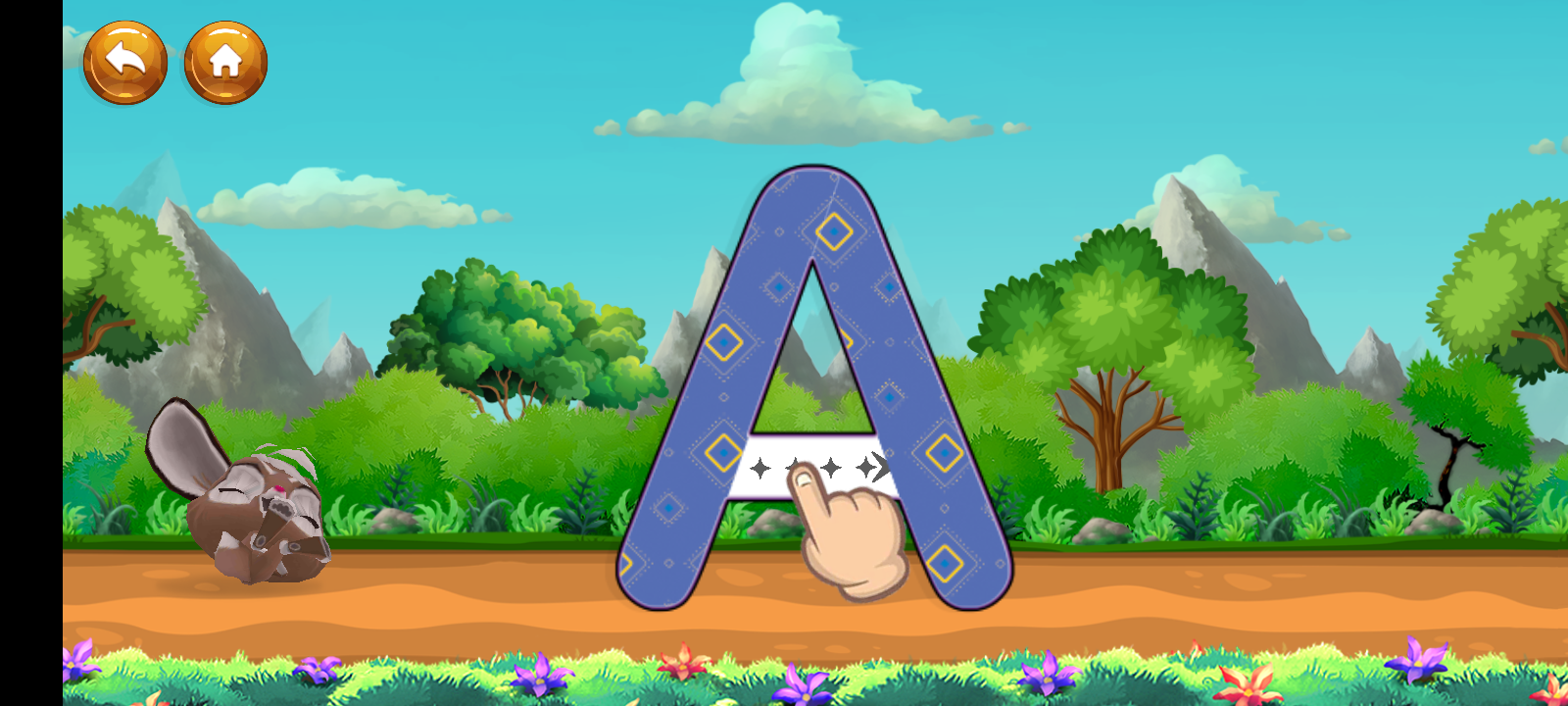
For a guided tracing option, Alphabet Magic trace & phonics, made by our team at Editorialge, includes uppercase and lowercase letter tracing and phonics activities. It’s one way to follow up when a child wants more time with a letter. Paper, crayons, and books offer ways to carry on as well.
What Stays After the Music
A child might ask to hear one song again because of an animal, a dance, or a funny word. I’d start there. The song has already given them a reason to pay attention; you can bring one letter from it into whatever you do next.
That could be B on a passing bus or the first letter of their name on a page. It’s a small moment, but it makes the alphabet feel like something they can find for themselves.
Frequently Asked Questions on Alphabet Songs for Kids
1. Is singing the ABC song enough for a child to learn the alphabet?
It helps with letter order, but a child may still need practice recognizing letters on their own. Point out one familiar letter in names, books, or signs so they can meet it outside the song.
2. Which of these songs help children learn letter sounds?
“Phonics Song 2,” The Singing Walrus’s “ABC Phonics Song,” Dr. Jean’s “Who Let the Letters Out?,” and the letter-sounds version of “See It, Say It, Sign It” all put sounds at the center. Start with a few letters and familiar words.
3. When should I introduce alphabet songs?
Whenever your child enjoys them. A toddler may simply like the music and repetition; later, you can begin pointing to printed letters and listening for sounds together. There’s no need to turn the first sing-along into a lesson.
4. Should I teach letter names or letter sounds first?
You can introduce them together as they come up. Show B, say its name, and listen for its sound in bus. A child’s questions and interests can guide which letters you spend more time on.
5. Can we use alphabet songs without watching videos?
Yes. Sing a favorite part from memory or play audio while using letter cards, fridge magnets, or a book. A child can move, point, and find letters without needing to watch a screen.