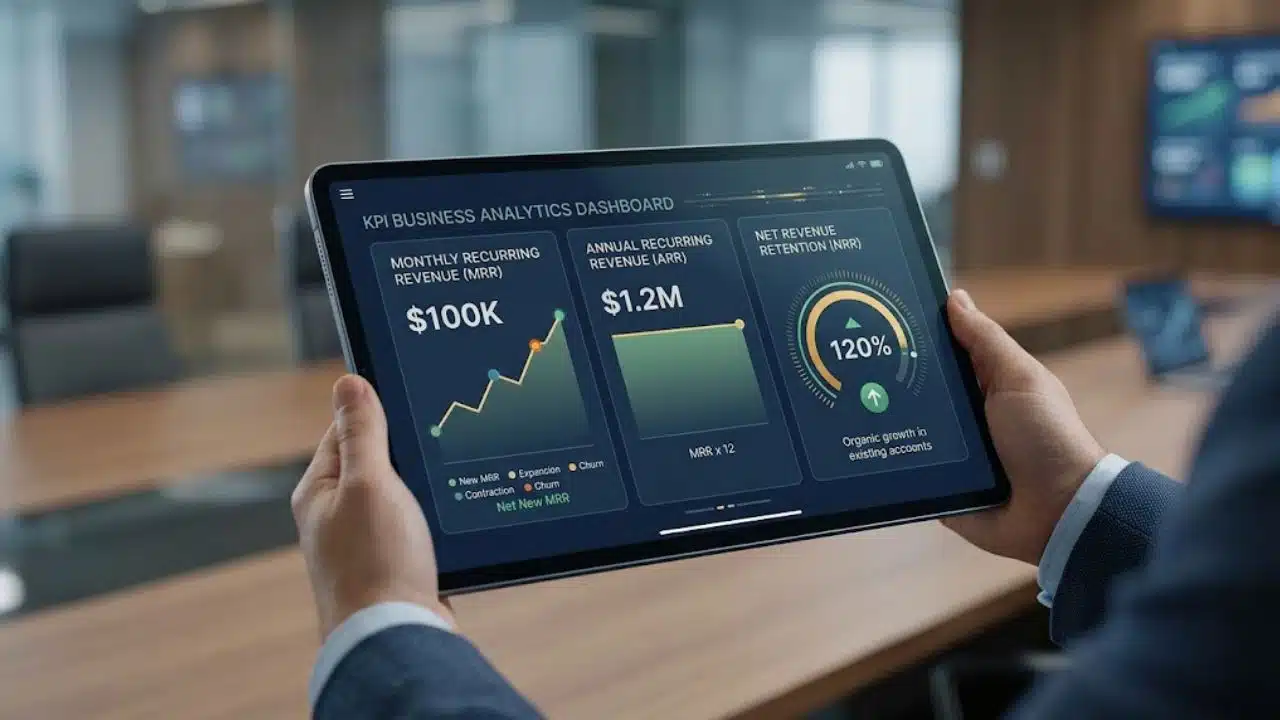
Blockchain technology has often been synonymous with cryptocurrency, but its potential goes far beyond digital currencies. While Bitcoin and Ethereum are the most famous examples of blockchain in action, the technology is now being leveraged in various industries, revolutionizing sectors such as healthcare, supply chain management, voting systems, and more.
In this article, we will explore 7 ways blockchain is being used outside of cryptocurrency, demonstrating how it is transforming traditional processes and creating new opportunities for businesses and individuals alike.
What is Blockchain?
At its core, blockchain is a decentralized, distributed ledger technology that ensures data integrity and security without the need for a central authority. The term “blockchain” refers to a chain of blocks, where each block contains a list of transactions.
Once a block is added to the chain, it cannot be altered or deleted, ensuring transparency and immutability. These features make blockchain an attractive solution for many industries that require secure, transparent, and efficient data management systems.
The Growing Influence of Blockchain Beyond Cryptocurrency
The initial use case for blockchain technology was in the financial industry, specifically for digital currencies like Bitcoin. However, as businesses and organizations began to recognize the unique advantages of blockchain—such as decentralization, immutability, and security—its use quickly expanded to various other fields.
Blockchain is being used outside of cryptocurrency in areas ranging from supply chain management to healthcare and real estate. The ability to store and transfer data in a tamper-proof and transparent manner is what makes blockchain a game-changer in these sectors.
1. Blockchain in Supply Chain Management
Blockchain’s impact on supply chain management is significant and transformative. Supply chains are often complex, involving multiple stakeholders who may have different levels of access to information. Blockchain helps streamline these processes, providing greater transparency and security throughout the supply chain. This transparency improves trust between partners and helps ensure that the entire process—from production to delivery—is verifiable.
Ensuring Transparency and Traceability
Blockchain ensures that each participant in the supply chain, whether it’s a manufacturer, supplier, or retailer, can access a transparent record of the product’s journey. By recording every transaction or action taken with a product on the blockchain, businesses can verify its authenticity and origin. This is particularly important in industries such as food production, where consumers want to know where their food comes from and how it was handled.
Real-World Examples of Blockchain in Supply Chains
- Walmart & IBM Food Trust: Walmart uses IBM’s blockchain technology to track the origins of food products in real-time. This has significantly reduced the time required to trace produce from farm to store—from seven days to mere seconds. This allows the company to quickly respond to safety concerns and prevent widespread contamination.
- Maersk & IBM TradeLens: Shipping giant Maersk collaborates with IBM to use blockchain in the shipping industry. By using blockchain, they provide end-to-end visibility into the supply chain, making it easier to track the status of shipments and reduce delays or fraud.
Key Benefits:
| Benefit | Explanation |
| Increased Efficiency | Blockchain automates many manual processes, reducing delays and errors. |
| Improved Trust | By providing an immutable, transparent record, blockchain builds trust among supply chain partners. |
2. Blockchain in Healthcare
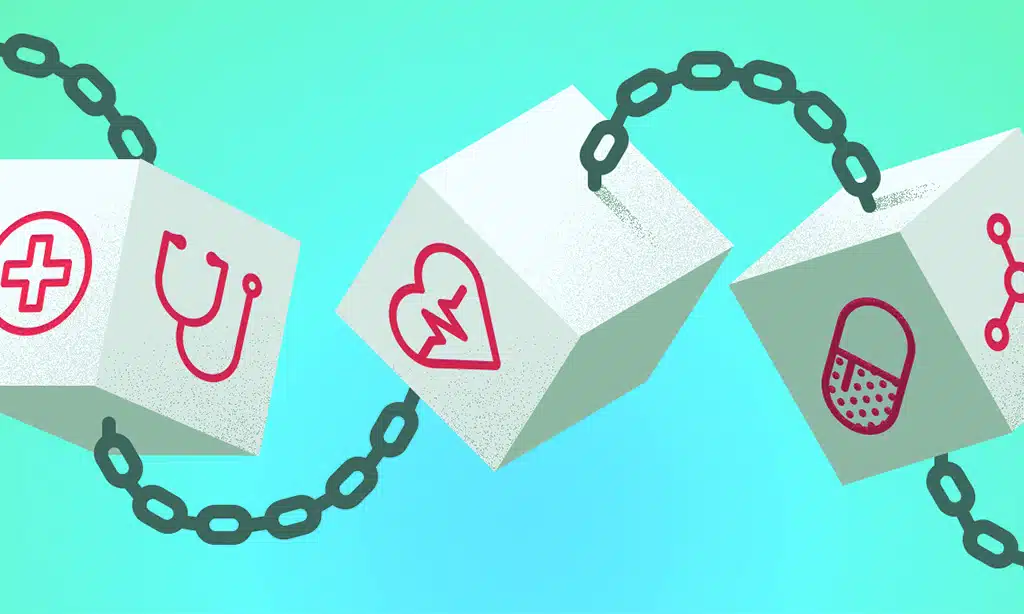
Blockchain is increasingly being recognized for its potential to revolutionize the healthcare sector. With growing concerns around data security, privacy, and fraud, blockchain offers solutions that could make healthcare more efficient, transparent, and secure.
Securing Patient Data and Medical Records
One of the most promising uses of blockchain in healthcare is its ability to securely store and share patient data. Traditional healthcare systems often rely on centralized databases that are vulnerable to breaches and unauthorized access. Blockchain offers a decentralized model where patients control access to their own data, allowing healthcare providers to access only necessary information while maintaining privacy.
Blockchain Applications in Drug Traceability
Counterfeit drugs are a significant global issue, costing billions of dollars and endangering patient lives. Blockchain can help solve this problem by tracking drugs through the entire supply chain, ensuring that they are genuine, safe, and properly stored.
Advantages of Blockchain in Healthcare:
| Benefit | Explanation |
| Enhanced Data Privacy | Blockchain allows patients to control access to their medical records, improving privacy. |
| Streamlined Processes | Blockchain can automate administrative tasks like billing and record updates, improving efficiency. |
Real-World Example: Medicalchain
Medicalchain uses blockchain to store and share electronic medical records (EMRs). This allows patients to have full control over their medical records and share them with healthcare providers seamlessly and securely.
3. Blockchain for Voting Systems
Blockchain can make a significant impact on the security and integrity of voting systems. With increasing concerns about election tampering, voter fraud, and low turnout, blockchain offers a solution that enhances transparency, security, and trust.
Enhancing Election Transparency and Security
Blockchain can ensure the integrity of votes by providing an immutable and transparent record of every vote cast. This makes it virtually impossible to alter or tamper with the results once they are recorded. Blockchain-based voting systems also allow for real-time vote verification, ensuring that the process is both secure and transparent.
How Blockchain Improves Voter Authentication and Integrity
Blockchain enables the use of digital IDs for voters, allowing them to verify their identity using biometric data or other authentication methods. This reduces the chances of fraudulent votes and ensures that each voter can only vote once.
Key Benefits:
| Benefit | Explanation |
| Fraud Prevention | Blockchain ensures that votes cannot be altered or deleted once cast. |
| Increased Voter Participation | With blockchain, remote voting becomes possible, making it easier for citizens to vote. |
Case Study: Voatz
Voatz is a blockchain-based voting platform that has been used in several pilot programs in the U.S. for absentee and overseas military voting. By using blockchain, Voatz ensures that votes are securely recorded and can’t be altered after submission.
4. Blockchain in Intellectual Property Protection
Blockchain is proving to be an invaluable tool in protecting intellectual property (IP). In industries such as music, film, and publishing, where piracy and counterfeiting are rampant, blockchain can provide a clear and immutable record of ownership, helping creators protect their work and receive fair compensation.
Managing Copyrights and Trademarks
Blockchain’s decentralized and transparent nature makes it ideal for managing copyrights and trademarks. By recording each copyright and trademark on the blockchain, creators can prove their ownership and easily manage licensing agreements.
Blockchain’s Role in Protecting Digital Content Creators
The rise of digital content has led to increasing piracy, making it difficult for creators to secure their rights. Blockchain allows creators to register their works and ensures that they receive compensation whenever their content is used or reproduced.
Benefits:
| Benefit | Explanation |
| Reduced Counterfeiting | Blockchain records an immutable trail of ownership, which makes it harder for counterfeit goods to be sold. |
| Clear Ownership History | Blockchain provides an easily accessible and indisputable history of intellectual property ownership. |
Real-World Example: Ascribe
Ascribe is a platform that allows artists to register their work on the blockchain, ensuring that they retain ownership rights and receive royalties for their creations.
5. Blockchain in Identity Verification
With the rise of cybercrime and identity theft, protecting personal information is more important than ever. Blockchain is becoming a viable solution for securely managing identity verification.
Revolutionizing Digital Identity with Blockchain
Blockchain enables individuals to own and control their digital identity. Instead of relying on centralized entities like banks or governments to store and authenticate personal information, blockchain allows users to securely store their identity data on a decentralized ledger. This model reduces the risk of identity theft and fraud.
The Role of Blockchain in Fighting Identity Theft
Blockchain’s immutable and decentralized nature makes it an ideal tool for preventing identity theft. Personal information stored on the blockchain cannot be altered or tampered with, reducing the risk of data breaches or unauthorized access.
Key Features:
| Feature | Explanation |
| Secure Authentication | Blockchain’s encryption ensures that only authorized users can access sensitive data. |
| User Privacy Control | Blockchain puts the individual in control of who can access their personal information. |
Example: SelfKey
SelfKey is a blockchain-based identity verification platform that allows individuals to create and control their digital identity. This technology enables secure identity management without the need for intermediaries.
6. Blockchain in Real Estate
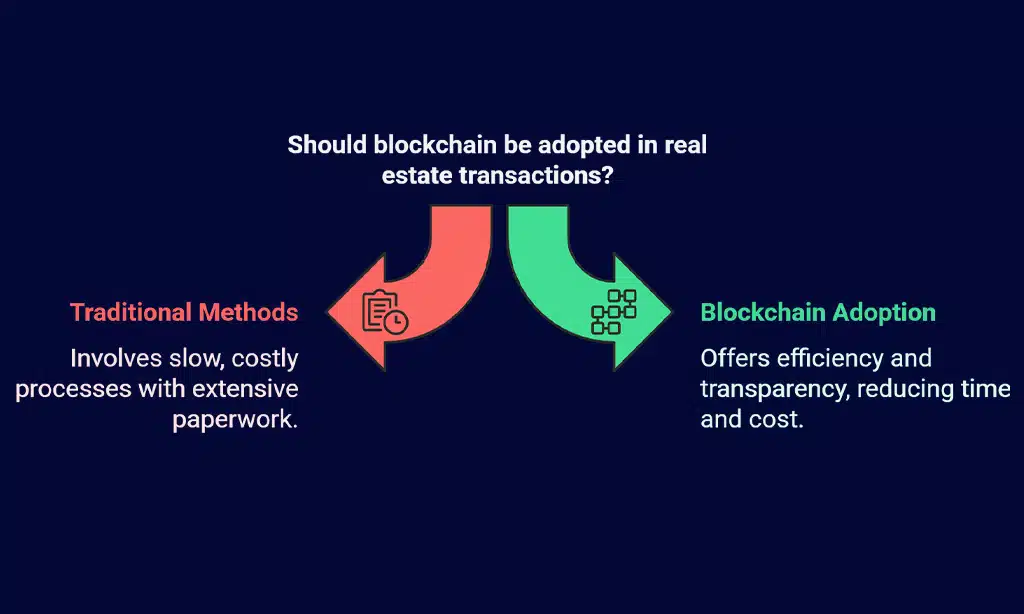
The real estate industry is ripe for disruption, and blockchain is leading the way. Traditional real estate transactions are often slow, costly, and fraught with paperwork. Blockchain offers a more efficient and transparent alternative.
Streamlining Property Transactions and Record-Keeping
Blockchain can simplify the process of buying and selling property by providing a secure and transparent record of ownership. By using blockchain, property buyers and sellers can instantly verify the legitimacy of ownership and reduce the time spent on administrative tasks.
Blockchain for Smart Contracts in Real Estate Deals
Smart contracts are self-executing contracts with the terms of the agreement directly written into code. In real estate, blockchain can automate tasks such as transferring ownership or releasing payment once the conditions of the contract are met.
Benefits:
| Benefit | Explanation |
| Reduced Fraud | Blockchain ensures that property transactions are recorded transparently, reducing the risk of fraud. |
| Faster Transactions | Blockchain’s automation and transparency reduce the time needed to complete property deals. |
Real-World Example: Propy
Propy is a blockchain-based platform that allows buyers and sellers to complete property transactions entirely online. By using blockchain, Propy ensures that every transaction is secure, transparent, and efficient.
7. Blockchain in Finance (Beyond Cryptocurrency)
While blockchain is most commonly associated with cryptocurrencies like Bitcoin, it is also having a significant impact on the traditional financial sector. Financial institutions are using blockchain to enhance security, reduce costs, and improve accessibility.
Cross-Border Payments and Remittances
Blockchain technology can streamline international payments, making them faster, cheaper, and more secure. Traditional cross-border payments are often slow and expensive due to the need for intermediaries, such as banks and clearinghouses. With blockchain, transactions can be completed directly between parties, eliminating many of these costs.
Blockchain for Asset Tokenization
Blockchain allows for the creation of digital tokens that represent ownership of real-world assets such as real estate, stocks, or even art. These tokens can be traded and sold on blockchain platforms, opening up investment opportunities to a broader audience.
Key Benefits:
| Benefit | Explanation |
| Lower Transaction Costs | Blockchain eliminates intermediaries, reducing fees associated with international payments. |
| Improved Access to Global Markets | Blockchain opens up investment opportunities to anyone with internet access, reducing barriers to entry. |
Example: Securitize
Securitize uses blockchain to enable the tokenization of securities, allowing investors to buy and trade shares in real estate or other assets without intermediaries.
Wrap Up
As we have seen, blockchain is being used outside of cryptocurrency in a wide range of industries, from healthcare to finance, real estate, and supply chain management.
The unique features of blockchain—decentralization, immutability, and transparency—make it a powerful tool for transforming traditional processes and creating new opportunities for businesses and consumers alike.
While there are still challenges to overcome, such as regulatory hurdles and technological limitations, the potential of blockchain to revolutionize industries beyond cryptocurrency is undeniable. As adoption grows, we can expect to see even more innovative applications of blockchain technology in the years to come.