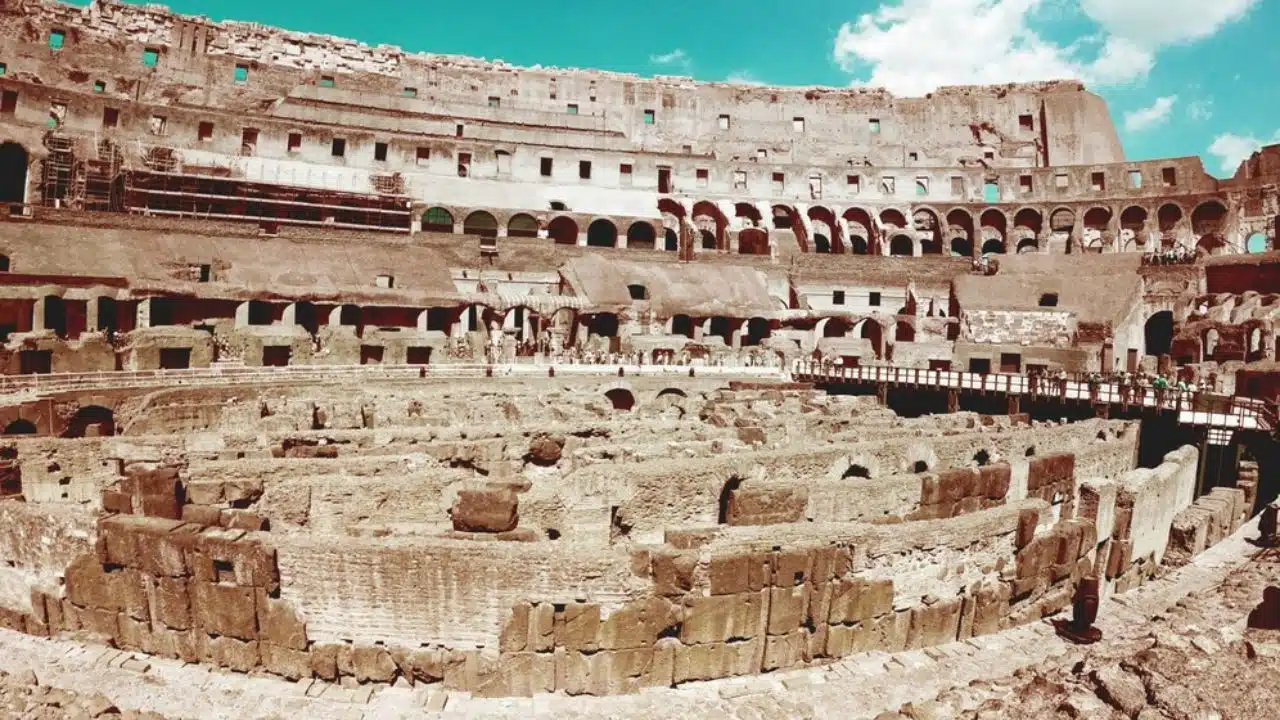
Pompeii is one of the most famous and fascinating archaeological sites in the world, offering a unique glimpse into life during the height of the Roman Empire. Buried under a thick layer of volcanic ash and pumice following the catastrophic eruption of Mount Vesuvius in 79 AD, Pompeii was preserved in remarkable detail, freezing a moment in time for future generations to explore.
Today, this ancient city is an unmissable destination for history buffs, archaeology enthusiasts, and anyone intrigued by the mysteries of the past. As you walk through its streets, you’ll encounter well-preserved buildings, intricate frescoes, and poignant artefacts that tell the story of a vibrant city caught in the midst of a sudden disaster. This guide will provide you with essential tips for making the most of your visit to Pompeii, ensuring that you can fully appreciate the history and culture embedded in its ruins.
The History of Pompeii
Pompeii was once a thriving Roman city, bustling with activity and adorned with impressive architecture, lavish villas, and bustling marketplaces. It was a key urban centre, strategically located near the Bay of Naples, and played a significant role in the economic and cultural life of the region. However, this vibrant city met a tragic end when Mount Vesuvius erupted in 79 AD, unleashing a devastating torrent of ash, pumice, and volcanic gases that buried the city and its inhabitants almost instantly. The catastrophic event preserved Pompeii under a thick layer of volcanic material, effectively freezing it in time. For nearly 1,700 years, the city lay forgotten beneath the earth until its rediscovery in the 18th century.
The excavation of Pompeii has been one of the most significant archaeological endeavours in history, revealing an unparalleled snapshot of ancient Roman life. Archaeologists have uncovered remarkably well-preserved structures, including homes, temples, bathhouses, and theatres, along with a wealth of artefacts such as pottery, tools, and furniture. Among the most striking discoveries are the plaster casts of victims, created by pouring plaster into the voids left by decomposed bodies, providing hauntingly detailed images of the people caught in the disaster. The extensive excavation work has allowed historians to piece together a detailed picture of daily life in Pompeii, from the lavish lifestyles of the elite to the everyday routines of ordinary citizens. These findings have made Pompeii a crucial site for understanding the social, cultural, and economic dynamics of the Roman Empire.
Key Attractions in Pompeii
Foro di Pompei (Pompeii Forum)
The Foro di Pompei was the bustling heart of ancient Pompeii, serving as the central hub for the city’s public, religious, and commercial life. Surrounded by impressive administrative buildings, temples, and markets, the Forum was where citizens gathered to discuss politics, attend religious ceremonies, and conduct business. Dominated by structures like the Temple of Jupiter and the Basilica, the Forum stands as a testament to the architectural grandeur of Roman urban planning. Walking through its ruins, visitors can imagine the vibrant life that once filled this space, making it one of the most significant sites in Pompeii.
Villa dei Misteri (Villa of the Mysteries)
The Villa dei Misteri is one of Pompeii’s most famous and well-preserved sites, renowned for its extraordinary frescoes that provide a glimpse into the rituals and mysteries of ancient Roman religion. The villa is located on the outskirts of the city and is named after the vivid paintings that adorn its walls, depicting scenes of the initiation rites of the Dionysian Mysteries. These frescoes are considered masterpieces of Roman art, offering insight into the private religious practices of the elite. The villa itself is a grand structure, reflecting the wealth and status of its owners, and it stands as a powerful symbol of the opulence that characterized Pompeii before its destruction.
Anfiteatro (Amphitheater)
Pompeii’s Anfiteatro is one of the oldest and best-preserved amphitheatres in the world, dating back to 70 BC. This massive structure could accommodate up to 20,000 spectators and was the venue for gladiatorial games and other public spectacles that were central to Roman entertainment. The design of the amphitheatre, with its stone seating and elliptical arena, set the standard for later constructions, including the Colosseum in Rome. Today, it remains a compelling reminder of the social and cultural importance of such events in ancient Roman society.
Case and Domus (Houses and Villas)
Pompeii is famous for its Case and Domus, the luxurious homes of its wealthy citizens, many of which are remarkably well-preserved. The Casa del Fauno is one of the largest and most elaborate, named after the bronze statue of a dancing faun found in its courtyard. This house is also renowned for its intricate mosaics, including the famous Alexander Mosaic, which depicts the Battle of Issus between Alexander the Great and Darius III of Persia. These residences offer a unique insight into the domestic life of Pompeii’s aristocracy, displaying the artistry and artisanship of Roman interior decoration.
Teatri (Theaters)
Pompeii was also home to several teatri, where citizens enjoyed performances of comedies, tragedies, and musical events. The Teatro Grande is the most prominent of these, with a seating capacity of around 5,000 spectators. This theatre was designed to take advantage of the natural slope of the terrain, providing excellent acoustics for the performances. The nearby Teatro Piccolo, or Odeon, was a smaller, covered venue used for more intimate gatherings, such as poetry readings and concerts. These theatres reflect the cultural sophistication of Pompeii and its citizens’ love for the arts.
These key attractions provide a deep understanding of the life and culture in ancient Pompeii, offering visitors a chance to step back in time and explore the everyday experiences of those who lived nearly 2,000 years ago.
Planning Your Visit to Pompeii
To fully experience the ancient city of Pompeii, it’s recommended to allocate at least a full day for your visit. This will give you ample time to explore the major attractions without feeling rushed. For a comprehensive overview, a 4-6 hour itinerary can cover key sites such as the Forum, Villa dei Misteri, Anfiteatro, Casa del Fauno, and the Teatri. However, for history enthusiasts or those deeply interested in archaeology, spending more time wandering through the various domus, shops, and lesser-known ruins can provide a richer experience. Many visitors find that a full day allows them to immerse themselves in the daily life of ancient Pompeii, making it a truly unforgettable journey back in time.
The ideal times to visit Pompeii are during the spring and autumn. During these periods, the weather is mild, making it comfortable to explore the vast site. The temperatures are cooler, and the crowds are generally smaller compared to the peak summer months. While the winter months (November to March) see fewer visitors, allowing for a more peaceful experience, they can also bring occasional rain, which may limit the time you can spend outdoors. Visiting during these off-peak seasons also allows you to enjoy the ruins without the intense heat and the larger tourist groups that summer typically brings.
Pompeii is one of the most popular tourist destinations in Italy, and it can become quite crowded, particularly in the summer months and during major holidays. To avoid the throngs of visitors, it is advisable to arrive early in the morning when the site opens or later in the afternoon. This not only allows you to avoid the midday heat but also gives you a more serene environment to appreciate the ruins. Weekdays are generally less crowded than weekends, and booking tickets in advance can help you skip the lines and make the most of your visit.
By carefully planning your visit, you can ensure that you have the time and space to truly appreciate the wonders of Pompeii, making your exploration of this ancient city both enjoyable and enriching.
Dining and Accommodation Tips
After a day of exploring the ruins of Pompeii, you’ll find a variety of dining options near the archaeological site that cater to different tastes and preferences. The area is rich in traditional pizzerias where you can enjoy an authentic Neapolitan pizza, a must-try when visiting this region. In this regard, a great classic is undoubtedly marinara, seasoned with tomato, garlic, oregano and extra virgin olive oil. Additionally, there are several trattorias offering a range of Campanian specialties, including many vegan dishes such as pasta e ceci, riso e verza, fagioli e scarole and zucchine alla scapece. Whether you’re looking for a quick bite or a leisurely meal, there are options to suit all dining preferences, from casual eateries to more refined establishments where you can unwind and savour the local cuisine.
When it comes to finding a place to stay, Pompeii and its surrounding areas offer a wide array of accommodations to fit various budgets and travel styles. You can choose from luxury hotels that provide top-notch amenities and easy access to the archaeological site, or opt for cosy bed & breakfasts that offer a more intimate and personalized experience. For those looking to stay just outside of Pompeii, the nearby town of Castellammare di Stabia is an excellent option, offering a range of hotels and B&Bs with convenient connections to the site. Whether you’re seeking a high-end retreat or a budget-friendly stay, you’ll find suitable accommodations that allow you to rest comfortably after a day of exploration.
How to Reach Pompeii
To visit Pompeii, you can easily travel from Rome to Naples or Salerno by train. For example, you can book a high-speed train from Rome to Salerno and enjoy the coastal city before heading to Pompeii.
From Rome to Pompeii
For travelers starting their journey in Rome, the most efficient way to reach Pompeii is by taking a high-speed train (Italo) to Naples, a trip that takes about 1 hour and 20 minutes. Once you arrive in Naples, you can easily continue to Pompeii using a bus, which takes approximately 1 hour. This route is convenient and straightforward, allowing you to reach Pompeii in just a couple of hours.
Alternative Route: Rome to Salerno
Another option is to travel from Rome to Salerno by train. Salerno offers an excellent opportunity to explore another beautiful city, with attractions such as its picturesque waterfront promenade, the historic medieval Duomo, and the bustling old town. From Salerno, you can reach Pompeii in about 40 minutes by regional train, or opt for a guided tour that includes transportation and a comprehensive exploration of the archaeological site.
Regardless of the option chosen, traveling by train is not only a convenient way to reach Pompeii, but also a sustainable one. Trains, especially high-speed ones, produce significantly fewer CO₂ emissions compared to airplanes and help reduce the number of cars on the road, thus contributing to decreased traffic and air pollution.
Conclusion
A visit to Pompeii is not just a tour of an ancient site; it’s an immersive journey into the daily life of a once-thriving Roman city. To make the most of your experience, it’s essential to prepare adequately. Ensure you bring sunscreen, plenty of water, and comfortable footwear to navigate the extensive ruins comfortably. The site can be overwhelming in its scope and detail, so consider booking your tickets in advance to skip the long queues and give yourself more time to explore. By planning ahead, you’ll be able to fully appreciate the rich history and captivating stories that Pompeii has to offer, making your visit both enjoyable and memorable.