


Panic attacks are sudden, intense episodes of fear or anxiety that can make individuals feel like they are losing control, having a heart attack, or even dying. It can be challenging to manage daily life when these attacks happen unexpectedly or as a result of particular circumstances. If left unchecked, panic attacks can lead to panic disorder, in which the fear of having another attack becomes overwhelming.
The positive news is that there are effective strategies to manage and stop panic attacks. By understanding what is happening during a panic attack and employing the right techniques, it’s possible to regain control and reduce the intensity of symptoms. In this article, we will explore 10 of the best strategies to stop a panic attack and regain your peace of mind.
1. Practice Deep Breathing
Deep breathing is one of the simplest and most effective techniques to stop a panic attack in its tracks. Panic attacks often lead to rapid, shallow breathing (hyperventilation), which can increase feelings of anxiety and dizziness.
How to Practice Deep Breathing:
- Sit in a comfortable position and close your eyes.
- Slowly inhale through your nose for a count of four, allowing your lungs to fill with air.
- Hold your breath for a count of four.
- For a count of four, slowly exhale through your mouth.
- Repeat this cycle until you feel your heart rate slowing and your body calming.
Why It Works: Deep breathing helps regulate oxygen levels and reduces the physical symptoms of panic, such as dizziness, chest pain, and rapid heart rate. By focusing on your breath, you shift your attention away from the overwhelming feelings of panic.
2. Use Grounding Techniques
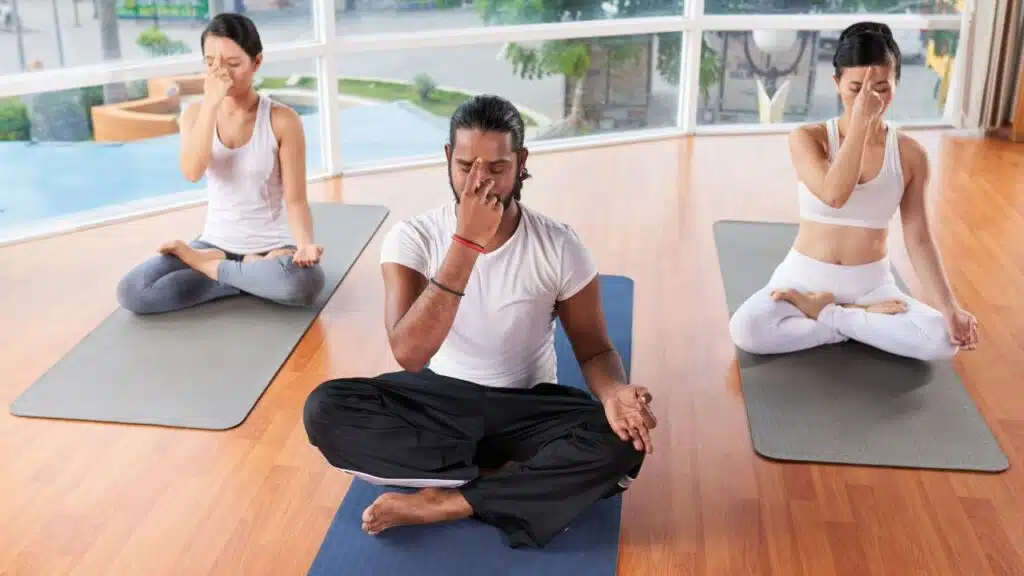
Grounding techniques help redirect your focus away from the panic attack by engaging your senses and reconnecting you with your surroundings.
A Simple Grounding Exercise:
- Look around the room and name five things you can see.
- Close your eyes and identify four things you can feel.
- Focus on three things you can hear.
- Identify two things that can be smelled.
- Think of one thing you can taste.
Why It Works: Grounding exercises bring you back to the present moment and help break the cycle of catastrophic thinking that often fuels panic attacks. By paying attention to sensory details, you anchor yourself to reality, reducing the intensity of the attack.
3. Challenge Negative Thoughts
Irrational or pessimistic thoughts, such as fear of losing control or the belief that something terrible will happen, frequently fuel panic attacks. Cognitive restructuring can help you challenge these thoughts.
How to Challenge Negative Thoughts:
- Write down the negative thoughts you are experiencing during a panic attack.
- Examine the evidence that supports or contradicts these thoughts.
- Replace irrational thoughts with more balanced, realistic ones.
For example, if you think, “I’m having a heart attack,” challenge this by reminding yourself that you’ve experienced these symptoms before and it was just a panic attack.
Why It Works: Challenging negative thoughts allows you to regain control over your mind and stops the escalation of fear. Your thoughts can affect your emotions less by reframing them.
4. Use Progressive Muscle Relaxation (PMR)
Progressive Muscle Relaxation (PMR) is a technique that involves tensing and then slowly releasing different muscle groups in the body. This helps reduce muscle tension and promotes relaxation.
How to Practice PMR:
- Start by tensing the muscles in your toes, holding the tension for five seconds.
- Release the tension and feel the muscles relax.
- Gradually work your way up through different muscle groups, from your toes to your head.
- Focus on the difference between tension and relaxation as you move through each group.
Why It Works: Panic attacks can cause significant physical tension, which exacerbates feelings of anxiety. PMR helps release this tension, allowing the body to relax and reducing the physical symptoms of a panic attack.
5. Visualize a Calm Place
Visualization is a powerful technique for managing anxiety. By imagining yourself in a peaceful, serene environment, you can help counteract the fear and stress of a panic attack.
How to Use Visualization:
- Close your eyes and imagine a place where you feel completely relaxed, such as a beach, forest, or cozy room.
- Engage all of your senses by picturing your safe place’s colors, sounds, and smells.
- Focus on the details and allow yourself to mentally escape to this calm environment.
Why It Works: Visualization helps shift your focus away from the panic attack and provides a mental escape. It reduces stress and stimulates the body’s relaxation response, which can calm panic symptoms.
6. Focus on One Task

Engaging in a simple, repetitive task can help distract your mind from the overwhelming feelings of panic.
Examples of Tasks:
- Squeeze a stress ball.
- Count backward from 100.
- Repeat a soothing mantra, such as “I am safe” or “This will pass.”
Why It Works: Focusing on a task provides your brain with something to do other than panic. This can help break the cycle of anxiety and reduce the intensity of the attack.
7. Practice Mindfulness
Mindfulness involves staying present and accepting your thoughts and feelings without judgment. It helps you observe the sensations of a panic attack without reacting to them.
How to Practice Mindfulness:
- Sit quietly and focus on your breath or an object in front of you.
- Observe your thoughts and sensations without trying to change or judge them.
- Acknowledge that the panic attack is happening, but remind yourself that it will pass.
Why It Works: Mindfulness allows you to step back from the panic and observe it objectively. This reduces the emotional intensity of the attack and helps you maintain a sense of control.
8. Talk to Someone You Trust
Sometimes, talking to someone you trust can help alleviate the feelings of isolation and fear that come with a panic attack.
How to Seek Support:
- Call a friend, family member, or therapist who understands what you are going through.
- Share your feelings and let them offer reassurance.
- If possible, have someone stay with you during the panic attack to offer comfort.
Why It Works: Connecting with another person provides emotional support and can help you feel less alone. They can also offer a fresh perspective and remind you that the panic attack will pass.
9. Practice Acceptance
Fighting a panic attack can often make it worse. Instead of resisting the attack, try practicing acceptance.
How to Practice Acceptance:
- Acknowledge that you are experiencing a panic attack and remind yourself that it is temporary.
- Focus on riding the wave of panic instead of fighting it.
- Accept the symptoms for what they are—your body’s response to stress.
Why It Works: By accepting the panic attack rather than resisting it, you reduce the power it has over you. This approach can help reduce the intensity and duration of the attack.
10. Seek Professional Help

If you experience frequent panic attacks, it may be helpful to seek professional support. Therapists can teach you coping mechanisms and help you address the root causes of panic.
Types of Professional Support:
- Cognitive Behavioral Therapy (CBT): CBT is one of the most effective treatments for panic attacks. It helps you identify and change negative thought patterns that trigger panic.
- Medications: In some cases, medications such as selective serotonin reuptake inhibitors (SSRIs) or benzodiazepines may be prescribed to manage anxiety.
Why It Works: Professional therapy provides personalized strategies to help manage panic attacks over time. A therapist can also provide support and guidance as you work through the challenges of panic disorder.
Conclusion
Fearful and overwhelming, panic attacks can be managed with the right strategies. By practicing techniques such as deep breathing, grounding exercises, and mindfulness, you can stop panic attacks in their tracks and regain control over your body and mind.
If your panic attacks are frequent or severely impacting your life, seeking professional help can offer additional support and resources. Remember, it’s important to be patient with yourself as you learn to manage your anxiety and to keep practicing these techniques until they become second nature.
























