Many dogs love car rides, but some struggle with car sickness. This common issue can make trips stressful for both pets and owners. You can prevent car sickness in dogs with some simple steps and training.
Car sickness in dogs often stems from motion, stress, or anxiety. It can cause nausea, drowsiness, and vomiting. These symptoms can make car rides unpleasant for everyone. But don’t worry – there are ways to help your furry friend enjoy traveling.
1. Bring favorite toys
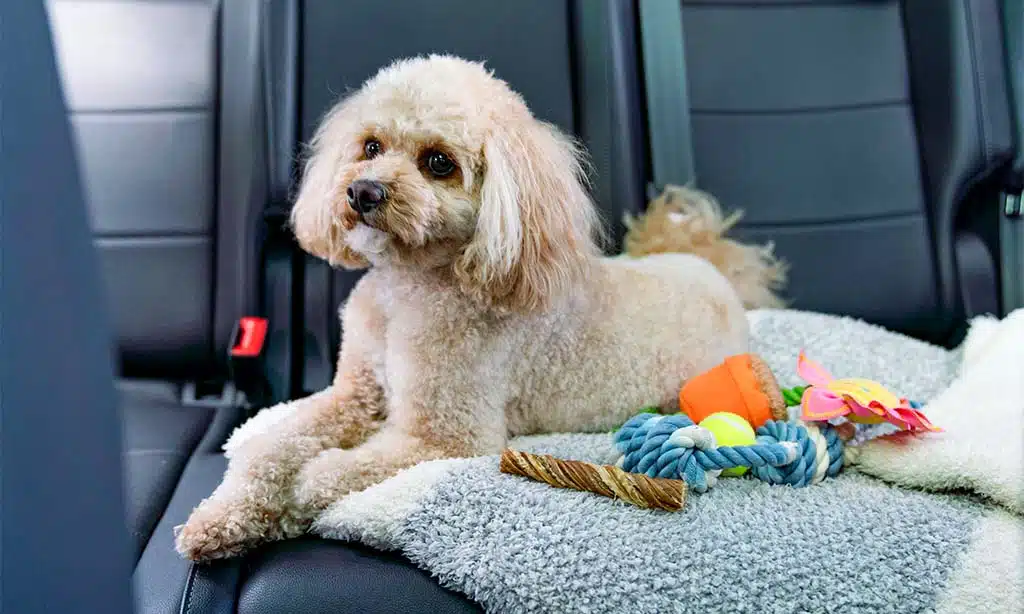
Bringing your dog’s favorite toys can help prevent car sickness. Familiar items make your pup feel more at ease during the trip. Pack a few toys they love to play with at home.
Soft plush toys are great choices. They’re comfy for your dog to cuddle with in the car. Chew toys can also keep your pet busy and distracted from motion.
A beloved blanket or bed can make the car feel more like home. The familiar scent helps your dog relax. Place it where they’ll be sitting or lying down.
Remember to choose toys that won’t roll around or make a mess in the car. Avoid squeaky toys that might be too noisy while driving. Pick items that are safe and won’t cause choking if your dog chews on them during the ride.
By having these comfort objects, your dog may focus less on the car movement. This can reduce their chances of feeling sick. It’s a simple step that can make a big difference in your pet’s travel experience.
2. Comfortable carrier
A comfy carrier can help prevent car sickness in your dog. Choose one that fits your pet well. It should be big enough for them to stand up and turn around.
Secure the carrier in the car. This keeps it from sliding around. Put familiar items inside, like a favorite toy or blanket. These can help your dog feel safe.
Make sure the carrier has good airflow. This keeps your dog cool and reduces nausea. Place it where your dog can see out the window if possible. Seeing the road can help with motion sickness.
Line the carrier with absorbent material. This makes cleanup easier if your dog gets sick. Consider using anti-nausea sprays or wipes in the carrier before trips.
Try different carrier styles to find what works best. Some dogs prefer soft-sided carriers, while others like hard plastic ones. The right carrier can make car rides much better for your pup.
3. Frequent breaks
Taking regular breaks during car trips can help your dog avoid motion sickness. Stop every 30-60 minutes to let your pup stretch their legs and get some fresh air.
These pauses give your dog’s body a chance to reset and reduce nausea. Use break time for short walks or play sessions to help your pet relax.
Offer water during stops to keep your dog hydrated. This can ease stomach discomfort and prevent dehydration from drooling or vomiting.
Plan your route with pet-friendly rest areas in mind. Look for parks or grassy spots where your dog can safely explore and relieve themselves.
Keep breaks short and positive. Aim for 5-10 minutes per stop to avoid disrupting your travel schedule too much.
Gradually increase trip length between breaks as your dog gets more comfortable. This helps build their tolerance for longer car rides over time.
4. Feed a light meal
Giving your dog a light meal before a car trip can help prevent car sickness. Don’t feed your pup a full meal right before traveling. Instead, offer a small portion about two hours before you leave.
A light meal can settle your dog’s stomach without overloading it. Good options include plain, cooked chicken or a small amount of their regular food. Avoid fatty or rich foods that might upset their tummy.
Make sure your dog has access to fresh water before the trip. But don’t let them drink too much, as a full bladder can add to their discomfort. A few sips is enough to keep them hydrated.
If your dog tends to get very sick in the car, you might want to skip food altogether. In this case, wait to feed them until after you reach your destination. Just be sure to pack some treats for when you arrive.
Remember, every dog is different. Pay attention to how your pup reacts and adjust their pre-trip meal as needed. With some trial and error, you’ll find the right balance to keep your furry friend comfortable on car rides.
5. Cool environment
A cool car helps prevent dog car sickness. Hot, stuffy vehicles can make your pup feel nauseous. Keep the temperature comfortable during trips.
Open windows slightly to let fresh air in. This helps equalize pressure and keeps things cool. Use air conditioning on hot days to maintain a pleasant interior.
Avoid parking in direct sunlight before trips. A hot car takes time to cool down. Park in shade when possible to keep the vehicle cooler from the start.
Bring ice packs or cooling mats for your dog to lie on. These can provide extra comfort on longer journeys. Place them in your dog’s carrier or seat area.
Don’t bundle your dog up too much. Overheating can contribute to motion sickness. Dress your pup appropriately for the weather and car temperature.
6. Use a car seat
A car seat can help your dog feel safe and secure during rides. It keeps them in place and reduces movement that can cause nausea.
Choose a seat that fits your dog’s size. Small dogs often do well in booster seats that let them see out the window. Larger dogs may need a seat that attaches to the car’s seat belt system.
Make sure the seat faces forward. This lets your dog see where you’re going, which can ease motion sickness. Place the seat in the back for safety.
Add a comfy blanket or toy to help your dog relax. Secure them properly with straps or harnesses made for car travel. This prevents injury if you stop suddenly.
Start with short trips to get your dog used to the seat. Give treats and praise to create positive associations. With time and practice, your dog will likely become more comfortable riding in their special spot.
7. Ginger dog treats
Ginger dog treats can help ease your pup’s car sickness. These tasty snacks contain natural ginger, which may calm an upset stomach.
You can find many ginger treat options for dogs. Some popular brands include Portland Pet Food, Waggedy, and K9 Bytes. These treats often come in biscuit or chew form.
When choosing ginger treats, look for all-natural ingredients. Avoid treats with artificial additives or preservatives. Grain-free options are also available for dogs with sensitivities.
Give your dog a ginger treat about 30 minutes before car rides. This allows time for the ginger to take effect. Start with a small amount to see how your dog reacts.
Remember that ginger treats are not a cure-all for motion sickness. They work best as part of a larger strategy to help your dog feel comfortable in the car.
Always check with your vet before giving your dog new treats. They can advise on the right dosage and whether ginger is safe for your specific pet.
You can also make homemade ginger treats for your dog. Mix ginger powder with dog-safe ingredients like peanut butter or pumpkin. Bake into small biscuits for a healthy, natural option.
8. Cover windows
Covering your car windows can help prevent dog car sickness. Dark spaces often make dogs feel more secure during rides.
You can use special window shades or tinted films designed for cars. These block out bright sunlight that might bother your dog’s eyes.
Another option is to hang a thin blanket or towel over the window. Make sure it doesn’t block your view while driving.
Some dogs prefer to see outside, so try different options. You might cover only part of the window at first.
Remember to keep the car cool. Good air flow is important even with covered windows.
Test different window coverings on short trips. See how your dog reacts and adjust as needed.
If your dog seems calmer with covered windows, use this method for longer journeys too.
9. Calming music
Playing soothing tunes can help your dog relax during car rides. Soft, gentle music can mask road noises that might stress your pet.
Choose slow, quiet melodies without sudden changes in volume or tempo. Classical music, nature sounds, or special dog relaxation tracks work well.
Start the music before your dog gets in the car. Keep the volume low so it doesn’t overwhelm them. Some dogs prefer silence, so watch your pet’s reaction.
You can find playlists made for dogs on music streaming services. These are designed to be calming for canine ears.
Try different styles to see what your dog likes best. Some pups enjoy soft piano, while others prefer gentle string instruments.
Remember that each dog is unique. What soothes one may not work for another. Pay attention to how your pet responds and adjust as needed.
Pair calming music with other stress-reducing techniques for best results. This can include comfortable bedding, familiar toys, or anxiety wraps.
10. Special harness
A special car harness can help prevent your dog’s car sickness. These harnesses keep your dog secure and reduce movement during the ride.
Look for a harness that attaches to your car’s seat belt system. This will limit your dog’s ability to move around too much. Less movement can help reduce motion sickness.
Make sure the harness fits your dog properly. It should be snug but not too tight. Your dog should be able to sit and lie down comfortably while wearing it.
Some harnesses have a padded chest plate. This can provide extra comfort for your dog during long car rides.
Start with short trips when using a new harness. This will help your dog get used to wearing it in the car.
Remember to praise your dog and offer treats when they wear the harness calmly. This will create positive associations with car travel.
A special harness can also keep your dog safe in case of sudden stops or accidents. It’s a good idea for both preventing car sickness and ensuring your dog’s safety on the road.
Understanding Car Sickness In Dogs
Car sickness can make trips stressful for dogs and their owners. When motion confuses a dog’s senses, it happens. Knowing the causes and signs can help you prevent and manage this issue.
Causes Of Car Sickness In Dogs
Dogs get car sick for a few reasons:
- Inner ear problems: The part of the ear that controls balance can get upset by car movement.
- Stress: Some dogs feel anxious in cars, leading to sickness.
- Age: Puppies are more likely to get car sick because their inner ears are still growing.
- Bad experiences: A scary or unpleasant car ride can make future trips hard.
Car sickness can also be caused by:
- Not seeing out the window
- Strong smells in the car
- Eating too soon before the trip
Symptoms To Look Out For
Watch for these signs of car sickness in your dog:
- Drooling more than usual
- Yawning or licking lips often
- Whining or crying
- Vomiting or dry heaving
- Shaking or trembling
- Peeing or pooping in the car
- Not wanting to get in the car
Your dog might also:
- Pace or seem restless
- Look stressed or have wide eyes
- Seem tired or sleepy
If you notice these signs, take breaks during your trip. Let your dog walk and get fresh air. This can help ease their sickness.
Final Thoughts
Car sickness in dogs can make travel uncomfortable for both your furry friend and you, but with some thoughtful preparation and understanding, it’s entirely possible to prevent and manage it.
By implementing simple strategies like bringing familiar toys, using a comfortable carrier, offering light meals, and creating a cool, calm environment, you can make car rides smoother and more enjoyable for your dog.
Each dog is unique, so it may take a bit of trial and error to find the best approach. Whether it’s using calming music, ginger treats, or even a special harness, the key is to pay attention to your dog’s reactions and adjust accordingly.
With patience and a combination of these techniques, you can help your dog overcome motion sickness, turning stressful trips into pleasant experiences.
Remember, car travel doesn’t have to be a challenge—it can become a bonding moment for you and your dog as you explore the world together, comfortably and stress-free.