

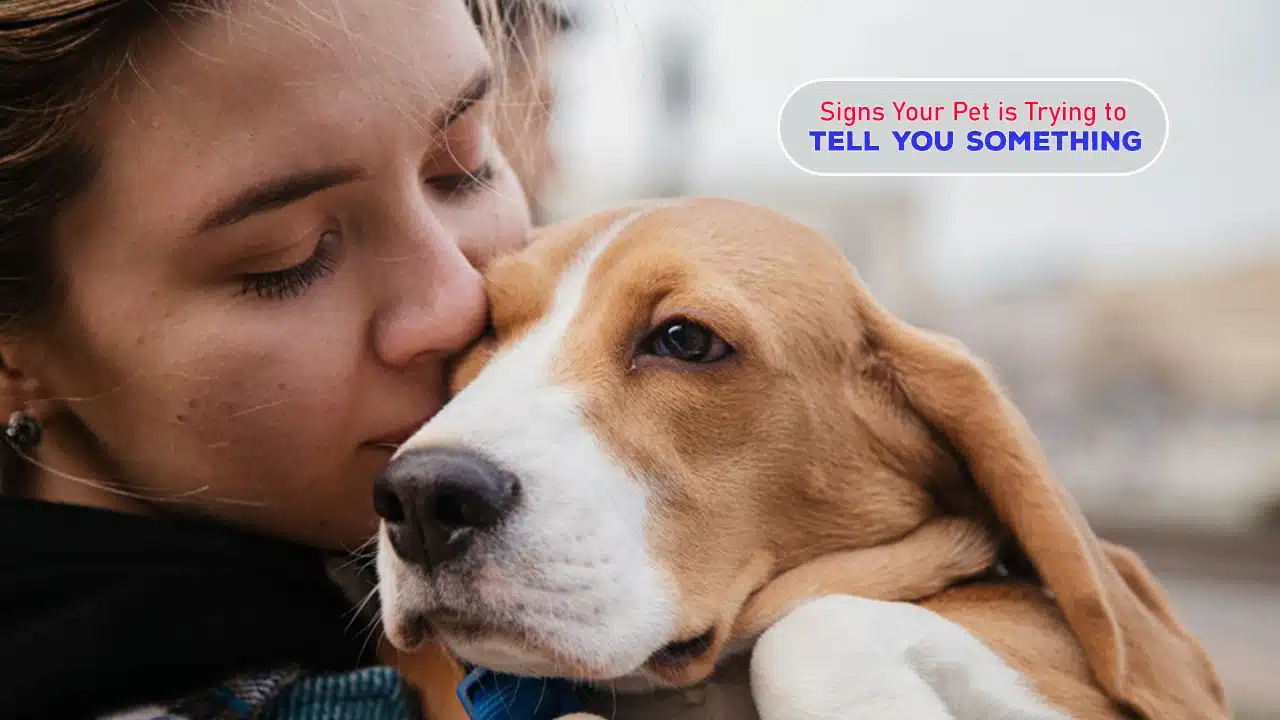
Pets are excellent companions but can’t talk to us in words. Instead, they use body language and sounds to communicate. Understanding these signals can help you be a better pet owner and respond to your furry friend’s needs.
Have you ever wondered what your dog or cat is trying to tell you? Animals have their ways of expressing themselves.
From barks and meows to tail wags and ear positions, pets use many signs to share their feelings. Learning to read these cues can strengthen your bond with your pet.
1. Unusual Noises
Pets often use sounds to communicate. If your dog or cat makes strange noises, they may be trying to tell you something important.
Whining or whimpering from your dog can mean they’re in pain or need attention. A sudden increase in barking might signal they’ve spotted a threat or want to play.
Cats may meow more than usual when hungry or seeking affection. Hissing or growling typically shows they feel scared or threatened.
Unusual breathing sounds like wheezing could point to health issues. Excessive panting in dogs may mean they’re too hot or anxious.
Listen for changes in your pet’s normal vocalizations. New or different noises often indicate they need something from you.
Pay attention to the context when you hear odd sounds. Your pet may be reacting to something in their environment you haven’t noticed yet.
Trust your instincts if your pet’s noises seem off. A vet check can rule out any underlying health concerns causing the unusual sounds.
2. Excessive Grooming
Is your cat spending more time grooming than usual? This could be a sign they’re trying to tell you something. Cats naturally groom themselves to stay clean, but too much grooming can indicate a problem.
Look for bald patches or irritated skin on your cat. These are common signs of overgrooming. Your cat may be licking one spot repeatedly or grooming more often throughout the day.
Excessive grooming can have many causes. Fleas, allergies, or skin problems might make your cat itchy. Stress or anxiety could also lead to this behavior. Sometimes, medical issues like joint pain or stomach discomfort can trigger overgrooming.
If you notice your cat grooming excessively, it’s time to take action. Check their skin and fur for any unusual changes. Try to identify what might be causing stress in their environment.
A visit to the vet is essential if the behavior continues. They can rule out medical issues and suggest treatments. Your vet might recommend changes to your cat’s diet or environment to help them feel more comfortable.
Remember, your cat’s grooming habits can tell a lot about their health and happiness. Respond promptly to these signs to keep your feline friend healthy.
3. Changes in Appetite
Is your pet suddenly eating less or more than usual? This could be a sign they’re trying to tell you something important. Changes in appetite often point to health issues in pets.
Dogs and cats might eat less when they’re not feeling well. A sudden loss of interest in food can mean your pet is sick or in pain. It’s best to see a vet if this lasts more than a day.
Conversely, eating more than usual can also be a red flag. Your pet might be extra hungry due to diabetes or thyroid problems. Some medications can increase appetite, too.
Watch out for other signs along with appetite changes. Is your pet drinking more water? Are they losing weight even though they’re eating more? These clues can help your vet figure out what’s wrong.
Don’t ignore changes in your pet’s eating habits. It’s always wise to check with a vet if you’re worried. They can run tests to determine if there’s a health problem behind the appetite shift.
4. Hiding or Seeking Solitude
When your pet starts hiding or seeking out quiet spots, they may be trying to tell you something important. Dogs and cats often look for secluded areas when they’re not feeling well or are stressed.
Look for your pet in unusual places like under beds, in closets, or behind furniture. This behavior can signal illness, pain, or anxiety. If your normal social pet suddenly becomes withdrawn, pay attention.
Changes in their favorite resting spots can also be telling. A dog that used to sleep in your bedroom but now prefers the bathroom may be overheating or feeling unwell.
Keep an eye on how long your pet stays hidden. Short periods mean they need some alone time. But if hiding lasts for hours or days, it’s time to check in with your vet.
Some pets seek solitude when they’re approaching the end of their lives. While this can be hard to think about, it’s essential to recognize it so you can provide comfort and care.
Remember, you know your pet best. If their hiding behavior seems out of character, trust your instincts and seek help if needed. Your furry friend may be trying to communicate something important through their actions.
5. Aggression or Agitation

Is your pet suddenly acting out? Aggression or agitation in pets can be a sign they’re trying to tell you something important. Watch for growling, snapping, or biting in dogs. Cats might hiss, swat, or scratch more than usual.
Look for changes in body language, too. A dog’s ears may go back, and their tail might be tucked or held stiffly. Cats may flatten their ears or puff up their fur. These are warning signs your pet feels threatened or uncomfortable.
Sometimes, pets get aggressive when they feel pain or don’t feel well. If your usually friendly pet starts acting mean, it could be time for a vet check-up. They might have an injury or illness you can’t see.
Stress can also cause aggression. Has anything changed in your pet’s life recently? New people, pets, or routines can be upsetting. Determine what’s bothering them and remove the cause if possible.
Don’t ignore aggressive behavior. It’s your pet’s way of saying something is wrong. Get help from a vet or animal behaviorist if the problem continues. They can help you understand what your pet needs and how to keep everyone safe.
6. Destructive Behavior
Is your pet chewing up shoes or scratching furniture? These actions might be more than just mischief. Destructive behavior can signal your pet is trying to tell you something important.
Boredom is a common cause. Your pet may need more playtime or exercise. Try adding new toys or spending more time playing together.
Anxiety can also lead to destructive behavior. Changes in routine or new situations might stress your pet out. Look for other signs of anxiety, like hiding or excessive grooming.
Sometimes, health issues are to blame. Dental problems can cause chewing on unusual objects. If you notice sudden changes in behavior, a vet visit may be needed.
Puppies and kittens often chew as they explore their world. This is normal, but teaching them what’s okay to chew and what’s not is essential.
Redirecting your pet to appropriate toys can help. Praise them when they use these instead of your belongings.
Remember, punishment rarely solves the problem. Instead, discover why your pet acts this way and address the root cause.
7. Lethargy or Sleep Changes
Is your pet acting sluggish lately? Changes in energy levels can signal that your furry friend is trying to tell you something.
Lethargy in pets often shows up as less interest in play or walks. Your dog might stay in bed longer than usual. Cats may sleep more and avoid jumping or climbing.
These changes could mean your pet isn’t feeling well. They might be in pain or fighting an illness. Sometimes, it’s a sign of age-related issues in older pets.
Watch for other symptoms, too. Is your pet eating and drinking usually? Are they having trouble moving around? These clues can help you figure out what’s wrong.
Don’t ignore sudden changes in sleep patterns. If your pet is much sleepier or more awake than usual, it’s worth noting.
Sometimes, stress or changes at home can cause sleep issues in pets. New routines or unfamiliar surroundings might upset their rest.
If lethargy lasts more than a day or two, it’s time to call the vet. They can check for health problems and give your pet the proper care.
8. Following You Constantly
Does your dog stick to you like glue? This behavior is expected in many pets. Dogs often follow their owners from room to room, rarely letting them out of sight.
There are a few reasons why your dog might shadow you. Dogs are pack animals by nature. In their mind, you’re the pack leader. They want to be near you for safety and companionship.
Your dog may also follow you out of curiosity. They’re interested in what you’re doing and don’t want to miss out on any action. Some dogs hope for treats or playtime when they tag along.
Certain breeds are more likely to be “velcro dogs.” These include herding breeds and lap dogs. They were bred to stay close to their humans.
While cute, constant following can sometimes be a sign of anxiety. If your dog seems stressed when you’re out of view, they may have separation anxiety. In this case, it’s best to talk to your vet about solutions.
9. Unusual Facial Expressions
Dogs use their faces to talk to you. They make different looks to show how they feel. Knowing these looks helps you understand your pet better.
When your dog squints, it might mean they’re happy or relaxed. But if they do it often, it could be a sign of eye pain. Watch for this and check with your vet if you’re worried.
A dog that raises its eyebrows is trying to get your attention. They might want to play or need something from you. Pay attention when you see this look.
If your dog shows its teeth, be careful. This can mean they’re scared or angry. Give them space, and don’t make them more upset.
Sometimes, dogs yawn when they’re stressed. If you see lots of yawning, your pet might need a break from what’s happening.
Look for a relaxed, open mouth with a lolling tongue. This often means your dog is content and happy. It’s a good sign to see this expression.
10. Restlessness at Night
Is your pet tossing and turning when it’s time for bed? Nighttime restlessness in dogs and cats can signal they’re trying to tell you something important.
Pets may pace, whine, or seem unable to settle down at night for various reasons. Pain or discomfort could be keeping them awake. Arthritis, injuries, or digestive issues might cause your pet to feel uneasy when trying to rest.
Age-related changes can also lead to nighttime restlessness. Older pets may experience confusion or anxiety as the sun goes down, a condition known as sundown syndrome.
Excess energy is another common culprit. If your pet lacks enough exercise or mental stimulation during the day, they might struggle to relax at night.
Environmental factors can play a role, too. Loud noises, unfamiliar surroundings, or changes in routine may make your pet feel on edge after dark.
Medical issues like allergies or skin problems could cause itching that keeps your pet at night. Persistent scratching might be a sign they need relief.
If your pet’s nighttime restlessness is new or severe, it’s best to consult your vet. They can help rule out underlying health problems and suggest ways to help your furry friend sleep soundly.
11. Changes in Bathroom Habits
Your pet’s bathroom habits can tell you a lot about their health. Watch for any sudden changes in how often they go or what their poop looks like.
If your dog or cat starts going to the bathroom more or less than usual, it might mean something’s wrong. This could be a sign of an infection, digestive problems, or even diabetes.
Pay attention to the color and texture of your pet’s poop too. Runny or very hard stools are not typical. Neither is poop that’s black, white or has blood in it.
Straining to pee or poop is another red flag. It could mean your pet has a blockage or is in pain.
Don’t ignore accidents in the house if your pet is usually well-trained. This might mean they can’t hold it due to a health issue.
If you notice any of these changes lasting more than a day, it’s time to call the vet. Quick action can help catch problems early.
12. Sudden Fearfulness
Has your dog started acting scared out of the blue? This could be a sign they’re trying to tell you something. Dogs may become fearful suddenly for many reasons.
Maybe your pet heard a loud noise that spooked them. Or they could be reacting to changes in their environment. New people or animals in the house can make dogs anxious.
Watch for signs like shaking, hiding, or pinned-back ears. Your dog might also tuck their tail or avoid eye contact when afraid. Some dogs may even growl or snap if they feel terrified.
Health issues can cause sudden fear, too. Pain or illness can make dogs act strangely. If the fearful behavior continues, it’s best to check with your vet.
You can help calm your scared pup. Speak in a soft, soothing voice. Give them a safe space to retreat to if needed. Don’t force interaction if they seem uncomfortable.
Try to figure out what’s causing the fear. Once you know the trigger, you can work on helping your dog feel safe again. You can support your furry friend through this scary time with patience and understanding.
Responding to Your Pet
Understanding your pet’s signals is crucial. Quick action and long-term planning can help address their needs effectively.
Immediate Actions
When your pet shows signs of distress, stay calm. Look at their body language. Wide eyes or pinned-back ears may mean fear. Panting or pacing could signal anxiety.
If your pet seems scared, give them space. Talk in a soft voice. Don’t force interaction. For excited pets, redirect their energy to a toy or game.
For health concerns, call your vet right away. Keep emergency numbers handy. Watch for changes in eating, drinking, or bathroom habits.
Long-Term Strategies
Create a consistent routine for your pet. Regular mealtimes and walks can reduce stress. Set up a quiet, safe space they can go to when feeling overwhelmed.
Train your pet using positive methods. This builds trust and helps them feel secure. Learn to read your pet’s unique signals. Each animal communicates differently.
Regular vet check-ups are essential. They can catch health issues early. Consider working with a pet behaviorist for ongoing behavior concerns.
Provide mental and physical exercise daily. This keeps your pet happy and healthy. Adjust your home to meet your pet’s needs. You are adding scratching posts for cats or puzzle toys for dogs.
Summary
Understanding your pet’s signals is essential for their well-being. Pets communicate their needs and feelings using body language, sounds, and behaviors. Unusual noises, changes in grooming habits, and shifts in appetite often indicate something is wrong.
Hiding, aggression, or restlessness can signal stress, pain, or anxiety. Destructive behavior might stem from boredom or anxiety, while lethargy could point to health issues. If your pet follows you constantly, they may seek comfort or show signs of stress.
Changes in bathroom habits or sudden fearfulness are also red flags. By recognizing these signs and responding promptly, you can ensure your pet stays happy, healthy, and well-cared for, deepening your bond.