

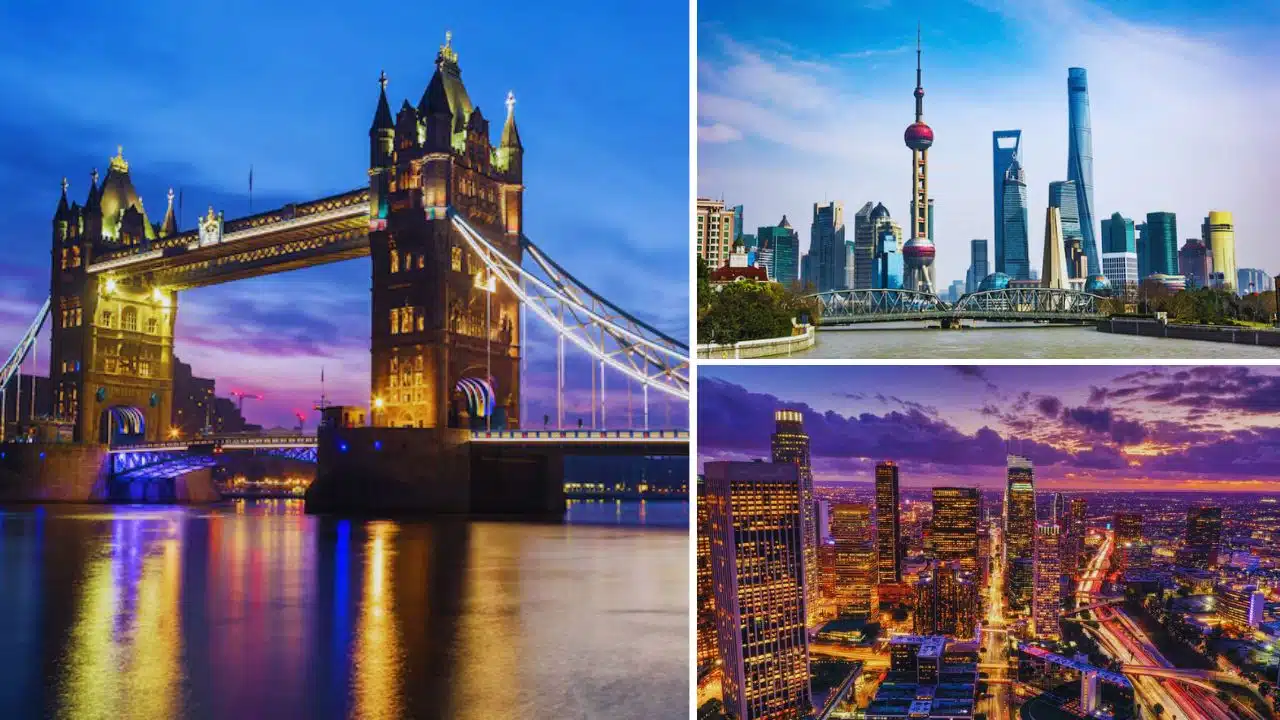
In the past century, the most significant global cities were generally the largest centers of the world’s great empires: London, Paris, New York, and Tokyo. Today, size is not the only determinant of a city’s global influence.
While Tokyo, New York, and Beijing remain in the top 10 of the world’s most populous cities, the ranking of the world’s most important towns includes those that excel in influence rather than mere size.
This shift underscores the importance of economic power, cultural significance, and technological innovation.
Ranking the World’s Global Cities
To rank the world’s global cities, a team of experts, including urban geographer Ali Modarres, former Accenture analyst Aaron Renn, and demographer Wendell Cox, considered multiple factors.
These factors go beyond traditional measures such as the concentration of support services for multinationals or the size of the overall economy. Instead, the evaluation focused on efficiency, access to capital and information, and global economic activity.
Eight key metrics were used: foreign direct investment, concentration of corporate headquarters, business niche dominance, air connectivity, producer services strength, financial services, technology and media power, and racial diversity.
1. London
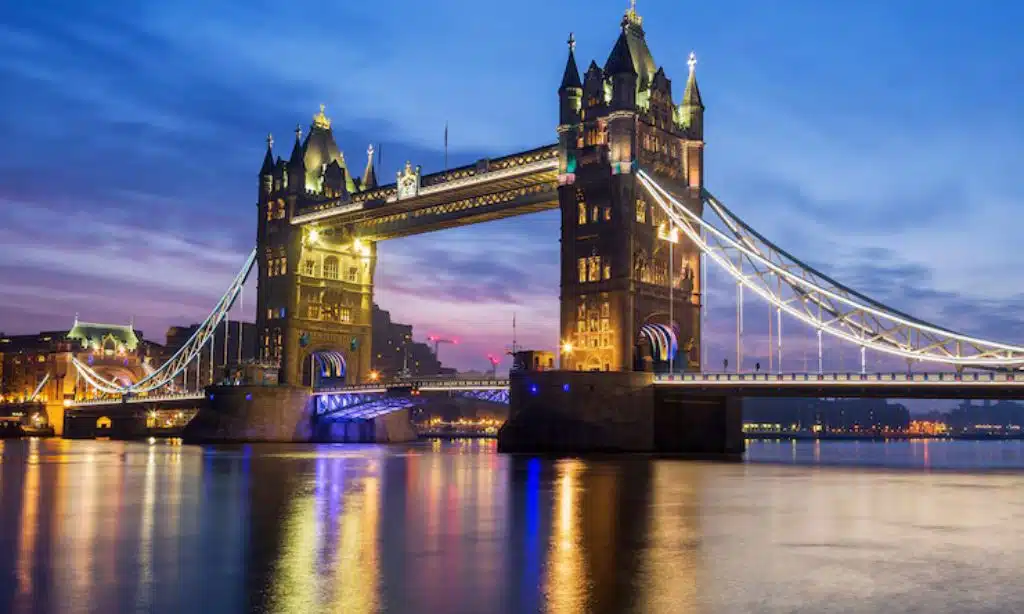
Inertia and the intelligent use of historical advantages are critical in evaluating top global cities. London exemplifies this, ranking first globally on the Z/Yen Group’s Global Financial Centres Index.
Despite the UK’s diminished status as a global power, London’s legacy as a financial hub remains unparalleled. Its location outside the US and eurozone provides regulatory advantages, while its time zone benefits businesses with Asian ties.
London also boasts the second-best global air connections, making it a preferred domicile for the international elite. As a hub of the English language and the birthplace of cultural, legal, and business practices that define global capitalism, London hosts numerous corporate headquarters and tech startups.
It is Europe’s top technology startup center, according to the Startup Genome project, with over 3,000 tech startups and Google’s most prominent office outside Silicon Valley.
2. New York
New York ranks second in the study, driven by its dominance in financial services, media, advertising, and fashion. Home to the world’s top investment banks and hedge funds, New York’s stock trading volume surpasses that of Tokyo and London combined.
The city is also a global leader in the music industry and attracts international visitors who spend more money in New York than in any other city. This financial, cultural, and social influence cements New York’s status as a leading global city.
Iconic landmarks like Times Square and the Statue of Liberty enhance its appeal as a destination for international tourists. Furthermore, New York is a significant fashion and luxury business center, housing numerous top designers and fashion houses.
3. Paris
Paris ranks third in the survey but significantly trails New York and London by critical measures. Paris’ high ranking is partly due to its dominance in the French economy and the concentration of leading companies.
However, France’s economic stagnation poses challenges for Paris’ future influence. While Paris remains a cultural and fashion capital, hosting events like Paris Fashion Week and housing renowned museums like the Louvre, it struggles with economic dynamism.
The city’s reliance on its historical and cultural assets must be supplemented with innovative financial strategies to maintain its global influence.
4. Tokyo
Tokyo has been Asia’s leading city for most of the last century. It is the world’s largest city by population and GDP. Despite its strengths, Tokyo faces challenges, including a demographic crisis and limited ethnic diversity.
However, Tokyo remains a significant financial center with an intense concentration of domestic companies. It is home to several Fortune Global 500 companies and a technology and innovation hub.
The city’s efficient public transportation system and advanced infrastructure make it a leading global city. Tokyo must address its demographic issues and foster greater internationalization to maintain its influence.
5. Shanghai
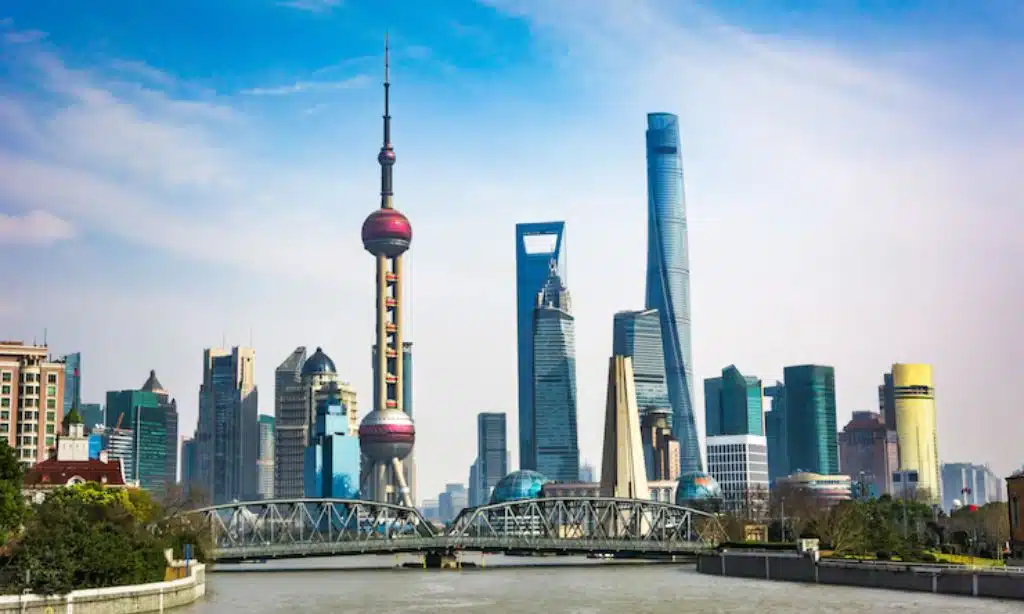
China’s economic rise has propelled its cities onto the global stage. Shanghai, traditionally Hong Kong’s chief rival, ranks prominently due to its economic dynamism and growing financial sector.
The combined trading volume of the Shanghai and Shenzhen stock exchanges exceeds that of Tokyo, highlighting Shanghai’s importance in global finance. As China’s largest city, Shanghai attracts significant foreign direct investment and hosts numerous multinational corporations.
Its rapid urban development and modernization make it a key player in the global economy. Shanghai’s strategic location and robust infrastructure further enhance its appeal to international businesses.
6. Hong Kong
Hong Kong remains a critical financial center in the Asia-Pacific region, ranking third globally after London and New York. Despite political uncertainties, Hong Kong maintains greater economic freedom than mainland China.
It is home to the Asia-Pacific headquarters of central investment banks, asset managers, and insurance companies. Hong Kong’s financial services sector and strategic port and logistics capabilities solidify its global city status.
However, ongoing political tensions and competition from mainland Chinese cities like Shanghai challenge its future influence. Hong Kong must navigate these challenges to remain a top global city.
7. Singapore
Singapore ranks fourth on the list, standing out with its efficient infrastructure and favorable business environment. The World Bank ranked Singapore’s business climate as the world’s best, and its justice system is highly regarded globally.
Singapore attracts significant foreign direct investment, making it a preferred location for Asia-Pacific headquarters. The city-state’s strong emphasis on technology and innovation and its strategic location enhance its appeal.
Singapore’s air connectivity and efficient public services further make it a leading global city. Its proactive governance and strategic planning position Singapore as a model for other aspiring global cities.
8. Dubai
Dubai ranks seventh, driven by its strategic location, business-friendly environment, and expanding airport connectivity. Its diverse population, 86% foreign-born residents, and robust air connectivity make it a hub for Middle Eastern headquarters.
Dubai’s growth strategy focuses on its position as a crossroads of humanity, attracting businesses and talent worldwide. The city’s free zones and favorable tax policies make it an attractive destination for international companies.
Dubai’s ambitious infrastructure projects, including the world’s largest airport terminal, further enhance its global connectivity and influence. Its ability to adapt to global trends and attract international business ensures its continued rise.
9. Los Angeles
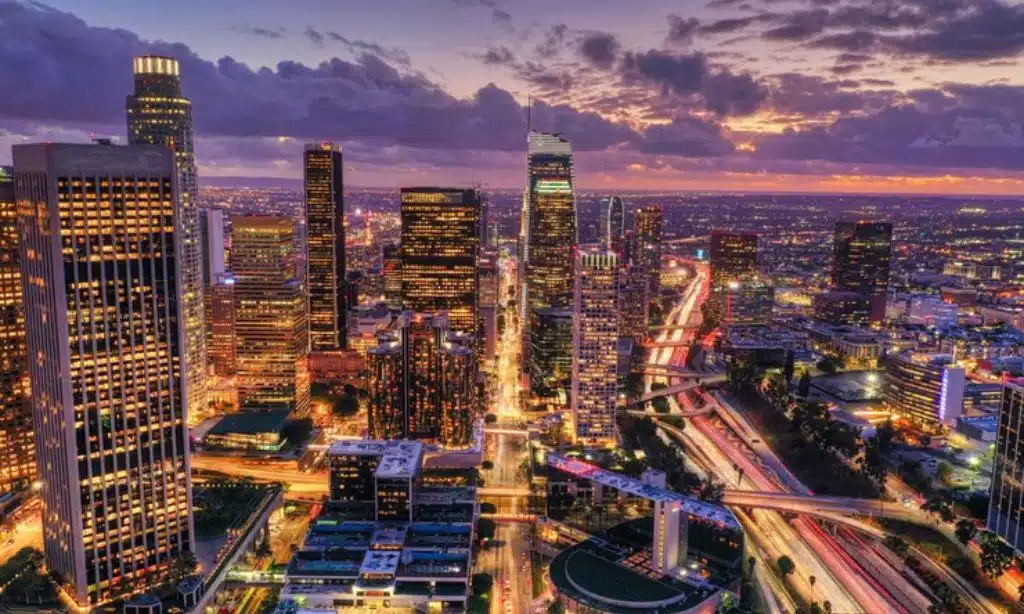
Los Angeles ranks eighth, primarily due to its dominance in the entertainment industry. Hollywood, synonymous with American cinema, generates significant revenue and global influence.
However, Los Angeles faces challenges in retaining its entertainment industry dominance as other cities invest in their creative sectors. The city also struggles with economic diversification, losing significant aerospace industry jobs.
Despite these challenges, Los Angeles remains a crucial global city with its vibrant culture, diverse population, and significant contributions to the arts and entertainment. The city’s innovation in technology and media also supports its global standing.
10. The Bay Area
The San Francisco Bay Area ties for tenth place, reflecting its central role in the technology industry. Silicon Valley, home to tech giants like Apple, Google, and Facebook, dominates the global tech landscape.
The Bay Area’s innovation ecosystem attracts talent and investment from around the world, driving technological advancements and shaping global digital trends. The presence of leading universities like Stanford and UC Berkeley further supports the region’s influence.
The Bay Area’s impact on international technology and innovation makes it a critical player among the world’s most influential cities.
Wrap up
The future of global cities belongs to those that are efficient, innovative, and historically significant. Cities like London and New York lead by leveraging their historical advantages, while emerging cities like Shanghai and Dubai capitalize on economic growth and strategic positioning.
As global dynamics shift, the most influential cities will adapt to new challenges and continue to drive global progress.
The most efficient and savvy towns, with historically solid pedigrees and strategic visions, will dominate the international stage, setting standards for innovation, governance, and quality of life.

























