
Listen to the Podcast:
According to a recent Gartner report, global IT spending is predicted to reach $4.5 trillion by the end of 2023. With such rapid growth, it is evident that digital technologies have impacted nearly every aspect of our lives, including the banking industry. Banks are advancing at an unprecedented rate due to the emergence of fintech and new regulations worldwide. To stand out in this highly competitive environment, professionals must stay up-to-date with investment banking trends. This is where a banking software development company can come in handy and help you ride the wave.
In this article, Geniusee experts provide a concise overview of the top market trends in investment banking that are thriving all over the world. Nowadays, it is essential to keep abreast of recent industry implementations that can change not only your business but the whole functioning patterns of the banking sector.
Artificial Intelligence (AI)

Several companies use specialized learning techniques to identify and predict potential successful investment strategies for their clients. This is one of the ways that AI has transformed the FinTech industry. Another significant way is through its effective fraud detection and credit-rating algorithms. AI can detect fraudulent transactions in advance, minimizing investment scams. Additionally, smaller FinTech startups with limited consumer data can use AI to accurately assess credit ratings and repayment capacity and offer collateral-free loans. One example of AI being used for investment strategy identification and trade execution is Man AHL, a London-based firm that trades across various global financial markets automatically.
Direct Listing Technology
In recent times, more and more business models are opting for direct listings to raise capital instead of IPOs. With IPOs, companies are required to hire underwriters who facilitate the IPO process and charge a commission for their services. Direct listings are a more attractive option for those unable to afford underwriting costs or unwilling to share dilution or face lockup periods.
As a result of this shift towards direct listings, there is a growing demand for technological platforms that can assist small and medium-sized companies with the entire process. It is reasonable to anticipate that a variety of off-the-shelf disruptive technology solutions specifically tailored for direct listings will emerge in the near future, enabling companies to save millions of dollars. Spotify and Palantir are excellent examples of companies that have chosen direct listings over IPOs.
Natural Language Programming
With the aid of AI, Natural Language Programming (NLP) is enhancing the interactions between computers and human language. NLP assists investment analysts in converting unstructured data into structured, measurable data at a much faster pace than ever before. It has the potential to analyze annual investment reports, investor calls, and regulator statements and convert them all into easily understandable information.Due diligence teams have widely adopted NLP for faster information processing, increasing the efficiency of an otherwise time-consuming activity.
An excellent example of NLP’s use in the investment industry is FinBERT, which employs pre-trained language models to conduct financial sentiment analysis of specific datasets. This analysis predicts how the market will react to a particular piece of information in terms of stock price fluctuations.
Virtual Data Rooms
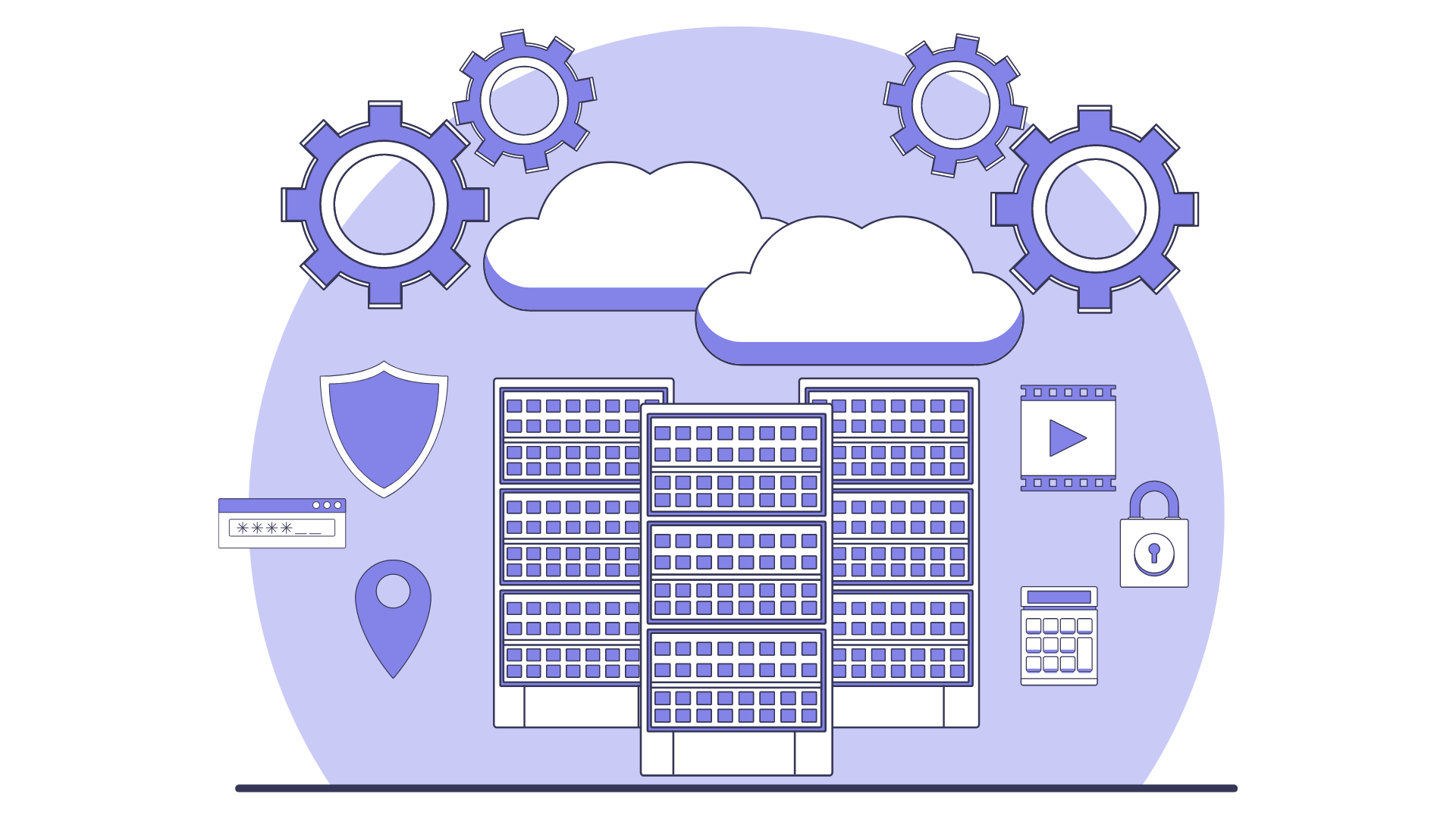
VDRs are a great solution for banks storing sensitive corporate data virtually, especially with the rise of cyber-attacks. They are particularly useful in the context of storing deal-making information for mergers, acquisitions, and IPOs. Access to this information is strictly limited to relevant parties, leading to improved productivity, enhanced security, and better compliance with regulatory requirements. It is worth noting that the tech giant Amazon earns only 30% of its revenue from retail operations, with the rest coming from its virtual data services provided through AWS.
Open Banking
Open Banking offers several key advantages, such as the deployment of client-centric banking services, improved quality of customer service, and a more convenient format for services. One of the primary challenges that Open Banking is to overcome is “data slavery” – traditional financial institutions possess customer information, which prevents innovators from entering the market. This also limits consumers’ ability to select the most suitable and profitable services. Open Banking helps minimize if not entirely eliminate, the problem of data slavery. Open protocols allow all market participants to utilize the collected information.
Open Banking is more of a threat than an advantage for traditional financial institutions. Investment banks must share information, which disrupts their monopoly. However, looking toward the future, they provide a catalyst for development. The need to share data and compete under new conditions fosters the creation of new services, innovation, and better customer experiences.
Sustainable Finance Products
Sustainable financial products are a range of financial services that encourage organizations to consider long-term environmental, social, and governance (ESG) criteria in their business decisions. These products aim to provide more equitable, sustainable, and inclusive positive outcomes for companies, local communities, and society as a whole. The incorporation of environmental, social, and governance factors in investment strategies and the increasingly embraced idea of inclusive capitalism or capitalism for all stakeholders are some of the most apparent forms of such financing. Moreover, in the context of climate change, sustainable finance plays a critical role in funding the transition to a zero net greenhouse gas emissions future by 2050.
Blockchain Technology
The financial services industry is witnessing an increased blockchain adoption rate due to two key reasons. Firstly, it eliminates intermediaries in fund transfers and enables peer-to-peer transactions. Secondly, blockchain technology is highly secure and resistant to unauthorized access or fraud.
However, despite its usefulness, blockchain has not experienced growth as rapidly as AI or machine learning because of its complexity, which makes it difficult for the average consumer to understand. Additionally, the lack of regulation in most parts of the world for cryptocurrencies has led to a lack of trust in blockchain transactions, which is hindering mass adoption. Several cryptocurrency wallets, including DDKOIN and OKEx, actively leverage blockchain technology to process, hold, and transact cryptocurrencies for users.
Mobile Apps

Investment banks have shifted towards offering digital services to their clients, with most of them offering mobile apps that provide access to real-time market data, market intelligence, investment banking industry reports, and more. These apps allow users to create customized dashboards and directly share data with their representatives. With the development of more APIs, these apps can seamlessly integrate with other investment apps, providing a more comprehensive investment experience. While Acorns and Affirm are two popular apps offering financial and investment-related services, many others in the investment banking space provide similar services.
While staying updated with the latest investment banking trends can be beneficial, it is equally essential to apply them correctly. Even with the most advanced financial technology, it may not be enough if you don’t use it effectively. Partnering with a trusted FinTech software development company could be the key to achieving unicorn status in the investment banking sector. If you require assistance, Geniusee is readily available to turn your ideas into reality.