

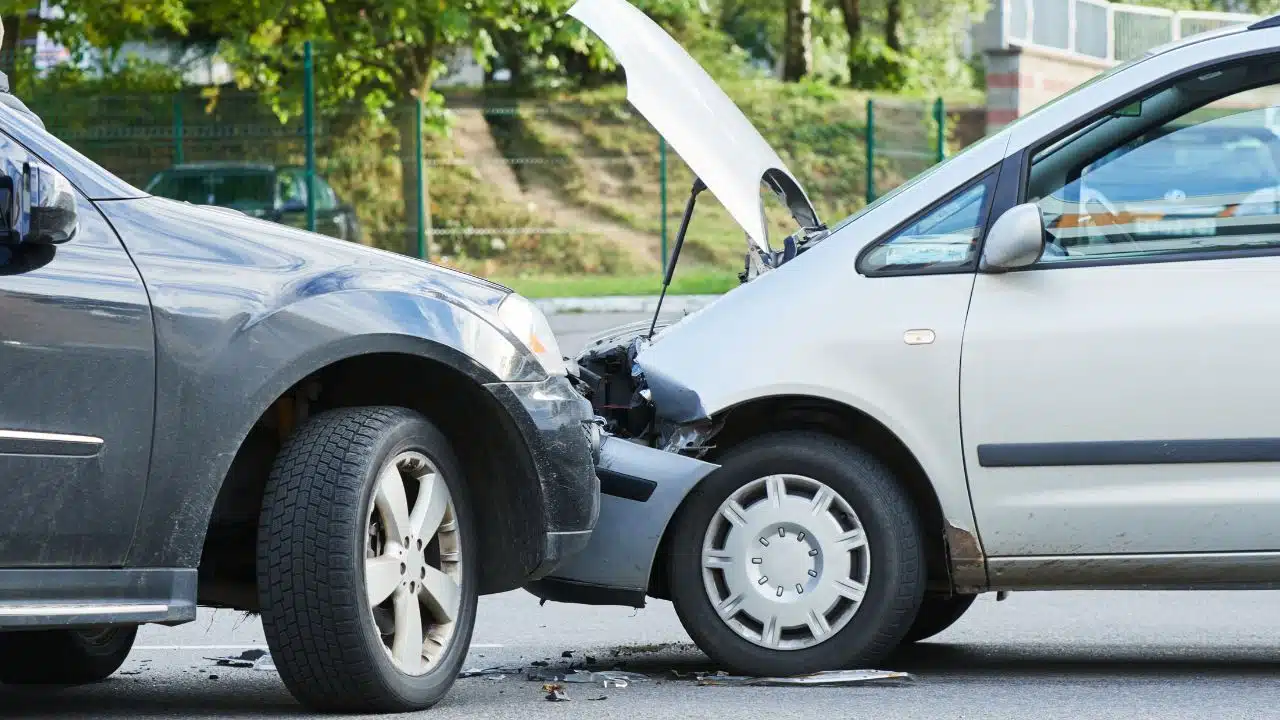
Daily confusion plays out at every merge and highway ramp. Two drivers hesitate. Neither knows who should go. Then they collide. The fundamental problem is that drivers don’t understand what yield actually means. They think it means full stop. Or they think it means they have the right of way. Both interpretations are wrong.
Yield means give the right of way. It means slow down or stop if necessary to let other traffic proceed. It doesn’t mean you can’t go. It means you can’t go if doing so would interfere with other traffic. Understanding this simple concept prevents thousands of crashes.
How misreading yield rules causes thousands of crashes reveals that most yielding-related accidents are preventable through basic understanding. A driver on a highway entrance ramp needs to yield to traffic on the highway. They don’t understand this. They merge anyway. Collision results. A driver approaching an uncontrolled intersection needs to yield to vehicles already in the intersection. They don’t yield. Crash happens. Understanding the rule prevents these accidents.
Learning a simple breakdown of what does yield mean in driving and why it matters transforms confusion into clarity, which means understanding what does yield mean in driving prevents everyday collisions caused by fundamental misunderstanding.
The True Meaning of Yield
Definition in Texas law states that yield means you must give the right of way to other traffic. You must slow down or stop if necessary to avoid interfering with that traffic. You don’t have permission to proceed automatically. You have permission to proceed only if it’s safe to do so without forcing other traffic to slow down or change direction.
Situations requiring yield include entrance ramps where drivers must yield to highway traffic, uncontrolled intersections where drivers must yield to vehicles already in the intersection, and traffic circles where drivers must yield to circulating traffic. These situations are common. Understanding them matters.
Common misunderstandings stem from drivers thinking yield means you must stop completely. It doesn’t. It means you must be prepared to stop if necessary. If you can proceed safely without slowing the other traffic, yielding is satisfied. The key is that other traffic maintains their speed and path.
Why Yielding Goes Wrong
Aggressive versus overly cautious drivers create problems at opposite extremes. Aggressive drivers treat yield signs as suggestions and merge or turn aggressively. Overly cautious drivers stop completely even when traffic is clear, confusing other drivers. Both approaches cause problems.
Visibility issues and poor signage prevent drivers from seeing yield signs or understanding what traffic they’re supposed to yield to. A yield sign partially hidden behind vegetation. Poor lighting making signs invisible. These visibility problems contribute to crashes.
How timing errors lead to side-impact crashes happens when drivers misjudge gaps in traffic. They think they have time to merge or turn. They don’t. A vehicle they didn’t see is approaching. Collision results at an angle because the two vehicles are moving perpendicular to each other.
Proving Fault in Yield-Related Crashes
Police reports and witness accounts document what happened at the moment of collision. Did one vehicle have a yield sign? Were traffic signals present? Witness testimony about signal colors and vehicle movements builds the case.
Intersection cameras capture objective evidence of what happened. If a camera recorded the collision and the traffic signals, fault determination is often straightforward. The vehicle that didn’t yield to traffic that had the right of way is at fault.
Comparative negligence assessments apply Texas law to determine who bears what percentage of fault. A vehicle with a yield sign that merged into traffic without yielding bears primary fault. But if the other vehicle was speeding, they might share some fault.
Safer Driving Habits
Anticipate gaps rather than assume others stop means understanding that yielding drivers might not stop. You can’t assume they will. You must be prepared to stop or swerve if they don’t yield.
Eye contact and speed control matter because making eye contact with other drivers confirms they see you. Reducing speed before a merge or intersection gives you time to react if something unexpected happens.
Educational campaigns improving awareness have reduced yielding-related crashes in some areas. Public service announcements explaining yield rules help. Driver education classes teaching correct yielding behavior help. These efforts work because understanding prevents crashes.
Takeaways
Recapping rules and misconceptions means distinguishing between what yield actually means and what drivers think it means. That clarity transforms understanding.
Encouraging patience and clarity means recognizing that taking time to understand traffic rules prevents crashes. Rushing through intersections or merging aggressively causes accidents. Patience and careful driving prevent them.
Understanding what does yield mean in driving reduces everyday collisions by transforming confusion into clear knowledge of who has the right of way in every situation.





















