

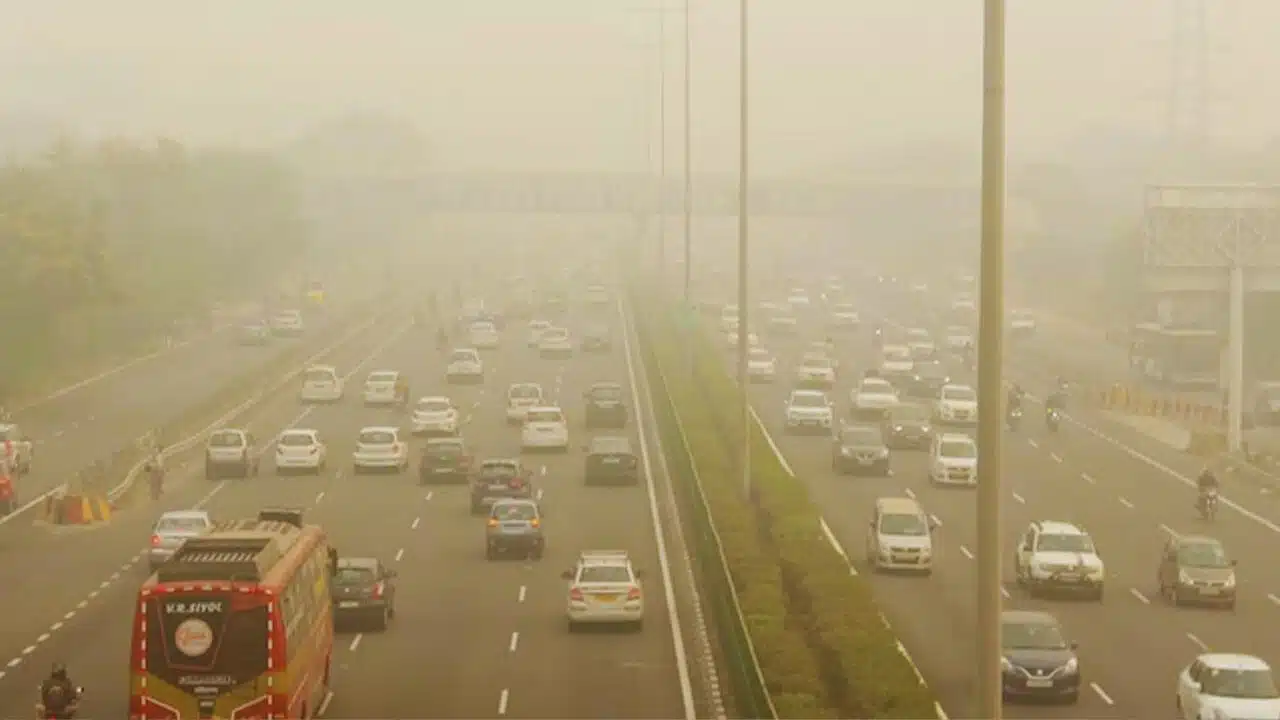
The World Bank has approved about 600 million dollars in financing for two major air pollution programs in India’s Uttar Pradesh and Haryana, aiming to improve air quality for roughly 270 million people across the Indo‑Gangetic plains and beyond. The programs combine clean transport, cleaner industry, and better monitoring to cut harmful emissions while supporting jobs and economic growth.
Lead: who, what, when, where, why, how
The World Bank’s Board of Executive Directors has cleared about 600 million dollars in financing for two clean‑air programs in the Indian states of Uttar Pradesh and Haryana, approved on 10 December 2025. The funding will back the Uttar Pradesh Clean Air Management Program (UPCAMP) and the Haryana Clean Air Project for Sustainable Development, designed to cut emissions from transport, agriculture, industry, and urban growth while making the states more attractive for investment and job creation.
Together, the programs are expected to improve air quality for about 270 million people in the two states, with benefits spilling over to other parts of the Indo‑Gangetic Plain, one of the world’s most polluted regions. The operations are part of the World Bank’s Regional Air Quality Management Program in the Indo‑Gangetic Plains and Himalayan Foothills, which promotes a cross‑border airshed approach rather than city‑by‑city action.
What the $600M package funds
The World Bank will provide about 299.66 million dollars for UPCAMP in Uttar Pradesh and 300 million dollars for the Haryana Clean Air Project, making this one of the largest state‑level clean‑air financing packages in India. The Uttar Pradesh program loan has a final maturity of 10 years with a two‑year grace period, while the Haryana loan will run for 23.5 years, including a six‑year grace period, reflecting the long‑term nature of air quality investments.
Both operations aim to leverage additional grant resources from the World Bank’s Resilient Asia Program—backed by the UK and Switzerland—and the multi‑donor Energy Sector Management Assistance Program, as well as mobilise more than 127 million dollars in private capital. By tying clean‑air goals to economic competitiveness and green jobs, the Bank positions these loans as part of a broader development strategy rather than stand‑alone environmental projects.
Key World Bank clean‑air financing
| Feature | Uttar Pradesh – UPCAMP | Haryana – Clean Air Project |
| Approved amount | 299.66 million USD | 300 million USD |
| Objective | Expand UP’s Clean Air Plan across transport, agriculture, and industry to cut emissions and improve air quality. | Implement multi‑sector measures under the state’s Action Plan to reduce pollution and strengthen monitoring. |
| Loan term | 10‑year maturity, 2‑year grace period. | 23.5‑year maturity, 6‑year grace period. |
| Expected beneficiaries | Part of 270 million people across UP and the wider region. | Same 270‑million‑people airshed, including neighbouring states. |
Why Uttar Pradesh and Haryana are in focus
Uttar Pradesh and Haryana sit in the heart of the Indo‑Gangetic Plain, where geography, winter weather, dense populations, and heavy economic activity trap dangerous levels of fine particulate pollution. Haryana was the second most polluted state in India in 2023, with average annual PM2.5 levels of about 88 micrograms per cubic meter, far above national and World Health Organization safety benchmarks.
The health burden is severe: the State of Global Air 2025 report estimates that air pollution contributed to around two million deaths in India in 2023, with northern states such as Uttar Pradesh among the worst affected. Death rates linked to air pollution in India—about 186 deaths per 100,000 people—are nearly ten times higher than in high‑income countries, underlining why global lenders are prioritising clean air alongside traditional infrastructure.
How the programs will tackle air pollution
In Uttar Pradesh, UPCAMP will expand the state’s Clean Air Plan by investing in clean cooking, green mobility, and cleaner industry across key cities and sectors. The program aims to help about 3.9 million households switch to clean cooking fuels, deploy around 15,000 electric three‑wheelers and 500 electric buses in cities such as Lucknow, Kanpur, Varanasi, and Gorakhpur, and provide incentives to replace approximately 13,500 polluting heavy‑duty vehicles.
Haryana’s Clean Air Project will focus on airshed‑based planning, advanced monitoring, and multi‑sector interventions, including electric bus services and electric three‑wheelers in Gurugram, Sonipat, and Faridabad. The project will fund new air‑quality and emissions monitoring systems, promote cleaner technologies in micro, small, and medium‑sized enterprises, and support agricultural residue management and reuse of paddy stubble to curb seasonal smoke.
Selected program interventions
| Area | Examples of planned measures |
| Transport | E‑buses and electric three‑wheelers in major UP and Haryana cities; incentives to scrap and replace high‑emitting heavy vehicles. |
| Households | Expanding access to clean cooking for about 3.9 million households in Uttar Pradesh. |
| Agriculture | Support for machinery and technologies that manage crop residue and reduce burning of paddy stubble. |
| Industry & MSMEs | Assistance for small and medium enterprises to adopt cleaner production technologies and cut emissions. |
| Governance & data | Investment in air‑quality and emission monitoring networks and airshed‑based planning tools. |
Health, economic stakes and what comes next
World Bank officials describe these as the first state‑level, airshed‑based, multi‑sector programs in India, arguing that they will show how clean‑air initiatives can also raise productivity and generate green jobs, especially for youth and women. Cleaner air can reduce hospitalisations, improve worker health, and make cities more attractive to investors, directly supporting the goal of turning Uttar Pradesh and Haryana into stronger engines of job creation.
Implementation will be closely watched, as success depends on coordination across transport, energy, agriculture, and urban agencies, as well as sustained enforcement and public buy‑in over many years. The programs’ integration into a regional Indo‑Gangetic airshed strategy—and their reliance on long‑term, relatively concessional finance plus grants—suggest that the World Bank sees them as templates that could be replicated in other Indian states and South Asian hotspots if they deliver measurable improvements in air quality.





















