


Accidents at work are a concern for every industry, not only for the harm they can cause but also for their impact on productivity and morale.
Modern tracking technology is proving to be a game-changer, offering innovative ways to enhance workplace safety and protect employees.
By making the invisible visible, these tools are transforming risk management.
Understanding the risk
Many workplace accidents stem from avoidable issues, such as poor communication, inadequate monitoring of machinery, or simple human error.
Tracking technology creates a proactive safety net by identifying risks before they escalate into incidents. For instance, wearables can track workers’ movements, alerting managers if someone enters a hazardous zone or exceeds safe exertion levels.
GPS systems allow you to monitor vehicle routes, ensuring drivers avoid risky areas or dangerous conditions and commercial dash cams provide real-time data on driving behaviour, helping identify concerns like fatigue or distraction.
Together, these tools enhance situational awareness, enabling swift responses to potential hazards and fostering a safer work environment.Understanding the Risk.
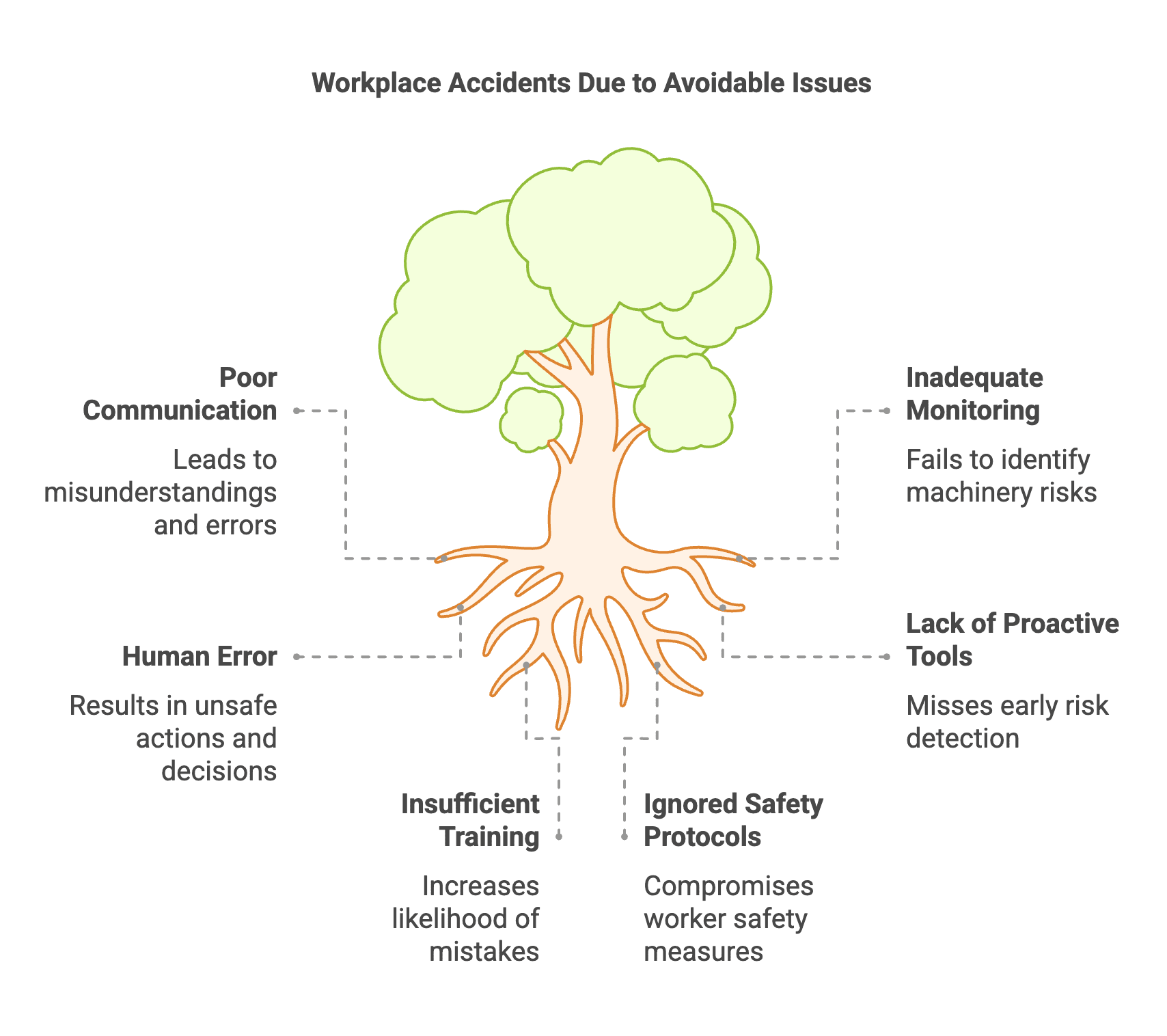
Real-time visibility saves lives
Imagine being able to monitor every corner of your workplace in real time. Tracking technology makes this possible, providing a comprehensive view of operations as they unfold.
Location trackers, for example, enable supervisors to pinpoint the exact positions of workers, immediately identifying when someone enters a restricted area or hazardous zone.
This allows for rapid intervention, reducing the risk of injury.
Fleet managers benefit significantly from commercial dash cams, which monitor driver behaviour and ensure compliance with safety standards.
These devices provide invaluable data, such as speed, braking patterns, and lane usage, offering insights into potential risks.
By identifying issues like distracted driving, tailgating, or signs of fatigue early on, managers can enforce corrective actions, such as rest breaks or additional training.
This real-time visibility extends to external hazards, such as adverse weather or road conditions, enabling drivers and managers to make informed decisions on rerouting or delays.
Such measures not only protect employees but also shield businesses from liability by providing clear evidence of safety compliance.
Predictive insights
The power of tracking technology extends far beyond simple observation, leveraging predictive analytics to anticipate risks before they materialise.
By analysing patterns in collected data, these systems can identify potential hazards, offering a proactive approach to workplace safety.
For example, sensors installed on industrial machinery can detect early signs of wear and tear, such as overheating or unusual vibrations.
These alerts allow you to schedule maintenance before a malfunction occurs, significantly reducing the chances of accidents and costly downtime.
In dynamic environments like warehouses or construction sites, wearable devices play a pivotal role. These technologies monitor workers’ physical strain, heart rates, or even posture, identifying early indicators of fatigue or overexertion.
When a worker’s physical condition crosses safe thresholds, the system triggers an alert, prompting rest breaks or task rotation.
This not only prevents injuries related to exhaustion but also ensures employees maintain peak productivity and health.
Predictive insights can identify broader trends, such as recurring safety concerns or high-risk areas.
Armed with this information, you can implement targeted interventions, like redesigning workflows or enhancing safety protocols, creating a more resilient and secure workplace for everyone involved.
Building a culture of accountability
Tracking technology doesn’t just improve safety—it fosters a culture of accountability. Knowing that activities are monitored encourages employees to follow safety protocols. It also creates transparency, as both workers and managers can access the same data.
For example, commercial dash cams can serve as training tools, providing real-life footage to illustrate safe driving practices or highlight common mistakes. By integrating this data into training sessions, you create a feedback loop that improves safety over time.
What does the future hold?
The evolution of tracking technology is likely to bring even more sophisticated safety measures. From AI-driven hazard detection to more advanced wearable devices, the potential for innovation is vast.
For now, adopting existing tools is an effective way to establish robust safety measures, reduce accidents, and protect what matters most—your people.
Conclusion
Investing in tracking technology is not about keeping tabs—it’s about creating a safer, more efficient workplace.
These tools empower you to foresee risks, respond proactively, and build a culture of safety. In doing so, you not only safeguard employees but also contribute to a more resilient and productive organisation.





















