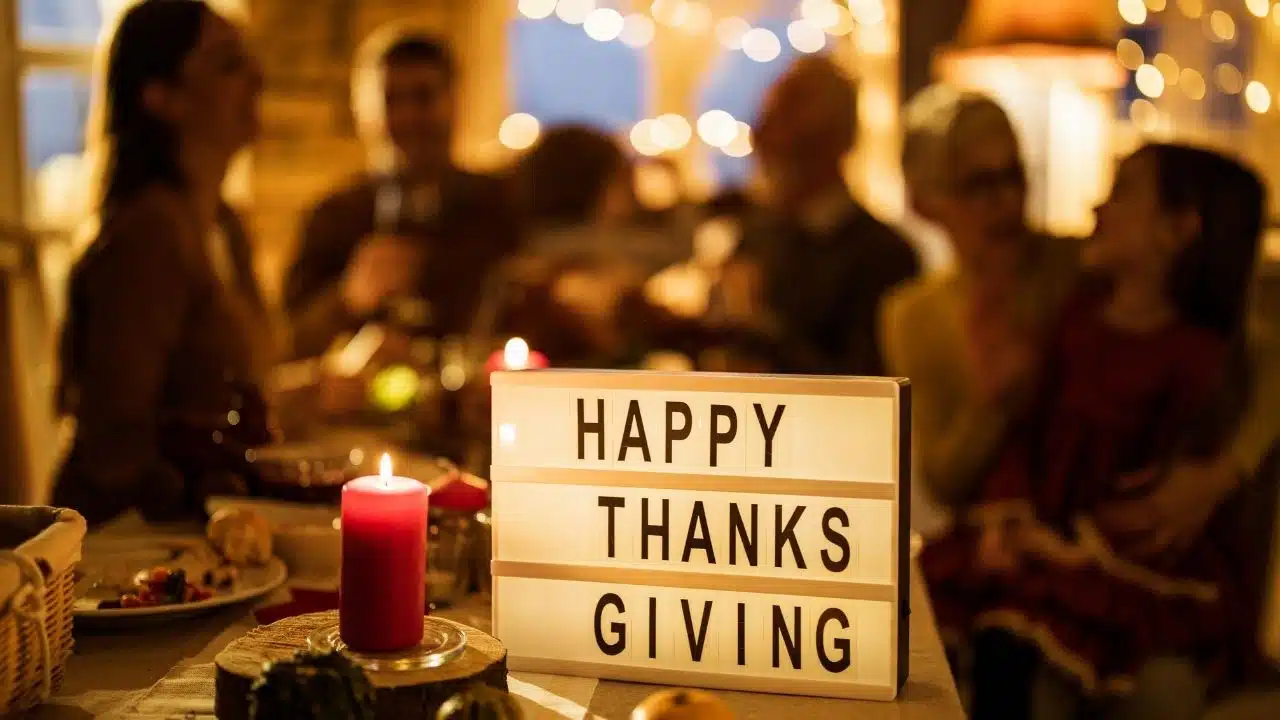
Thanksgiving in the United States is one of the country’s most cherished national holidays, observed every year with family gatherings, abundant meals, and traditions that date back centuries. In 2025, Americans will celebrate Thanksgiving on Thursday, November 27. While most people recognize the holiday for its familiar customs — turkey dinners, parades, football games, and charity drives — fewer realize that the date itself has a long and complicated history shaped by presidents, lawmakers, and economic pressures. The journey from early colonial celebrations to today’s fixed holiday on the fourth Thursday of November shows how the American calendar evolved through political decisions, national crises, and even disputes among states.
The earliest roots of Thanksgiving trace back to seasonal harvest feasts held by Native American tribes and European settlers in the 1600s. But the first nationally recognized Thanksgiving came in 1789, when President George Washington issued a proclamation designating Thursday, November 26 as a national “Day of Public Thanksgiving” at the request of the newly formed Congress. This was the first official Thanksgiving under the U.S. Constitution, and Washington encouraged citizens to use the day for reflection, gratitude, and unity. Still, this proclamation did not establish an annual holiday. For decades after Washington’s declaration, Thanksgiving was celebrated inconsistently across states. Some states observed it; others did not. Many governors declared it on varying dates, and the holiday lacked national uniformity.
The path toward a permanent national Thanksgiving began during the Civil War. In 1863, President Abraham Lincoln sought to create a sense of unity during one of the darkest periods of American history. He issued a proclamation making Thanksgiving a nationwide holiday to be observed annually on the last Thursday of November. Lincoln’s decision helped frame the holiday as a reminder of national resilience and shared values. The last-Thursday tradition continued unbroken for more than 70 years, with presidents issuing their proclamations each year to maintain consistency. But the simplicity of this custom became complicated when economic concerns entered the picture in the 20th century.
In 1939, President Franklin D. Roosevelt made a bold and controversial decision to change the date of Thanksgiving. That year, the last Thursday of November fell on the 30th — leaving retailers concerned that the short Christmas shopping season would hurt sales during the Great Depression. Hoping to boost the economy, Roosevelt moved Thanksgiving one week earlier, to the third Thursday of November. His intention was to give businesses more time between Thanksgiving and Christmas to encourage consumer spending. The change, however, caused national confusion. Some states followed Roosevelt’s new date, while others rejected it and kept the traditional last-Thursday holiday. A few even celebrated both dates. The disagreement was so widespread that the country found itself divided over which day was the “real” Thanksgiving, and newspapers at the time jokingly referred to the dispute as “Franksgiving.”
With the nation split, Congress realized that a permanent, standardized date was necessary. In 1941, after lengthy debate, lawmakers passed a resolution designating Thanksgiving as a federal holiday to be celebrated on the fourth Thursday of November, not necessarily the last. This small but important distinction provided consistency even in years when November has five Thursdays. The bill became law when Roosevelt signed it on December 26, 1941. Since then, Thanksgiving has remained fixed on the fourth Thursday — a compromise that balanced tradition, the needs of the nation’s economy, and the practical considerations of annual scheduling.
The decision ensured that Thanksgiving would always fall between November 22 and November 28, preventing the holiday from drifting too close to December and preserving adequate time for end-of-year observances, school calendars, and commercial planning. The modern date reflects the evolution of a holiday shaped not only by history and gratitude but also by the realities of national growth and the desire for consistency. Today, the fourth Thursday of November is recognized across all states, federal institutions, and American communities, symbolizing both the tradition and the continuity of the country’s most widely celebrated non-religious holiday.
The Significance and Traditions of Thanksgiving in American Life
While the date of Thanksgiving has changed over centuries, its cultural meaning has continually expanded. The holiday’s origins are commonly linked to the 1621 harvest feast shared by English colonists and Wampanoag people in present-day Massachusetts. Although the modern holiday is not a direct replica of that event — and historians note that the earliest colonial gatherings varied widely — the idea of pausing to express gratitude remains central. Today, Thanksgiving stands as a moment for Americans to come together with family, friends, and communities to reflect on the year’s blessings, challenges, and achievements.
The Thanksgiving meal remains at the heart of the celebration. Traditional foods such as roast turkey, stuffing, mashed potatoes, cranberry sauce, pumpkin pie, and seasonal vegetables have become symbolic staples of the holiday table. Families often incorporate their own cultural dishes or regional specialties, creating a blend of historical tradition and personal heritage. Many households treat the meal not merely as a festive gathering but as an opportunity to reconnect, share stories, and revisit family customs passed down through generations.
Beyond the dinner table, Thanksgiving has grown into a day filled with national events and community activities. One of the most iconic traditions is the annual Macy’s Thanksgiving Day Parade in New York City. This parade, featuring giant balloons, floats, music performances, and televised entertainment, has been a part of American culture since the 1920s and draws millions of viewers every year. For many families, watching the parade together is as much a tradition as the meal itself.
Football has also become a Thanksgiving hallmark. The National Football League hosts multiple games on Thanksgiving Day, continuing a tradition that dates back to the early 20th century. These games have become a major part of the holiday’s identity, with fans gathering around the television after the feast to watch their favorite teams compete. The mix of sports and celebration adds a lively dimension to the day, especially in households where football is a family tradition.
Another important and meaningful aspect of Thanksgiving is the spirit of giving. Many Americans participate in community service activities, such as donating food, volunteering at shelters, organizing charity drives, or supporting local initiatives that help those in need. The holiday serves as a reminder of social responsibility and compassion, encouraging people to extend their gratitude through acts of kindness.
The presidential turkey pardon is another notable tradition. Each year, the President of the United States ceremonially “pardons” a turkey, sparing it from being served at a Thanksgiving meal. Though the tradition became formalized in the late 20th century, its roots extend much further back and have evolved into a light-hearted national moment that blends humor with symbolism.
For many Native American communities, Thanksgiving is also a day of reflection and remembrance. Certain groups observe the National Day of Mourning, recognizing the historical impact of colonization on Indigenous peoples. This perspective adds important depth to the holiday’s meaning, reminding Americans that Thanksgiving is understood differently across communities and cultures. Acknowledging these diverse viewpoints contributes to a fuller, more inclusive understanding of the holiday’s legacy.
Overall, Thanksgiving remains a complex but deeply significant American tradition. It blends history, gratitude, cultural expression, and national identity in ways that continue to evolve. From its early beginnings to its modern observance on the fourth Thursday of November, the holiday stands as a meaningful reminder of reflection, unity, and the importance of coming together — whether as families, communities, or a nation.