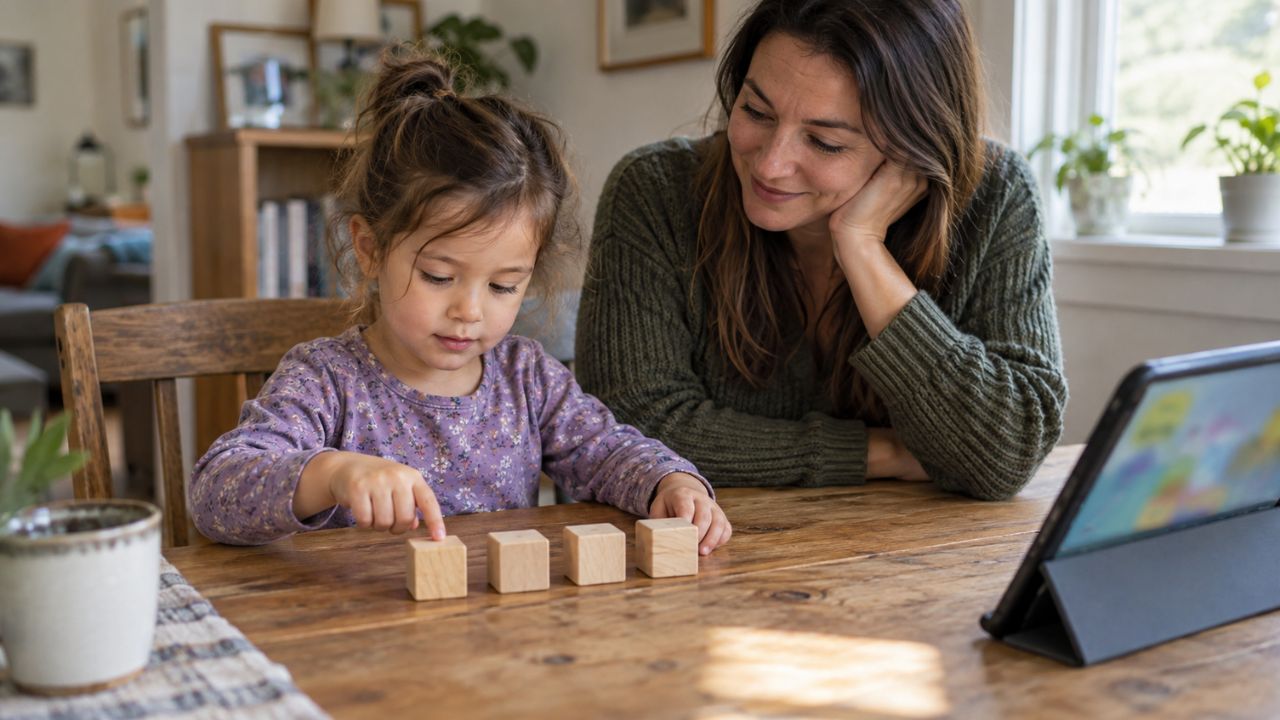
What makes an educational app educational? I kept asking myself that while watching children use two apps our team built. The colourful activities drew them in, and they treated letters and numbers as part of a game. I wanted to know what they could do after the tablet was put away.
Over about six months, I watched roughly 12 children, mostly aged three or four, use Alphabet Magic trace & phonics and 123 Magic Number Fun: Math Kid. They were our children, nieces, nephews and children in our wider circle. Some used the apps for six months; others continued for up to a year. At first, they needed help. Later, they could move through the activities on their own.
That change was encouraging, but a child can learn to navigate a game without understanding its subject. I had to look beyond how easily they played.
What the game asks a child to do
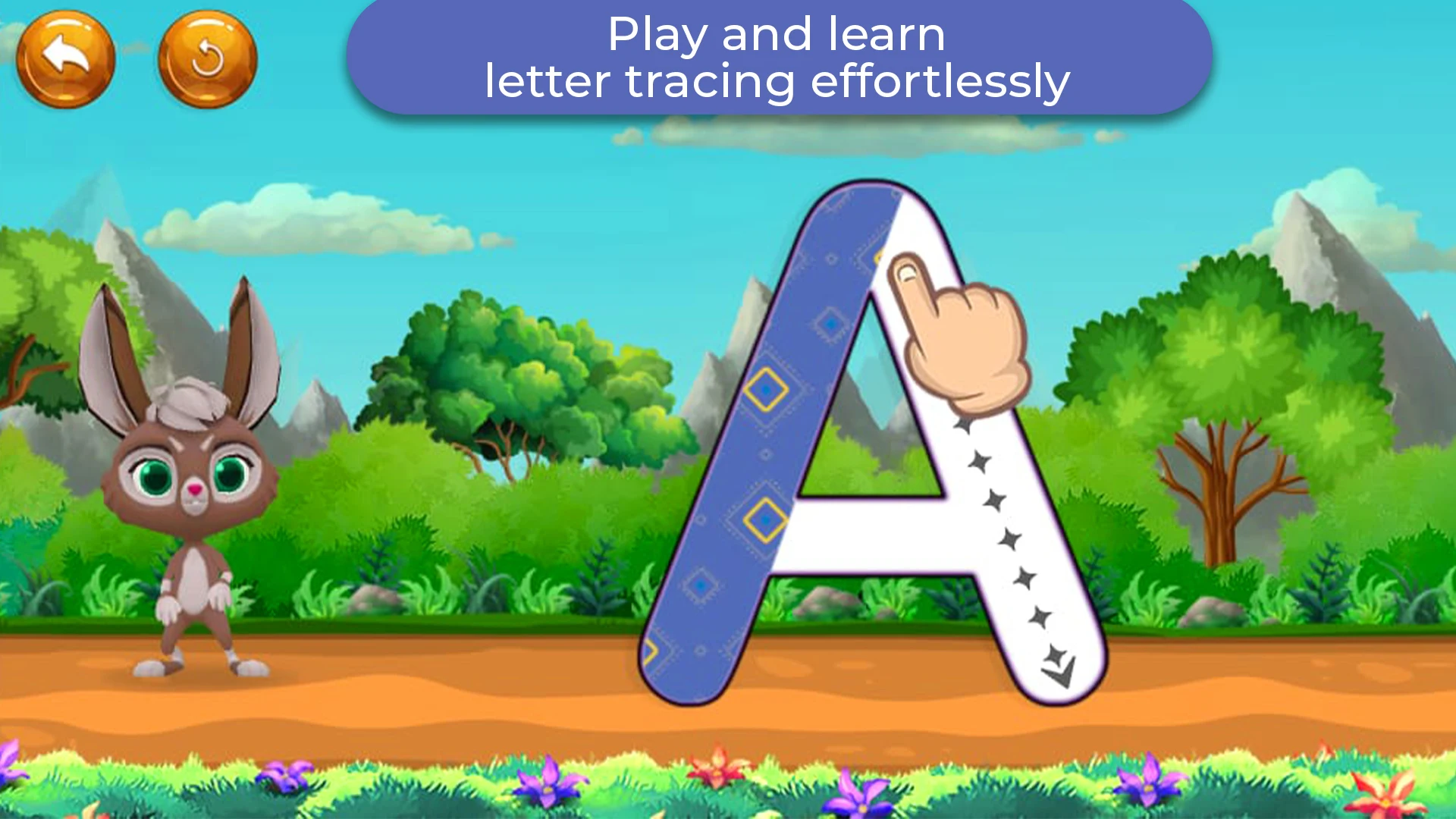
In Alphabet Magic, children practise tracing uppercase and lowercase letters, matching letters and working with letter sounds. Those activities support different skills. Following the outline of b with a finger is not the same as recognising b on a page. Knowing its name is not the same as knowing its sound.
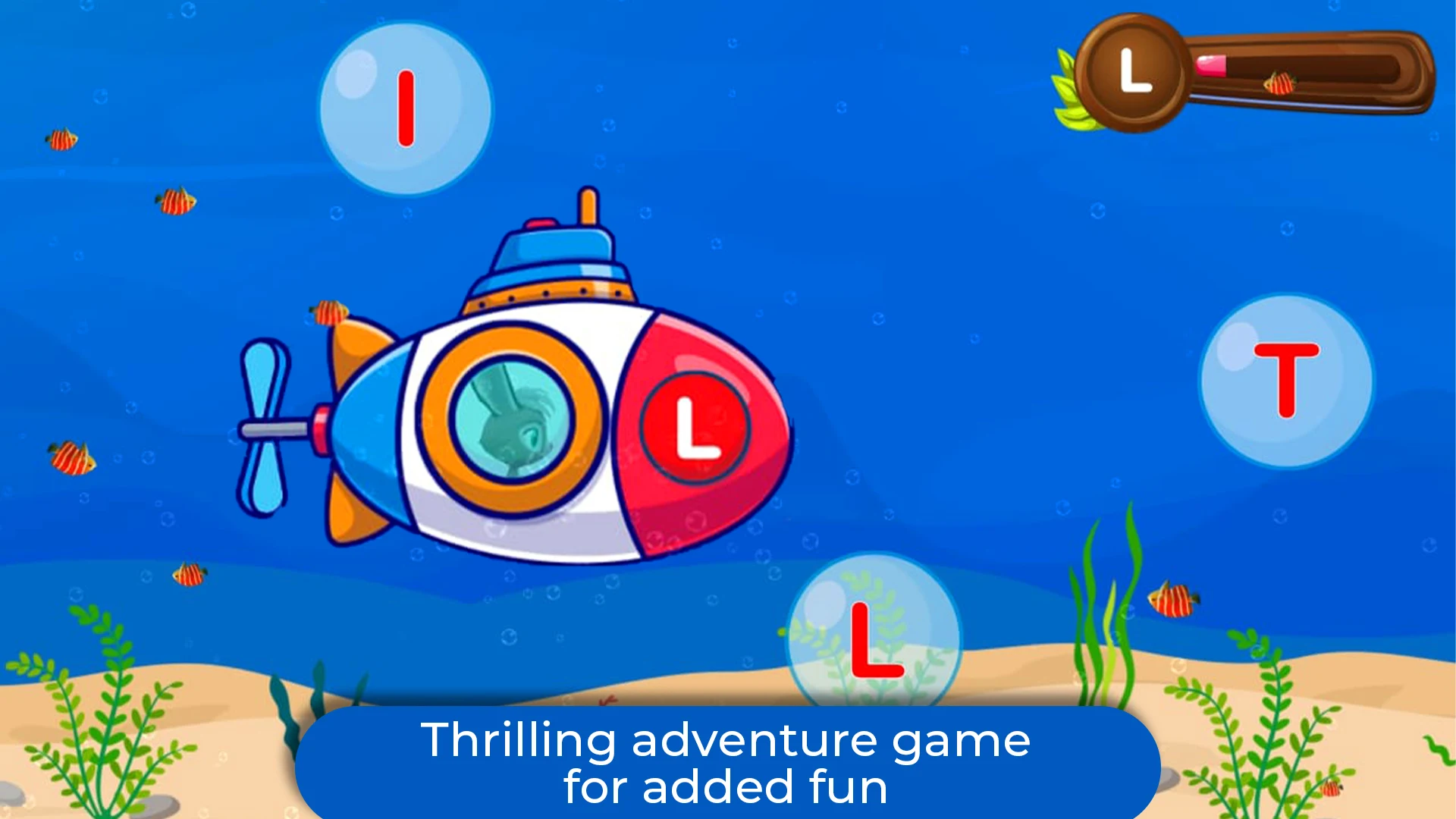
I noticed those differences as the children kept playing. Over time, they became better at telling uppercase and lowercase letters apart and pronouncing letter sounds. They gradually began spelling words themselves. I also saw them identify letters in books, where the app’s colours and familiar prompts were absent.
That book moment mattered to me. It showed me a skill appearing in an ordinary setting, without the game asking for it.
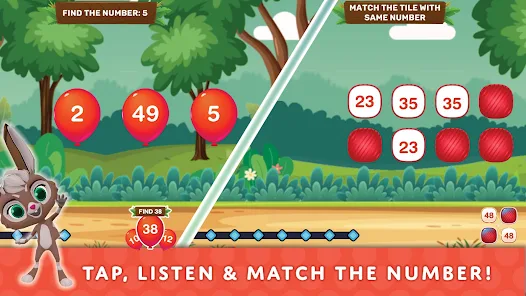
Numbers invite the same scrutiny. 123 Magic Number Fun includes numeral tracing, number recognition and counting activities. A child can learn to recognise 5 on a screen before understanding that it represents five objects. I watched the children enjoy exploring the number games and become comfortable using them. I would want to see them count objects away from the screen before making a stronger claim about what they learned in maths.
Fun gave them a reason to practise
The children were amazed by the visuals and happy to engage with the activities. I think that matters. They willingly returned to the games, giving themselves more chances to encounter the letters and numbers.
Enjoyment alone, though, did not answer my question. I paid more attention to whether they could respond without a prompt and whether a skill appeared somewhere else. A child completing a familiar level may be remembering where to tap. Recognising a letter in a different book tells me more.
I did not see the basic controls confuse the children. They needed help at the beginning, then grew more independent. As the older children became familiar with some levels, those levels also became easier for them. Our team improved parts of the apps over time to keep the activities interesting.
The apps were one part of their day
These children were also reading books, playing with toys and taking part in preschool activities. They were growing and learning in many places at once. I cannot separate those influences and say the apps alone produced the progress I saw.
That does not make the observations meaningless. It tells me how to use them honestly. I saw children practise letter skills in our app, and I saw some of those skills appear beyond it. I saw them enjoy the number activities, but I do not have the same clear example of maths learning away from the screen.
Adults played a part, too. The children needed help at first, even though they later used the apps independently. A parent can build on a game with a simple invitation: find a familiar letter in a book or count a few toys together. The answer shows what the child understands and where they still need help.
The checks I would use with any learning app
Watching these children changed what I pay attention to. When I look at an educational app now, I ask:
- What skill is this activity practising?: “Learning numbers” is broad; counting a group of objects is specific.
- Does the child need to think?: A correct answer means less if they can get it by tapping until something works.
- Can they use the skill elsewhere?: A different book, a pencil or a handful of toys can reveal more than another familiar level.
- What else is part of the experience?: Ads, purchases and interruptions matter alongside the learning activity.
There are practical details to consider alongside learning. Our number app’s Google Play listing says it contains ads and in-app purchases. Parents should know that before giving it to a child. When I judge an educational app, I have to consider the whole experience, including what might interrupt the activity.
What stayed with me
I am pleased that children in our circle enjoyed the apps we made. The moment I remember most clearly is simpler: seeing a child recognise a letter in a book. It was a sign that the activity had connected with something beyond the game.
These are my observations of a small group of children, not a study of the apps’ effectiveness. They have given me a useful standard all the same. An educational app should give a child something worth practising. Then I want to look for that learning in the rest of their day.
Frequently Asked Questions on What Makes an Educational App Educational
1. How can I tell whether my child understands an activity or is guessing?
Change the example. Ask them to find the same letter in another book or count a different group of objects. Give them time to answer without the game’s prompts.
2. Does using an app independently mean a child has mastered the skill?
It shows they know how to use the app. Check the skill separately, with an unfamiliar example.
3. Is tracing a letter on a tablet enough to learn writing?
It offers practice with the letter’s shape. Children also need opportunities to make marks and form letters with a pencil or other materials.
4. What should I look for in a number game for a young child?
Look beyond naming numerals. See whether the child can count objects one by one and connect the final number they say to the size of the group.
5. Should I stay with my child while they play?
Especially at first, it helps to see where they need support. Later, you can ask about something they practised and try it together away from the screen.