Loyalty programs often feel dull, right? You sign up, collect points, and then… forget about them. Many customers lose interest because rewards are boring or hard to redeem. Brands also struggle to keep users engaged.
Here’s the cool part—Web3 loyalty programs are changing this game. They use blockchain technology, NFTs (non-fungible tokens), and digital wallets to make rewards exciting and personal.
Companies like Starbucks Odyssey and Visa are already leading this shift.
This blog will share 10 Web3 Loyalty Programs Rewarding Users For Engagement in fresh ways. Ready for a whole new take on loyalty? Keep reading!
Key Takeaways
- Web3 loyalty programs use blockchain, NFTs, and digital wallets to create fun rewards. Examples include Starbucks Odyssey, Visa, and Adidas Into the Metaverse.
- Blockchain ensures transparency and fairness. It keeps records secure and lets users see all transactions clearly.
- Users gain true ownership of rewards like NFTs, which can be traded or kept in digital wallets for value.
- Programs focus on community building with gamified activities, personal perks, and interactive experiences.
- Future tools like AI may improve personalized rewards while unifying different loyalty systems for better customer engagement.
Starbucks Odyssey: Enhancing engagement through NFT collectibles
Starbucks Odyssey tried to mix Web3 tech with loyalty programs. It launched interactive “Journeys” like quizzes and games about coffee knowledge. Players earned NFT “Journey Stamps” and Odyssey Points.
These points unlocked perks, including exclusive events, merchandise, and more. The program also focused on gamification and building community ties. Despite its promise, technical issues caused its early end.
Marriott Bonvoy: Rewarding customers with blockchain-based experiences
Transitioning from coffee perks to travel rewards, Marriott Bonvoy uses blockchain technology in an exciting way. Their loyalty program offers seamless point exchanges and NFT-based perks for frequent flyers.
Travelers can access personalized reward options through secure digital wallets tied to their membership.
Blockchain ensures transparent recordkeeping of points and customer behavior. These web3 loyalty programs also add flexibility with smart contracts enabling easy redemption at different touchpoints.
For instance, guests might unlock exclusive digital collectibles or unique experiences during stays, enhancing customer engagement effortlessly.
Visa: Transforming loyalty with Web3-enabled solutions
Visa uses Web3 to change how brands reward loyalty. It offers digital wallets, smart contracts, and collectible tokens for customers. This system simplifies payments and boosts user engagement.
Through SmartMedia Technologies’ platform, Visa helps brands create custom rewards programs. Businesses can give digital collectibles as incentives while using blockchain technology for security.
Adidas Into the Metaverse: Combining NFTs with exclusive rewards
Adidas uses NFTs to reward loyal fans with digital perks and physical items. It launched its “Into the Metaverse” campaign, offering NFT holders exclusive access to limited-edition merchandise, virtual experiences, and events.
These digital collectibles give customers ownership of rewards that they can trade or keep. Adidas combines virtual engagement with real-world benefits to build stronger customer connections.
This mix keeps users excited about loyalty perks while boosting brand loyalty through Web3 technology.
HUGO BOSS: Building brand loyalty through gamified Web3 experiences
HUGO BOSS grabs attention with gamified Web3 loyalty programs. They use NFTs and digital collectibles to reward loyal customers. Shoppers earn, keep, and trade these assets through blockchain networks.
This adds value by giving true ownership of rewards.
Interactive games make engagement fun. These experiences build strong connections with the brand using smart contracts for secure transactions. Customers enjoy transparency, trust, and a sense of belonging in this growing digital community.
Clinique: Offering NFT rewards for active community participation
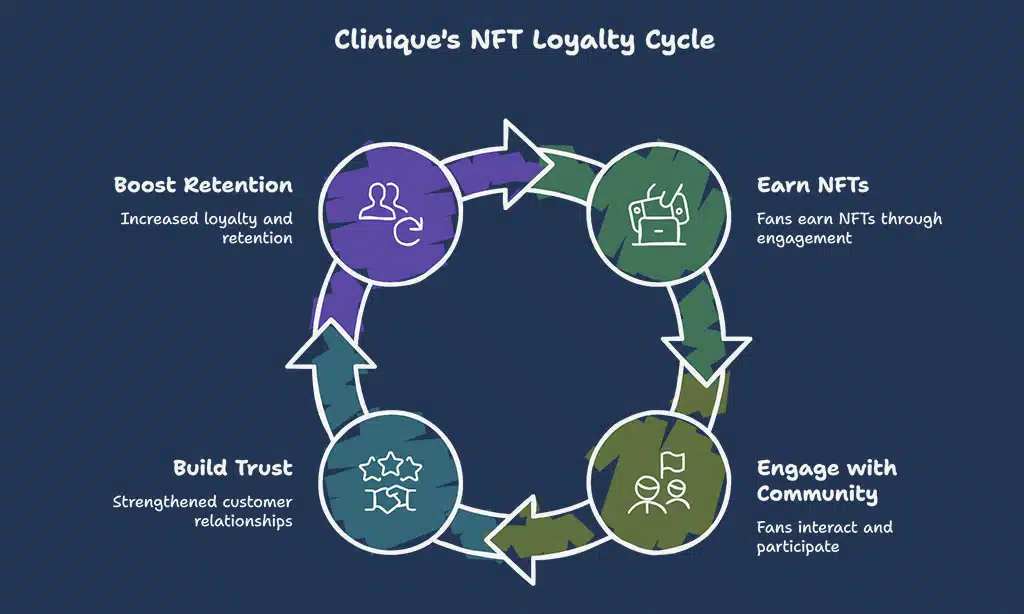
Clinique rewards loyal fans with NFTs for staying active in their community. These digital collectibles use blockchain technology, giving users real ownership and transparency. Fans can earn rewards through posts, interactions, or participating in special events.
This program focuses on personal connections. It encourages customers to engage more while enjoying fun experiences. By joining this Web3 loyalty initiative, Clinique builds trust and boosts customer retention effectively.
Nike. Swoosh: Engaging users with digital collectibles and experiences
Nike .Swoosh offers users NFT-based digital collectibles. These collectibles are powered by blockchain, making them secure and transparent. Users earn rewards like exclusive items or access to events.
The program focuses on building a strong community with interactive tools.
Personalized rewards enhance customer loyalty and boost engagement. Nike also uses gamified experiences to keep participants active in the program. Next, explore how Binance Rewards motivates users with token systems.
Binance Rewards: Incentivizing engagement with token-based systems
Binance Rewards uses cryptocurrency tokens to keep users engaged. It offers reward points for activities like trading or joining promotions. Users can exchange these points for discounts, NFTs, or other perks through digital wallets.
Blockchain technology boosts transparency and trust in the system. Reward options extend across platforms, giving flexibility to participants. This approach strengthens customer loyalty while making rewards more personal and decentralized.
Coca-Cola Creations: Rewarding community loyalty with digital assets
Coca-Cola uses digital collectibles to reward loyal fans. They create NFT-based assets, letting users earn and own rewards. These items can be traded or kept in digital wallets.
Blockchain ensures fairness and ownership of these rewards. The focus is on fun experiences and building community bonds. Fans enjoy interactive programs while gaining value through their participation.
DraftKings Marketplace: Providing rewards through NFT drops and gamified experiences
DraftKings Marketplace gives users NFT rewards. These NFTs are earned through games and events. Blockchain keeps the process secure and fair. Players can win personalized prizes, boosting engagement.
Interactive features make it fun for participants. The focus on community builds loyalty. Digital wallets store these assets, letting users fully own their rewards. It’s a fresh way to keep customers excited!
Key Benefits of Web3 Loyalty Programs
Web3 loyalty programs give users control of their rewards. They also build trust with clear and open systems.
Transparency and trust through blockchain
Blockchain keeps records safe, clear, and unchangeable. Every transaction is open for users to see. Companies using blockchain can track loyalty points without mistakes or confusion.
Smart contracts make reward systems easy to follow. These contracts run on their own, so rules are always fair and visible. Retailers benefit from honest data tracking while customers gain confidence in the process.
True ownership of rewards and assets
Users hold their rewards as NFTs on blockchain. These digital assets prove ownership, unlike traditional loyalty points. For example, an NFT-based “coffee bean” from Starbucks Odyssey can be traded or used elsewhere.
Rewards become portable and valuable. Customers no longer lose them due to program changes. This fosters trust and boosts customer engagement across Web3 loyalty programs.
Future Impact of Web3 Loyalty on Customer Engagement
Web3 loyalty programs could reshape how brands connect with shoppers. Blockchain technology builds trust, offering clear and secure tracking of rewards. Digital wallets let customers collect loyalty points or digital collectibles without confusion.
Smart contracts automate processes, so users don’t face delays in redeeming offers. Businesses can use consumer data better while respecting privacy rules. This transparency increases customer retention and satisfaction.
Personalized rewards will grow more popular with AI tools in play. Studies show 67% of consumers like getting perks from their last shopping experience, pushing brands to offer fresh incentives faster than ever.
Interoperability between systems may unify programs across stores or industries for smoother experiences. As these tools expand, they create stronger ties between companies and their target audience, giving shoppers real value with every purchase decision made online or offline!
Takeaways
These Web3 loyalty programs are shaking up how businesses reward you. They use NFTs, blockchain, and digital wallets to create fun, fresh ways to stay engaged. With true ownership of rewards and more transparency, users get better value than before.
Companies like Starbucks and Visa show this tech can work well for brand loyalty. The future looks bright for smarter, stronger customer connections.
FAQs
1. What are Web3 loyalty programs?
Web3 loyalty programs use blockchain technology to reward users for engagement with things like digital collectibles, NFTs (non-fungible tokens), or loyalty points.
2. How do these programs improve customer engagement?
They offer rewards like augmented reality experiences, community participation perks, and user-generated content opportunities that keep customers interested and involved.
3. Can businesses manage these programs easily?
Yes, many of them use decentralized applications and smart contracts to automate processes while remaining user-friendly for both companies and customers.
4. What is Starbucks Odyssey in Web3 loyalty?
Starbucks Odyssey is a program that uses NFTs to enhance customer experiences by blending traditional rewards with interactive digital elements through blockchain technology.
5. Are there challenges with scalability in Web3 loyalty programs?
Yes, scalability challenges exist because blockchain systems can be slow during high activity periods, which may affect how quickly rewards or data management happen.
6. How does artificial intelligence fit into Web3 loyalty programs?
Artificial intelligence helps analyze customer behavior and create personalized value propositions within these innovative customer retention strategies.