

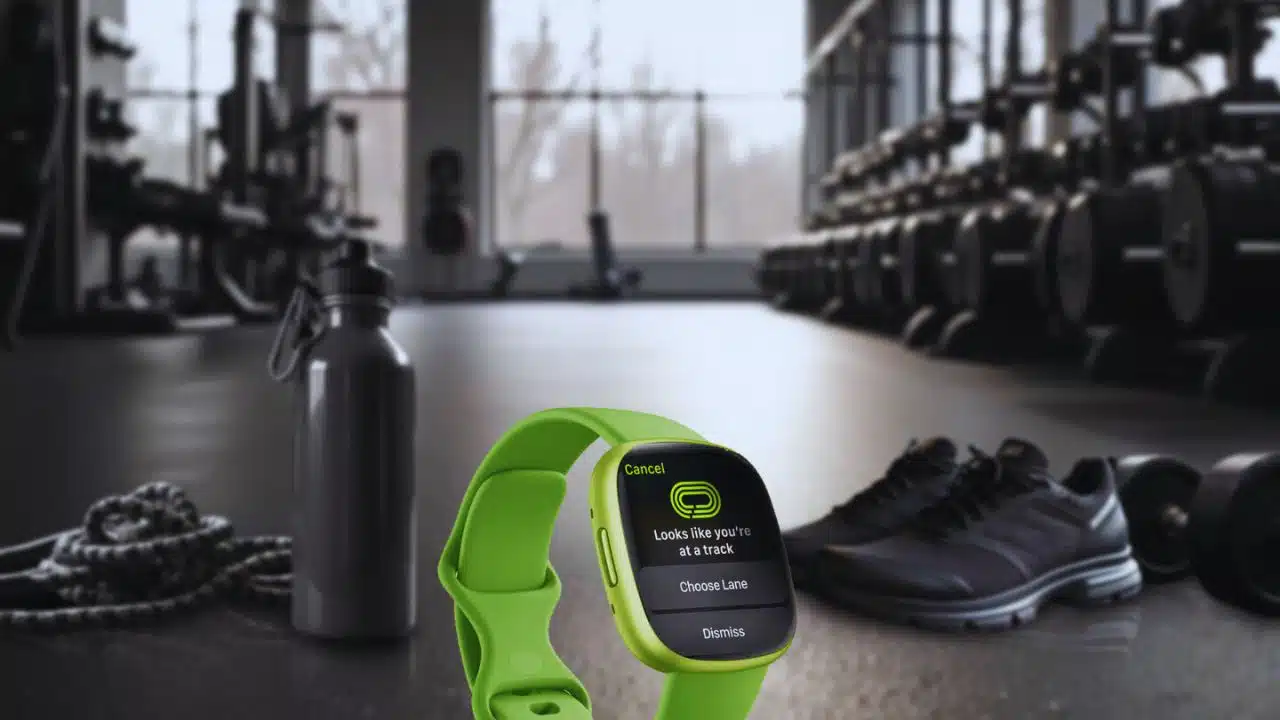
We sure have come a long way from just counting steps in the good year of 2025, haven’t we? Today’s fitness trackers have evolved into sophisticated health surveillance systems, for better or for worse.
Not only can they simply monitor and predict, but they now also influence your behavior in ways that would probably make your closest friends jealous. We have taken several steps further from the hype of the last decade, entering into the realm of AI-powered health hubs that process more data about your body than most medical equipment in the early 2010s.
This new standard for hyper-personalized biofeedback is no longer confined to health. Digital ecosystems across industries are adapting similar logic – track, adjust, incentivize. One example is BetZillo, a gamified platform that began applying behavioral nudges outside traditional wellness spaces. By tracking user engagement patterns and pairing them with reactive feedback systems, it’s tapping into the same looped attention strategies that fitness wearables perfected years ago.
Platforms like this demonstrate how wearable logic has quietly influenced broader UX design. Users may not be closing rings or logging workouts, but they’re still being driven by adaptive systems that reward consistency, discourage drop-off, and use biometric or behavioral inputs to subtly shape decisions. The wearable world taught software to think like a coach, and everyone is taking notes.
1. It is Now Powered by Generative AI Slop
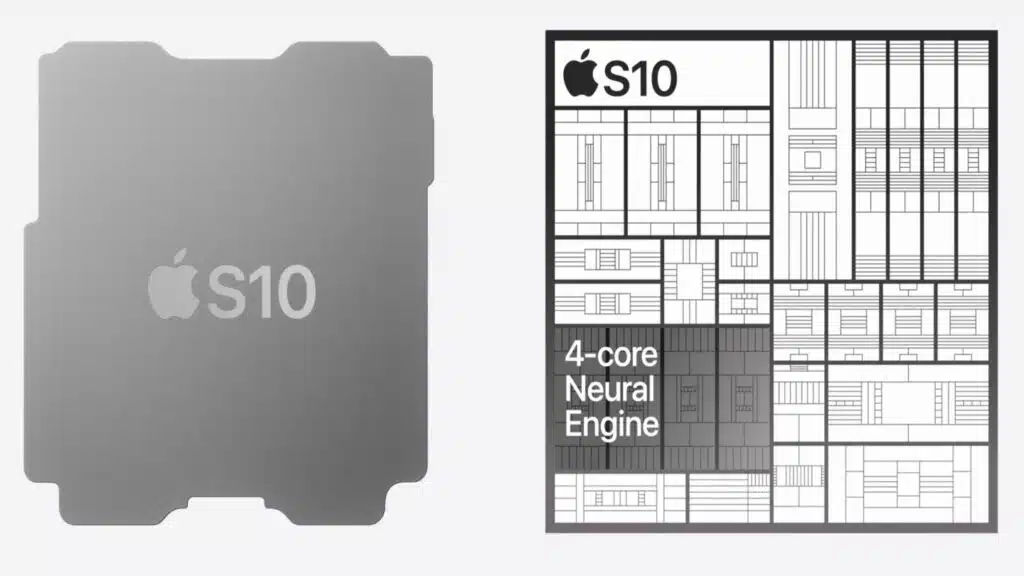
Can you imagine interacting smartly with your fitness tracker as if it is your dedicated assistant? My dear brothers and sisters, welcome to the wonderful, and sometimes lazy, world of generative AI. Exhibit A here is none other than Apple’s S10 chip, one of the trendy SoCs today scrambling for local AI power access. Local, meaning the chip itself is doing the AI slop stuff, and no longer has to communicate to separate servers.
You see, even if we take Apple’s “double performance” claims with a grain of salt, this level of data integration, plus the use of current AI, will not even be remotely close to what fitness trackers can offer during the fabled creepypasta era.
The debate is of course still ongoing as to the actual practicality of the concept, hence the usual derogatory “slop” term for generative AI. But at least on paper, something that is way smarter in organizing information than Siri and Google Assistant should be a welcome addition to fitness trackers moving forward in 2025 and beyond.
2. Your Watch Is More Efficient than Laptops, Relatively
Speaking of number crunching, if we just focus on the processing capabilities of these tiny monsters, the amount packed on your wrist will simply be mind-blowing.
Qualcomm’s Snapdragon Wear 4100+ platform, which is technically “outdated” already as it was released in 2020, is still on average a whopping 36 times faster than the best fitness tracker SoCs when the product type first became mainstream. Meanwhile today’s fitness tracker SoC, like the Nordic nRF54L15, can recreate such computation power at roughly 50 to 200 times less power required!
For an even bigger perspective, the peak compute of early consumer wearables was measured in low single-digit megaflops, whereas a 1985 supercomputer (Cray-2) hit 1.9 gigaflops. It’s not just laptops, smartphones, and tablets anymore, baby.
3. It Knows You’re Stressed Before You Do
We have seen how StressWatch and other apps can use your resting heart rate and variability to detect stress in real time. Yes, before you are even aware of it. As you might have been negatively expecting already, this is all just the beginning.
Because it’s not just heart rate anymore. These apps and hardware now also factor in things like exposure, overall mobility, steps, sleep patterns, and even environmental noise. All of that sweet, sweet comprehensive stress profile.
In fact, Apple’s research with 200,000 participants learned that people who closed their activity rings often were less able to properly report elevated stress levels 57% of the time. They couldn’t voice it out, because they never noticed it in the first place, while their apps knew at the first sign. It has advanced to the point that, at least with somewhat good-ish relative accuracy, it can alert you to premature stress responses before they manifest as conscious anxiety or tension.
4. It Uses Psychological Manipulation You Never Suspected
Standard psychology tests show that we quickly get used to stimuli that repeat over time. That notification buzz loses its sense of urgency over time, even though it still triggers that basic checking impulse. You still respond to your device’s demand, sure, but you become basically numb to the interruption.
Try it yourself. Disable all notifications for 24 hours. You might be more productive with the open small moments now melded with your regular schedule. But you became a lot more anxious. Then you will realize that constant alerts have indeed become normal cues to signal social connectedness.
It is often called nowadays as “smartphone vigilance.” Far from just being limited to smartphones, it is that perpetual awareness of some sort of light flick or buzz that you might notice with your fitness tracker at any moment. This then creates the continual partial attention that mentally hooks you to the device.
5. It Predicts Illness Days Before You Feel Symptoms
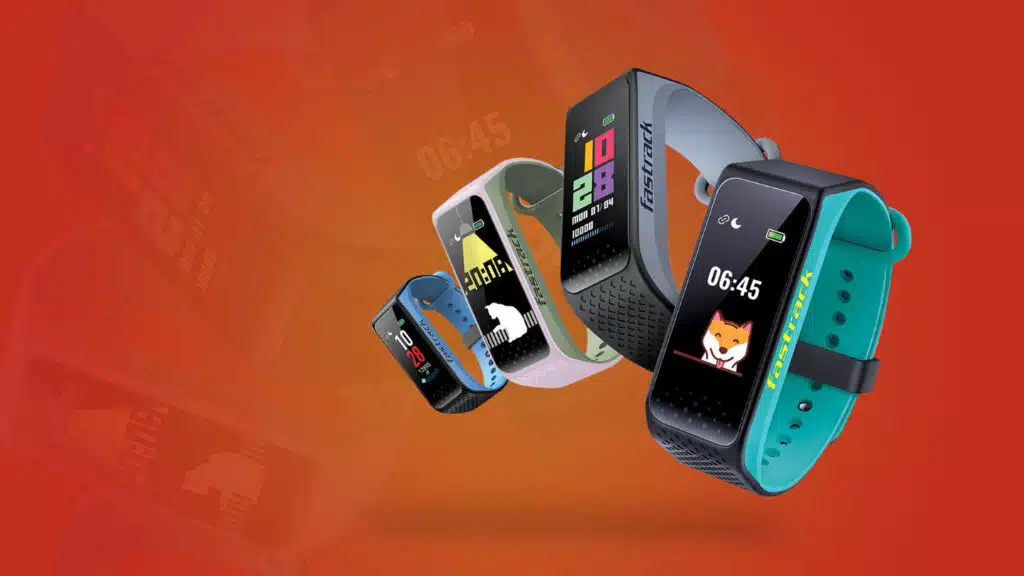
Smartwatches have relative accuracy in potentially identifying initial signs of health issues. Minute irregularities in heart rate, for example, combined with comprehensive technical analysis, can be effectively used as a warning beacon.
The best part of this is perhaps the decade-long advancement that we witness for these devices, which makes the assessments even more convincing.
Certain studies showed that smartphones can provide continuously progressing data about symptoms like chronic pain. This then creates a larger and better picture for researchers to inform patients about treatment and management plans.
Fitness trackers, which are hyperfocused on such a purpose, can do a non-stop analysis of your developing condition. In essence, you can be notified of such concerning patterns days before you feel the symptoms. Though, of course, that also brings the double-edged sword issue of false positives.
6. It’s Secretly Training You to Compete Against Strangers
The gamification of healthcare has been transformative for patient motivation, with interactive elements providing encouragement through points, badges, and rewards that influence both individual and public health actions. Your fitness tracker has turned daily life into a massive, invisible competition through leaderboards, challenges, and social features that tap into fundamental psychological drives.
It does feel somewhat great to earn a badge for burning 1200, driving activity even more. But its dynamics also involve constraints and challenges, like completing an exercise within a specific time frame. Before you realize it, the global exchange of this health data is making you unknowingly compete against millions of other users.
7. Selling Your Data in Ways Early 2010s Never Mentioned
It’s not a secret that fitness apps have shady data-sharing policies, collecting sensitive data like your location, sexual orientation, and race and sharing it with third-party companies, which can include data brokers. And which entities are generally interested in health data? Yep, that’s right, insurance companies, fad product advertisers, and service startup hedge funds.
Information collected by wearable technology may be safeguarded by laws in some states, but much of it falls outside the federal Health Insurance Portability and Accountability Act, and can be sold or provided to third parties. Imagine, someone being terminated due to a potential liability concern due to his health that appeared in their health data (which, as hinted by our earlier discussion, is even yet to remotely manifest).
You can imagine the complexities that this devolving issue will create from this point onward.
8. Developments That Make Even 2025 Look Primitive
Lastly, the global wearable AI market is expected to experience significant growth driven by rapid advancements in wearable technologies, increasing adoption of AI and machine learning, and growing demand for personalized healthcare solutions. They can even talk to provide real-time feedback, reminders, and guidance! Speech biomarkers can then be leveraged for early detection and predictive diagnosis of various health conditions.
Fitness wearables would also have to extend its definition in the near future. Clothing embedded with AI-powered biosensors, for example, will function very much like your FitBit, but much more discreetly. In fact, implantable AI devices, such as smart contact lenses and neural implants, are on the horizon. It’s not just monitoring anymore. But delivering targeted therapies, and granting superpowers are the same time.






















