


In today’s fast-paced work environment, mental wellness is no longer just an afterthought—it’s a crucial factor in employee productivity, engagement, and overall workplace success. Leaders play a significant role in shaping a company’s culture and directly influencing their teams’ mental well-being.
Understanding the best ways leaders can promote mental wellness in their teams is essential for fostering a supportive and healthy work environment.
According to the World Health Organization (WHO), depression and anxiety disorders cost the global economy an estimated $1 trillion per year in lost productivity.
This statistic highlights the importance of prioritizing employee mental health. In this article, we will explore 7 effective ways leaders can promote mental wellness in their teams, ensuring a thriving and motivated workforce.
Why Mental Wellness Matters in the Workplace?
Creating a mentally healthy workplace is a fundamental aspect of sustaining productivity and fostering a positive company culture. When employees feel supported in their mental well-being, they are more engaged, innovative, and motivated to perform at their best.
Organizations that prioritize mental wellness not only enhance individual job satisfaction but also improve overall business outcomes. Addressing workplace stress and promoting mental health-friendly policies can significantly impact retention rates and workplace morale.
The Impact of Workplace Stress on Employees
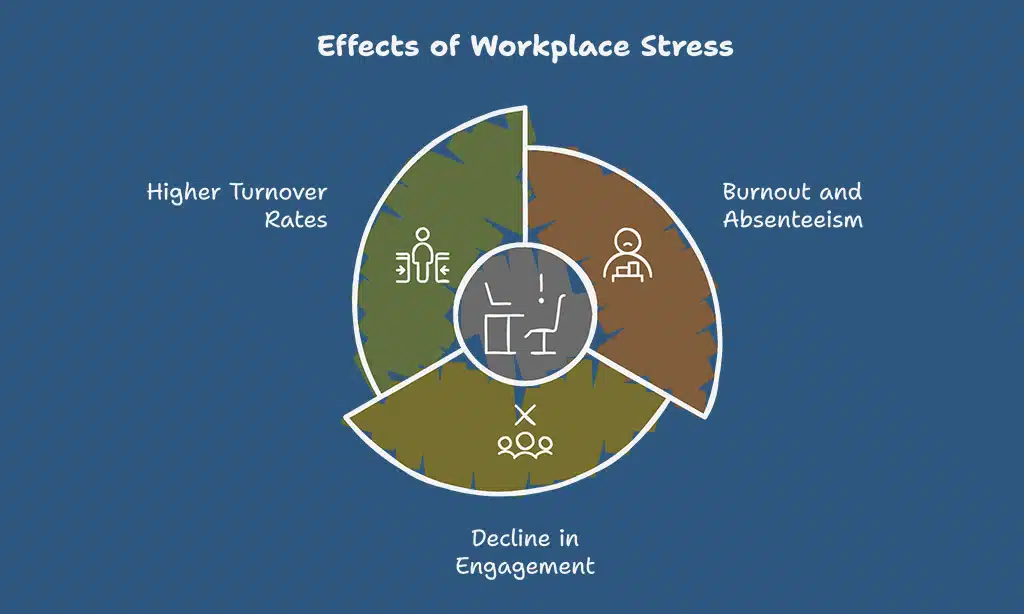
Workplace stress is one of the leading contributors to declining mental health among employees. Here are some key effects:
- Increased burnout and absenteeism – Employees suffering from chronic stress are more likely to take sick leave, reducing productivity.
- Decline in engagement and motivation – Stress reduces creativity and enthusiasm, leading to disengagement.
- Higher turnover rates – Employees experiencing poor mental health are more likely to leave the organization, increasing hiring and training costs.
- Reduced team collaboration – Stressful environments can lead to miscommunication and workplace conflicts.
| Impact of Workplace Stress | Effect on Employees |
| Burnout & absenteeism | More sick days, decreased efficiency |
| Lack of motivation | Reduced creativity and engagement |
| High turnover rates | Increased hiring costs |
| Poor teamwork | Reduced collaboration & increased conflicts |
The Role of Leadership in Employee Well-being
Leaders are at the forefront of creating a workplace environment that supports mental wellness. Their influence determines:
- How comfortable employees feel discussing mental health concerns.
- The implementation of policies that support work-life balance.
- The level of support and resources available to team members.
- Whether employees feel valued and motivated to contribute their best efforts.
By prioritizing mental wellness, leaders not only enhance employee satisfaction but also improve the company’s bottom line through increased productivity and retention.
7 Ways Leaders Can Promote Mental Wellness in Their Teams
Fostering mental wellness in teams is not just a leadership responsibility but a strategic necessity. A supportive work environment enhances productivity, reduces burnout, and builds a resilient workforce. Leaders who prioritize mental health initiatives create a thriving and engaged team that performs at its best.
1. Foster Open and Supportive Communication
Effective communication is the foundation of a mentally healthy workplace. Leaders who cultivate open and transparent communication channels create an environment where employees feel safe expressing their thoughts and concerns. By prioritizing supportive conversations, leaders can reduce workplace stress, boost morale, and enhance overall productivity.
Encouraging Psychological Safety in the Workplace
Psychological safety means that employees feel comfortable speaking up about challenges without fear of punishment. Leaders can foster this environment by:
- Creating an open-door policy – Encourage employees to share concerns and ideas.
- Holding regular one-on-one meetings – Check in on employees’ well-being and workload.
- Practicing active listening – Validate employees’ experiences and emotions.
- Using anonymous feedback channels – Employees can voice concerns without fear of repercussions.
| Communication Strategy | Benefit to Employees |
| Open-door policy | Encourages transparency |
| One-on-one meetings | Strengthens leader-employee trust |
| Active listening | Improves engagement & support |
| Anonymous feedback | Allows honest opinions |
2. Promote Work-Life Balance
Maintaining a healthy work-life balance is essential for mental wellness in any team. When employees feel overworked and unable to disconnect from their professional responsibilities, stress and burnout become inevitable. Leaders must take proactive steps to create a culture that values personal time and well-being. By promoting work-life balance, leaders can improve employee satisfaction, engagement, and overall productivity.
Strategies to Prevent Employee Burnout
Work-life balance is key to mental wellness. Leaders can support their teams by:
- Encouraging flexible work arrangements – Offer remote work options or flexible hours where possible.
- Setting realistic expectations – Avoid overloading employees with excessive tasks.
- Promoting break times – Encourage regular short breaks and time off.
- Implementing ‘No Overtime’ policies – Discourage after-hours work.
Pro Tip: Studies show that employees who take short breaks throughout the day are more productive and less stressed.
| Work-Life Balance Initiative | Benefit to Employees |
| Flexible hours | Reduces stress & improves efficiency |
| Encouraging breaks | Enhances focus & mental clarity |
| ‘No Overtime’ policies | Helps maintain work-life balance |
3. Provide Mental Health Resources and Support

Supporting employees’ mental health goes beyond just offering time off—it requires tangible resources that help them manage stress and build resilience. Leaders who actively promote accessible mental health programs create a workplace culture that values well-being and productivity. Providing employees with the right tools and support networks can lead to improved morale, reduced burnout, and greater job satisfaction.
Workplace Mental Health Programs and Initiatives
Leaders should actively promote mental health programs, such as:
| Mental Health Resource | Benefits to Employees |
| Employee Assistance Programs (EAPs) | Provides counseling and emotional support. |
| Wellness Workshops | Educates employees on stress management. |
| Meditation & Mindfulness Sessions | Helps improve focus and reduce anxiety. |
| Mental health days | Provides time for self-care & recovery. |
Encouraging employees to utilize these resources reinforces a culture of mental wellness.
4. Recognize and Reward Employee Efforts
Acknowledging and appreciating employees’ hard work is one of the most effective ways leaders can promote mental wellness in their teams. Recognition helps boost morale, strengthens engagement, and reduces stress. Employees who feel valued are more likely to be motivated and committed to their roles, leading to a healthier and more productive work environment.
The Psychological Benefits of Employee Recognition
Recognition boosts morale, reduces stress, and fosters loyalty. Leaders can:
- Offer verbal and written appreciation – A simple “thank you” can go a long way.
- Provide performance-based rewards – Bonuses, promotions, or extra paid time off.
- Celebrate achievements publicly – Acknowledging wins in meetings motivates teams.
- Introduce peer recognition programs – Allow employees to celebrate each other’s success.
5. Encourage Healthy Work Habits
Encouraging healthy work habits is one of the most impactful ways leaders can promote mental wellness in their teams. Establishing a workplace culture that prioritizes well-being not only enhances productivity but also reduces stress and burnout. Leaders should actively support initiatives that promote physical activity, mindful breaks, and healthy routines to help employees maintain balance in their professional and personal lives.
Implementing Wellness Programs in the Workplace
Healthier employees are happier employees. Leaders can introduce initiatives such as:
- On-site or virtual fitness programs – Promotes physical and mental well-being.
- Encouraging healthy eating habits – Provide nutritious snacks in the office.
- Organizing team-building outdoor activities – Helps relieve stress and fosters collaboration.
- Providing standing desks – Reduces physical strain and boosts energy levels.
6. Lead by Example
One of the most effective ways leaders can promote mental wellness in their teams is by setting the right example. Employees look up to their leaders for guidance, and when leaders prioritize mental well-being, it encourages the entire team to follow suit. Demonstrating healthy work habits, practicing self-care, and openly discussing mental health can significantly influence the workplace culture and create a supportive environment.
Why Leaders Should Prioritize Their Own Mental Health
Leaders set the tone for workplace culture. When they practice self-care, it inspires employees to do the same. This includes:
- Setting boundaries – Avoiding emails after work hours.
- Taking mental health days – Normalizing time off for self-care.
- Practicing mindfulness – Engaging in stress-relieving activities like meditation.
- Seeking professional support when needed – Demonstrating that mental health care is important.
7. Provide Professional Growth and Development Opportunities
One of the most valuable ways leaders can promote mental wellness in their teams is by fostering an environment of continuous learning and career development. When employees see opportunities for growth and skill enhancement, they feel more engaged, motivated, and less stressed about their future. Leaders who prioritize professional development contribute to a healthier workplace culture that nurtures both personal and professional well-being.
The Link Between Career Growth and Mental Well-being
Career growth plays a vital role in mental wellness. Leaders should:
- Invest in employee training and upskilling – Helps employees feel valued and motivated.
- Encourage mentorship programs – Fosters a sense of community and support.
- Provide career progression opportunities – Gives employees a sense of purpose and direction.
- Host knowledge-sharing sessions – Encourages continuous learning.
Takeaways
By implementing these 7 ways leaders can promote mental wellness in their teams, organizations can build a healthier, happier, and more productive workforce. Leaders should take proactive steps to support their team’s mental health and contribute to a positive, thriving work environment.
Beyond implementing these strategies, leaders should continuously evaluate their effectiveness by gathering feedback from employees and monitoring key performance indicators related to mental wellness. Creating an adaptable approach ensures that workplace well-being remains a priority even as organizational needs evolve.
When leadership actively fosters a culture of mental wellness, employees feel empowered, engaged, and more committed to their roles, ultimately driving long-term success for the company.






















