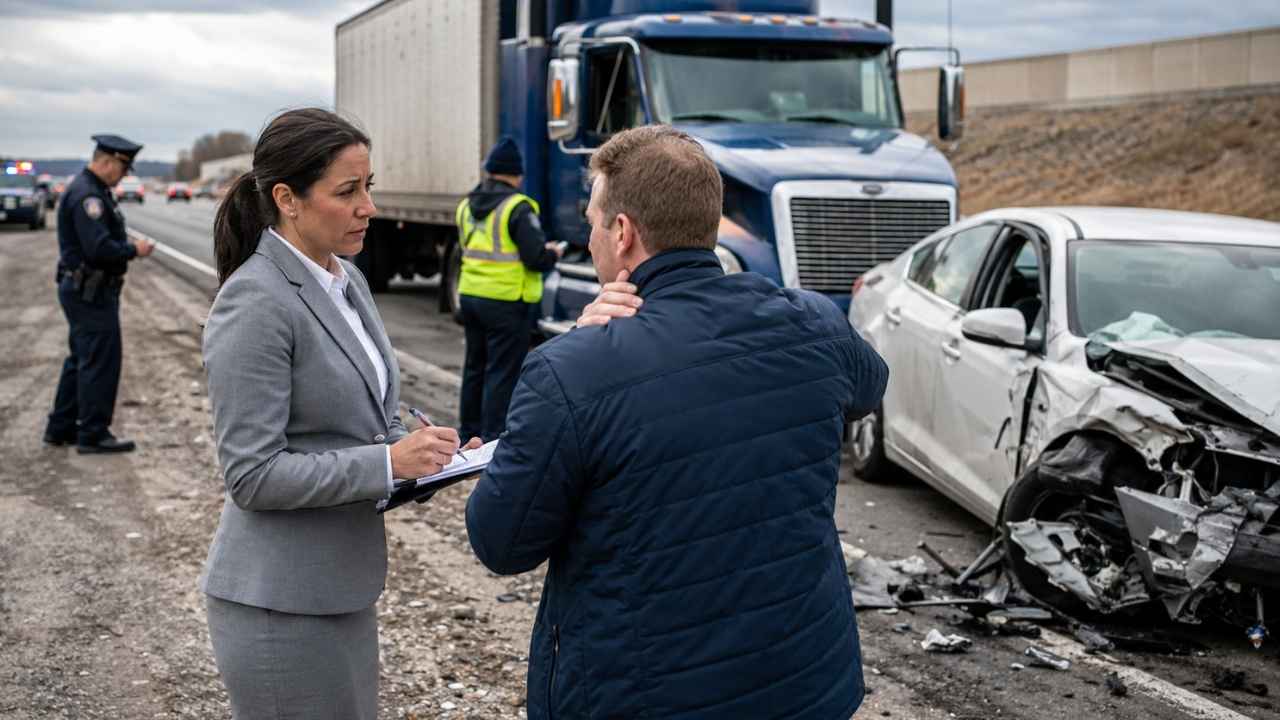
Florida’s highways are among the busiest in the country, carrying countless passenger vehicles alongside commercial trucks that keep goods moving throughout the state. While these large vehicles play a vital role in the economy, collisions involving them can have life-changing consequences for drivers, passengers, and their families. The aftermath of a serious truck accident often brings overwhelming medical, financial, and legal challenges, making it difficult to know where to turn for reliable guidance.
For individuals pursuing a truck crash claim in Fort Lauderdale, having knowledgeable legal counsel can make navigating this process far less daunting. With dedicated advocacy, injured victims can seek accountability and pursue the compensation needed to move forward with confidence.
Early Case Review
In the first days after impact, records may change quickly, and trucks can return to service. Legal review helps preserve photos, police findings, emergency care notes, and witness details before memories fade. Anyone pursuing a truck crash claim may also face carrier investigators who begin gathering defense material almost immediately.
Preserving Key Evidence
Truck claims often turn on the carrier’s records. Truck accident lawyers request driver logs, inspection forms, repair histories, dispatch notes, dash camera footage, and electronic control data. Preservation letters place companies on notice before material is erased, altered, or lost. That proof can show speed, braking, fatigue, route pressure, and equipment condition.
Identifying Liable Parties
Fault rarely stops with one person. A driver may have violated traffic rules, while a carrier may have ignored training gaps or unsafe schedules. Repair contractors can miss worn brakes, steering defects, or tire damage. Cargo crews may create hazards through poor loading. Lawyers compare each role with contracts, safety duties, and crash evidence.
Reviewing Driver Conduct
Driver conduct receives close review because seconds matter before impact. Lawyers examine fatigue signs, phone use, lane position, speed, impairment, and missed traffic signals. Delivery timelines, fuel receipts, electronic logs, and messages can reveal pressure behind unsafe choices. A careful chronology connects conduct on the road with the injuries documented after the wreck.
Studying Vehicle Condition
Heavy trucks require scheduled inspections and prompt repairs. Lawyers study maintenance logs, defect reports, brake service records, tire purchases, and invoices. Mechanical failure can lengthen the stopping distance or limit steering control. Engineers or reconstruction experts may inspect damaged parts before disposal, resale, or repair, as changes to the physical evidence may alter the evidence.
Analyzing Cargo Problems
Cargo issues can turn a trailer into an unstable hazard. Excess weight, poor securement, and uneven distribution can cause rollovers, jackknife events, or sudden sway. Lawyers review weight tickets, bills of lading, warehouse procedures, and loading instructions. Those documents may point to a shipper, loader, broker, or carrier.
Calculating Medical Losses
Medical valuation requires more than the first hospital bill. Lawyers gather ambulance notes, imaging results, surgical records, therapy plans, medication lists, and physician opinions. Future care may include rehabilitation, injections, assistive devices, counseling, or later procedures. Clear documentation keeps insurers from minimizing trauma that affects mobility, cognition, sleep, or daily function.
Measuring Income Loss
A truck crash can interrupt earnings long after discharge. Lawyers collect pay records, tax returns, employer letters, disability notes, and documentation of missed shifts. Self-employed clients may need invoices, contracts, calendars, and profit summaries. When injuries reduce future capacity, vocational and economic experts can estimate the loss of career value.
Handling Insurance Pressure
Insurers often request recorded statements or fast settlements. Lawyers manage those contacts and keep communication tied to verified facts. They also review policy limits, excess coverage, corporate relationships, and possible defendants. Careful handling helps prevent statements from being used unfairly against an injured person.
Building Negotiation Value
Settlement discussions gain strength from organized proof. Lawyers prepare demand packages that include liability evidence, medical summaries, wage calculations, photos, expert findings, and details about pain or functional limitations. Good documentation gives adjusters fewer opportunities to discount losses. If the offer remains too low, filing suit may be the next step.
Filing a Lawsuit
Some cases require litigation to obtain full records. Lawyers file the complaint, serve defendants, request documents, question witnesses under oath, and work with experts. Court deadlines create structure and pressure. A lawsuit can also uncover internal safety audits, driver messages, training materials, and corporate policies that were unavailable earlier.
Final Thoughts
Truck crash lawyers pursue serious collision claims through early preservation, disciplined investigation, careful damage analysis, and steady insurer communication. Their work links driver choices, company practices, vehicle condition, and cargo handling to real injuries and financial loss. Each step strengthens the demand for payment. For injured people and families, that structure can reduce confusion and support recovery after a major crash.