

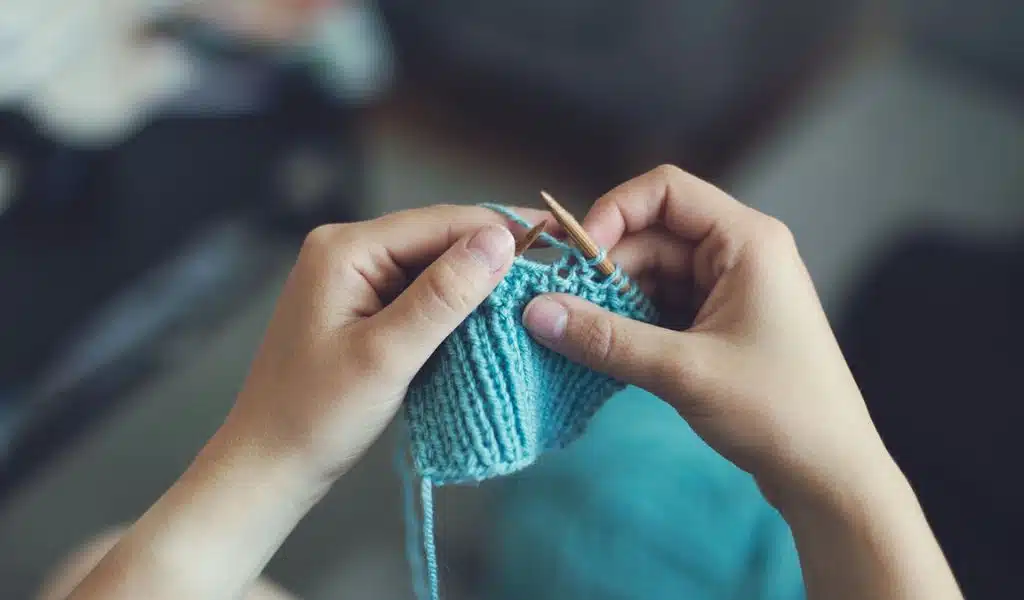
Crafting is a wonderful hobby that many people enjoy, but have you ever thought about turning your passion into a thriving business?
Whether you’re looking for a second income or to replace your current job, monetizing your hobby is a great way to make extra money doing what you love.
It may seem daunting, but with the right approach and hard work, you can make your crafting hobby a successful venture. Here are seven top tips to help you turn crafting into a thriving business.
1. Identify your Target Market
Identifying your niche is the first step in turning your craft hobby into a business. Figure out what type of crafting you enjoy most and make your products unique. If you enjoy woodworking, you could specialize in creating custom furniture. Once you have identified your niche, you can focus on developing high-quality products that appeal to your target market.
2. Create a Business Plan
Once you have identified your niche, creating a business plan is essential. It should include your marketing strategy, target market, and projected income. Having a clear goal and structured plan will make it easier to keep your business on track and make informed decisions.
3. Keep your Prices Competitive
Pricing your products correctly is crucial for the success of your business. Make sure to research the prices of similar products and competitors to ensure you are pricing your items reasonably. Keep in mind the cost of materials and the time it takes to create each piece when determining your prices. It’s also important to be flexible with your expenses and adjust as needed.
4. Start to Build an Online Presence
In today’s digital age, it’s essential to have a strong online presence. Use social media platforms such as Instagram and Facebook to promote your products and connect with customers. Additionally, consider setting up an online marketplace on Etsy or Amazon Handmade to sell your products. A solid online presence will help you reach a wider audience and make it easier for customers to find and purchase your products.
5. Invest in Tools and Technology
Invest in tools and technology to take your crafting to the next level and keep ahead of your competition. One of the most popular tools purchased by beginners is a Cricut machine – allowing you to create many different projects by hand with hundreds of materials. Learn more with Cricut design tutorials.
Buying certain tools and technology may be more expensive, but it will be worth it in the long run. Once you have the tools and technology, there are plenty of places online to find premium and affordable design resources.
6. Network with other Crafters
Networking with other crafters is a great way to learn from others and gain exposure for your business. Join crafting groups on social media or attend trade shows to connect with other crafters. You can also participate in craft fairs or pop-up markets to get your products in front of potential customers. Networking with other crafters can also be a great way to build relationships and collaborate on projects.
7. Get Feedback
It’s essential to be open to feedback from customers. Listen to what they say and use their feedback to improve your business. You can ask for feedback through social media, email, or in-person interactions. Be open to suggestions and use them to improve your products and business.
Final Thoughts on Turning your Hobby Into a Business
Keep in mind if you have a hobby, you have the potential to make money from it. While anyone can learn sales and marketing techniques, only you know what drives your passion. If you find yourself counting your work hours so you can get home and do what you love, you may have found your ultimate business idea.
In conclusion, turning your crafting hobby into a business takes hard work and dedication. By following these seven top tips, you will be on the right path to success. Remember to identify your niche, create a business plan, build an online presence, network with other crafters, keep your prices competitive, invest in suitable technology and tools, and be open to feedback.






















