

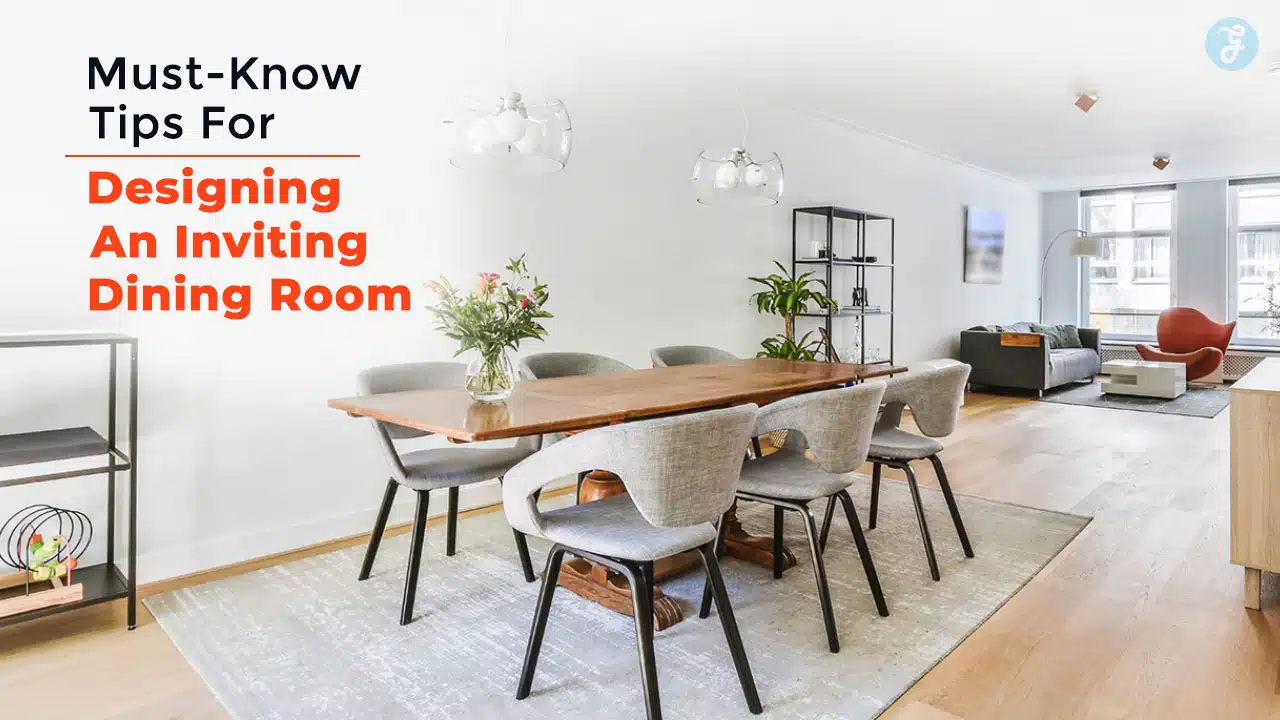
Designing your dream dining area can feel overwhelming! You want something beautiful yet functional, but getting started often causes headaches many homeowners face daily due to unclear steps and too much information at once. I break things down into simple steps so you know where to begin.
Consider the Size and Shape of the Room
The size and shape of your dining room directly affect furniture placement choices. A rectangular table fits long, narrow rooms and makes serving easier. Round tables foster intimacy for small gatherings, and oval shapes blend function with style. Leave at least 36 inches between chairs and walls or furniture to keep the space comfortable and accessible. Measure your space before buying to avoid cramming. Natural light plays a big role—windows create a bright, airy feel, while darker or smaller spaces benefit from balanced artificial lighting. A thoughtful layout maintains an easy traffic flow so guests can move around without bumping into furniture.
Choose the Right Dining Table and Chairs
Pick a table that fits your space without crowding it—think of cozy yet functional chairs that provide comfort and style. The right combination turns meals into moments worth savoring over time!
Match the table to the room size
The right dining table fits your space perfectly without crowding it. A 48-inch long rectangular seating arrangement suits four people comfortably, ideal for smaller rooms. Go bigger with a 120-inch-long layout that fits twelve guests easily if you have extra legroom. Careful planning ensures that the layout works well in a spacious area.
Opt for comfortable and stylish seating
Choose chairs that are both comfortable and attractive. Do not base your choice solely on appearance; comfort matters to keep guests at ease during meals. Pair sleek Scandinavian designs with chairs that offer good back support. Test cushion thickness, backrest angles, and seat width (about 24 inches per person) before buying to ensure lasting comfort and durability.
Layer Your Lighting
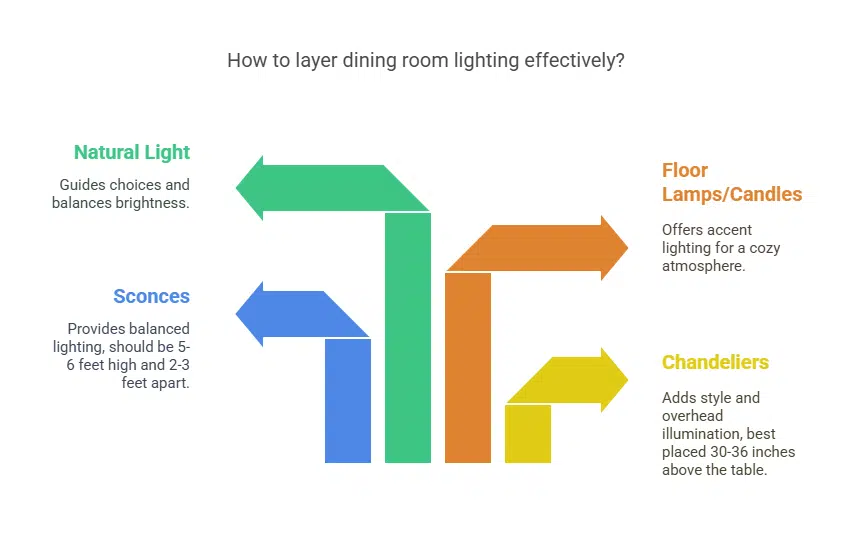
Good lighting makes your dining room shine and creates a warm atmosphere. Use layered lighting from bold fixtures like chandeliers combined with softer options such as floor lamps or candles. Place a chandelier 30-36 inches above the table for the best effect. A capiz or classic chandelier adds style, while sconces hanging 5-6 feet high and spaced 2-3 feet apart create a balanced look. Floor lamps or candles can serve as accent lighting to add a cozy touch. Measure your room to choose the right size fixture that brings a warm, functional feel to meals and gatherings.
Lighting sets the mood in your dining room. Chandeliers, pendants, or recessed lights work well for overhead illumination. Place a chandelier 30-36 inches above the table for the best effect.
A capiz or classic chandelier adds style instantly. Sconces should hang 5-6 feet high and sit 2-3 feet apart. Combine these with floor lamps or candles to layer general and accent light sources.
Let natural light guide your choices and use artificial options to balance brightness at night. Measure your room by its dimensions to find the ideal overhead lighting size. This creates a warm, functional space perfect for meals and gatherings.
Add Color and Texture
Brighten your dining space with bold hues that create an accent without overwhelming guests. An accent wall or artwork adds personality while keeping things chic. Use area rugs, patterned window treatments, and textured cushions to add depth and visual interest.
Incorporate bold accent walls or artwork
Bold accent walls can transform your dining room into a lively space without overwhelming it. Think vibrant colors paired with sleek, monochrome furniture to add personality. Gallery walls filled with family photos can make your home feel unique.
Use rugs, curtains, and upholstery for texture
Rugs add warmth under your dining set; a flatweave option is practical and easy to clean. Curtains soften harsh daylight and complement painted surfaces. Upholstery in rich fabrics pairs well with wood finishes and woven placemats to uplift the dining experience.
Prioritize Comfort
Soft, cushioned chairs make long meals comfortable. Warm materials like velvet or linen add a cozy touch to the space.
Choose soft, cushioned chairs
Soft-cushioned chairs add both style and comfort to your dining room. Allow about 24 inches per person so everyone sits without bumping elbows. Features such as adjustable heights can increase comfort during extended meals. Test cushion thickness and backrest angles before making a final decision.
Use warm, inviting materials
Select upholstery and finishes that create a welcoming atmosphere. Soft fabrics and durable leather cushions combine durability with comfort. Wood finishes paired with woven placemats and rugs enhance the room’s earthy vibe.
Pay Attention to Decor Details
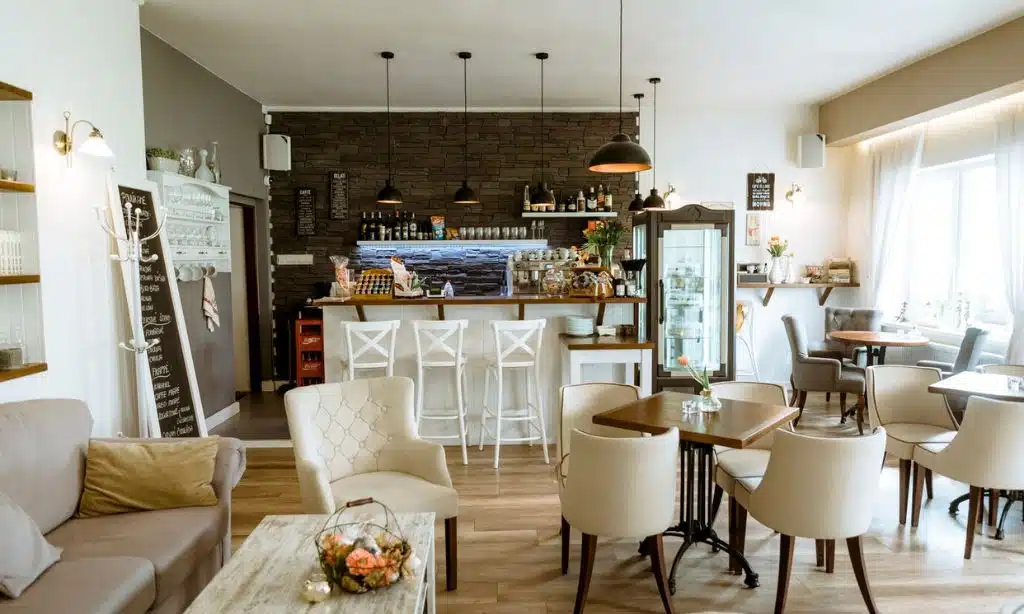
Add greenery, such as small potted plants, to bring a fresh vibe into your dining space. Seasonal centerpieces maintain a lively mood without overwhelming the table.
Add plants or floral arrangements
Plants can bring life into your dining room instantly and improve air quality. Place them on side tables near windows to capture natural light. Elegant vases filled with sprigs like eucalyptus add a decorative touch.
Use personalized or seasonal table settings
Personal touches, such as handwritten place cards paired with polished silverware on fresh linen, make your dining area feel special for any event. Thoughtful details enhance the overall atmosphere and spark engaging conversation.
Balance Functionality and Style
Choose furniture that serves both function and style. Sideboards can offer decorative storage while keeping the space clutter-free.
Include storage solutions like sideboards or cabinets
Storage solutions such as sideboards or cabinets enhance both practicality and design in your dining room. Assess your storage needs for items like dinnerware, glassware, and linens to decide on the best option. Take precise measurements to ensure cabinets fit without crowding the room. Features like adjustable shelves or built-in wine racks add extra functionality, and open shelves or glass-front cabinets display decorative items attractively.
Ensure the space allows easy movement
A rectangular table works best in large rooms because it maximizes flow without squeezing guests. For smaller spaces, a round table can offer extra room. Maintain at least 36 inches of clearance between furniture and walls so that guests have enough space to move comfortably.
Takeaways
Designing an inviting dining room blends practicality with personality; it is about making meals memorable without overcomplicating things.
Enter Sarah Collins—a seasoned interior designer specializing in home spaces. She earned her degree at Parsons School Design fifteen years ago and has worked on prestigious projects around the world. Her work in effective spatial planning, ergonomic furnishings, and sustainable material choices makes her insights credible in interior design circles. Sarah emphasizes that careful attention to sizes, shapes, furniture placement, layered lighting, striking contrasts, textures, and thoughtful decor accents can elevate a dining room’s vibe. She encourages the use of versatile pieces and multi-functional fixtures to maximize usability while reducing clutter.
FAQs on Must-Know Tips For Designing An Inviting Dining Room
1. What makes a dining room design inviting?
An inviting dining room uses layered lighting, natural light, and thoughtful furniture placement. Add window treatments for style and comfort.
2. How can I improve my dining room’s color palette?
Choose warm tones or soft neutrals for the walls. Pair them with a table runner or tablecloth in complementary shades to tie the look together.
3. Why is layered lighting important in interior design?
Layered lighting creates depth and mood. Use ceiling lights, lamps, and candles to make your dining space feel cozy and functional at any time of day.
4. Should I focus on natural light when designing my dining room?
Absolutely! Natural light brightens the space and makes it feel welcoming. Use sheer curtains or blinds as window treatments to let light in while maintaining privacy.
5. How does furniture placement affect the dining room’s vibe?
Proper furniture placement ensures easy movement and a balanced layout. Keep the table centered, leave enough walking space, and arrange chairs comfortably around it.





















