
Finland, known for its stunning landscapes, high standard of living, and strong economy, has become an attractive destination for real estate investment. Whether you are looking for a peaceful countryside retreat, an urban apartment in Helsinki, or a rental property, understanding the process is crucial.
This guide explores the key things to know before buying property in Finland to ensure a smooth and informed investment.
Investing in Finnish real estate can be highly rewarding, but buyers must navigate specific legal, financial, and logistical challenges.
From taxes to rental regulations, knowing the details can save time and money.
1. Can Foreigners Buy Property in Finland?
One of the most important things to know before buying property in Finland is whether foreigners are allowed to purchase real estate.
The good news is that Finland has an open property market for most foreign buyers. However, there are certain restrictions:
- EU/EEA citizens face no restrictions on purchasing real estate and can buy property without special permission.
- Non-EU/EEA citizens can buy properties but require permission from the Ministry of Defence for land purchases outside urban areas, which can add a layer of bureaucracy.
- Certain properties near military zones may have stricter regulations and require special government approval.
- The Finnish government has been reviewing regulations to ensure foreign property purchases align with national interests.
| Buyer Type | Restrictions | Approval Needed? |
| EU/EEA Citizens | No restrictions | No |
| Non-EU/EEA Citizens | Approval for rural land | Yes, from Ministry of Defence |
| Near Military Zones | Strict regulations | Yes, special approval required |
This makes it essential to check the legal aspects before proceeding with a purchase.
2. Understanding the Finnish Real Estate Market

If you’re considering an investment, understanding the real estate market trends is one of the crucial things to know before buying property in Finland.
The Finnish market has remained relatively stable over the years, with prices fluctuating based on demand, economic conditions, and regional growth.
Urban areas continue to see price increases, whereas rural properties remain more affordable but may lack infrastructure and public services.
Market Trends:
- Helsinki, Espoo, and Tampere are the most in-demand areas, offering strong rental demand and high appreciation potential.
- Rural properties tend to be cheaper but may have fewer amenities, making them more suitable for vacation homes or long-term investments.
- The Finnish market is relatively stable, with moderate price growth, making it an attractive option for investors seeking security over rapid gains.
- Demand for eco-friendly and energy-efficient homes is rising, influenced by Finland’s commitment to sustainability.
Urban vs. Rural Investment:
| Factor | Urban Areas (Helsinki, Espoo, Tampere) | Rural Areas |
| Property Prices | Higher due to demand | More affordable |
| Rental Demand | Strong & competitive | Limited |
| Investment Potential | Good for appreciation | Ideal for vacation homes |
| Infrastructure | Well-developed | Limited in remote areas |
| Public Transport | Extensive networks | Less availability |
3. The Buying Process in Finland
The property purchasing process in Finland is well-structured, but knowing each step ensures a hassle-free experience.
Finland’s legal system is highly transparent, making real estate transactions straightforward for both local and international buyers. However, thorough due diligence is crucial.
Steps to Buying Property in Finland:
- Find a property – Use Finnish real estate portals like Etuovi and Oikotie. Work with a licensed agent for reliable listings.
- Make an offer – Negotiation is common in Finland. The seller may counter your initial bid.
- Sign a preliminary contract – This binds both parties and typically includes a small deposit.
- Secure financing – Ensure mortgage approval if required. Mortgage interest rates in Finland are generally low compared to other EU countries.
- Conduct due diligence – Inspect property history and legal aspects, including unpaid taxes or pending disputes.
- Sign the final contract – This is done in the presence of a notary and must be formally recorded.
- Register ownership – Officially transfer the property to your name via the National Land Survey of Finland.
| Step | Key Actions |
| Find a Property | Browse listings, contact agents |
| Make an Offer | Negotiate price and terms |
| Preliminary Contract | Sign agreement and deposit payment |
| Secure Financing | Apply for mortgage, confirm funding |
| Due Diligence | Inspect legal and structural issues |
| Final Contract | Sign notary-approved sale agreement |
| Ownership Registration | Submit to National Land Survey |
4. Financing and Mortgage Options
One of the key things to know before buying property in Finland is how to finance your purchase.
Many banks in Finland provide mortgages to foreign buyers, but terms vary. Understanding your mortgage eligibility and interest rates is crucial for cost-effective financing.
Mortgage Requirements:
- Proof of stable income and employment history.
- Good credit history, preferably from a European financial institution.
- Down payment (usually 15-30% of the property price, depending on the bank and borrower profile).
- Some banks may require residency status or a Finnish bank account.
Popular Finnish Banks for Mortgages:
- Nordea – Offers flexible loan terms for EU and non-EU buyers.
- OP Financial Group – One of the largest lenders in Finland with competitive interest rates.
- Danske Bank – Provides mortgage solutions tailored for expats and foreign investors.
- S-Pankki – Suitable for first-time buyers with low-interest rates.
| Bank | Mortgage Rate (Approx.) | Special Terms |
| Nordea | 2.5%-3.8% | Requires proof of income |
| OP Financial Group | 2.2%-3.5% | Discounts for long-term clients |
| Danske Bank | 2.8%-4.1% | Expat-friendly policies |
5. Taxes and Additional Costs
Understanding tax obligations is crucial when investing in Finnish real estate. Finland has a transparent tax system that ensures fair transactions.
Knowing these costs beforehand helps buyers avoid unexpected financial burdens.
Overview of Property-Related Taxes:
| Tax Type | Rate | Who Pays? |
| Property Transfer Tax | 2-4% | Buyer |
| Annual Property Tax | 0.41-2% | Owner |
| VAT (New Properties) | 24% | Buyer |
Other costs include notary fees, legal consultation, maintenance charges, and insurance fees. Buyers should budget an additional 5-10% of the property value for these expenses.
6. Legal Aspects and Contracts
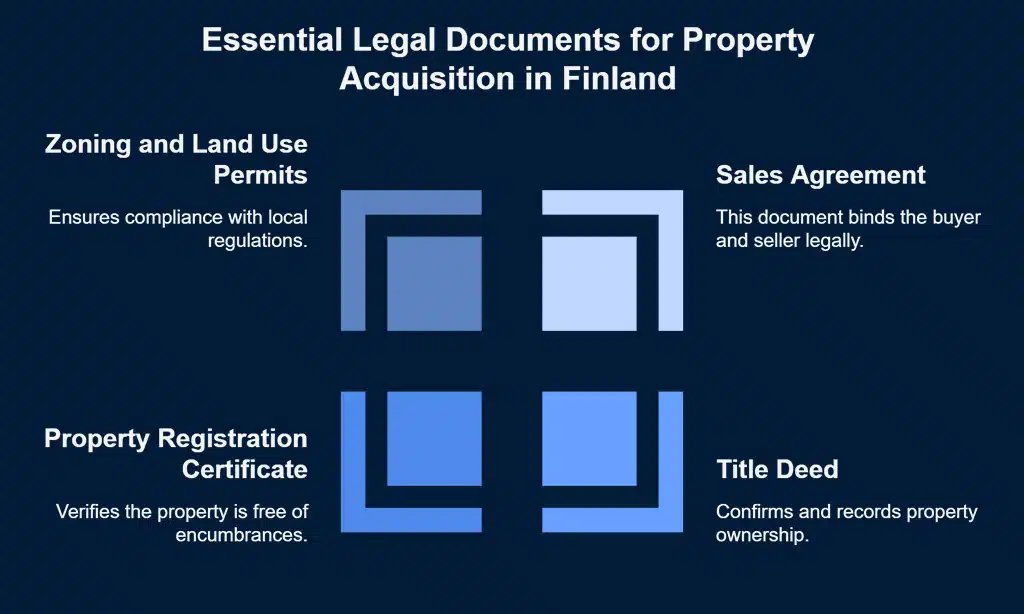
Legal due diligence is essential when buying property in Finland. Buyers should work with a real estate attorney to review all legal documents.
Key Legal Documents:
- Sales Agreement (Kauppakirja) – This legally binds the buyer and seller.
- Title Deed (Kiinteistön Kauppakirja) – Confirms property ownership.
- Property Registration Certificate – Verifies no encumbrances exist.
- Zoning and Land Use Permits – Ensures the property meets local regulations.
7. Renting Out Your Property in Finland
Finland offers a strong rental market, particularly in cities like Helsinki and Espoo. Investors can earn steady income from long-term or short-term rentals. However, taxation on rental income applies.
Rental Taxation:
- Flat tax rate of 30% on rental income for individuals.
- Additional 2% tax for earnings exceeding €30,000 annually.
- Rental agreements must comply with Finnish Tenancy Law, ensuring tenant protection.
| Rental Type | Demand Level | Best Cities |
| Long-term rentals | High | Helsinki, Tampere, Espoo |
| Short-term rentals | Seasonal | Rovaniemi (Lapland), Helsinki |
8. Case Studies: Real Experiences of Foreign Buyers
Case Study 1: Expat Buying in Helsinki
Mark, a UK citizen, bought a one-bedroom apartment in Helsinki for €350,000. He financed 70% through a mortgage with Nordea.
Within three years, property value appreciated by 12%, yielding strong returns.
Case Study 2: Rural Property Investment
Anna, a German investor, purchased a cottage in Rovaniemi for €180,000. She rented it out on Airbnb, earning an average of €2,500 per month during peak seasons.
Despite Finland’s high taxation, she maintained strong profit margins.
Common Hidden Costs:
- Homeowners’ Association Fees – Covers shared services in apartment buildings.
- Heating and Utility Bills – Finland’s cold climate means heating costs can be significant.
- Renovation and Repairs – Older properties may require structural or plumbing updates.
- Insurance Premiums – Comprehensive property insurance is advisable to protect against risks.
| Hidden Cost | Estimated Expense | Notes |
| Homeowners’ Association Fees | €50-€300/month | Varies by property type |
| Heating Costs | €1,000-€3,000/year | Higher in winter months |
| Renovations & Repairs | €5,000-€50,000 | Depends on property’s condition |
| Insurance Premiums | €300-€800/year | Comprehensive coverage recommended |
By factoring in these hidden costs, buyers can make more informed financial decisions and ensure they are fully prepared for property ownership in Finland.
Takeaways
Buying property in Finland can be a rewarding investment, but it’s essential to understand the legal, financial, and market factors before making a purchase.
From securing financing to navigating taxes and rental opportunities, these insights will help ensure a smooth and successful real estate transaction.
Are you planning to buy property in Finland? Consult with a local expert to navigate the process confidently!