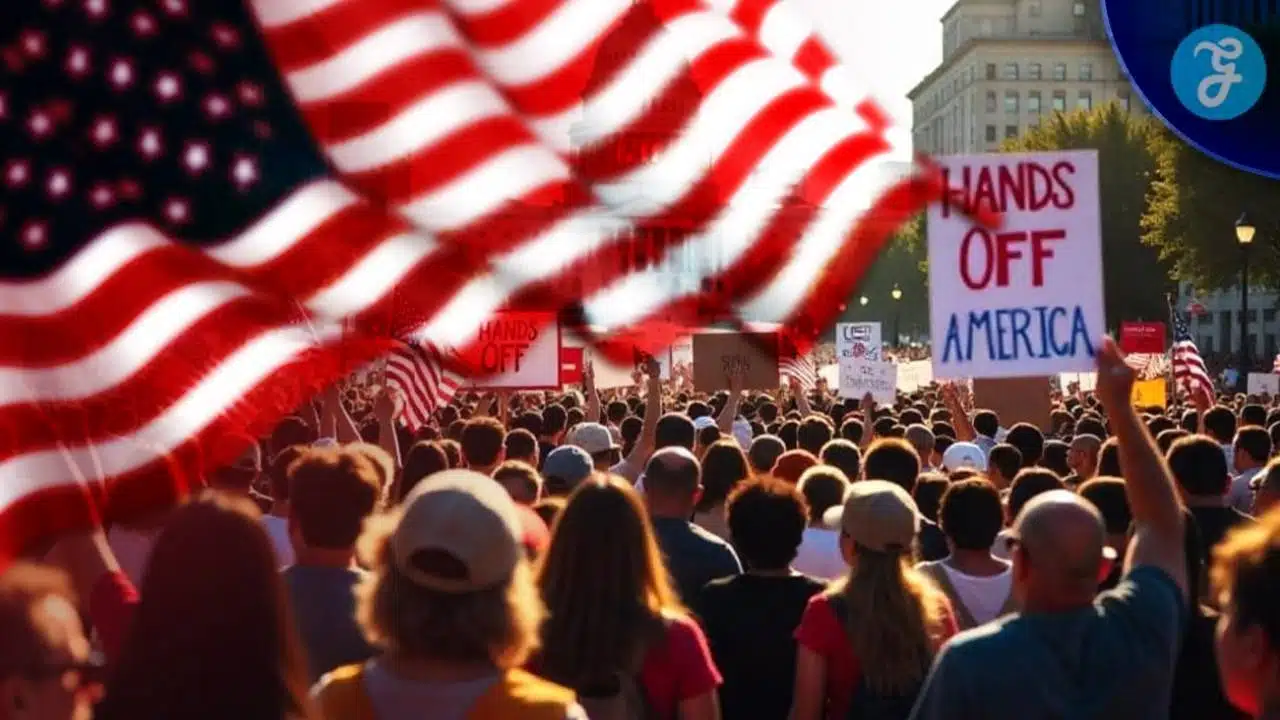
The American workplace is undergoing a transformation that hasn’t been seen in over fifty years. If you look at the news lately, it seems like every week a new group of workers—whether they are making lattes, coding software, or building electric vehicles—is voting to start a union. This movement is not just a fluke or a short-term trend.
It is a fundamental shift in how people view their jobs and their bosses. In this deep dive, we are looking at the core facts behind America’s unionization wave to see why it is happening and where it is going next. People are tired of feeling like just another number on a spreadsheet, and they are finally using their collective voice to demand a bigger piece of the corporate pie.
1. Public Approval Is at a Multi-Decade High
For a long time, unions were seen as something from a bygone industrial era, but that feeling has completely flipped. Recent data shows that more Americans support labor unions now than at any point since the mid-1960s. This surge in popularity gives workers a lot of social confidence when they decide to organize.
When people feel like their neighbors and friends support their right to bargain, they are much more likely to take the risk and start a drive at their own workplace. It has become a mainstream topic of conversation at dinner tables across the country. This shift suggests that the old anti-union talking points simply aren’t landing the way they used to with the average person.
| Time Period | Approval Rating | Cultural View |
| 1960s | 72% | Strong Middle Class Support |
| 1990s | 55% | Viewed as Outdated |
| 2010s | 48% | Post-Recession Skepticism |
| 2024-2026 | 71% | Necessary for Modern Fairness |
The Cross-Partisan Appeal
While labor issues are often framed as a political divide, current trends show support is widening across the board. Even in conservative-leaning areas, workers are starting to see unions as a way to protect local jobs from being shipped away or automated. This broad support makes it harder for companies to use political rhetoric to shut down organizing efforts. People are focusing more on their bank accounts than their political party.
Cultural Influence and Media Portrayal
The way unions are shown in movies and on social media has changed significantly. Instead of being portrayed as corrupt, labor leaders are now being seen as advocates for the common person. This cultural shift has helped normalize the idea of collective bargaining for a whole new generation of workers. It is no longer a “radical” idea; it is seen as a standard part of a healthy economy.
2. Gen Z Is the Most Pro-Union Generation Alive
The youngest people in the workforce are the ones leading the charge for change. Gen Z workers are not just joining unions; they are the ones organizing them from the ground up in industries that never had them before. They have entered a job market that feels incredibly unstable, with high costs for everything from eggs to rent.
To them, a union is not a political statement; it is a practical tool to make sure they can actually afford to live. They grew up watching their parents struggle during economic downturns, and they are determined not to let history repeat itself with their own careers.
| Generation | Support Level | Primary Motivator |
| Baby Boomers | Moderate | Retirement Security |
| Millennials | High | Student Debt Relief |
| Gen Z | Very High | Cost of Living & Values |
Economic Precariousness as a Catalyst
Younger workers are dealing with a level of financial stress that previous generations didn’t face at the start of their careers. When you realize that working full-time at a reputable company still doesn’t cover your basic monthly expenses, you start looking for ways to change the system. This economic reality is a massive engine for America’s unionization wave. They are looking for stability in a world that feels increasingly chaotic.
The Values-Based Workplace
Gen Z also expects their employers to care about the same things they do, like social justice and the environment. They are using unions to force companies to be more ethical in their daily operations. It is not just about the paycheck anymore; it is about making sure the company’s actions match its public marketing. They want to work for a place they can actually be proud of.
3. Organizing Has Moved Beyond the Factory Floor
We used to think of unions only in terms of steel mills or auto plants, but those days are long gone. Today, the most exciting labor battles are happening in coffee shops, tech hubs, and non-profits. We are seeing software engineers at major tech firms and baristas at local cafes realize they have more in common than they thought.
This expansion into the service and knowledge economy is a hallmark of America’s unionization wave. It shows that no matter how much you make or what your title is, everyone wants a say in their working conditions.
| Industry | Notable Recent Successes | Primary Issues |
| Tech | Software Engineers | Job Security & AI Ethics |
| Service | Starbucks & Retail | Scheduling & Base Pay |
| Healthcare | Nurses & Residents | Staffing Ratios & Burnout |
| Media | Digital Journalists | Fair Credit & Layoff Protections |
The White-Collar Union Movement
White-collar workers used to think they didn’t need unions because they had high salaries and perks. But as the tech industry started doing massive layoffs over the last few years, those workers realized they have very little protection on their own. Now, we are seeing a huge interest in collective bargaining from people who work behind computers all day. They want more than just free snacks; they want a contract.
Service Sector Momentum
The service industry was once considered impossible to unionize because of high turnover and part-time schedules. However, workers have found that by organizing entire regions instead of just one store, they can build real power. This sectoral approach is changing the game for retail and hospitality workers everywhere. It is proving that even “temporary” jobs deserve permanent protections.
4. The Wage Gap Is a Primary Catalyst
The math behind the current labor movement is actually quite simple and easy to understand. While worker pay has stayed mostly flat for decades when you account for inflation, CEO pay has gone through the roof. Workers are looking at record-breaking corporate profits and wondering why their own bank accounts are empty at the end of the month.
This sense of unfairness is driving people to the bargaining table to get their fair share of the wealth they help create. They are tired of hearing that there is no money for raises while the people at the top receive multi-million dollar bonuses.
| Metric | 1970s Comparison | 2026 Comparison |
| CEO-to-Worker Ratio | 20-to-1 | Over 350-to-1 |
| Average Worker Wage | Aligned with Productivity | Lagging far behind |
| Corporate Profits | Stable Growth | Record-Breaking Peaks |
Inflation and the Real Wage Crunch
Even when people get a small raise, it often gets eaten up by the rising cost of groceries and gas before they even see it. This makes the stagnation of wages feel even more painful than it already is. America’s unionization wave is largely a reaction to workers feeling like they are running on a treadmill that keeps getting faster. They are organizing just to keep their heads above water in an expensive economy.
The Demand for Profit Sharing
Workers are no longer satisfied with just a standard hourly wage that stays the same regardless of how well the company does. They want to see the success of the corporation reflected in their own compensation packages. Many new union contracts are focusing on profit-sharing models or bonuses tied to the company’s quarterly earnings. This ensures that when the company wins, the people doing the work win too.
5. The “NLRB Shift” Has Changed the Rules of the Game
The government group that handles labor issues, the National Labor Relations Board, has become much more active lately. They have passed new rules that make it a lot harder for companies to stall union elections or fire people for trying to organize.
This change in the way labor disputes are handled has cleared a path for many small unions that would have been crushed in the past. It finally feels like the playing field is being leveled for the first time in a generation. Without these legal protections, many workers would be too afraid to even mention the word union at work.
| Rule Change | Description | Benefit to Worker |
| Cemex Decision | Penalizes illegal union-busting | Faster recognition |
| Election Timelines | Shortened voting periods | Prevents company stalling |
| Captive Audience Bans | Limits mandatory anti-union talks | Less psychological pressure |
Understanding the Cemex Ruling
This is a huge deal that hasn’t received enough mainstream attention. Essentially, if a company breaks the rules during a union election, the NLRB can now force them to recognize the union automatically without a re-vote. This has put a lot of pressure on corporate legal departments to behave more fairly. It takes away the incentive for companies to play dirty during the organizing process.
Faster Election Timelines
In the past, companies could delay a union vote for months or even years while they campaigned against it. New rules have shortened that timeline significantly, which is a major win for labor. When an election happens fast, the workers’ momentum stays high and the company has less time to spread fear. It keeps the focus on what the workers actually want.
6. Social Media Is the New Union Hall
You don’t need a secret meeting in a dark basement to start a union anymore. Today, workers are using private Discord servers, encrypted WhatsApp chats, and even TikTok to organize their efforts. This makes the movement much faster and much harder for companies to track or intercept.
When a union win goes viral on social media, it inspires thousands of other workers to try the same thing at their own jobs. It has turned organizing into a shared cultural experience that anyone can join from their phone.
| Platform | Usage in Labor | Main Advantage |
| Discord/Slack | Daily coordination | Private and instant |
| TikTok/Reels | Sharing success stories | Reaches a massive audience |
| Coworker.org | Starting petitions | Low barrier to entry |
The Power of Viral Storytelling
A single video of a worker standing up to an unfair manager can get millions of views in a single day. This kind of public pressure is something that old-school unions never had at their disposal. It forces companies to be very careful about their public image, as a reputation for mistreating workers can hurt their sales. In the digital age, everyone is watching how a company treats its staff.
Decentralized Leadership
Digital tools allow for a different kind of leadership that is less top-down. Instead of one union boss calling all the shots, modern drives are often led by a committee of regular employees who talk to each other online. This makes the movement feel more authentic and less like it is being pushed by an outside group. It is truly a grassroots effort powered by the people on the front lines.
7. The Rise of “Interest-Based” Bargaining
Unions today are asking for things that go way beyond just higher pay and better health insurance. They are bargaining for the common good, which means they want their companies to take a stand on important social issues. This could include things like carbon neutral goals, better diversity policies, or even how the company treats the local community.
By doing this, unions are showing that they care about the world outside of their office or factory walls. It makes them much more relatable to the general public who also cares about these issues.
| Category | Specific Demand | Outcome |
| Sustainability | Green energy initiatives | Better for the planet |
| Social Equity | Transparent hiring practices | More diverse workforce |
| Community | Local investment funds | Stronger neighborhoods |
Protecting the Community
When a union fights for the common good, they get the whole town on their side. For example, if a teachers’ union asks for smaller class sizes, they aren’t just helping themselves; they are helping the students and the parents too. This strategy is a key part of America’s unionization wave because it builds massive public support. It turns a labor dispute into a community-wide mission for a better future.
Diversity and Inclusion in Contracts
Modern unions are writing specific language into their contracts to ensure that hiring and promotions are fair for everyone. They are becoming a tool for civil rights in the workplace, making sure that marginalized groups have a real voice. This helps create a work environment where everyone feels respected and valued regardless of their background. It is about making sure the “American Dream” is accessible to all workers.
8. Artificial Intelligence Is Creating a New Kind of Anxiety
The rapid rise of AI is one of the biggest reasons people are unionizing in 2026. Whether you write code, work in a warehouse, or create art, there is a lingering fear that a computer program could replace you. Workers are turning to unions to get AI guardrails written into their contracts so that technology is used to help them, not get rid of them.
They want to make sure that the efficiency gains from AI actually benefit the employees and don’t just lead to mass layoffs. This is a brand new frontier for labor negotiations that didn’t exist just a few years ago.
| Job Sector | Specific AI Concern | Negotiated Solution |
| Writing/Creative | AI taking credit | Human-first authorship |
| Warehouse | Algorithmic quotas | Limits on AI monitoring |
| Coding | Auto-replacement | Skill-building programs |
The Fight Against “Bossware”
Many companies now use AI to track every second of a worker’s day, from how many keystrokes they make to how long their bathroom breaks are. Unions are fighting back against this intrusive monitoring, arguing that it treats humans like machines. They want to preserve human dignity in a world that is becoming increasingly automated. Nobody wants to feel like they are being watched by a cold, unfeeling algorithm all day.
Ensuring a Just Transition
As technology changes, workers want to make sure they aren’t just thrown away like old hardware. Unions are negotiating for retraining programs so that if an AI tool takes over part of a job, the worker is taught how to manage that tool. This ensures that progress doesn’t leave people behind. It is about future-proofing careers in an era of rapid technological change.
9. Corporate Resistance Remains Sophisticated

Even with all this momentum, companies are not just sitting back and letting it happen. The union avoidance industry is bigger than ever, with consultants charging thousands of dollars an hour to stop organizing drives. They use clever psychological tactics and “friendly” meetings to convince workers that a union will only make things worse.
They often try to paint the union as a greedy third party that just wants your dues money. It is a high-stakes game of chess where corporations have a lot of resources to spend on keeping things exactly as they are.
| Tactic | Description | Underlying Goal |
| Captive Audience | Mandatory anti-union talks | Spread doubt and fear |
| The “Family” Narrative | “We don’t need a middleman” | Isolate the organizers |
| Targeted Raises | Small pay bumps during a drive | Calm the unrest |
The Love Bomb Strategy
Sometimes, when a company hears about a union drive, they suddenly become the best employer in the world overnight. They might fix the broken breakroom, give out small bonuses, or hold listening sessions with the CEO. The goal is to make the workers feel like they got what they wanted without needing a union contract. However, these changes often disappear once the threat of a union vote has passed.
Legal Stalling and Obstruction
Even after a union wins an election, the company can refuse to sign a contract for years. They might show up to bargaining meetings but never actually agree to anything substantial. This is a common way to tire out the workers and make them lose hope. This is why many labor advocates are pushing for laws that would force a final agreement if the company stalls for too long.
10. The “Striketober” Legacy Lives On
A few years ago, we saw a massive wave of strikes that the media dubbed Striketober. Those strikes taught a new generation of workers that walking off the job actually works when done correctly. Seeing the auto workers or the Hollywood writers win big contracts has given everyone else a practical guide for successful collective action.
It showed that if you are willing to stand together, even the biggest corporations in the world have to listen. That confidence has carried over into 2026, making strikes a more common and effective tool for labor.
| Union | Industry | Key Victory |
| UAW | Automotive | Ended tiered wages |
| SAG-AFTRA | Entertainment | AI usage protections |
| Teamsters | Logistics | Major pay increases |
The End of Two-Tier Systems
One of the biggest wins in recent strikes has been getting rid of two-tier wage systems. This is where newer employees get paid less than older ones for doing the exact same job. Workers realized this was a tactic to keep them divided and jealous of each other. By fighting to end it, they have created more unity across different age groups in the workplace.
Restoring Cost-of-Living Adjustments
In the 1980s, many unions gave up their COLA clauses, which automatically raise pay when inflation goes up. Now, those clauses are coming back in a big way. Workers have seen how fast their money can lose value, and they are making sure their new contracts protect them from future price spikes. It is about making sure a raise actually feels like a raise a year later.
11. Geographic Shifts: The South Is Rising
For decades, the American South was seen as the place where unions go to die because of strict labor laws and cultural resistance. But in 2025 and 2026, we have seen massive wins in states like Tennessee, Georgia, and North Carolina.
Companies moved to the South specifically to find cheaper labor, but the workers there are now saying they want the same pay as people in the North. This geographic expansion is a massive turning point for America’s unionization wave. It shows that the desire for fair treatment isn’t limited by borders or regional politics.
| State | Growing Union Industry | Impact |
| Tennessee | Electric Vehicles | Challenging old norms |
| Georgia | Film & Logistics | Raising the regional floor |
| North Carolina | Tech & Research | Professionalizing labor |
The EV Revolution and Labor
As the country moves toward electric vehicles, many new battery plants are being built in the South. Unions are working incredibly hard to make sure these green jobs are also high-paying union jobs. they argue that the transition to a cleaner economy shouldn’t be built on the backs of low-wage workers. It is an opportunity to revitalize the Southern middle class.
Breaking the Political Stigma
In many Southern communities, unions were once seen as outside agitators that didn’t understand the local culture. That is changing as local workers take the lead in these drives. When a person sees their own cousin or neighbor leading a union drive at the local factory, it becomes much harder for politicians to claim the movement is being forced on them by outsiders. It is becoming a local movement for local people.
12. Membership Numbers Don’t Tell the Whole Story
If you look at the raw statistics, the total percentage of unionized workers is still relatively low compared to the 1950s. However, that number doesn’t show the full picture of what is happening. It doesn’t show the threat effect where non-union companies give their workers raises just to keep them from starting an organizing drive.
Even if you aren’t in a union, you are likely benefiting from America’s unionization wave because your boss is looking over their shoulder at what the union shops are doing. The influence of labor is much wider than the actual membership count suggests.
| Non-Union Company | Recent Pay Raise | Likely Reason |
| Major Retailers | $2-3 hourly bumps | Fear of retail organizing |
| Tech Giants | Expanded benefits | Staying ahead of union drives |
| Logistics Firms | Safety improvements | Competition with Teamsters |
Setting the Market Rate
Unions act as a floor for the entire economy. When a union contract at a major company like UPS sets a high wage for drivers, every other delivery company has to raise their pay to keep their staff from quitting and going to work for the union shop. In this way, America’s unionization wave lifts the boat for everyone, even those who never sign a union card. It creates a ripple effect of better pay across the board.
Political and Legislative Influence
Labor movements also push for laws that help all workers, like higher minimum wages and better safety standards. Even when membership numbers look small on a chart, the political power of these groups is massive because they represent a motivated and organized group of voters. Politicians are starting to realize that they ignore the labor movement at their own peril. It is a powerful force for policy change in Washington and in state capitals.
Final Thoughts
We are clearly entering a new era for the American worker. The old rules where employees were expected to just be grateful for whatever they were given are quickly fading away. Driven by a mix of new technology, economic pressure, and a bold new generation of leaders, America’s unionization wave is proving to be a durable and powerful force for change.
Whether it is about getting a fair share of AI-driven profits or simply making sure a paycheck can cover the basic cost of living, the desire for a voice at work is stronger than it has been in decades. As we look toward the future, expect to see even more industries and regions join this movement, forever changing the landscape of the American economy. The balance of power is shifting, and for the first time in a long time, the workers are the ones holding the cards.
Frequently Asked Questions (FAQs) About America’s Unionization Wave
1. Why is this movement happening now instead of ten years ago?
A perfect storm of high inflation, a tight labor market where workers have more leverage, and a more supportive government has created the ideal conditions. Additionally, the pandemic changed how people view their relationship with work.
2. Does a union guarantee that I will get a raise?
While it doesn’t guarantee a specific amount, union workers on average earn significantly more than non-union workers in the same industry. The main benefit is the legal right to sit at the table and negotiate for that raise rather than just hoping for one.
3. How do companies fight back against America’s unionization wave?
They often hire consultants to run anti-union campaigns, hold mandatory meetings to discourage workers, and sometimes even close stores or fire lead organizers, although the latter is often illegal and carries heavy penalties.
4. Can I be fired for trying to start a union?
Under federal law, it is illegal for an employer to fire, demote, or harass you for supporting a union. However, enforcement can be slow, which is why having a strong group of coworkers standing together is your best protection.
5. What is the role of AI in these new labor contracts?
AI is a top priority. Unions are negotiating for transparency in how AI is used to monitor workers and are seeking guarantees that AI will be used to enhance jobs rather than replace them entirely.
6. Is the movement only happening in large corporations?
No, while big names like Amazon and Starbucks get the headlines, workers at small non-profits, local museums, and even small tech startups are also starting to organize for better conditions and a say in management decisions.