
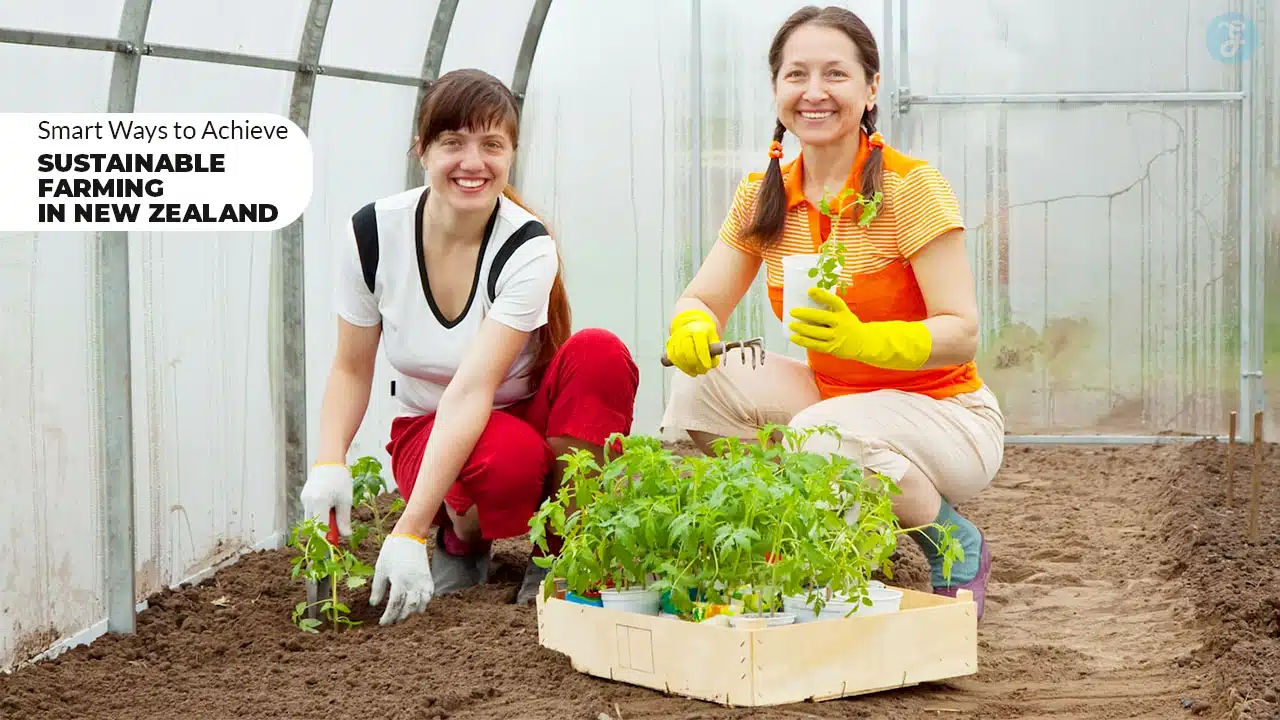
New Zealand has long been known for its lush farmland and strong agricultural industry. However, with climate change, soil degradation, and water scarcity becoming critical concerns, sustainable farming in New Zealand is no longer an option—it’s a necessity. Farmers are now turning to smart solutions that help reduce their environmental footprint while maintaining productivity and profitability.
In this article, we’ll explore 10 smart solutions for sustainable farming in New Zealand. These methods incorporate advanced technology, regenerative practices, and resource-efficient strategies to create a more sustainable future for agriculture.
Sustainable Farming in New Zealand: A Smart Approach
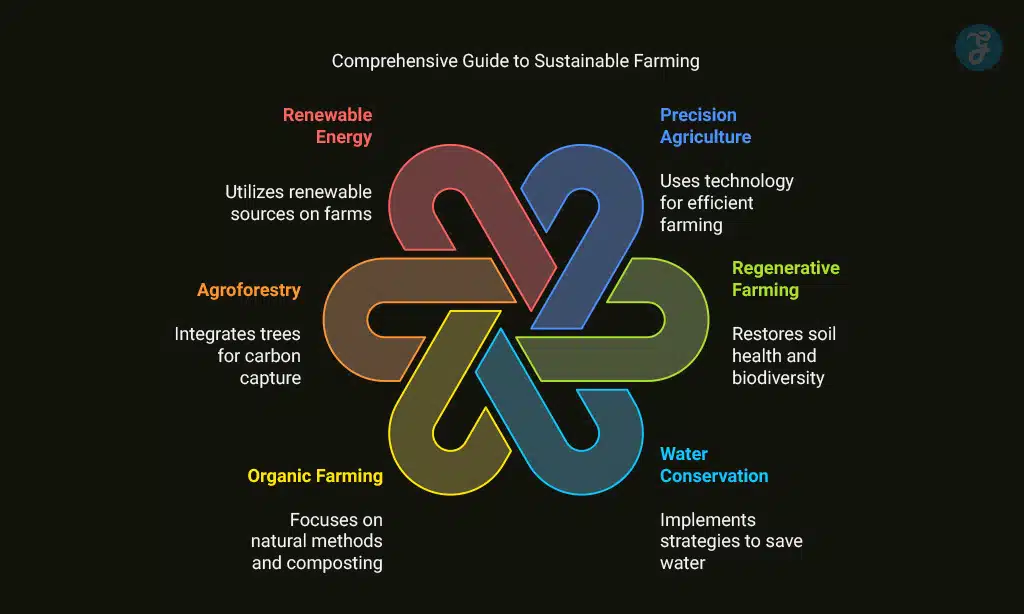
Sustainable farming in New Zealand is more than just a trend; it’s a necessity for the future. By adopting innovative and eco-friendly farming techniques, farmers can boost productivity while reducing environmental harm. This approach ensures food security, protects natural resources, and contributes to climate resilience.
1. Precision Agriculture Technology
Precision agriculture is revolutionizing the way farmers manage their land and crops. By leveraging AI, IoT (Internet of Things), drones, and GPS technology, farmers can make data-driven decisions to improve efficiency and reduce waste.
Key Benefits:
| Solution | Benefits |
| GPS-guided tractors | Reduces fuel consumption and prevents over-application of fertilizers and pesticides |
| Drones & Satellite Imaging | Provides real-time data on soil health and crop conditions |
| IoT Sensors | Monitors moisture levels, nutrient content, and environmental factors |
Pros & Cons:
| Pros | Cons |
| Reduces resource wastage | High initial investment |
| Improves crop yield | Requires technical knowledge |
| Optimizes fertilizer and water use | Connectivity issues in remote areas |
Additional Tips:
- Invest in real-time data analytics software to get the most out of precision farming.
- Start with small-scale trials before fully implementing advanced technologies.
2. Regenerative Farming Practices
Regenerative farming goes beyond sustainability; it actively restores soil health, biodiversity, and ecosystem balance. By using methods like crop rotation, cover cropping, and no-till farming, farmers can improve soil fertility and reduce reliance on synthetic inputs.
Key Practices:
| Practice | Benefits |
| No-till farming | Prevents soil erosion and retains moisture |
| Crop rotation | Improves soil nutrients and reduces pests naturally |
| Cover cropping | Enhances soil organic matter and prevents weeds |
Pros & Cons:
| Pros | Cons |
| Improves long-term soil health | Transition period can be challenging |
| Reduces dependency on synthetic chemicals | Initial costs may be higher |
| Enhances farm resilience | Requires more planning |
Additional Tips:
- Use companion planting to naturally repel pests and improve biodiversity.
- Implement holistic grazing for livestock to improve soil health.
3. Water Conservation Strategies
Water is a limited resource, and sustainable farming requires efficient water management. Implementing smart irrigation systems, rainwater harvesting, and soil moisture monitoring can significantly reduce water waste.
Key Techniques:
| Strategy | Benefits |
| Drip Irrigation | Uses 30-50% less water than traditional methods |
| Rainwater Harvesting | Provides an additional water source, reducing reliance on groundwater |
| Soil Moisture Sensors | Helps prevent overwatering and optimizes irrigation schedules |
Pros & Cons:
| Pros | Cons |
| Reduces water waste | Requires upfront investment |
| Enhances drought resistance | Some systems need maintenance |
| Lowers irrigation costs | May not be viable for all farm types |
Additional Tips:
- Use mulching techniques to retain soil moisture and reduce evaporation.
- Consider gray water recycling for irrigation when feasible.
4. Organic and Biodynamic Farming
Consumers are demanding cleaner, healthier food, leading to a rise in organic and biodynamic farming. These methods eliminate synthetic fertilizers and pesticides, focusing on natural composting, crop diversity, and biological pest control.
Key Benefits:
| Method | Benefits |
| Organic composting | Enriches soil with natural nutrients |
| Natural pest management | Reduces chemical pesticide use |
| Biodynamic cycles | Enhances soil vitality with lunar and seasonal rhythms |
Pros & Cons:
| Pros | Cons |
| Healthier soil and crops | Higher labor intensity |
| No synthetic chemicals | Transition period can lower yields |
| Meets increasing consumer demand | Can be more expensive for farmers |
Additional Tips:
- Rotate livestock across fields to naturally fertilize the soil.
- Implement permaculture design principles to enhance farm efficiency.
5. Agroforestry and Carbon Sequestration
Agroforestry integrates trees and shrubs into farming systems, improving biodiversity, carbon capture, and soil protection.
Key Benefits:
| Method | Benefits |
| Silvopasture | Enhances soil fertility and animal welfare |
| Windbreaks | Protects crops and livestock from harsh weather |
| Carbon farming | Helps in capturing and storing carbon emissions |
Pros & Cons:
| Pros | Cons |
| Enhances ecosystem resilience | Requires long-term planning |
| Increases carbon sequestration | Can reduce immediate land usability |
| Supports diversified income streams | Initial tree growth takes time |
Additional Tips:
- Consider native tree species that thrive in local climate conditions.
- Implement multilayer planting to maximize land efficiency.
6. Renewable Energy Integration in Farms
Using solar panels, wind turbines, and biogas digesters helps farms become energy-efficient while reducing environmental impact.
Key Benefits:
| Technology | Benefits |
| Solar Panels | Reduces electricity costs and carbon footprint |
| Wind Turbines | Provides renewable energy for farm operations |
| Biogas Digesters | Converts farm waste into usable energy |
Pros & Cons:
| Pros | Cons |
| Decreases reliance on fossil fuels | High upfront investment |
| Reduces operational costs | Energy storage challenges |
| Supports government sustainability incentives | Requires periodic maintenance |
Additional Tips:
- Explore government subsidies for renewable energy adoption.
- Use battery storage systems to maintain energy efficiency.
7. Sustainable Livestock Management
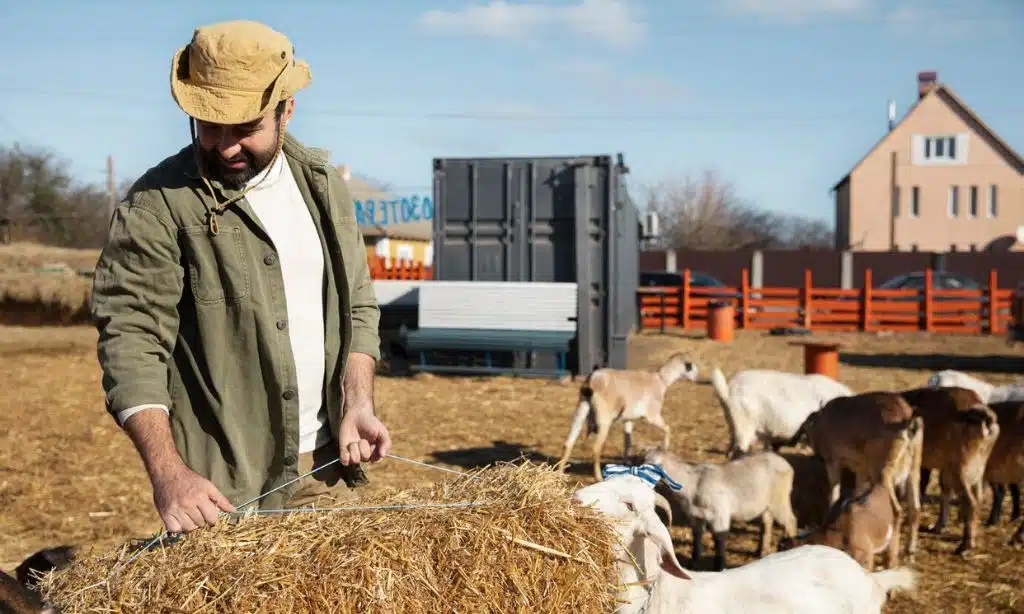
Sustainable livestock farming involves rotational grazing, improved animal feed, and methane reduction techniques to create a balance between food production and environmental responsibility. Sustainable farming in New Zealand must consider livestock management for long-term viability.
Key Strategies:
| Strategy | Benefits |
| Rotational Grazing | Enhances soil fertility and prevents overgrazing |
| Methane-reducing Feed | Reduces greenhouse gas emissions from livestock |
| Animal Welfare Practices | Improves livestock health and productivity |
Pros & Cons:
| Pros | Cons |
| Reduces methane emissions | May require significant investment |
| Enhances soil health | Requires regular monitoring |
| Improves long-term sustainability | Transitioning can be complex |
Additional Tips:
- Use seaweed-based feed additives to naturally reduce methane emissions.
- Implement integrated grazing systems to maximize land efficiency.
8. Vertical Farming and Urban Agriculture
As land availability decreases, vertical farming and urban agriculture offer sustainable solutions for food production using hydroponics, aeroponics, and controlled-environment farming.
Key Technologies:
| Technology | Benefits |
| Hydroponics | Uses 90% less water than traditional soil farming |
| Aeroponics | Grows plants in mist environments with minimal resources |
| Indoor Vertical Farming | Maximizes space for food production in urban areas |
Pros & Cons:
| Pros | Cons |
| Requires less water and land | High setup and maintenance costs |
| Allows year-round farming | Requires artificial lighting |
| Reduces transportation emissions | Limited crop variety |
Additional Tips:
- Utilize LED lighting to improve energy efficiency in indoor farms.
- Implement automated monitoring systems for precise nutrient management.
9. Sustainable Supply Chain & Farm-to-Table Initiatives
Shortening the food supply chain reduces carbon footprint, food waste, and transportation costs, benefiting both farmers and consumers. Ensuring sustainable farming in New Zealand means improving farm-to-table efficiency.
Key Approaches:
| Approach | Benefits |
| Local Food Markets | Supports local economies and reduces emissions |
| Blockchain for Transparency | Ensures ethical and sustainable sourcing |
| Direct-to-Consumer Sales | Provides better pricing for farmers and consumers |
Pros & Cons:
| Pros | Cons |
| Strengthens local economies | Requires strong logistics |
| Reduces food waste | Limited scalability |
| Encourages sustainable consumer habits | Higher dependency on local demand |
Additional Tips:
- Partner with restaurants and retailers to promote farm-to-table produce.
- Use eco-friendly packaging to minimize environmental impact.
10. Government Policies and Farmer Incentives
New Zealand’s government offers grants, subsidies, and policy support to encourage sustainable agricultural practices.
Key Programs:
| Policy | Benefits |
| Sustainable Land Management Fund | Provides grants for eco-friendly farming projects |
| Greenhouse Gas Reduction Plan | Supports carbon-neutral farming efforts |
| Water Quality Protection Initiative | Funds projects that improve water management |
Pros & Cons:
| Pros | Cons |
| Encourages sustainable practices | Application processes can be complex |
| Provides financial support | Some programs have limited availability |
| Promotes environmental stewardship | Requires adherence to strict guidelines |
Additional Tips:
- Stay updated on government grants and subsidies that support sustainability.
- Engage in policy discussions to advocate for farmer-friendly environmental regulations.
Final Words
By embracing these 10 smart solutions, farmers can ensure sustainable farming in New Zealand remains profitable, resilient, and environmentally responsible. Sustainable farming isn’t just about preserving nature—it’s about creating a long-term, thriving food system for future generations. Through the adoption of smart farming techniques, sustainable farming in New Zealand can continue to support economic growth while protecting natural resources.