

As African economies adapt to global financial trends and the ripple effects of recent U.S. trade tariffs, the value of local currencies is under renewed scrutiny. Many African currencies are closely tied to their export sectors, particularly commodities such as oil, gold, diamonds, and agricultural products. In 2025, a blend of political stability, fiscal discipline, and resource wealth plays a key role in strengthening the value of these currencies.
What Determines the Strength of a Currency?
According to Daniel Kathali, a regional economist and financial analyst, the strength of a currency is shaped by several interlinked factors that reflect a country’s overall financial health and international competitiveness. These include:
Key Drivers of Currency Strength
| Factor | Description |
| Economic Performance | GDP growth, trade surplus, and low inflation strengthen currency value. |
| Central Bank Policy | Higher interest rates attract foreign capital, boosting demand for local currency. |
| Political Stability | Political consistency supports investor confidence, stabilizing exchange rates. |
| Export Revenues | Countries with strong exports of oil, diamonds, or tourism services tend to have stronger currencies. |
| Foreign Exchange Reserves | Larger reserves offer central banks more power to stabilize their currencies. |
The Strongest African Currencies in 2025
1. Tunisian Dinar (TND)
- Exchange Rate: ~3.01 TND = 1 USD
- Why it’s Strong: Tunisia’s currency remains the most valuable in Africa, backed by sound monetary policy, controlled inflation, and a resilient tourism sector. Despite facing structural economic challenges, the Central Bank of Tunisia has maintained a relatively tight control over the dinar’s fluctuation.
2. Libyan Dinar (LYD)
- Exchange Rate: ~5.50 LYD = 1 USD
- Why it’s Strong: Libya’s vast oil reserves continue to support the dinar. While the country struggles with political unrest, oil exports have stayed relatively stable, providing crucial foreign exchange inflows that prop up the currency.
3. Moroccan Dirham (MAD)
- Exchange Rate: ~9.30 MAD = 1 USD
- Why it’s Strong: Morocco’s diversified economy—spanning agriculture, tourism, and renewable energy—has helped maintain the strength of the dirham. The country’s solid trade partnerships with Europe and prudent fiscal policies add to the currency’s resilience.
4. Botswana Pula (BWP)
- Exchange Rate: ~13.90 BWP = 1 USD
- Why it’s Strong: Botswana continues to benefit from its diamond mining sector, one of the most important in the world. The Pula also enjoys low inflation, fiscal responsibility, and strong institutions, contributing to investor confidence.
5. Seychellois Rupee (SCR)
- Exchange Rate: ~13.80 SCR = 1 USD
- Why it’s Strong: Seychelles’ booming tourism industry, combined with a strong fisheries sector, supports its economy. The Central Bank has implemented effective exchange rate regimes, helping stabilize the rupee.
6. Eritrean Nakfa (ERN)
- Exchange Rate: ~15.00 ERN = 1 USD
- Why it’s Strong: The Nakfa is tightly controlled by the government, with a fixed exchange rate policy. While this limits market flexibility, it also keeps volatility in check. Eritrea’s currency strength is more policy-driven than market-based.
7. Namibian Dollar (NAD)
- Exchange Rate: ~18.50 NAD = 1 USD
- Why it’s Strong: The NAD is pegged to the South African Rand, which lends it stability. Namibia’s mining sector, particularly uranium and diamonds, contributes significantly to its foreign exchange earnings.
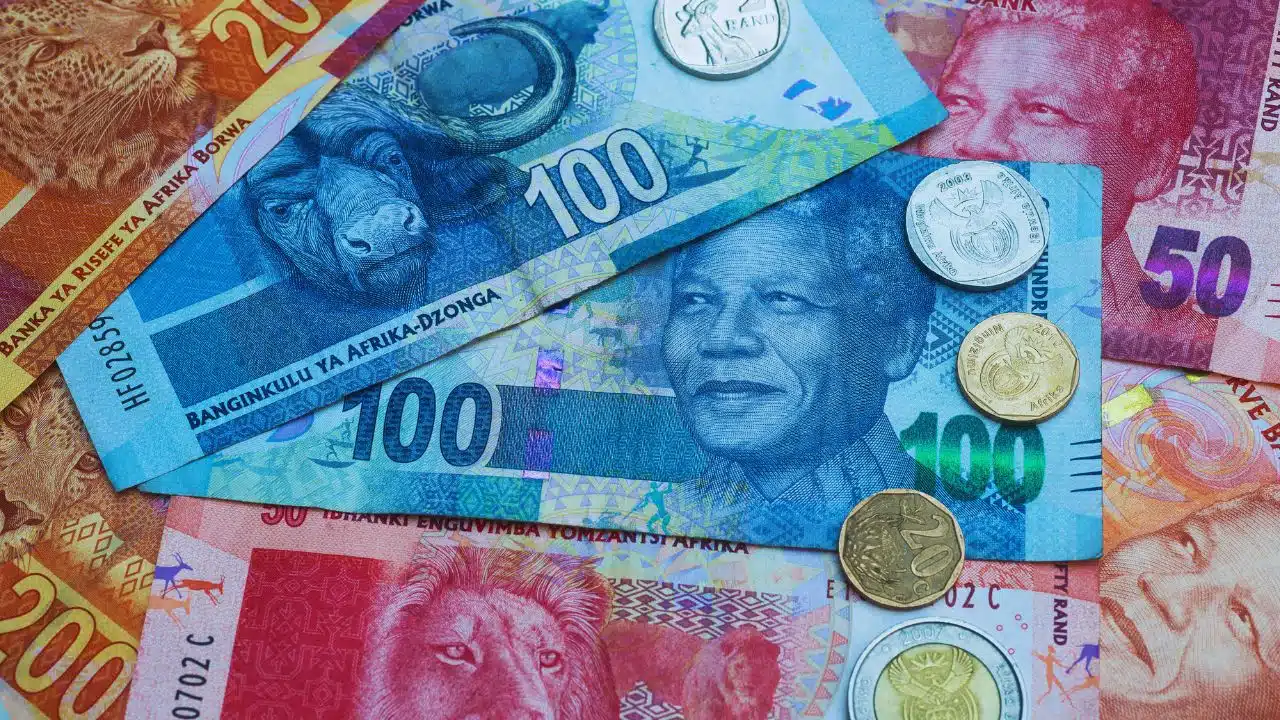
8. South African Rand (ZAR)
- Exchange Rate: ~18.80 ZAR = 1 USD
- Why it’s Strong: Despite facing volatility due to U.S. tariff policies and domestic political challenges, the rand remains one of the most traded African currencies. South Africa’s diverse economy, developed financial sector, and resource base help retain investor interest.
9. Eswatini Lilangeni (SZL)
- Exchange Rate: ~19.27 SZL = 1 USD
- Why it’s Strong: Like Namibia, Eswatini’s currency is pegged to the South African Rand. Its economy, though small, is stable and supported by agriculture, sugar exports, and manufacturing, particularly in textiles.
10. Ghanaian Cedi (GHS)
- Exchange Rate: ~19.50 GHS = 1 USD
- Why it’s Strong: Ghana’s cedi has lost about 5.3% of its value in early 2025, but still holds a top 10 spot due to the country’s oil and cocoa exports. Ghana faces inflationary pressure, but the government’s push toward macroeconomic reform may support a long-term currency rebound.
Currency Trends to Watch in 2025
As the global financial landscape evolves—particularly with U.S. tariff shifts, oil price fluctuations, and changing investor confidence—African currencies will need to navigate a complex mix of internal and external factors.
Countries that diversify their economies, maintain monetary discipline, and strengthen exports are more likely to retain currency strength. Meanwhile, currencies tied to commodities may remain vulnerable to international market shocks, highlighting the importance of fiscal resilience.
The Information is Collected from Tuko News and MSN.





















