

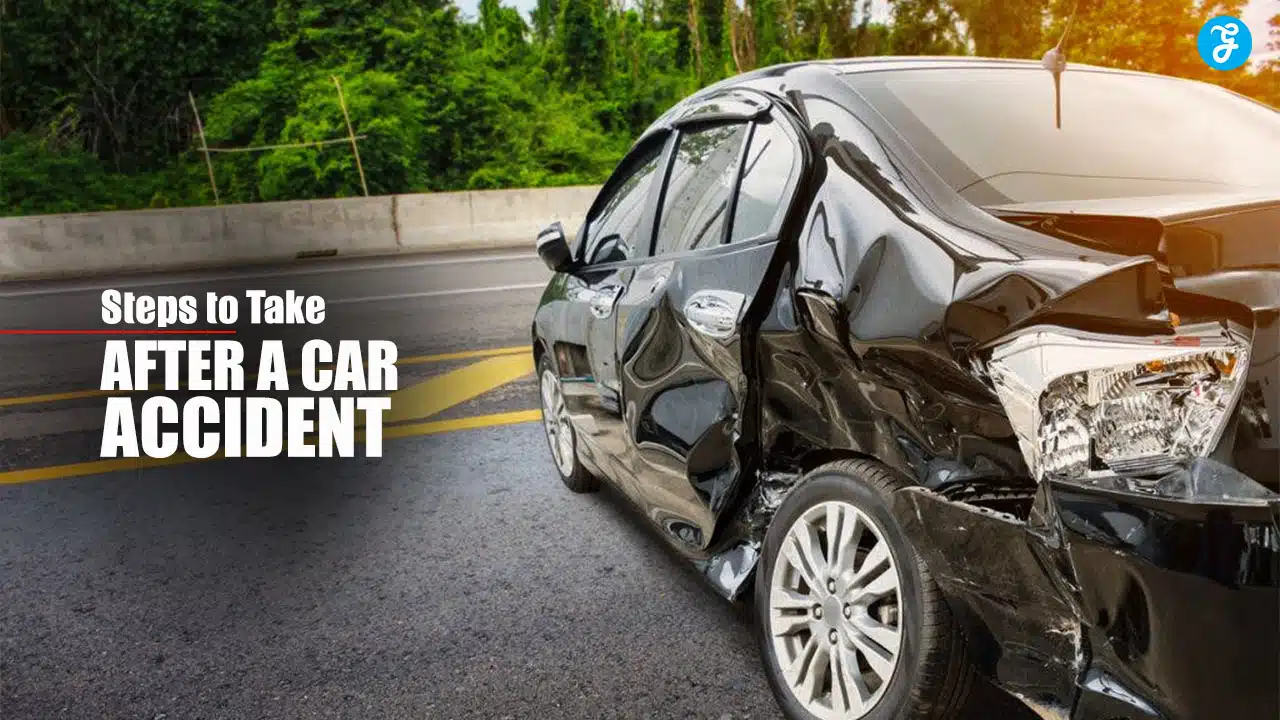
A car accident can be a traumatic and overwhelming experience, but knowing what steps to take immediately afterward can make all the difference in ensuring your safety, protecting your legal rights, and securing the best possible outcome for any claims or legal matters that may follow.
Whether it’s a minor fender-bender or a serious collision, it’s essential to stay calm and follow a structured process.
This comprehensive guide will walk you through the 20 crucial steps you should take after a car accident, covering everything from ensuring your safety to dealing with insurance and legal aspects.
By following these steps, you’ll be able to handle the situation confidently and avoid common mistakes that could complicate your recovery or affect your insurance claim.
Why Knowing What to Do After a Car Accident is Important
After a car accident, emotions run high, and it’s easy to feel disoriented. However, the steps you take immediately following the accident can have a significant impact on your safety, your ability to get compensated, and your legal standing.
Knowing what to do can help you stay organized and ensure that you don’t miss any important details that could affect the outcome of an insurance claim or legal case.
Legal and Financial Consequences
Car accidents often lead to insurance claims, medical bills, car repairs, and sometimes lawsuits. If you’re not well-prepared, you could face legal complications, delayed compensation, or denied claims. Taking the right steps ensures that you gather the necessary evidence, protect your rights, and provide accurate information to insurance companies and authorities.
Let’s dive into the 20 essential steps to follow after a car accident.
1. Check for Injuries and Ensure Safety

The first and most important step after a car accident is to check if anyone involved has been injured. Your safety and the safety of others should always be the top priority. Even if the accident seems minor, injuries such as whiplash, concussions, or internal damage can occur without immediate symptoms.
How to Ensure Everyone’s Safety
- If possible, move your vehicle to the side of the road to prevent further accidents, but only if it’s safe to do so.
- Turn on your hazard lights to alert other drivers of the situation.
- Check on your passengers and the occupants of other vehicles to assess injuries.
- If someone is injured, call emergency services immediately and provide them with as much information as possible.
Staying calm and focusing on safety can prevent the situation from worsening and ensure that help arrives quickly.
2. Call Emergency Services
Even in a minor accident, it’s always a good idea to contact emergency services. In the UK and many other countries, you are required by law to report any accident that involves injuries or significant property damage.
Emergency responders can provide immediate medical assistance, assess the situation, and file a police report, which can be crucial for your insurance claim.
Information to Provide to Emergency Services
When calling emergency services, be ready to provide:
- Your location: Give them your exact address or use your phone’s GPS to pinpoint your location.
- A description of the accident: Inform them about the number of vehicles involved, whether there are injuries, and the severity of the accident.
- Any injuries: Mention whether anyone is hurt and if they need immediate medical attention.
Getting professionals to the scene ensures that injuries are treated promptly and the accident is documented by authorities.
3. Move to a Safe Location
Staying in the middle of the road after an accident can be dangerous for you and other drivers. If your car is in a hazardous position, try to move it to a safe location, such as the shoulder of the road or a nearby parking lot, but only if the car is drivable and moving it won’t cause further damage or injury.
How to Move Safely After an Accident
- If your car is damaged but drivable, slowly move it off the road to avoid blocking traffic or causing additional accidents.
- If your car cannot be moved, stay inside the vehicle with your seatbelt on and wait for emergency responders. This is especially important if the accident occurred on a busy road or highway.
- If it’s safe to exit the vehicle, do so carefully, especially if there’s a risk of fire or explosion due to leaking fuel.
Moving to a safe location prevents additional collisions and helps you stay out of harm’s way while waiting for assistance.
4. Check for Hazards
After ensuring everyone is safe, it’s important to assess the scene for any potential hazards that could pose further risks.
For example, leaking fuel, exposed wires, or damaged car parts could create dangerous situations. If you identify any of these risks, take immediate action to minimize them.
How to Handle Hazards Safely
- Avoid standing near any leaking fluids, as they could be flammable.
- If you notice a smell of gas or see sparks, move away from the vehicles and keep others at a safe distance.
- Avoid touching damaged wires or any parts of the car that are severely deformed.
- If there are sharp objects or broken glass, make sure everyone stays clear of the debris.
Being aware of hazards can prevent further injury and ensure that you stay safe while waiting for help.
5. Turn on Hazard Lights and Use Warning Triangles
Using your hazard lights is a crucial step in signaling to other drivers that your vehicle is stationary due to an accident. If you have warning triangles or flares, place them behind your car to increase visibility, especially at night or in bad weather. These precautions will help prevent additional accidents while you wait for help to arrive.
How to Set Up Warning Triangles
- Place the first warning triangle approximately 45 meters behind your car to give oncoming traffic enough time to react.
- If the road is busy or visibility is low, consider placing an additional triangle further back to create more distance.
- Make sure the triangles are placed on a flat surface where they won’t fall over or be obstructed by other vehicles.
Setting up warning triangles and hazard lights creates a clear signal to other drivers, ensuring that they slow down and navigate around your vehicle safely.
6. Stay Calm and Don’t Admit Fault
Car accidents can be highly stressful, but it’s crucial to remain calm and composed. Panicking can cloud your judgment and lead to mistakes, such as admitting fault or saying things that could be used against you in legal or insurance matters. Keeping a cool head will allow you to make better decisions and handle the situation more effectively.
What to Avoid Saying After an Accident
- Never admit fault: Even if you think the accident was your fault, avoid admitting responsibility on the scene. Liability will be determined later, based on evidence and investigation.
- Be polite but reserved: You can exchange necessary information and inquire about the well-being of others, but avoid discussing the accident’s details too much with other drivers or witnesses.
- Don’t apologize: In many situations, an apology can be interpreted as an admission of guilt. Instead, focus on collecting information and ensuring everyone’s safety.
Staying calm helps you avoid making rash statements and ensures that you’re thinking clearly when handling the aftermath of the accident.
7. Contact the Police and File a Report
Even if the accident seems minor, it’s always a good idea to involve the police and file a report. The police report will serve as an official record of the accident, which is often required by insurance companies when processing claims. It will also contain important details such as the names of all parties involved, witness statements, and the officer’s observations.
What Information to Provide to the Police
When the police arrive, provide them with:
- A clear and honest account of what happened, but avoid speculating or guessing.
- Your driver’s license, vehicle registration, and insurance information.
- Any relevant details about the accident, such as road conditions, weather, and any immediate hazards you noticed.
Having a police report on file can protect you legally and streamline the insurance claims process.
8. Gather Information from the Other Driver
Exchanging information with the other driver is crucial, as you’ll need it to file an insurance claim and protect yourself legally. Make sure to gather the following details from the other driver:
- Full name and contact information.
- Driver’s license number.
- Vehicle make, model, and license plate number.
- Insurance company and policy number.
How to Handle the Exchange
- Keep the conversation factual and avoid assigning blame.
- Take photos of the other driver’s license, insurance card, and license plate to ensure accuracy.
- If the other driver refuses to cooperate, make sure to mention this to the police when they arrive.
Having accurate information from the other driver is essential for resolving insurance claims and determining fault.
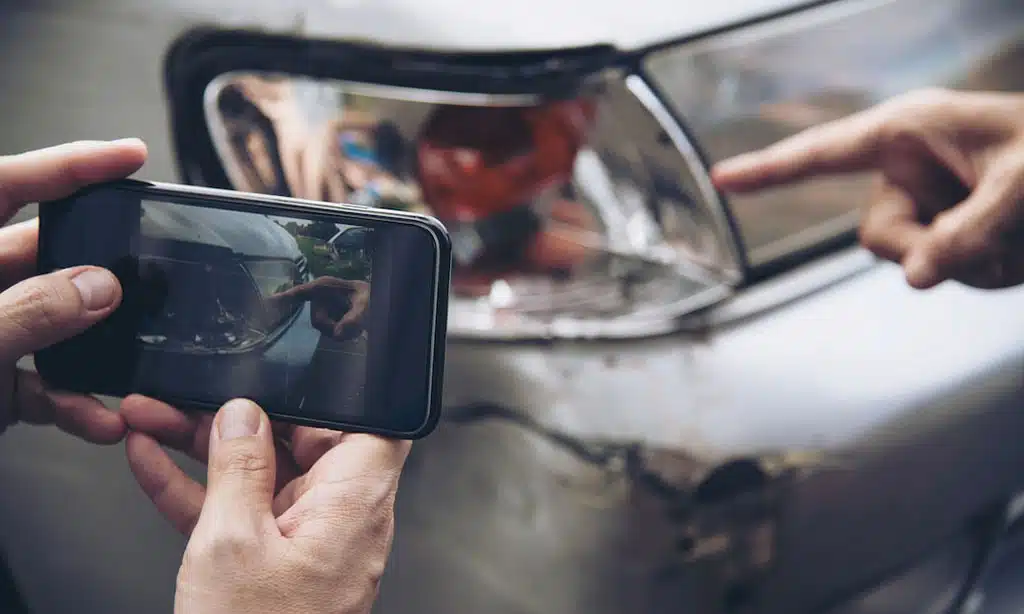
9. Take Photos and Document the Scene
Photographic evidence is invaluable in supporting your version of events, especially when filing insurance claims or if legal issues arise. Detailed photos can help document the extent of the damage to your vehicle, any visible injuries, and the overall scene of the accident.
What to Photograph at the Scene
- Damage to all vehicles involved: Take multiple photos from different angles to capture the full extent of the damage.
- The entire scene of the accident: Include traffic signs, road conditions, skid marks, and any relevant landmarks.
- License plates and driver information: Capture the license plates of all vehicles involved and the other driver’s insurance details.
- Your injuries (if any): Take pictures of any visible injuries, as this can serve as evidence for medical claims.
These photos will be vital for your insurance claim and may also serve as evidence in court if necessary.
10. Talk to Witnesses and Get Their Contact Information
Witnesses can provide valuable third-party accounts of what happened, which can help corroborate your version of events. Their testimony may become critical if there’s a dispute about fault or if the other driver provides conflicting information.
How to Approach Witnesses
- Politely ask any bystanders if they witnessed the accident and if they’d be willing to provide a statement.
- Record their full name, contact information, and a brief account of what they saw.
- If the police are involved, provide this information to the officers so they can include it in the official report.
Witness statements can support your case in disputes and help insurance adjusters or lawyers get a clearer picture of what happened.
11. Seek Medical Attention
Even if you feel fine after the accident, it’s essential to seek medical attention as soon as possible. Some injuries, like whiplash, concussions, or internal injuries, may not show symptoms immediately but can cause serious health issues if left untreated.
Steps to Take When Seeking Medical Attention
- Visit a doctor or hospital for a thorough check-up, even if you don’t feel hurt. Be sure to mention that you were in a car accident, as certain injuries may need specific tests.
- Keep records of your medical visits, doctor’s notes, and prescriptions, as they can be used for insurance or legal claims.
- If you experience delayed symptoms, such as neck pain or headaches, return to the doctor immediately for a follow-up.
Getting a medical evaluation ensures that injuries are treated promptly and provides documentation for any injury claims.
12. Notify Your Insurance Company
After an accident, it’s essential to notify your insurance company as soon as possible, even if the accident wasn’t your fault. Most insurance policies require you to report accidents within a specific timeframe, and failing to do so could result in delays or denials in coverage.
What to Include When Reporting the Accident
When contacting your insurer, provide the following:
- The date, time, and location of the accident.
- Contact information for the other driver and any witnesses.
- A brief description of what happened, avoiding speculative or emotional language.
Your insurance company will guide you through the next steps, which may include filing a claim, scheduling an adjuster visit, or getting your vehicle repaired.
13. File an Insurance Claim
Filing an insurance claim is an essential part of recovering financially from a car accident. Once you’ve notified your insurance company, they will guide you through the process of filing a claim. This may include submitting the police report, photographs, and other evidence you collected at the scene.
Types of Claims You Can File
Depending on the nature of the accident, you may file several types of claims, including:
- Property damage claims: To cover repairs to your vehicle or any other property damaged in the accident.
- Personal injury claims: To cover medical bills and lost wages if you were injured.
- Liability claims: If you were at fault, your insurance may cover the other driver’s damages.
Submitting a well-documented claim will help speed up the process and improve your chances of a successful outcome.
14. Keep a Detailed Record of All Expenses
Accidents can result in a variety of expenses, from car repairs and medical bills to lost wages and rental car costs. Keeping detailed records of all your expenses is critical for recovering compensation, whether through insurance claims or a legal case.
What Expenses to Track
- Medical bills: Include visits to the doctor, prescriptions, and any ongoing treatment.
- Car repairs or replacement: Keep receipts and estimates for any damage to your vehicle.
- Lost wages: If you’ve missed work due to the accident, document your lost income.
- Miscellaneous costs: This includes towing fees, rental car expenses, and any other costs directly related to the accident.
Having a complete record of your expenses will make it easier to recover damages and get reimbursed through your insurance policy or a legal settlement.
15. Avoid Speaking to the Other Driver’s Insurance Adjuster
After a car accident, the other driver’s insurance company may try to contact you for a statement. It’s important to exercise caution when speaking to an adjuster, as anything you say could be used to minimize your claim or assign fault.
How to Handle Communication with the Other Party’s Insurer
- Politely decline to provide a statement without consulting your own insurance company or lawyer.
- Do not sign any documents or accept a settlement offer before reviewing it with a legal expert.
- If you’re unsure how to proceed, ask your insurance company or lawyer to communicate with the other party’s insurer on your behalf.
Being careful when speaking to the other driver’s insurance company can prevent you from unintentionally weakening your claim.
16. Get a Vehicle Damage Estimate
After an accident, you’ll need a professional estimate to assess the extent of the damage to your vehicle. This is essential for determining repair costs and for your insurance company to evaluate the amount they’ll cover.
How to Get an Accurate Damage Estimate
- Take your vehicle to a certified repair shop that your insurance company recommends.
- Request a detailed estimate, including the cost of parts, labor, and any potential hidden damage.
- Consider getting multiple estimates to compare costs and ensure the damage is thoroughly assessed.
Getting a detailed damage estimate will ensure that your vehicle is repaired properly and that you receive adequate compensation.
17. Stay Organized with All Documentation
After a car accident, you’ll accumulate a lot of documentation, including police reports, medical records, repair estimates, and insurance forms. Staying organized with all this information will make it easier to file claims, track expenses, and resolve any legal or insurance issues that arise.
Tips for Staying Organized
- Create a dedicated folder or digital file where you can store all documents related to the accident.
- Keep copies of all communication with insurance companies, including emails, letters, and receipts.
- Use a checklist to track each step of the claims process and ensure that nothing is overlooked.
Staying organized will save you time and help you stay on top of your claims and any legal processes that may follow the accident.
18. Follow Up with Medical Treatment
If you’ve been injured in a car accident, it’s essential to follow through with your medical treatment plan, even if you start to feel better. Skipping treatments or not following your doctor’s advice could harm your health and weaken your injury claim.
Steps to Take for Continued Medical Care
- Attend all follow-up appointments and complete any recommended physical therapy or rehabilitation.
- Keep detailed records of your medical treatment, including doctor’s notes and prescriptions.
- If your condition worsens or you experience new symptoms, inform your doctor immediately and seek additional care.
Staying consistent with your medical care will ensure a full recovery and provide documentation for any personal injury claims.
19. Consider Consulting a Lawyer
If the accident was severe, if there’s a dispute about fault, or if you suffered significant injuries, it may be in your best interest to consult a lawyer.
An experienced car accident attorney can help protect your rights, negotiate with insurance companies, and ensure that you receive fair compensation for your losses.
Another important factor to consider is the state in which the accident occurred. If it happened in Connecticut,you can rely on a Fairfield car accident lawyer. It is important to rely on a lawyer from the state in question in order to have someone guide you through the process of state-specific laws.
What to Look for in a Car Accident Lawyer
- Experience: Look for a lawyer with a proven track record in car accident cases and personal injury claims.
- Communication: Choose someone who is responsive and communicates clearly about your case.
- No-win, no-fee agreements: Many personal injury lawyers work on a contingency basis, meaning you won’t pay legal fees unless you win your case.
A lawyer can help guide you through complex legal issues and improve your chances of receiving the compensation you deserve.
20. Plan for Future Prevention
After dealing with the aftermath of a car accident, it’s natural to want to avoid similar situations in the future. While some accidents are unavoidable, there are steps you can take to minimize your risk on the road.
Tips for Avoiding Future Accidents
- Practice defensive driving: Stay aware of your surroundings and anticipate potential hazards.
- Avoid distractions: Keep your focus on the road by avoiding phone use, eating, or other distractions while driving.
- Ensure your vehicle is well-maintained: Regularly check your tires, brakes, and lights to ensure your car is in good condition.
By taking proactive steps to improve your driving habits and vehicle maintenance, you can reduce the likelihood of future accidents and stay safe on the road.
Takeaway: Handling the Aftermath of a Car Accident with Confidence
Dealing with the aftermath of a car accident can be overwhelming, but by following these 20 essential steps, you can navigate the situation with confidence.
From ensuring your safety and gathering evidence to managing insurance claims and seeking legal help when necessary, each step plays a vital role in protecting your health, your rights, and your financial well-being.
Being prepared and knowing exactly what to do after an accident will make the recovery process smoother and help you achieve the best possible outcome in terms of compensation, vehicle repairs, and legal matters.























