

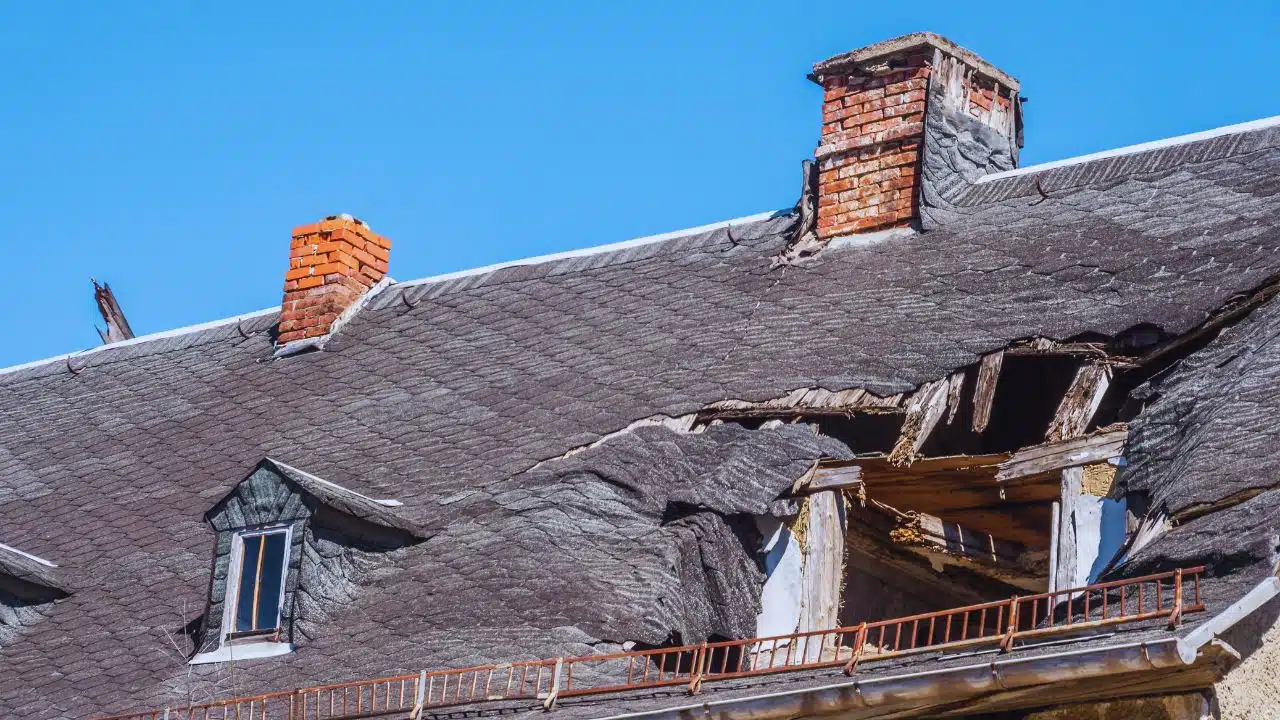
Most of our houses are at least occasionally subject to heavy storms, including hail storms, heavy windstorms, and more. If you want to keep your house in the best possible condition, maximize potential insurance payouts, and save money in the long run, there are some important steps you’ll need to take after each of these storms passes.
Get a Professional Roof Inspection, Even If It Looks Fine
After a storm, the roof is one of the most vulnerable parts of your home. High winds can lift or tear off shingles, while hail can cause cracking or bruising that’s hard to see from the ground. Water may seep in through small gaps, leading to hidden leaks or long-term structural damage.
Even if everything looks normal from your driveway, it’s smart to schedule a professional roof inspection as soon as possible. Roofers are trained to spot signs of damage you might overlook, and many offer free or low-cost post-storm assessments. The sooner they check, the better your chances of catching issues before they turn into costly repairs.
Plus, if you need to file an insurance claim, having a detailed inspection report can help speed up the process and strengthen your case.
Make Safety Your First Priority
Before inspecting your property on your own, take a moment to make sure it’s safe. If you suspect downed power lines, gas leaks, or major structural damage, don’t enter the home until emergency professionals give the all-clear. If the storm initiated flooding, avoid stepping into standing water, especially near electrical outlets or appliances.
Once you’re confident it’s safe to do so, begin checking the property, slowly and methodically, to get a sense of the damage. Document everything with photos or video, even if it seems minor. This visual record will come in handy for both repair crews and insurance adjusters later on.
Check for Exterior Damage
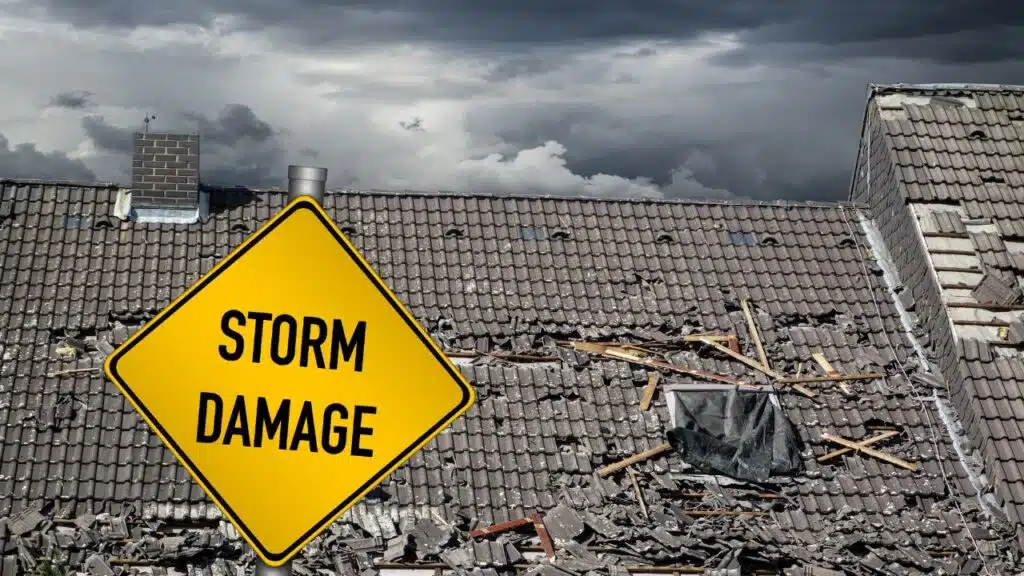
Beyond the roof, your siding, gutters, windows, and exterior trim are also exposed during storms. Look for dents, cracks, missing pieces, or anything that seems out of place. If you have a fence or deck, walk the perimeter and note any instability or broken boards.
Also, pay close attention to areas where water might collect or back up, such as around downspouts, basement windows, or your foundation. Standing water or new pooling may indicate drainage issues caused or worsened by the storm.
Even cosmetic damage is worth documenting. Hail, for example, can leave subtle marks on aluminum siding or leave behind granule loss on asphalt shingles that weakens their long-term durability.
Assess the Interior for Leaks or Water Intrusion
Storm damage isn’t always confined to the outside. Once you’ve walked the exterior, take time to carefully inspect the inside of your home. Start with ceilings and attic spaces, and look for any signs that water may have made its way inside.
Check around windows and doors for drafts or dampness. Basements should be evaluated for signs of flooding or seepage, especially if your power was out and sump pumps weren’t working.
Even a small leak can lead to mold or mildew if it goes unnoticed. If you find wet areas, ventilate them quickly with fans or dehumidifiers and consider calling a water remediation specialist to prevent further damage.
Contact Your Insurance Provider
If you’ve confirmed any level of damage, even if it’s relatively minor, contact your home insurance company promptly. Most insurers expect notification within a specific timeframe, and waiting too long can make it harder to get full reimbursement.
You’ll likely be asked to submit your photos, a written description of the damage, and any reports from contractors or inspectors. Some insurance companies also send out adjusters to assess the situation in person, so be prepared to provide access to the affected areas.
If temporary repairs are needed to prevent further damage (like tarping the roof or boarding up broken windows), be sure to document those efforts and keep receipts. Many policies reimburse homeowners for emergency protection measures.
Schedule Repairs Strategically
Once your claim is underway, begin reaching out to qualified contractors for quotes. Stick with licensed, insured professionals, especially in the aftermath of a major storm when less reputable crews may be canvassing the area.
Takeaways
A heavy storm can leave more than just a mess; it can leave uncertainty about your home and your financial future. But knowing what to check, who to call, and how to respond gives you back a sense of control. Start with your roof, assess your home methodically, and don’t wait to involve professionals.
With the right approach, you can restore your home quickly and confidently — and be even more prepared for whatever the next storm brings.






















