


Living in a high-rise offers breathtaking views of the Marina skyline or the Burj Khalifa, but it often comes with a significant auditory compromise. Whether it’s the constant drone of Sheikh Zayed Road traffic, the whistle of high-speed winds, or the echoes of construction, soundproofing Dubai apartments has become a critical priority for residents seeking peace and focus. The unique architectural style of Dubai—dominated by tile floors and large glass windows- often amplifies these sounds, turning a luxury home into an echo chamber.
If you are struggling to focus or sleep, you are not alone. By addressing the three main types of noise, airborne (traffic, voices), impact (footsteps), and structural (vibrations), you can significantly lower the decibel levels in your home. This guide provides 14 actionable tips, from rental-friendly hacks to permanent upgrades, ensuring you can enjoy the city’s energy without letting it disrupt your peace.
Key Takeaways
-
Seal the Gaps: Sound moves like water. If air can get in through your door or window frame, noise can too.
-
Layer Up: Use rugs, heavy curtains, and acoustic panels to absorb echo inside your apartment.
-
Respect the Law: Use the 800-900 Dubai Municipality number for noise violations outside of permitted hours (7 AM – 8 PM).
-
Masking Works: When you can’t stop the noise (construction), use Brown Noise to mask it.
The Acoustics of Dubai Towers: Why Is It So Loud?
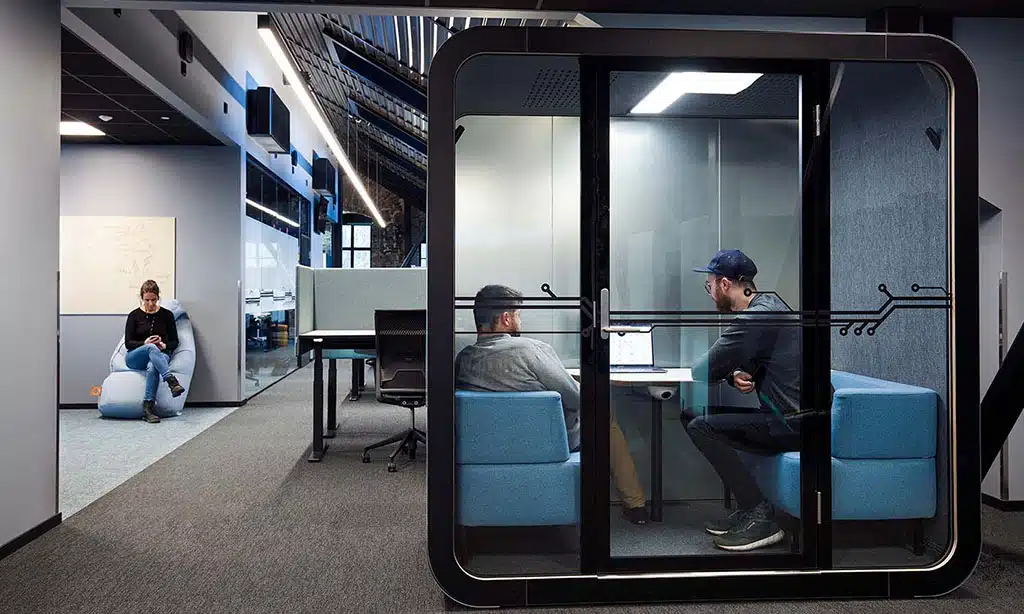
Before diving into the fixes, it is crucial to understand why soundproofing Dubai apartments is such a common challenge. The very design elements that make these high-rises beautiful—floor-to-ceiling glass, polished marble floors, and concrete shells—are effectively “acoustic mirrors.” Unlike wooden structures, which absorb some vibration, the concrete and glass common in JBR, Marina, and Downtown reflect sound waves, causing them to bounce around the room (reverberation) rather than dissipating.
To effectively soundproof your home, you need to identify which of the three types of noise you are battling:
-
Airborne Noise: This is sound traveling through the air, such as the hum of Sheikh Zayed Road traffic, construction drilling, or neighbors talking. The solution here is to seal gaps and add mass.
-
Impact Noise: This occurs when an object hits a structure, sending vibrations through the building. Examples include footsteps from the floor above or furniture dragging. The solution here is damping (softening the blow).
-
Flanking Noise: This is the “sneaky” noise that travels through indirect paths like AC ducts, elevator shafts, or shared plumbing pipes. This is the hardest to treat but can be masked.
Understanding these distinctions will help you choose the right tool from the list below, ensuring you don’t waste money on a rug when your problem is actually a window gap.
Pre-Step: DIY Diagnosis (Find the Leak)
Before you spend a single Dirham on heavy curtains or panels, you need to identify exactly where the sound is entering. In Dubai’s high-rises, “flanking noise” (sound leaking through gaps) is often the biggest culprit. Use these two simple tests to find the weak spots in your apartment.
1. The Flashlight Test (For Windows)
Wait until it is dark outside. Have one person stand on the balcony with a bright flashlight, aiming it at the closed window edges. Have another person stand inside with the lights off.
-
The Result: If you can see even a pinprick of light coming through the frame, your seals have degraded in the heat. Sound is pouring in through that hole.
-
The Fix: This confirms you need weatherstripping or acoustic caulk.
2. The Paper Test (For Doors)
Open your front door or balcony door. Place a standard piece of A4 paper against the frame and close the door on it. Try to pull the paper out.
-
The Result: If the paper slides out easily without tearing, your door is not sealing against the frame.
-
The Fix: You need to adjust the hinges or install a thicker door seal to create pressure when closed.
Part 1: Quick Rental-Friendly Fixes (No Drilling Required)
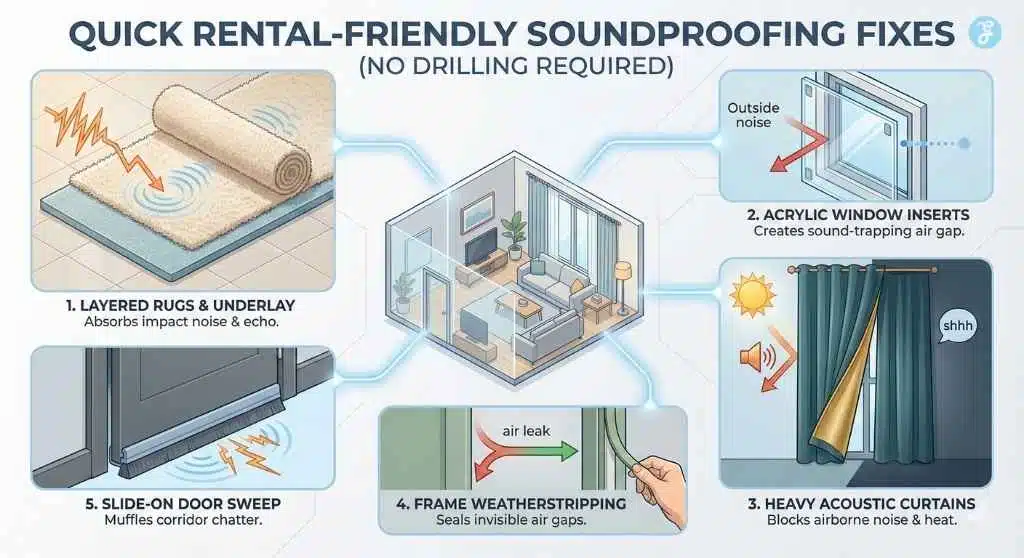
For the majority of Dubai residents living in rented apartments (JBR, JLT, Business Bay), major renovations are off the table. However, you can still achieve a 30-50% reduction in perceived noise using these non-invasive methods.
1. Master the “Soft Surface” Ratio
Dubai interiors are famous for hard surfaces—marble, tile, and floor-to-ceiling glass. These materials reflect sound waves, creating a “reverb” effect that makes even small noises feel loud.
-
The Fix: Cover at least 25% of your floor space with high-pile rugs.
-
Pro Tip: Place a high-density acoustic underlay (made of rubber or felt) beneath your rug. This is critical for damping “impact noise” from your own movements, which helps maintain good relations with neighbors below.
2. Install “Window Inserts”
Since you cannot replace the external glass in a rental, consider acoustic window inserts. These are custom-fit panes of acrylic or glass that pop into your existing window frame from the inside. They create a “dead air” space that traps noise before it enters the room. They are entirely removable when you move out.
3. Upgrade to Heavy Acoustic Curtains
Standard blinds do almost nothing for noise. Swap them for purpose-built acoustic curtains.
-
What to look for: A “sound transmission class” (STC) rating if available, or simply heavy velvet/suede fabrics with a thick “blackout” lining.
-
Dubai Benefit: These heavy drapes also block the intense afternoon sun, lowering your AC bills.
4. Weatherstrip Your Front Door
If you can hear the elevator ding or your neighbors talking in the corridor, your front door has air gaps. Sound travels wherever air travels.
-
The Fix: Apply a self-adhesive foam weatherstrip around the door frame. It costs less than 50 AED and stops both noise and dust.
5. The Door Sweep Solution
Most apartment doors in Dubai have a significant gap at the bottom (threshold) for air circulation. This is a noise superhighway. Install a slide-on or adhesive door sweep to seal this gap. It effectively muffles hallway chatter and footsteps.
Part 2: Specialized Interior Gear
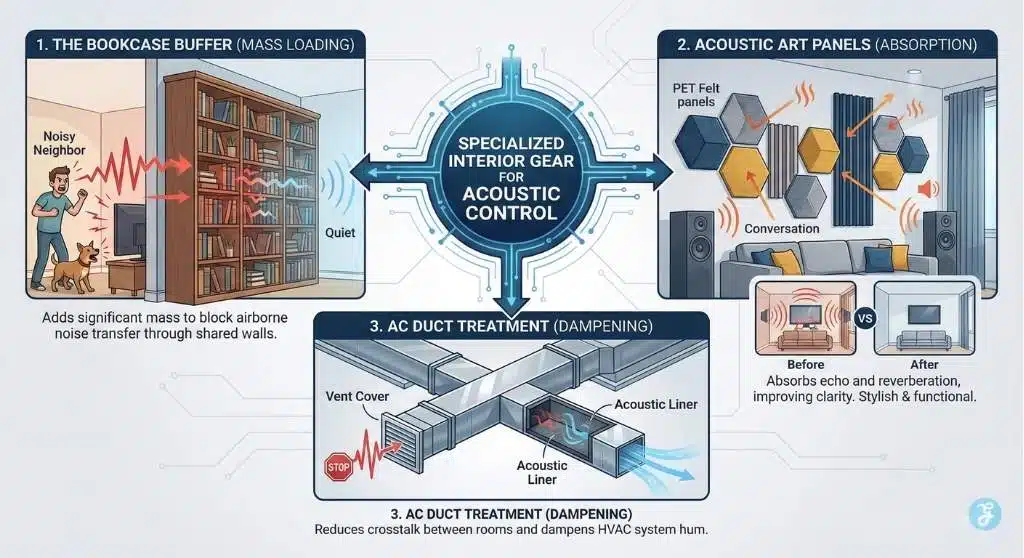
If basic soft furnishings aren’t enough, consider investing in specialized decor that actively combats noise.
6. The “Bookcase Buffer” Technique
Shared walls are a common source of complaint. If you can hear your neighbor’s TV, add mass to that specific wall.
-
How it works: Place a large, floor-to-ceiling bookshelf against the shared wall. Fill it completely with books. The varying density of paper and wood acts as an excellent sound absorber.
7. Acoustic Art Panels (PET Felt)
Gone are the days of ugly grey egg-crate foam. Modern acoustic panels are made from PET felt (often recycled plastic bottles) and come in stylish geometric shapes or wood-slat designs.
-
Placement: Install these on the wall opposite your TV or speakers to stop sound from bouncing back and forth. Brands like Mute or local Dubai suppliers offer peel-and-stick options that won’t damage paint.
8. Check Your AC Ducts
In centrally cooled towers (like in Downtown or Marina), sound can travel through the ductwork from other units.
-
The Fix: While you cannot block the vent, you can install magnetic vent covers on unused vents in spare rooms to reduce the “crosstalk” noise. For active vents, ensure the grille is screwed in tight to prevent rattling.
Part 3: Structural Upgrades (For Owners)
If you own your property, you have more freedom to tackle the noise at its source. (Note: Always check with your Owner’s Association or developer for NOC requirements).
9. Double or Triple Glazing Retrofit
Many older towers (built before 2010) may still use single or standard double glazing. Upgrading to laminated acoustic glass (specifically designed with a PVB layer) can reduce traffic noise by over 50%.
-
Focus Area: Prioritize bedrooms facing the highway or metro line.
10. Decoupled Wall Systems
For severe noise intrusion from neighbors, you may need to build a “room within a room.” This involves building a second drywall layer using resilient channels or “Green Glue” dampening compound. This physically separates the new wall from the existing structure, breaking the path of sound vibrations.
11. Anti-Vibration Appliance Pads
Sometimes, you are the noisy neighbor. Dubai apartments often have washing machines in the kitchen or a hallway cupboard.
-
The Fix: Place your washer/dryer on anti-vibration rubber pads. This stops the spin-cycle rumble from traveling through the concrete floor to the apartment below you.
Part 4: Smart Habits & Technology
Sometimes, you cannot eliminate the noise (e.g., a nearby construction site). In these cases, you must manage how you perceive it.
12. White Noise Masking
The human brain is startled by sudden changes in noise (like a dropped tool), not the noise itself.
-
The Fix: Use a white noise machine or a smart speaker to play “Brown Noise” (a lower, deeper rumble than white noise). This “sound masking” fills the silence, making external spikes in noise less jarring. It is particularly effective against the low hum of construction cranes.
13. Active Noise Cancellation (ANC)
For deep work or meditation, rely on technology. High-end ANC headphones (Sony, Bose, Apple) use microphones to listen to the environment and generate an “anti-noise” wave. They are incredibly effective at erasing the low-frequency drone of Dubai’s district cooling systems.
Part 5: Dubai Regulations & Community Rules
Knowing your legal rights is the final layer of defense. The Dubai Municipality and RERA have clear guidelines on noise.
14. Know the “Quiet Hours”
Dubai has strict laws regarding noise pollution in residential areas.
-
Quiet Hours: Generally 10:00 PM to 7:00 AM.
-
Construction: Construction work is typically permitted between 7:00 AM and 8:00 PM.
-
Decibel Limits: In residential zones, noise should not exceed roughly 45-55 decibels during the day and 35-45 decibels at night.
Dubai Residential Noise Limits (General Guide)
| Zone Type | Day Limit (7 AM – 8 PM) | Night Limit (8 PM – 7 AM) |
| Residential (Suburban) | 40-50 dB | 30-40 dB |
| Residential (Downtown/City) | 45-55 dB | 35-45 dB |
| Commercial / Mixed Use | 55-65 dB | 45-55 dB |
(Note: These are general guidelines based on federal and municipal standards; specific community rules may vary.)
Where to Buy Soundproofing Supplies in Dubai
Finding the right materials can be tricky if you don’t know where to look. Here is a quick sourcing guide for the items mentioned in this article.
-
ACE Hardware (Festival City / Sheikh Zayed Road): The go-to spot for DIY basics. Look here for weatherstripping tape (brands like 3M), door sweeps, and basic draft stoppers.
-
IKEA (Jebel Ali / Festival City): Best for the “softening” phase. Their GUNNLAUG curtains are specifically designed for sound absorption. Also excellent for thick rugs (high pile) and affordable bookshelves for the “Bookcase Buffer” trick.
-
Dragon Mart (International City): The budget option. You can find rolls of acoustic foam, rubber mats for gym floors (great for under washing machines), and heavy velvet fabrics for custom curtains at a fraction of the mall price.
-
Amazon.ae: The best source for specialized tech. Look here for White Noise Machines (brands like Marpac or Hatch) and Green Glue noisy-proofing compound if you are doing renovations.
-
Specialized Acoustic Firms: For professional installations like acoustic glass inserts or high-end PET felt panels, search for local Dubai specialists like Mute, Ecophon, or Rubber World Industries.
Frequently Asked Questions (FAQs)
1. Can I legally soundproof my rental apartment in Dubai?
Yes, as long as the changes are reversible. You can install heavy curtains, door sweeps, weatherstripping, and removable acoustic window inserts. You cannot, however, tear down walls or change the external windows without the landlord’s and building management’s written approval.
2. Who do I call for noise complaints in Dubai?
For construction noise outside permitted hours or excessive noise from commercial establishments, call the Dubai Municipality on 800-900. For noisy neighbors (parties, loud music), it is best to first speak to building security. If the issue persists during quiet hours (10 PM – 7 AM), you can contact the Dubai Police on their non-emergency number 901.
3. Do acoustic panels really block traffic noise?
Not exactly. Acoustic panels (foam or felt) are designed to absorb echo inside the room, improving sound quality. They do not effectively block heavy noise (like traffic) from entering. To block noise, you need mass and sealing (e.g., heavy window inserts or thick curtains).
4. What is the best type of curtain for soundproofing?
Look for curtains labeled “Blackout + Thermal + Noise Reducing.” The best material is velvet or suede with a triple-weave lining. The heavier the curtain, the better it will be at stopping sound waves. Ensure the curtain extends wider and taller than the window frame to minimize gaps.
5. How much does it cost to soundproof a room in Dubai?
-
Low Budget (DIY): AED 200–500 (Weatherstripping, door sweeps, basic rugs).
-
Mid Budget: AED 1,000–3,000 (High-quality acoustic curtains, large rugs, acoustic art panels).
-
High Budget: AED 10,000+ (Professional window inserts, double glazing retrofit, construction works).
The Bottom Line: Your Quiet Sanctuary Awaits
Living in the vibrant heart of Dubai doesn’t mean you have to accept noise as a permanent roommate. By systematically addressing the weak points in your apartment—sealing air gaps, layering soft textures, and leveraging smart technology—you can effectively dial down the volume of the city.
Remember, effective soundproofing is often a game of millimeters. A simple 50 AED weatherstrip or a well-placed bookshelf can sometimes do more than an expensive renovation. Start with the rental-friendly basics today. You deserve a home that offers not just a stunning view, but the peace and quiet to actually enjoy it.






















