

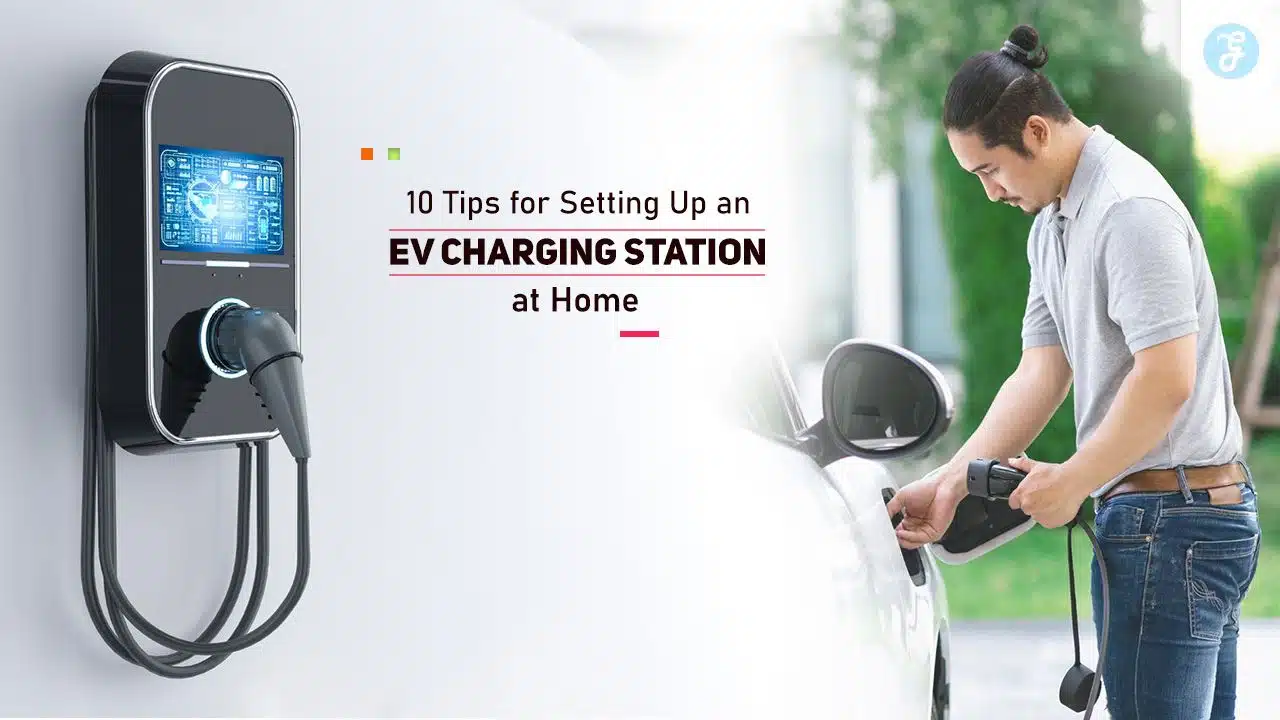
The rise of electric vehicles (EVs) has brought convenience and sustainability to transportation, but owning one comes with the responsibility of maintaining an efficient charging setup.
Setting up an EV charging station at home is one of the best ways to ensure your vehicle is always ready to hit the road while saving time and money on public charging.
However, installing a home charging station involves more than just plugging your car into an outlet. From understanding electrical requirements to choosing the right equipment, there are several factors to consider.
This comprehensive guide will provide 10 essential tips for setting up an EV charging station at home, ensuring safety, efficiency, and cost-effectiveness.
Why Set Up an EV Charging Station at Home?
Having a dedicated EV charging station at home offers numerous benefits:
- Convenience: Charge your vehicle overnight and wake up to a full battery.
- Cost Savings: Home charging is often cheaper than public charging stations.
- Efficiency: Avoid the hassle of waiting in line or searching for available chargers.
- Customization: Choose a charger that fits your specific needs and lifestyle.
10 Tips for Setting Up an EV Charging Station at Home
Let’s take a look.
1. Evaluate Your Home’s Electrical Capacity
Overview:
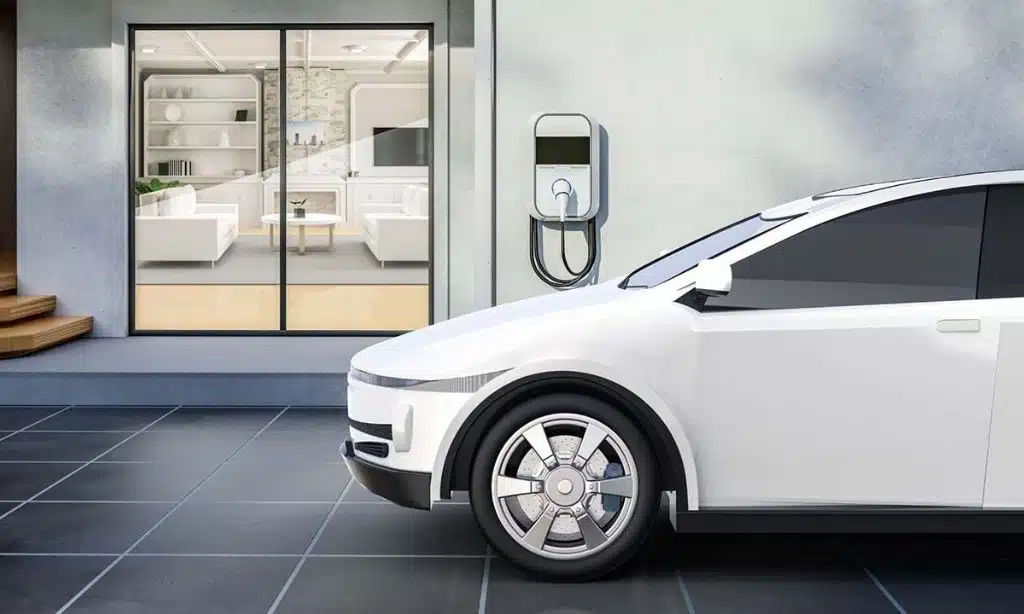
Before installing an EV charging station, it’s crucial to assess your home’s electrical system. Most homes are equipped with 100-amp or 200-amp panels, and adding a high-powered charger may require an upgrade.
Key Steps:
- Check Existing Capacity: Consult an electrician to determine if your current panel can support an EV charger.
- Calculate Power Usage: Factor in other household appliances and devices that consume electricity.
- Plan for Future Needs: If you plan to add more EVs or high-powered chargers later, ensure your system can accommodate them.
Expert Tip:
Upgrading to a 200-amp panel may involve additional costs but will future-proof your home for increased power demands.
2. Choose the Right Charger Type
Overview:
EV chargers come in different levels, each offering varying speeds and functionalities. Selecting the right one depends on your vehicle’s requirements and daily driving needs.
Charger Levels:
- Level 1 Charger: Uses a standard 120V outlet; ideal for overnight charging but slower (adds 3-5 miles of range per hour).
- Level 2 Charger: Requires a 240V outlet; significantly faster (adds 20-30 miles of range per hour).
- Level 3 Charger: Also known as DC fast chargers; not typically installed at home due to high cost and power requirements.
Expert Tip:
For most homeowners, a Level 2 charger strikes the perfect balance between speed and affordability.
3. Understand Installation Costs
Overview:
Installing a home EV charging station involves upfront costs for equipment, electrical work, and permits. Understanding these costs will help you budget effectively.
Cost Breakdown:
- Charger Unit: Level 2 chargers range from $500 to $1,500.
- Electrical Work: Expect to pay $300–$1,000, depending on panel upgrades and wiring complexity.
- Permits: Local regulations may require permits, costing $50–$200.
Expert Tip:
Research government rebates or tax incentives in your area to offset installation costs.
4. Select a Safe and Accessible Location
Overview:
The placement of your EV charging station can impact convenience, safety, and usability. Choose a location that meets both your needs and building codes.
Key Considerations:
- Proximity to Parking: Install the charger near your vehicle’s usual parking spot to avoid long cables.
- Weather Protection: Opt for indoor installation in a garage or use a weatherproof charger for outdoor setups.
- Compliance: Ensure the location complies with local electrical and zoning regulations.
Expert Tip:
Install the charger at a height that’s easily reachable for all users but safe from potential water exposure or damage.
5. Hire a Licensed Electrician
Overview:
DIY installation may be tempting, but hiring a licensed electrician ensures the job is done safely and correctly.
Why It’s Important:
- Code Compliance: A professional will ensure your setup meets local building codes.
- Safety Assurance: Proper installation minimizes risks of electrical fires or equipment malfunctions.
- Warranty Protection: Some chargers require professional installation to maintain their warranty.
Expert Tip:
Request quotes from multiple electricians and check their certifications and reviews before hiring.
6. Consider Smart Charging Features
Overview:
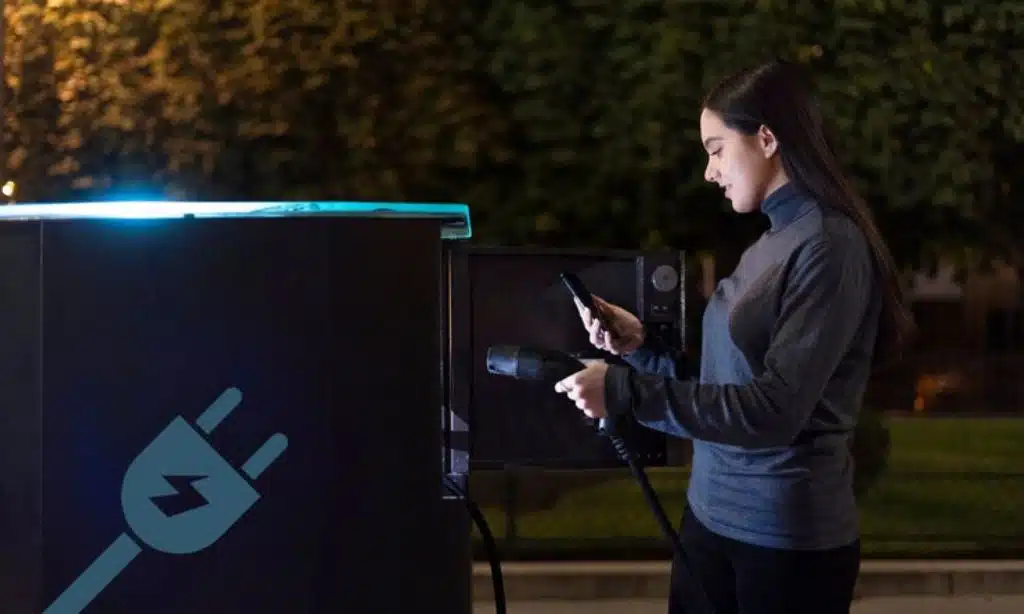
Smart chargers offer advanced features like energy monitoring, scheduling, and app control. While more expensive, these chargers provide convenience and efficiency.
Features to Look For:
- Wi-Fi Connectivity: Monitor and control charging remotely through a mobile app.
- Energy Usage Reports: Track electricity consumption for your EV.
- Load Management: Balance energy usage during peak hours to save on electricity bills.
Expert Tip:
If you have solar panels, choose a smart charger compatible with renewable energy systems for added savings.
7. Plan for Cable Management
Overview:
Unorganized cables can be a tripping hazard and detract from the aesthetics of your setup. Proper cable management ensures safety and a clean appearance.
Tips for Organization:
- Cable Hooks or Reels: Use wall-mounted hooks or retractable reels to store cables neatly.
- Shorter Cables: Opt for shorter cables to minimize tangles if the charger is close to your car.
- Durable Materials: Invest in cables designed to withstand wear and tear.
Expert Tip:
Consider a charger with a built-in cable holder for a sleek and convenient solution.
8. Optimize Charging Speed and Efficiency
Overview:
Maximizing charging efficiency can save time and reduce energy costs. Several factors influence the speed and effectiveness of your EV charger.
Key Tips:
- Use Off-Peak Hours: Charge your vehicle during off-peak electricity hours for lower rates.
- Maintain Charger and Battery: Regularly inspect your charger and EV battery for optimal performance.
- Adjust Charging Settings: Use your EV’s software to set the ideal charging speed and limit overcharging.
Expert Tip:
Check your utility provider’s time-of-use plans to identify the cheapest hours for charging.
9. Ensure Future-Proofing
Overview:
Technology and EV models are constantly evolving. Setting up a charging station that accommodates future needs will save you money and effort in the long run.
How to Future-Proof Your Setup:
- Upgrade Wiring: Use high-capacity wiring that supports potential upgrades to faster chargers.
- Consider Multiple Chargers: If you plan to own more than one EV, install a dual-port charger.
- Stay Updated: Keep an eye on emerging technologies and standards in EV charging.
Expert Tip:
Choose chargers compatible with both existing and future EV models to avoid compatibility issues.
10. Review and Maintain Your Charging Station
Overview:
Routine maintenance ensures the longevity and efficiency of your EV charging station. Neglecting this step could lead to performance issues or safety hazards.
Maintenance Tips:
- Inspect Regularly: Check cables, connectors, and outlets for wear and tear.
- Clean Periodically: Keep the charging unit and surrounding area free of dust and debris.
- Monitor Performance: Use smart charger apps to track and diagnose potential issues.
Expert Tip:
Schedule an annual inspection with your electrician to ensure the system remains in top condition.
Takeaways
Setting up an EV charging station at home is an investment in convenience, cost savings, and sustainability. By following these 10 tips, you can create a safe, efficient, and future-proof charging setup tailored to your needs.
From evaluating your home’s electrical capacity to choosing the right charger and maintaining the system, each step contributes to a seamless EV ownership experience.
As electric vehicles continue to grow in popularity, having a reliable home charging station will not only enhance your daily life but also add value to your property.
Take the time to plan and execute your installation carefully, and enjoy the benefits of hassle-free charging for years to come.
Make the switch to home charging today and drive into the future with confidence!






















