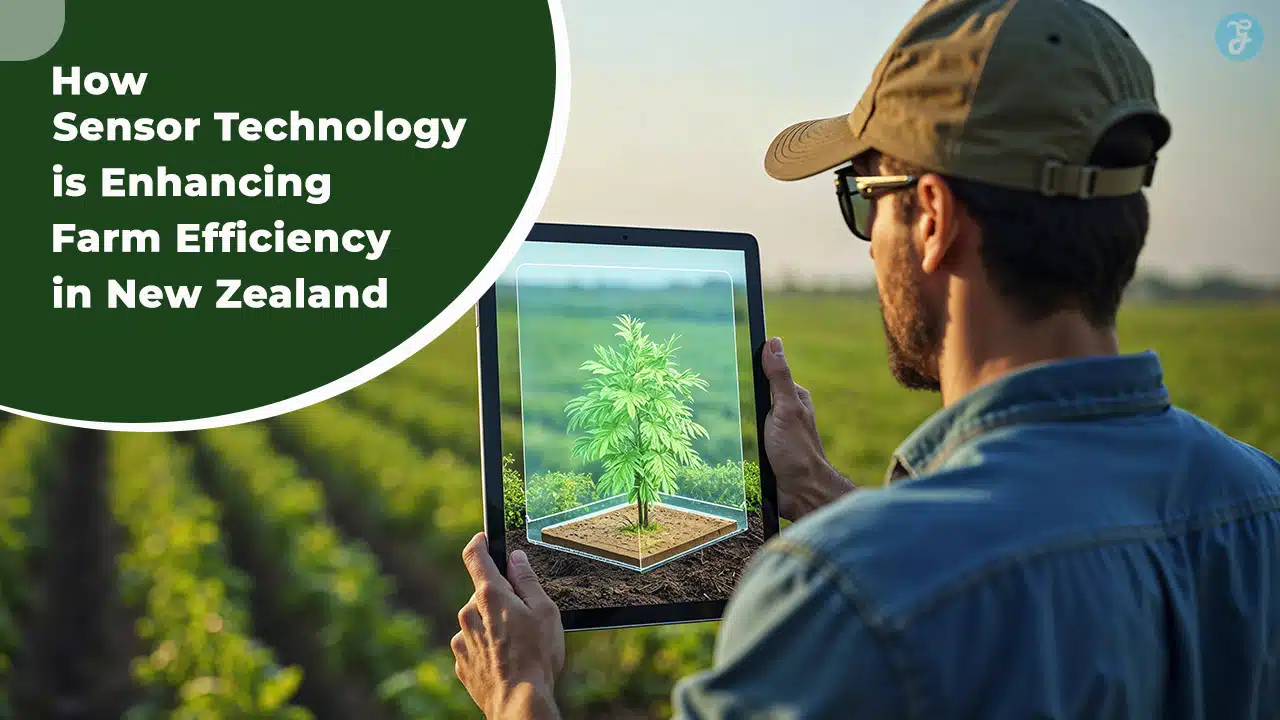
Many New Zealand farmers watch crops wilt when fields dry with little warning. They often guess when to water or feed livestock. That guesswork can cost time, money, and soil health.
Precision farming on New Zealand land can boost crop yields by up to 25% over older methods. This post will guide you through smart farming tools—from IoT sensors to remote sensing—to cut waste, save water, and track fields in real time.
Stay tuned.
Key Takeaways
- Soil sensors and drone cameras track wet spots and key nutrients fast. Farmers cut water use by 20% and raise yields by 25%.
- GPS collars and ear tags track heart rate and movement on sheep and cows. Waikato farmers spot fevers in minutes and cut feed waste.
- Drones, satellites, and NIWA weather models feed data into Trimble dashboards. Farmers see frost risks two days ahead and plan planting and watering.
- Autonomous tractors and smart sprinklers use maps to water and feed only where needed. They cut fuel use and greenhouse gases by 15% and work hours by 40%.
- Predictive analytics forecast yields, set planting dates, and match supply to market demand. This data-driven approach boosts sustainability and protects water quality.
Key Applications of Sensor Technology in New Zealand Farming
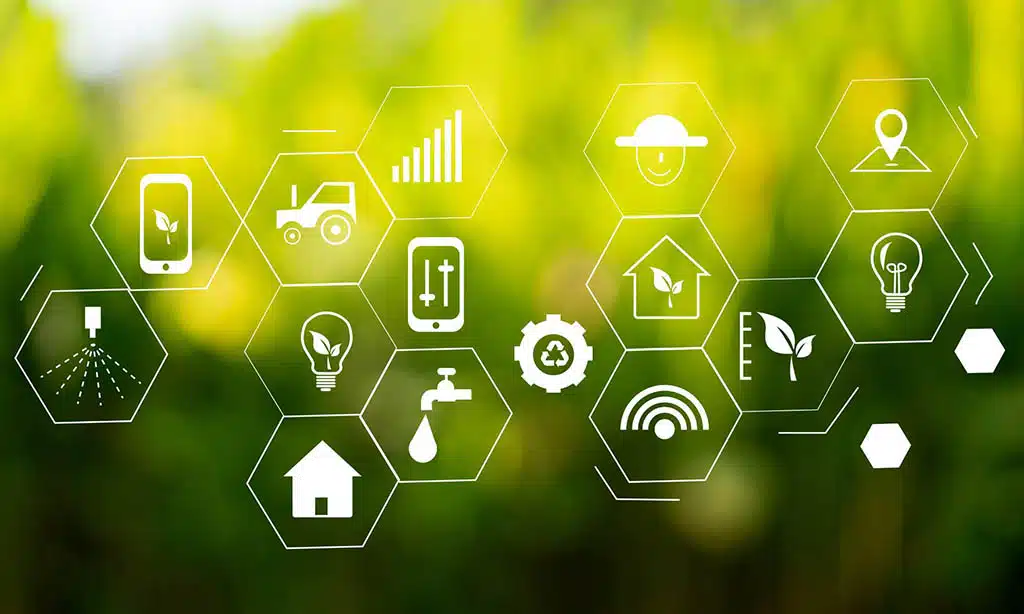
Farmers link IoT sensors, GPS collars, and weather pods to space-pictures and forecast math platforms, so they spot dry patches, disease hints, or surprise storms before the herd even stirs.
Flying bots patrol paddocks, while moisture probes and nutrient meters dig below roots, and data analytics steer water, feed, and field moves in real time.
Soil moisture monitoring
Internet of Things (IoT) sensors live in the earth and log moisture, pH levels, and nutrient content. Sensors sip moisture like small straws. A network of probes ties into automated irrigation systems that drip water only where roots thirst.
Satellite remote sensing technology and drone-mounted cameras feed data into predictive analytics. Precision agriculture platforms add insights on soil health. All gear trims water use and curbs excess fertilizers.
Digital transformation brings data-driven farming to life. Dashboards buzz with moisture hot spots before plants suffer. Autonomous tractors and smart irrigation systems follow site-specific maps.
This method drives sustainable farming and resource conservation in New Zealand agriculture. Soil moisture monitoring slashes waste in the agricultural sector.
Livestock tracking and health management
IoT sensors perch on GPS collars and ear tags. They track sheep and cows around the clock. These devices send heart rate, temperature, and motion data to a farmer’s tablet in real time.
Farmers catch fever spikes in minutes, slash hours spent chasing sick stock. It feels like a vet rides along every day. These precision agriculture tools merge data-driven farming with sustainable farming practices.
They help New Zealand agriculture cut environmental impact.
Data analytics platforms sort live stats. The system flags cows that need feed or checks. Automated alerts free up time, let farmers focus on pasture rotation and nutrient levels. Dairy farmers in Waikato trimmed feed waste and cut water usage.
Satellite imagery pairs with wearables to map grazing habits. Farmers log insights on cloud servers, boosting operational efficiency.
Weather condition analysis
Drones carry IoT sensors above kiwi paddocks, sending remote sensing feeds on wind, rain and sun. AI-driven platforms merge that input with satellite imagery and predictive analytics to shape precision farming moves like planting schedules, water conservation and nutrient levels.
Farmers tap smart farming tools, use these insights to lower agricultural runoff and align supply chain management with market demand.
NIWA models local temperate swings, feeding forecasts back into dashboards for quick crop management moves. Machine learning algorithms flag frost risks two days ahead, so crews can shield vines or pause fertilizer application, cutting costs and wasted resources.
Data-driven farming drives sustainable agricultural practices across New Zealand agriculture, boosting dairy production and crop health while cutting environmental impact.
Benefits of Sensor Technology for Farm Efficiency
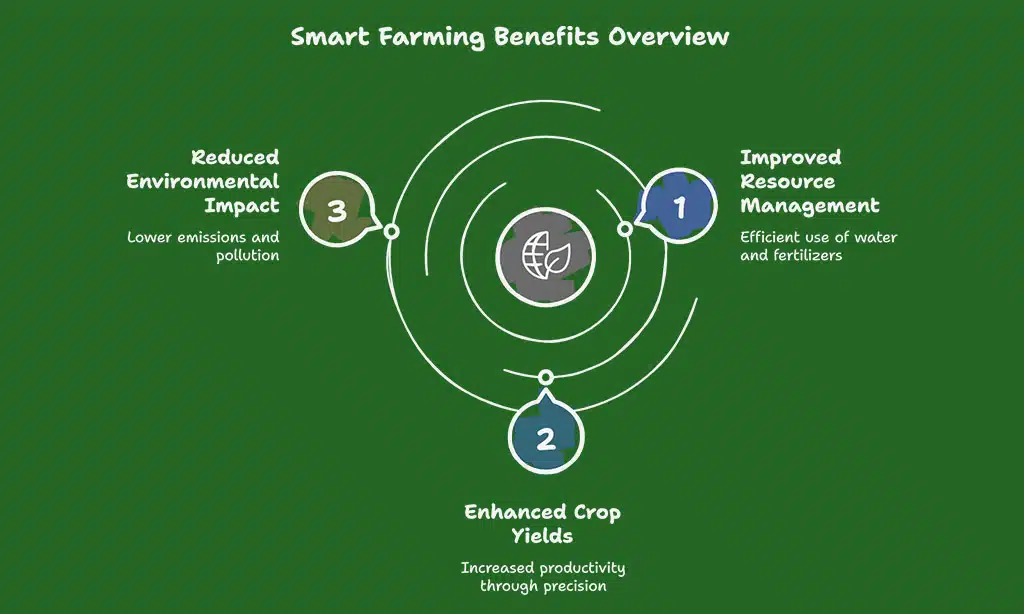
Precision agriculture uses IoT sensors and predictive analytics to cut waste and boost yields with spot-on accuracy. Farmers steer autonomous tractors and tap satellite imagery like a crystal ball, spotting nutrient gaps before crops even bend their leaves.
Improved resource management
IoT sensors map moisture in fields. Farmers apply water and fertilizer only where tests show need. Data analytics reveal nitrogen and potassium levels in real time. This precision farming method can save up to 20 percent of irrigation in New Zealand agriculture.
Mobile machines and robotics trim work hours by 40 percent on dairy farms. Battery powered tools slash fuel costs and greenhouse gas output by roughly 15 percent. A farm management information system ties satellite imagery and weather inputs into one view.
This smart farming network boosts yield while cutting waste and driving resource conservation.
Enhanced crop yields and livestock productivity
Farmers use drones with high-resolution cameras to spot crop stress fast.
Precision agriculture cuts guesswork on irrigation and fertilizer application, boosting yields up to 25 percent.
Livestock producers track animals with wearable IoT devices and remote sensing to watch health and feeding patterns.
Predictive analytics run on AI platforms to cut risk, forecast yields and set optimal planting dates and feed rations.
Smart farming systems gather real-time data to support sustainable farming practices and resource conservation in New Zealand.
Reduced environmental impact
Precision agriculture cuts water and fertilizer waste. Eco-pond systems curb methane from dairy herds. Satellite imagery spots stressed crops fast. IoT sensors measure soil moisture in real time.
Predictive analytics help set fertilizer application. Smart farming boosts resource conservation.
Battery-powered tools cut exhaust and noise on the field. Autonomous tractors hum along, powered by electricity not diesel. Remote sensing and data-driven farming drive net-zero emission goals.
NIRS tools scan nutrient levels in minutes. This tech trims pollution, cuts environmental impact, and protects groundwater. Sustainable farming practices win big praise.
Takeaways
Farmers use IoT sensors and orbital imagery to cut guesswork and save water.
They watch herd health and ground condition with smart trackers.
Predictive analytics software runs on Trimble dashboards to forecast yields and warn of dry spells.
Remote sensing data and data analytics guide precise fertilizer and water use.
This mix of tools boosts yields, reduces costs, and cuts environmental impact.
FAQs
1. What is sensor technology in New Zealand agriculture?
Sensors are iot systems placed in soil, or up in the sky on towers. They feed data, like crop health or soil checks, to smart farming apps. Think of it as a hawk eye on your land.
2. How do IoT sensors and real-time data support precision agriculture?
They track nutrient levels, guide fertilizer application, and measure moisture on the go. Farmers get alerts, so they act fast, save water, and nail crop management.
3. How do predictive analytics and satellite imagery improve data-driven farming?
They mix smart software with space photos to map fields from above. They flag pests, forecast harvests, and spot food waste risks. Experts at the national institute of water and atmospheric research share top tips, so you stay ahead.
4. How can sensors cut environmental impact and boost sustainable farming practices?
Sensors catch leaks, guide irrigate, and track pesticide runs in a wink. They curb soil erosion, protect water, and lift resource conservation. Farms go green, and save money.
5. Can sensor tools aid in fertilizer application and nutrient level control?
Yes, ground sensors check soil, and read nutrient levels. They point to spots that need a dose, so you feed plants just right. This lifts agricultural production, cuts cost, and trims waste.
6. Do sensors power self-driving farm vehicles and streamline farm operations?
Yes, iot technology and artificial intelligence steer self-driving farm vehicles down rows. They plant seeds, spray weeds, and log data for the next run. You get tidy records, steady yields, and boost economic growth in the agriculture industry.