

The rise of cryptocurrency has revolutionized the way we think about money, investments, and financial independence. Unlike traditional banking systems, cryptocurrencies operate on a decentralized framework, giving individuals complete control over their digital assets. However, this newfound freedom comes with unique challenges—chief among them, security. Without proper safeguards, your cryptocurrency holdings could fall prey to hackers, phishing scams, or even accidental loss.
At the heart of cryptocurrency security lies the crypto wallet, a critical tool that stores and protects your private keys, which grant access to your digital funds. Whether you’re a casual investor, an avid trader, or a long-term holder, understanding what makes a wallet secure is vital.
In this guide, we’ll delve into the five must-have features of a secure crypto wallet. By mastering these key considerations, you’ll not only protect your assets but also gain peace of mind in navigating the exciting yet volatile world of cryptocurrency.
Types of Crypto Wallets
Before diving into the essential features, let’s review the types of crypto wallets available. Each has its own benefits and drawbacks:
| Wallet Type | Description | Pros | Cons |
|---|---|---|---|
| Hot Wallets | Connected to the internet, accessible via desktop or mobile apps. | Convenient for frequent transactions. | More vulnerable to cyberattacks. |
| Cold Wallets | Offline storage methods like hardware wallets or paper wallets. | Highly secure and resistant to online hacks. | Less convenient for frequent transactions. |
| Hardware Wallets | Physical devices designed specifically for storing cryptocurrencies offline. | Extremely secure, portable, and durable. | Higher initial cost and requires care. |
| Software Wallets | Applications installed on computers or mobile devices. | User-friendly and supports multiple coins. | Depends on device security. |
| Paper Wallets | Printed or written copies of your private and public keys. | Immune to cyberattacks. | Prone to physical damage or loss. |
Choosing the right wallet depends on your individual needs, such as convenience, security, and how often you’ll access your funds.
Why Security Features Matter in a Crypto Wallet
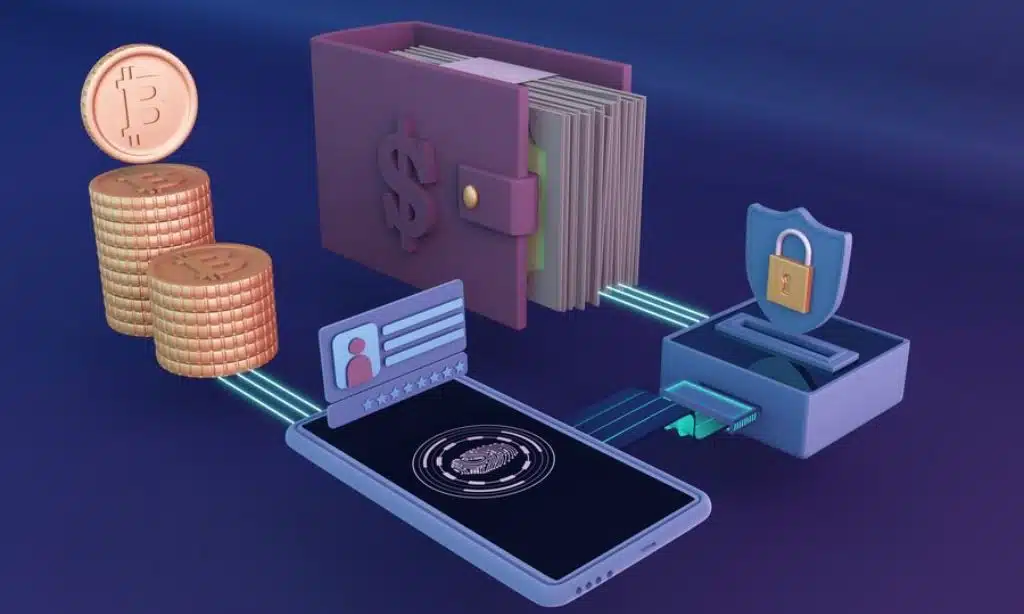
Cryptocurrencies are decentralized, meaning you are responsible for the security of your assets. Without proper safeguards, your wallet is susceptible to threats like:
- Hacking: Cybercriminals often target wallets connected to the internet.
- Phishing Scams: Fake websites and emails trick users into revealing sensitive information.
- Malware: Malicious software can steal credentials or compromise wallet security.
These risks highlight the importance of choosing a wallet with strong security features. Let’s take a closer look at the five must-have features.
5 Must-Have Features in a Secure Crypto Wallet
1. Private Key Ownership
Owning your private keys is fundamental to cryptocurrency security. Private keys act as the password to access your funds. If you don’t control your keys, you don’t truly control your crypto.
| Key Points | Details |
| What is a private key? | A cryptographic code allowing you to access and manage your crypto funds. |
| Why it matters | Ensures only you can authorize transactions and access your wallet. |
| Pro Tip | Use wallets that provide recovery phrases to regain access if needed. |
Make sure the wallet you choose allows you full ownership of your private keys to ensure maximum control and security.
2. Multi-Signature Functionality
Multi-signature (multi-sig) wallets require multiple authorizations before a transaction can be executed. This feature significantly reduces the risk of unauthorized access.
| Key Points | Details |
| What is multi-sig? | A security feature requiring multiple approvals for transactions. |
| Benefits | Prevents single points of failure and adds an extra layer of protection. |
| Ideal Use Cases | Business accounts or joint wallets for group investments. |
For high-value transactions or shared accounts, multi-sig wallets provide an added layer of security.
3. Strong Encryption Standards
Encryption protects your wallet from unauthorized access. Look for wallets that implement robust encryption standards like AES-256.
| Key Points | Details |
| What is encryption? | Converts data into unreadable code to prevent unauthorized access. |
| Why it matters | Protects sensitive information like private keys and transaction details. |
| Pro Tip | Avoid wallets with outdated or unclear encryption protocols. |
Strong encryption ensures that even if your device is compromised, your wallet remains secure.
4. Backup and Recovery Options
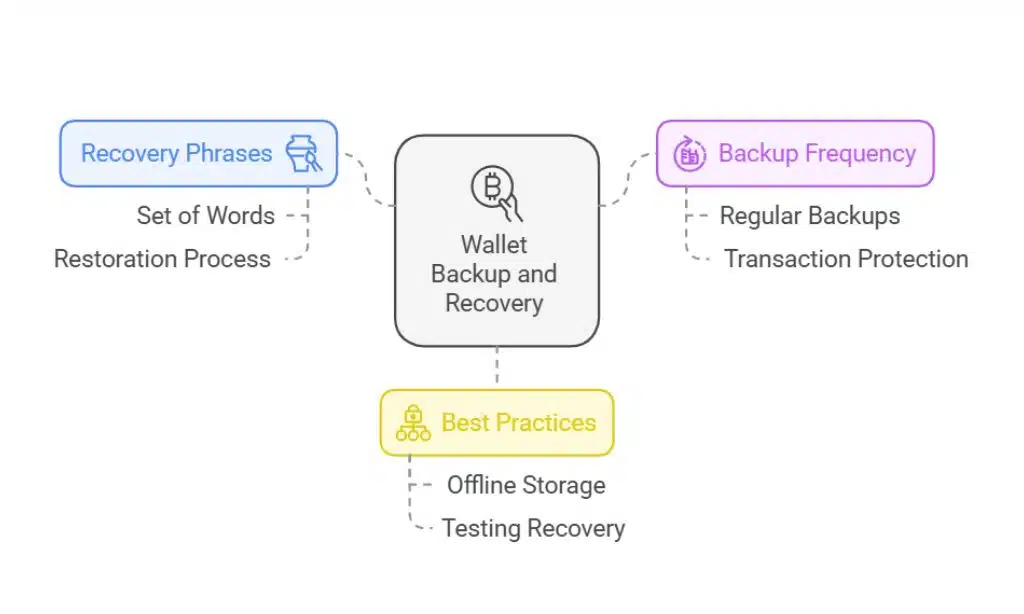
A reliable wallet should offer simple and secure ways to back up and recover your funds. This feature is crucial in case of device loss or damage.
| Key Points | Details |
| Recovery Phrases | A set of words used to restore your wallet if lost. |
| Backup Frequency | Regular backups help protect your most recent transactions. |
| Best Practice | Store recovery phrases offline in a secure location. |
Always test the recovery process to ensure your backup system works as intended.
5. Regular Security Updates
Crypto wallets must adapt to evolving security threats. Frequent updates indicate an active development team committed to maintaining security.
| Key Points | Details |
| Update Frequency | Regular updates protect against emerging vulnerabilities. |
| Why it matters | Keeps your wallet compatible with the latest security protocols. |
| Red Flags | Avoid wallets that haven’t been updated for extended periods. |
Choose wallets from reputable developers with a strong track record of maintaining and updating their software.
Bonus Features to Consider
While security is paramount, additional features can enhance your user experience:
| Feature | Benefits |
| User-Friendly Interface | Simplifies wallet management, especially for beginners. |
| Multi-Currency Support | Allows you to manage various cryptocurrencies in one place. |
| Hardware Wallet Integration | Adds an extra layer of security for high-value storage. |
These features make your wallet versatile and practical for everyday use.
Takeaways
In the ever-evolving world of cryptocurrency, securing your assets is not just a precaution—it’s a necessity. A robust crypto wallet is your first line of defense against cybercriminals and other risks. By prioritizing key features like private key ownership, multi-signature functionality, advanced encryption, reliable backup options, and regular updates, you can ensure that your digital wealth remains safe.
While the technical aspects of security may seem daunting, investing time in understanding and implementing them will pay off in the long run. Your choice of a crypto wallet isn’t just about convenience; it’s about empowering yourself to take full control of your financial future.
Don’t leave your assets vulnerable. Explore wallets that align with your specific needs, test their features, and stay informed about best practices for wallet security. With the right tools and knowledge, you can confidently navigate the crypto space and make the most of its opportunities.
Ready to take the next step? Discover our curated list of top-rated crypto wallets and begin your journey toward secure cryptocurrency storage today!






















