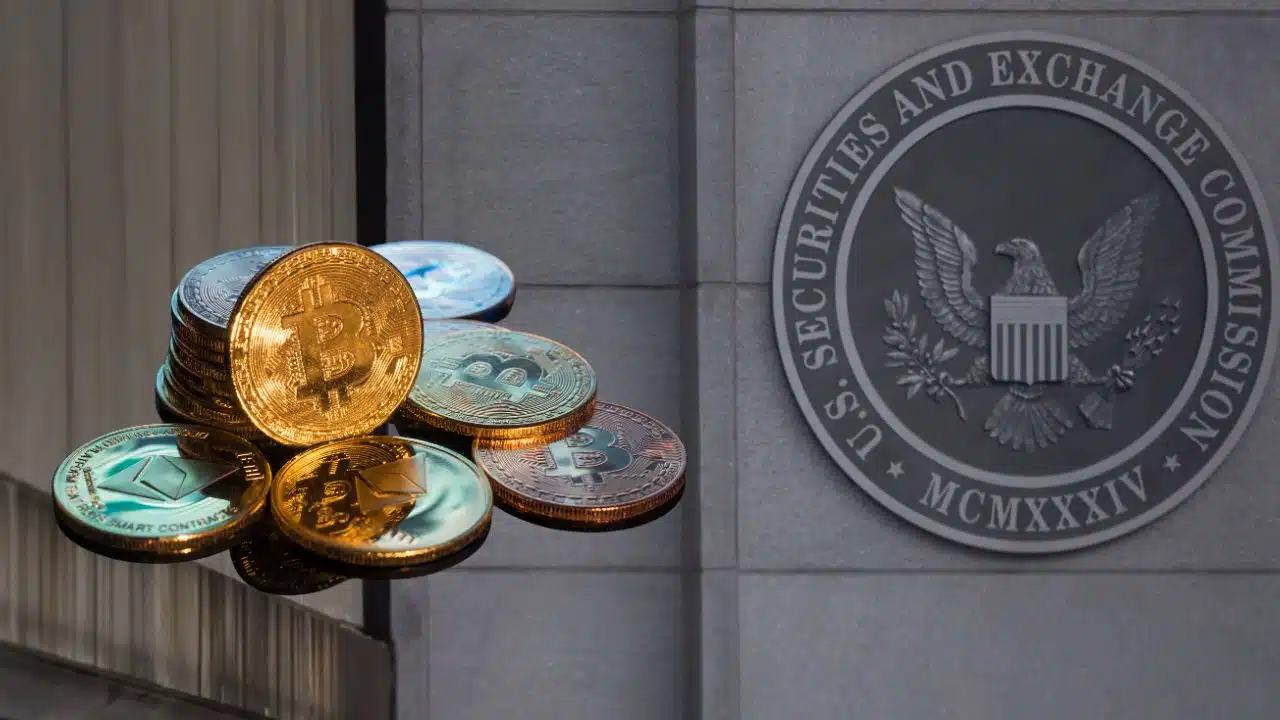
In a significant move for the financial and cryptocurrency industries, the U.S. Securities and Exchange Commission (SEC) has rescinded a controversial accounting rule that discouraged Wall Street banks from embracing digital assets like Bitcoin.
This marks a turning point in the regulatory landscape for cryptocurrency adoption within traditional banking institutions.
The Rise and Fall of SAB 121
The rule, known as Staff Accounting Bulletin 121 (SAB 121), was introduced in 2022 and placed strict capital requirements on digital assets. It required banks to treat cryptocurrencies as liabilities on their balance sheets, significantly raising financial and regulatory risks. As a result, offering crypto custody services became costlier, limiting Wall Street’s involvement in crypto markets.
Although SAB 121 was initially defended by former SEC Chair Gary Gensler as a measure to protect investors from the risks of crypto firm bankruptcies, the rule faced criticism for stifling innovation. Major financial institutions like Goldman Sachs, Morgan Stanley, and Bank of America cited the rule as a barrier to expanding their crypto offerings.
A Push for Change
Efforts to overturn SAB 121 gained bipartisan support in Congress last year, but then-President Joe Biden vetoed legislation that would have repealed the rule, leaving it intact. This veto further discouraged banks from entering the crypto space, confining their crypto-related activities to areas like derivatives trading and offering exchange-traded funds (ETFs) for wealth management clients.
After years of lobbying from the crypto industry and financial institutions, the SEC’s decision to revoke SAB 121 signals a significant shift. The announcement came just days after Gary Gensler stepped down as SEC Chair, marking a change in the agency’s approach to crypto regulation.
Industry Leaders React
The decision to revoke SAB 121 was met with enthusiasm from both regulators and industry leaders. SEC Commissioner Hester Peirce, a long-time advocate for clear and balanced crypto regulations, expressed her approval in a post on X (formerly Twitter), saying, “Bye, bye SAB 121! It’s not been fun.” Peirce, who has been tapped to lead the SEC’s new crypto task force, emphasized the need for a comprehensive regulatory framework that supports innovation while ensuring investor protection.
At the World Economic Forum in Davos, Switzerland, prominent banking executives shared their views on the development. Goldman Sachs CEO David Solomon told media that the bank had previously been unable to own Bitcoin due to regulatory restrictions but expressed optimism about revisiting the issue following the rule change. CEOs from Morgan Stanley and Bank of America echoed similar sentiments, hinting at the potential for expanded digital asset offerings under a more favorable regulatory environment.
A Pro-Crypto Tone Under Trump
The SEC’s announcement comes amidst broader changes in the U.S. regulatory climate for cryptocurrency. President Donald Trump’s administration has adopted a pro-crypto tone, signaling support for virtual currencies and decentralized technologies. This shift is expected to encourage financial institutions to explore and expand their crypto-related services, reshaping the relationship between traditional banking and digital assets.
What’s Next for Banks and Crypto?
The revocation of SAB 121 is expected to reduce operational costs and regulatory burdens for banks interested in crypto custody services, paving the way for broader participation in crypto markets. However, questions remain about how the SEC’s new crypto task force, under the leadership of Hester Peirce, will shape the future of cryptocurrency regulation.
As Wall Street reconsiders its approach to digital assets, the move is likely to accelerate the integration of crypto into traditional finance, offering a glimpse into a more interconnected financial ecosystem. For now, the crypto industry and financial institutions alike are celebrating this victory and looking forward to a more supportive regulatory landscape.
The Information is Collected from CNBC and AOL.